
Nutrition comparison
Soybean Sprouts vs Edamame: Which Soy Food Is Better for You?
Compare soybean sprouts and edamame on protein, calories, safety, and convenience. Find out which one fits your health goals and eating style.
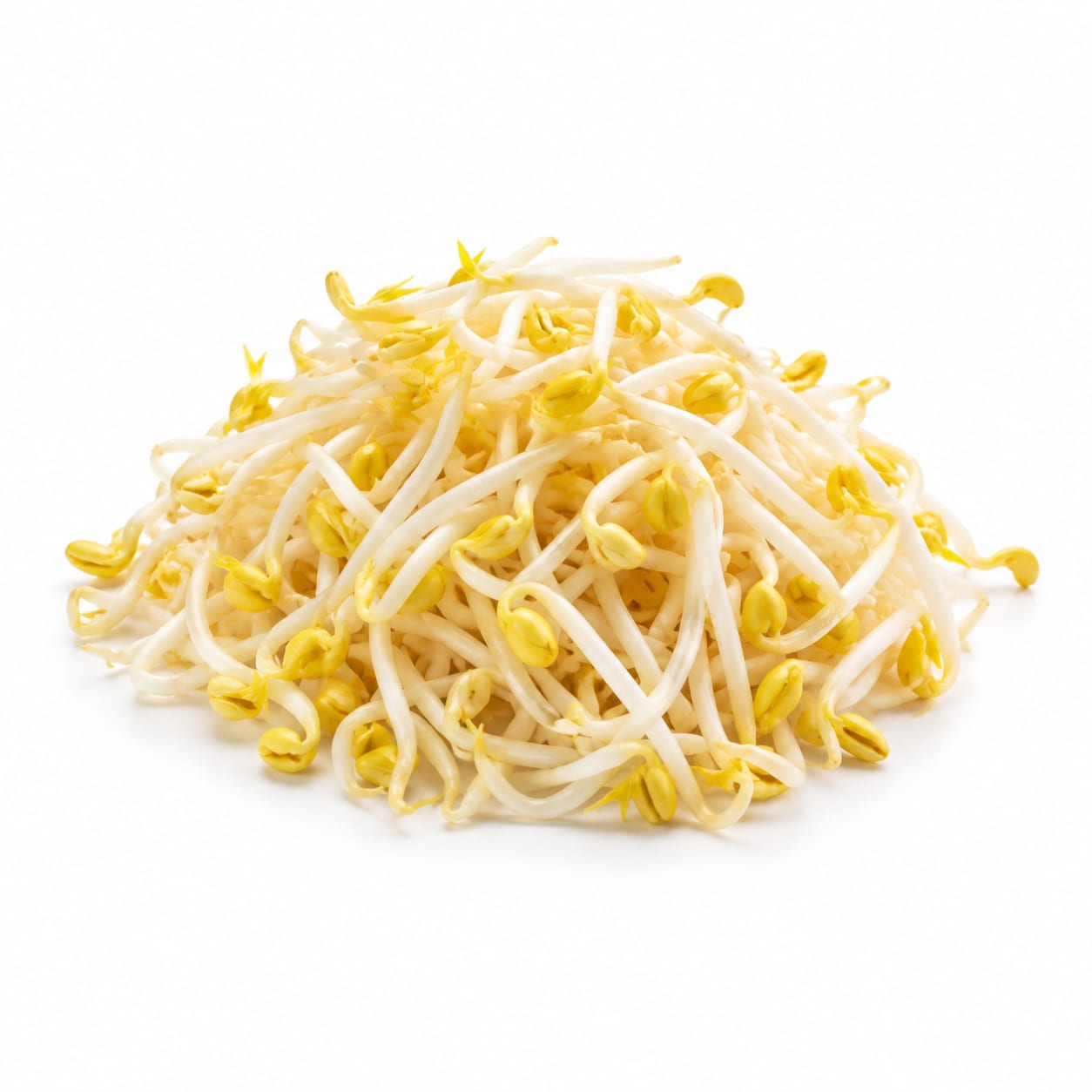
Soybean Sprouts
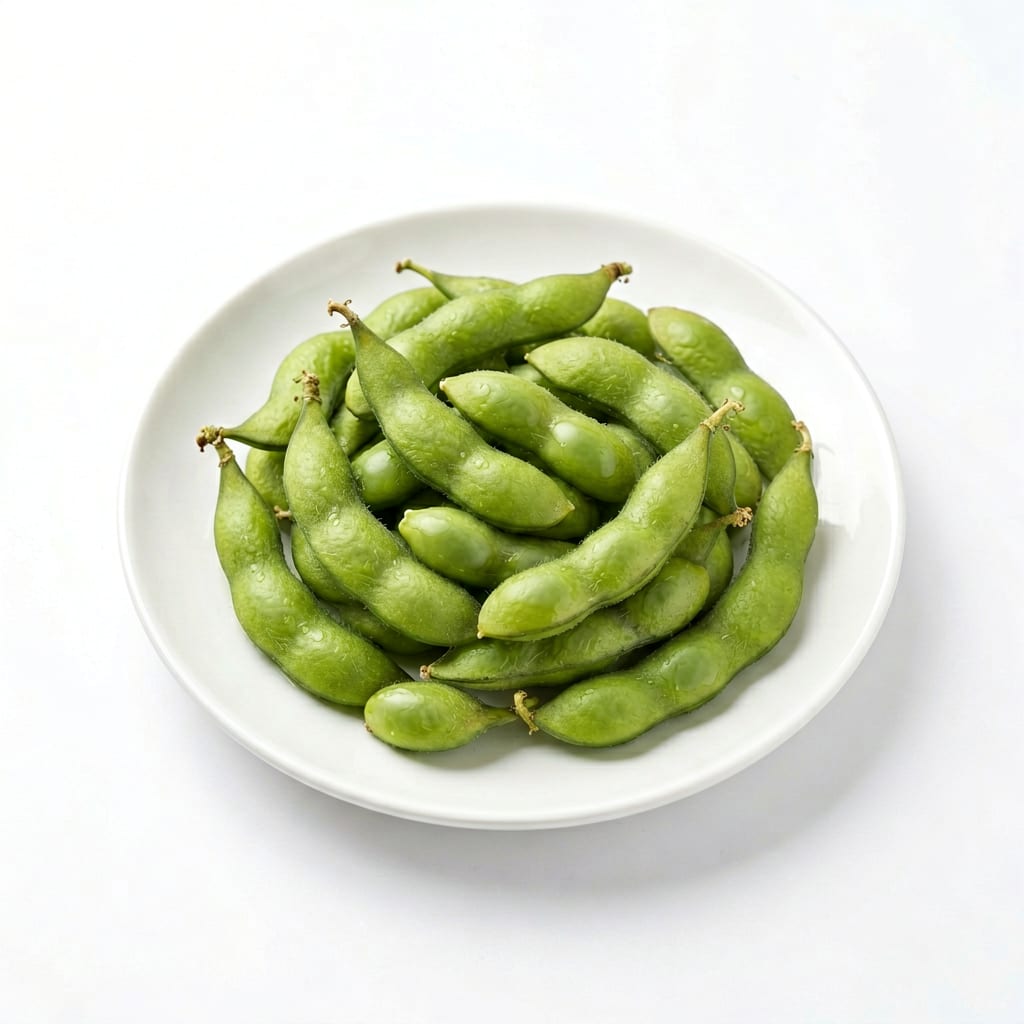
Edamame
Edamame is the more nourishing and satisfying choice, but soybean sprouts win for sheer volume and low-calorie crunch. Your pick depends on whether you prioritize protein and convenience or calorie density and texture.
Edamame scores higher due to superior protein, healthy fats, convenience, and safety. Soybean sprouts remain valuable for low-calorie volume eating but lose ground on satiety, food safety, and practicality.
Edamame gives you lasting fullness and easy prep; soybean sprouts give you more food for fewer calories but require careful cooking and spoil faster.
At a glance
Executive summary
Overall
It depends
Healthier
Edamame
More practical
Edamame
Daily use
Edamame
Key comparison lenses
protein and satiety comparison
Edamame delivers nearly 3x the protein per serving, making satiety a major differentiator between these two soy foods
weight loss and calorie density
Soybean sprouts are dramatically lower in calories, which matters enormously for volume eaters and calorie-conscious users
food safety concerns
Raw sprouts carry well-documented bacterial contamination risks that edamame largely avoids
convenience and meal integration
Frozen edamame is shelf-stable and quick to prepare, while sprouts are perishable and require careful handling
nutrient profile divergence
Same plant, different life stages — sprouting changes vitamin C, fiber type, and isoflavone concentration significantly
Best choice for
Soybean Sprouts
- Volume eaters who want large portions with minimal calories
- Anyone adding crunch and bulk to soups or stir-fries
- Budget-conscious cooks seeking very low-cost vegetable calories
- People seeking extra vitamin C from a soy-based food
Edamame
- Anyone needing a high-protein plant snack that actually satisfies
- Busy people who want a freezer-stable, quick-prep option
- Older adults or kids who need more protein and healthy fats
- Athletes and active people prioritizing recovery nutrition
Least suitable for
Soybean Sprouts
- Anyone immunocompromised due to contamination risk from raw sprouts
- People wanting a protein-rich snack or meal component
- Those who dislike frequent grocery trips (sprouts spoil fast)
- Meal preppers who need ingredients that last all week
Edamame
- Strict calorie restrictors who need maximum volume per calorie
- People with severe soy allergies
- Anyone avoiding higher-fat foods for digestive comfort
Deep comparison
Dimension by dimension
Each lens scores both foods and breaks down who each option suits.
- Dimension 1 · Priority 95Edamame
protein_and_satiety
Soybean Sprouts · 30Edamame · 88Edamame provides roughly 11g of protein per 100g compared to about 4g in soybean sprouts, making it far more filling and useful as a protein source.
Tradeoff
You trade the light, low-calorie nature of sprouts for the sustained energy and fullness that edamame's protein and fat deliver.
Why it matters
Protein is the single biggest driver of satiety. A snack that actually fills you up prevents overeating later.
Real-world impact
A bowl of edamame can replace a protein bar as an afternoon snack. Soybean sprouts alone will leave you hungry again within an hour.
Soybean Sprouts
- Light meals where you don't want to feel heavy
- Side dishes where protein comes from elsewhere
Better for
- Anyone relying on it as a primary protein source
- Situations where you need lasting energy between meals
Worse for
Edamame
- Post-workout recovery
- Replacing meat at a main meal
- Curbing afternoon hunger pangs
Better for
- Very low-calorie diet phases
- Light meals before intense activity where heaviness is uncomfortable
Worse for
- Dimension 2 · Priority 90Soybean Sprouts
calorie_density_and_weight_management
Soybean Sprouts · 92Edamame · 58Soybean sprouts deliver roughly 30 calories per 100g versus edamame's 120 calories, giving you four times the food volume per calorie.
Tradeoff
You get more physical food on your plate with sprouts, but far less nutritional payload per bite.
Why it matters
For volume eaters, being able to eat a large bowl of food for minimal calories can be the difference between sticking with a diet and giving up.
Real-world impact
A heaping bowl of soybean sprouts in soup feels like a big meal for under 50 calories. The same bowl of edamame would be 200+ calories.
Soybean Sprouts
- Volume eaters who need to see a full plate
- Very low-calorie diet phases
- Late-night snacking where calories matter more than protein
Better for
- Recovering from illness when calorie intake matters
- Growing children who need energy density
Worse for
Edamame
- Maintaining weight without counting calories
- Active people who need calorie-dense fuel
Better for
- Aggressive calorie-cutting phases
- People who feel guilty eating calorie-dense foods
Worse for
- Dimension 3 · Priority 85Edamame
food_safety
Soybean Sprouts · 35Edamame · 90Soybean sprouts are a well-known vector for foodborne illness due to warm, humid sprouting conditions. Edamame, typically sold frozen and cooked, carries minimal risk.
Tradeoff
Sprouts require careful washing and thorough cooking to be safe. Edamame is essentially ready after a quick steam or microwave.
Why it matters
The CDC has repeatedly warned about sprout contamination. For vulnerable populations, this is not a minor concern.
Real-world impact
Pregnant women, elderly adults, and anyone with a weakened immune system should avoid raw sprouts entirely. Edamame has no such restriction.
Soybean Sprouts
- Healthy adults who cook sprouts thoroughly
- Situations where fresh, properly stored sprouts are available
Better for
- Raw sprout consumption in any vulnerable population
- Hot weather or poor refrigeration conditions
Worse for
Edamame
- Pregnant women and immunocompromised individuals
- Anyone who wants worry-free food prep
- Households with young children
Better for
- No significant safety downside
Worse for
- Dimension 4 · Priority 78Edamame
convenience_and_shelf_life
Soybean Sprouts · 38Edamame · 85Frozen edamame lasts months and cooks in minutes. Fresh soybean sprouts spoil within days and demand prompt, careful preparation.
Tradeoff
Sprouts offer a fresh, crisp texture that frozen edamame can't match, but you pay for it in perishability and prep effort.
Why it matters
The best healthy food is the one you actually keep stocked and use. Perishability directly impacts how often a food gets eaten.
Real-world impact
Frozen edamame can sit in your freezer for weeks and be ready in 3 minutes. Sprouts demand a same-day grocery trip and immediate cooking.
Soybean Sprouts
- Cooking fresh Asian meals the same day as shopping
- Recipes where crunch and freshness are essential
Better for
- Anyone who shops once a week
- Meal prepping on Sunday for the whole week
Worse for
Edamame
- Meal prep and weekly planning
- Emergency protein when the fridge is empty
- Quick snacks after work
Better for
- Recipes specifically calling for sprout texture
- Dishes where frozen product quality is inferior
Worse for
- Dimension 5 · Priority 72Edamame
micronutrient_profile
Soybean Sprouts · 55Edamame · 82Edamame delivers more folate, vitamin K, manganese, and iron per serving. Sprouts offer more vitamin C thanks to the sprouting process, but less of nearly everything else.
Tradeoff
Sprouting boosts vitamin C but dilutes most other nutrients because the seed's reserves are spread across more water weight.
Why it matters
If you're eating soy foods partly for their nutrient density, edamame gives you more per calorie and per bite.
Real-world impact
A cup of edamame covers about 20% of your daily folate needs. Sprouts cover closer to 5%.
Soybean Sprouts
- Boosting vitamin C intake from a non-fruit source
- Adding fresh, living-plant nutrients to a meal
Better for
- Being relied on as a primary nutrient source
- Situations where folate or iron intake is critical
Worse for
Edamame
- Pregnancy nutrition where folate matters
- General micronutrient insurance
- Bone health support via vitamin K
Better for
- Vitamin C is not a standout nutrient here
Worse for
- Dimension 6 · Priority 65It depends
digestive_tolerance
Soybean Sprouts · 55Edamame · 60Both foods can cause gas in sensitive people due to oligosaccharides, but sprouts may be slightly harder to digest raw and edamame's fat content can bother some stomachs in large amounts.
Tradeoff
Sprouts are lighter but riskier raw; edamame is richer but heavier in large portions.
Why it matters
Soy foods are notorious for causing bloating. Knowing your personal tolerance matters more than averages here.
Real-world impact
If a big bowl of edamame leaves you bloated, try smaller portions. If raw sprouts upset your stomach, always cook them thoroughly.
Soybean Sprouts
- Light meals when you want minimal digestive load
- People who find high-fat foods uncomfortable
Better for
- Raw consumption for anyone with sensitive digestion
- People prone to bloating from cruciferous-type fibers
Worse for
Edamame
- Those who tolerate soy protein well
- Smaller portions as a satisfying side dish
Better for
- Large portions for people with fat sensitivity
- Anyone with a history of soy-related bloating
Worse for
Timeline
Health impact over time
Short-term
Hours to days
Soybean Sprouts
- Very light energy that won't cause a food coma
- Possible bloating if eaten raw or in large quantities
- Quick hydration from high water content
Edamame
- Sustained energy from balanced protein, fat, and fiber
- Possible fullness or bloating if overeaten
- Steadier blood sugar compared to carb-heavy snacks
Long-term
Months to years
Soybean Sprouts
- Low calorie intake supports weight maintenance if used strategically
- Isoflavone exposure is lower than edamame, which may reduce both benefits and concerns
- Consistent consumption of properly cooked sprouts adds vegetable variety
Edamame
- Regular plant protein intake supports muscle maintenance and metabolic health
- Isoflavones may offer cardiovascular and bone benefits with regular consumption
- Healthy fat intake supports hormone balance and nutrient absorption over time
Risk profile
Safety & processing
Both foods are minimally processed whole foods. Soybean sprouts are simply germinated soybeans, and edamame is harvested young and typically frozen with no additives. Neither raises processing concerns.
Soybean Sprouts
Bacterial contamination (Salmonella, E. coli)
highSprouting environments are warm and humid — ideal for bacterial growth. Multiple foodborne illness outbreaks have been linked to raw sprouts. Thorough cooking significantly reduces this risk.
Rapid spoilage
mediumSprouts degrade quickly in the fridge and can become slimy or foul-smelling within 2-3 days, increasing the chance of consuming spoiled product.
Edamame
Minimal contamination risk
lowEdamame is typically blanched and frozen shortly after harvest, which kills surface bacteria and preserves freshness. Safe for nearly all populations.
Soy allergy
lowA concern for the small percentage of people with soy allergies, but not a food safety issue in the traditional sense.
Who wins for whom
Audience fit
Same foods, different winners depending on your goal.
children
EdamameKids benefit more from edamame's protein, healthy fats, and folate. Sprouts' contamination risk is a stronger concern for young immune systems.
daily consumption
EdamameEdamame's freezer stability, safety, and balanced nutrition make it easier to eat daily without spoilage worries or health risks.
diabetes
EdamameEdamame's protein and fat slow glucose absorption more effectively than sprouts alone, leading to steadier blood sugar.
elderly
EdamameOlder adults need protein to prevent muscle loss and have weaker immune systems, making edamame's safety and nutrition profile more appropriate.
muscle gain
EdamameEdamame's 11g of protein per 100g supports muscle repair, while sprouts' 4g is insufficient as a protein source.
weight loss
It dependsSoybean sprouts for aggressive calorie restriction and volume eating; edamame for sustainable weight loss where protein keeps you from snacking later.
Your move
Decision guide
Choose Soybean Sprouts
- You want maximum food volume for minimal calories
- You're cooking Asian soups or stir-fries where sprout texture is essential
- You have no immune concerns and will cook them thoroughly
- You enjoy frequent fresh produce shopping
Choose Edamame
- You want a satisfying, protein-rich snack or side dish
- You need something freezer-stable that's always ready
- You're feeding kids, elderly family, or anyone immunocompromised
- You want the most nutritional value per calorie from a soy food
Either works if
- You want plant-based isoflavones from either source
- You're already eating a varied diet and just adding soy variety
- You tolerate soy well and enjoy both textures
Avoid both if
- You have a diagnosed soy allergy
- You're following a soy-free protocol for thyroid or hormonal concerns under medical guidance
Final recommendation
Keep frozen edamame as your everyday soy staple — it's safer, more convenient, and far more satisfying. Add soybean sprouts occasionally when you want their unique crunch and lightness, but always cook them thoroughly and treat them as a perishable fresh vegetable, not a pantry staple.
Practical
Consumer tips
- 1
Always cook soybean sprouts before eating — even a quick blanch significantly reduces contamination risk
- 2
Store sprouts in the coldest part of your fridge and use within 2 days of purchase
- 3
Frozen edamame in the pod is often cheaper and more fun to eat than shelled versions
- 4
If sprouts smell sour or feel slimy, discard them immediately — don't try to salvage them
- 5
A half-cup of edamame paired with a piece of fruit makes a complete, satisfying snack
- 6
Add soybean sprouts to ramen or pho in the last 30 seconds of cooking for safe crunch