
Nutrition comparison
Soybean Sprouts vs Alfalfa Sprouts: Nutrition, Safety, and Which to Choose
Compare soybean sprouts and alfalfa sprouts on protein, calories, food safety, and health effects. Learn why soybean sprouts are the safer, more nutritious choice for most people.
Overall winner · Soybean Sprouts
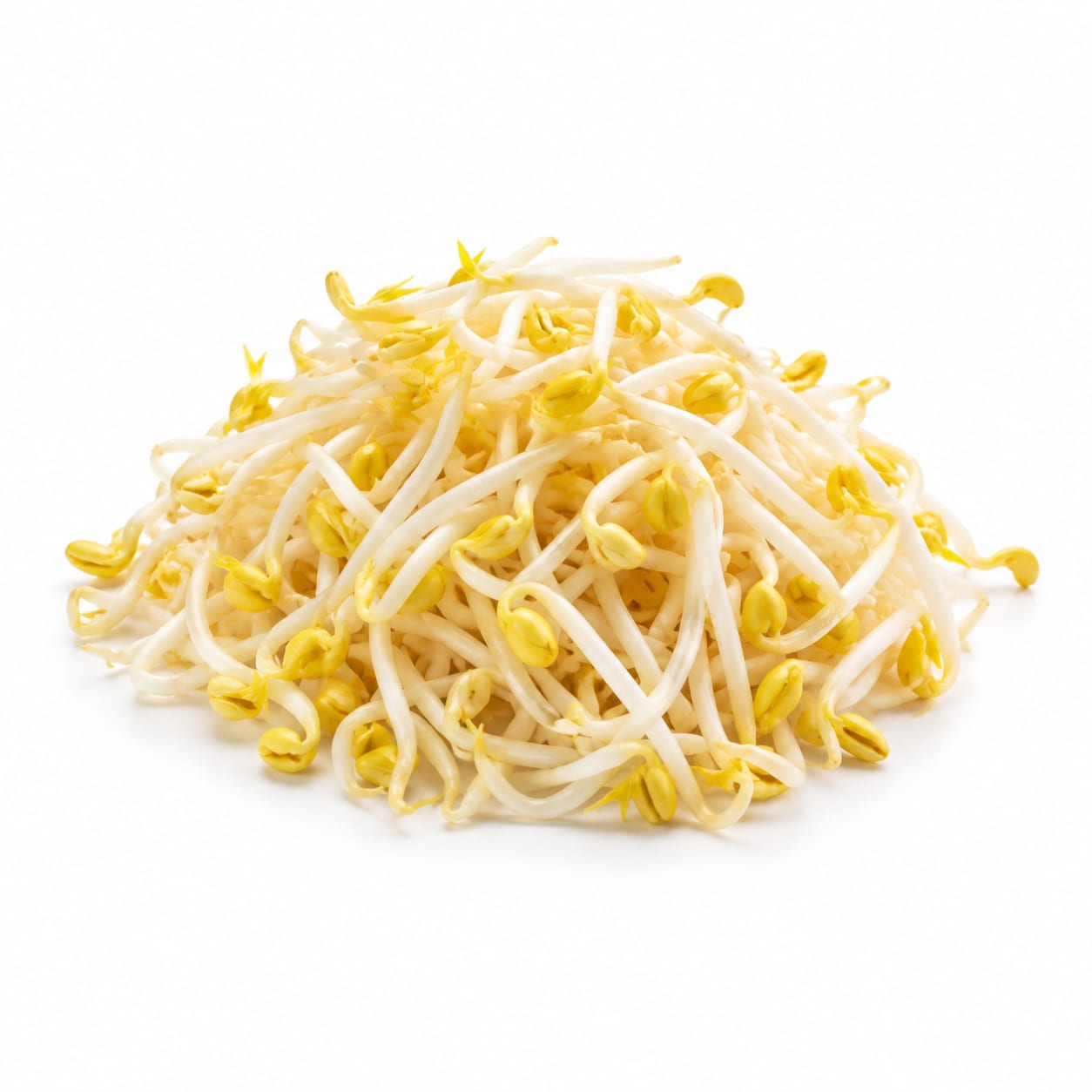
Soybean Sprouts
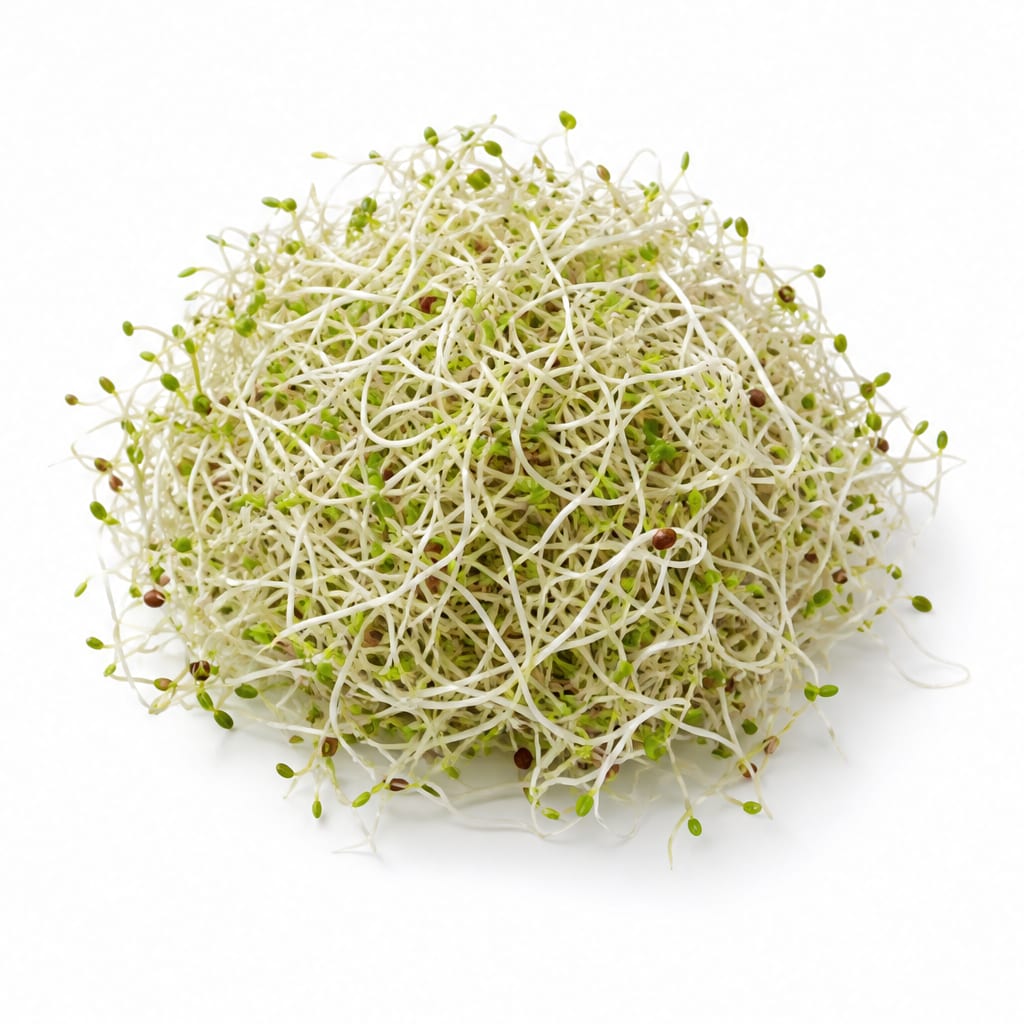
Alfalfa Sprouts
Soybean sprouts deliver real nutrition with manageable safety risks, while alfalfa sprouts offer almost no nutritional substance alongside serious contamination concerns.
Soybean sprouts score substantially higher due to genuine nutritional content and safer preparation methods. Alfalfa sprouts lose significant ground on food safety, minimal macronutrients, and autoimmune risk factors.
You trade the near-zero calorie lightness of alfalfa sprouts for the protein, fiber, and genuine fullness of soybean sprouts — and you avoid a significantly higher food safety risk.
At a glance
Executive summary
Overall
Soybean Sprouts
Healthier
Soybean Sprouts
More practical
Soybean Sprouts
Daily use
Soybean Sprouts
Key comparison lenses
food safety and contamination risk
Alfalfa sprouts have been linked to multiple serious foodborne illness outbreaks, making safety the dominant concern in this comparison
nutritional substance vs light topping
Soybean sprouts are a legitimate protein source while alfalfa sprouts are essentially a low-calorie garnish with minimal nutrition
raw vs cooked consumption safety
Soybean sprouts are typically cooked, eliminating most pathogens; alfalfa sprouts are eaten raw, amplifying contamination risk
autoimmune and hormonal considerations
Alfalfa contains L-canavanine which can trigger lupus flares; soybean sprouts contain isoflavones with estrogenic effects
weight loss vs nourishment tradeoff
Users may be choosing between near-zero calories and meaningful satiety, which reflects fundamentally different dietary philosophies
Best choice for
Soybean Sprouts
- People wanting plant protein that actually fills them up
- Anyone concerned about foodborne illness from raw sprouts
- Home cooks making stir-fries, soups, or Korean-inspired dishes
- Those needing folate, vitamin C, and iron from whole food sources
Alfalfa Sprouts
- Strict calorie counters who want crunch without numbers
- Raw food enthusiasts who accept and manage sprout safety protocols
- People adding visual appeal and texture to sandwiches or wraps
Least suitable for
Soybean Sprouts
- Those seeking a raw, no-cook topping
- People who dislike the beany flavor or chewier texture
Alfalfa Sprouts
- Pregnant women, elderly, or immunocompromised individuals
- Anyone with lupus or autoimmune conditions triggered by L-canavanine
- People expecting meaningful protein or satiety from their food
Deep comparison
Dimension by dimension
Each lens scores both foods and breaks down who each option suits.
- Dimension 1 · Priority 92Soybean Sprouts
protein_and_satiety
Soybean Sprouts · 88Alfalfa Sprouts · 12Soybean sprouts provide roughly 13g of protein per cup compared to alfalfa's negligible 1g, making them an actual meal component rather than decoration.
Tradeoff
You get real fullness from soybean sprouts but must cook them; alfalfa sprouts are ready raw but leave you hungry.
Why it matters
Protein is the main driver of satiety. A cup of soybean sprouts can meaningfully contribute to your daily protein target; alfalfa sprouts cannot.
Real-world impact
After eating soybean sprouts in a bowl, you feel satisfied for hours. After alfalfa sprouts in a sandwich, you are looking for a snack within 90 minutes.
Soybean Sprouts
- Post-workout recovery meals
- Vegetarians needing plant protein that counts
- Anyone tired of salads that do not fill them up
Better for
- Quick no-cook meal prep
Worse for
Alfalfa Sprouts
- Crunch topping on an already protein-rich meal
Better for
- Any meal where the sprouts are the main ingredient
- Situations where you need lasting energy
Worse for
- Dimension 2 · Priority 95Soybean Sprouts
food_safety_and_contamination
Soybean Sprouts · 72Alfalfa Sprouts · 25Alfalfa sprouts have been repeatedly linked to E. coli and Salmonella outbreaks. Soybean sprouts are typically cooked, which kills most pathogens.
Tradeoff
Soybean sprouts require cooking to be safe, adding preparation time. Alfalfa sprouts are eaten raw, but that is exactly what makes them dangerous.
Why it matters
The warm, humid conditions needed for sprouting are ideal breeding grounds for bacteria. Cooking is the most reliable kill step.
Real-world impact
The FDA has issued multiple warnings specifically about alfalfa sprouts. For vulnerable populations, eating raw alfalfa sprouts is a genuine gamble.
Soybean Sprouts
- Families with children
- Pregnant women who still want sprouts
- Anyone with a compromised immune system
Better for
- People who insist on eating sprouts raw
Worse for
Alfalfa Sprouts
- No realistic safety advantage over soybean sprouts
Better for
- Every raw consumption scenario carries elevated risk
- Salad bars and restaurant settings where sourcing is unknown
Worse for
- Dimension 3 · Priority 65Alfalfa Sprouts
caloric_efficiency
Soybean Sprouts · 55Alfalfa Sprouts · 90Alfalfa sprouts provide maximum crunch and volume for minimal calories — about 8 calories per cup versus 86 for soybean sprouts.
Tradeoff
Near-zero calories means near-zero nutrition. You save calories but sacrifice everything that makes food functional.
Why it matters
For strict calorie restriction phases, alfalfa sprouts let you eat large volumes. But they contribute almost nothing to your nutritional needs.
Real-world impact
You can pile alfalfa sprouts high on a sandwich and barely change the calorie count. Soybean sprouts add real calories but also real nourishment.
Soybean Sprouts
- Refeeding after restriction
- Athletes needing calorie density
Better for
- Very low-calorie diet phases
Worse for
Alfalfa Sprouts
- Volume eating during aggressive calorie deficits
- Replacing higher-calorie sandwich fillings
Better for
- Any situation where food needs to provide actual fuel
Worse for
- Dimension 4 · Priority 78Soybean Sprouts
vitamin_and_mineral_density
Soybean Sprouts · 82Alfalfa Sprouts · 38Soybean sprouts deliver meaningful folate, vitamin C, iron, and potassium per serving. Alfalfa sprouts contain trace amounts that look good on paper but vanish in real portions.
Tradeoff
Soybean sprouts have enough micronutrients to matter in your daily totals; alfalfa sprouts have interesting compounds but in quantities too small to rely on.
Why it matters
Nutrient density per calorie matters, but nutrient density per actual serving matters more for how people really eat.
Real-world impact
A cup of soybean sprouts covers about 30% of your daily folate needs. A cup of alfalfa sprouts covers almost none of anything.
Soybean Sprouts
- Pregnant women needing folate from food
- Anyone with iron deficiency seeking plant sources
Better for
- Those watching oxalate intake
Worse for
Alfalfa Sprouts
- Supplementing an already nutrient-rich diet with trace variety
Better for
- Anyone relying on sprouts as a meaningful nutrient source
Worse for
- Dimension 5 · Priority 72It depends
autoimmune_and_hormonal_effects
Soybean Sprouts · 55Alfalfa Sprouts · 40Both have concerns: alfalfa sprouts contain L-canavanine linked to lupus flares, while soybean sprouts contain isoflavones with estrogenic activity.
Tradeoff
Soybean isoflavones may be beneficial for some and concerning for others. Alfalfa's L-canavanine is more clearly problematic for autoimmune conditions.
Why it matters
People with hormone-sensitive conditions or autoimmune disease need to know these are not neutral foods.
Real-world impact
A lupus patient eating alfalfa sprouts regularly could trigger a flare. A breast cancer survivor might question daily soybean sprouts, though evidence is mixed.
Soybean Sprouts
- Postmenopausal women who may benefit from phytoestrogens
Better for
- Those strictly avoiding soy for hormone-sensitive conditions
Worse for
Alfalfa Sprouts
- People avoiding soy for estrogenic concerns who tolerate L-canavanine well
Better for
- Anyone with lupus or related autoimmune conditions
- People on immunosuppressive therapy
Worse for
- Dimension 6 · Priority 60Soybean Sprouts
culinary_versatility
Soybean Sprouts · 75Alfalfa Sprouts · 58Soybean sprouts shine in cooked dishes across Asian cuisines. Alfalfa sprouts are limited to raw applications as a topping or filler.
Tradeoff
Soybean sprouts require cooking but unlock deeper flavor and texture. Alfalfa sprouts are convenient raw but wilt and disappear in heat.
Why it matters
How you actually use a food determines whether it becomes a staple or expires in the back of your fridge.
Real-world impact
Soybean sprouts transform a simple soup or stir-fry into a filling meal. Alfalfa sprouts add a pleasant crunch to a sandwich but cannot carry a dish.
Soybean Sprouts
- Stir-fries, soups, stews, and bibimbap
- Meal prep that reheats well
Better for
- Cold preparations and raw dishes
Worse for
Alfalfa Sprouts
- Raw sandwiches, wraps, and salads
- No-cook summer meals
Better for
- Any cooked application where they turn to mush
Worse for
Timeline
Health impact over time
Short-term
Hours to days
Soybean Sprouts
- Provides noticeable satiety due to protein and fiber content
- Must be cooked thoroughly to avoid foodborne illness
- May cause mild bloating in people sensitive to oligosaccharides
Alfalfa Sprouts
- Risk of foodborne illness if contaminated and consumed raw
- Virtually no impact on hunger or energy levels
- Unlikely to cause digestive distress unless contaminated
Long-term
Months to years
Soybean Sprouts
- Isoflavones may support bone density in postmenopausal women
- Regular consumption contributes meaningfully to plant protein intake
- Concern for those with hormone-sensitive conditions, though moderate intake appears safe for most
Alfalfa Sprouts
- L-canavanine may trigger or worsen autoimmune conditions with regular consumption
- Does not contribute meaningfully to long-term nutritional status
- Repeated exposure to raw sprout contamination risk accumulates over time
Risk profile
Safety & processing
Both are whole, minimally processed foods that are simply germinated seeds. Neither contains additives, preservatives, or artificial ingredients. The naturalness is identical — the differences lie in nutrition and safety, not processing.
Soybean Sprouts
Bacterial contamination from sprouting conditions
mediumSprouting environments are inherently humid and warm, creating bacterial growth potential. However, soybean sprouts are almost always cooked before eating, which eliminates most pathogens.
Anti-nutrient compounds
lowRaw soybean sprouts contain trypsin inhibitors and hemagglutinin. Cooking neutralizes these effectively, making proper preparation the key safeguard.
Alfalfa Sprouts
Salmonella and E. coli outbreaks
highAlfalfa sprouts have been linked to numerous multi-state foodborne illness outbreaks. The FDA and CDC have issued repeated warnings. Because they are eaten raw, there is no kill step.
L-canavanine toxicity for autoimmune conditions
highL-canavanine in alfalfa can trigger lupus flares and has caused lupus-like symptoms in animal studies. This is a documented, specific risk for susceptible individuals.
Contamination at retail and food service
mediumSalad bars and restaurant garnishes often use alfalfa sprouts that have sat at improper temperatures, multiplying any existing bacterial contamination.
Who wins for whom
Audience fit
Same foods, different winners depending on your goal.
children
Soybean SproutsChildren should avoid raw sprouts entirely due to contamination risk. Cooked soybean sprouts are safer and provide growing bodies with actual nutrition.
daily consumption
Soybean SproutsDaily soybean sprouts provide consistent protein, fiber, and micronutrients. Daily alfalfa sprouts provide repeated contamination risk with minimal nutritional return.
diabetes
Soybean SproutsSoybean sprouts have protein and fiber that stabilize blood sugar. Alfalfa sprouts will not spike blood sugar but also will not help manage it meaningfully.
elderly
Soybean SproutsOlder adults are more vulnerable to foodborne illness, making raw alfalfa sprouts particularly risky. Cooked soybean sprouts offer folate and protein that support healthy aging.
muscle gain
Soybean SproutsSoybean sprouts provide meaningful plant protein that contributes to muscle-building goals. Alfalfa sprouts offer negligible protein.
weight loss
It dependsAlfalfa sprouts win for aggressive calorie restriction due to near-zero calories. Soybean sprouts win for sustainable weight loss because protein and fiber prevent the rebound hunger that derails diets.
Your move
Decision guide
Choose Soybean Sprouts
- You want sprouts that actually nourish you, not just garnish your plate
- You are cooking at home and can prepare them properly
- You have autoimmune concerns and want to avoid L-canavanine
- You are feeding children, elderly family members, or pregnant women
- You want plant protein that keeps you full between meals
Choose Alfalfa Sprouts
- You are a healthy adult who accepts the raw sprout safety risk and wants maximum crunch for minimal calories
- You are adding texture to an already nutritionally complete meal
- You are following a strict raw food protocol and sourcing from trusted suppliers
Either works if
- You want to add variety and crunch to your diet and rotate between both
- You are eating sprouts only occasionally, making the safety difference less critical
Avoid both if
- You are immunocompromised and cannot ensure thorough cooking of soybean sprouts or safe sourcing of alfalfa sprouts
- You have both hormone-sensitive conditions and autoimmune disease, since each sprout carries a different concern
Final recommendation
Soybean sprouts are the clearly better choice for most people most of the time. They provide real protein, real vitamins, and real satiety — and cooking them eliminates the contamination risk that makes raw alfalfa sprouts a recurring public health concern. Use alfalfa sprouts sparingly as a garnish if you are healthy and trust your source, but do not mistake them for a nutritious food.
Practical
Consumer tips
- 1
Always cook soybean sprouts for at least 3-5 minutes to neutralize anti-nutrients and kill potential pathogens
- 2
If you eat alfalfa sprouts, buy only from reputable sources and consume within two days of purchase
- 3
Pregnant women, elderly individuals, and immunocompromised people should avoid raw alfalfa sprouts entirely
- 4
Store both types of sprouts in the refrigerator and discard any that look slimy, smell off, or appear discolored
- 5
Wash soybean sprouts thoroughly before cooking, even though cooking will kill bacteria
- 6
Rinsing alfalfa sprouts does not reliably remove contamination — if bacteria are present, they are throughout the sprout
- 7
Consider growing soybean sprouts at home under controlled conditions if you want maximum freshness and safety control
- 8
Add soybean sprouts to soups at the last few minutes of cooking to preserve texture while ensuring safety