
Nutrition comparison
Soybean Sprouts vs Green Peas: Nutrition, Protein, and Safety Compared
Comparing Soybean Sprouts vs Green Peas? Discover which is better for protein, weight loss, and food safety, plus how to use them in your meals.
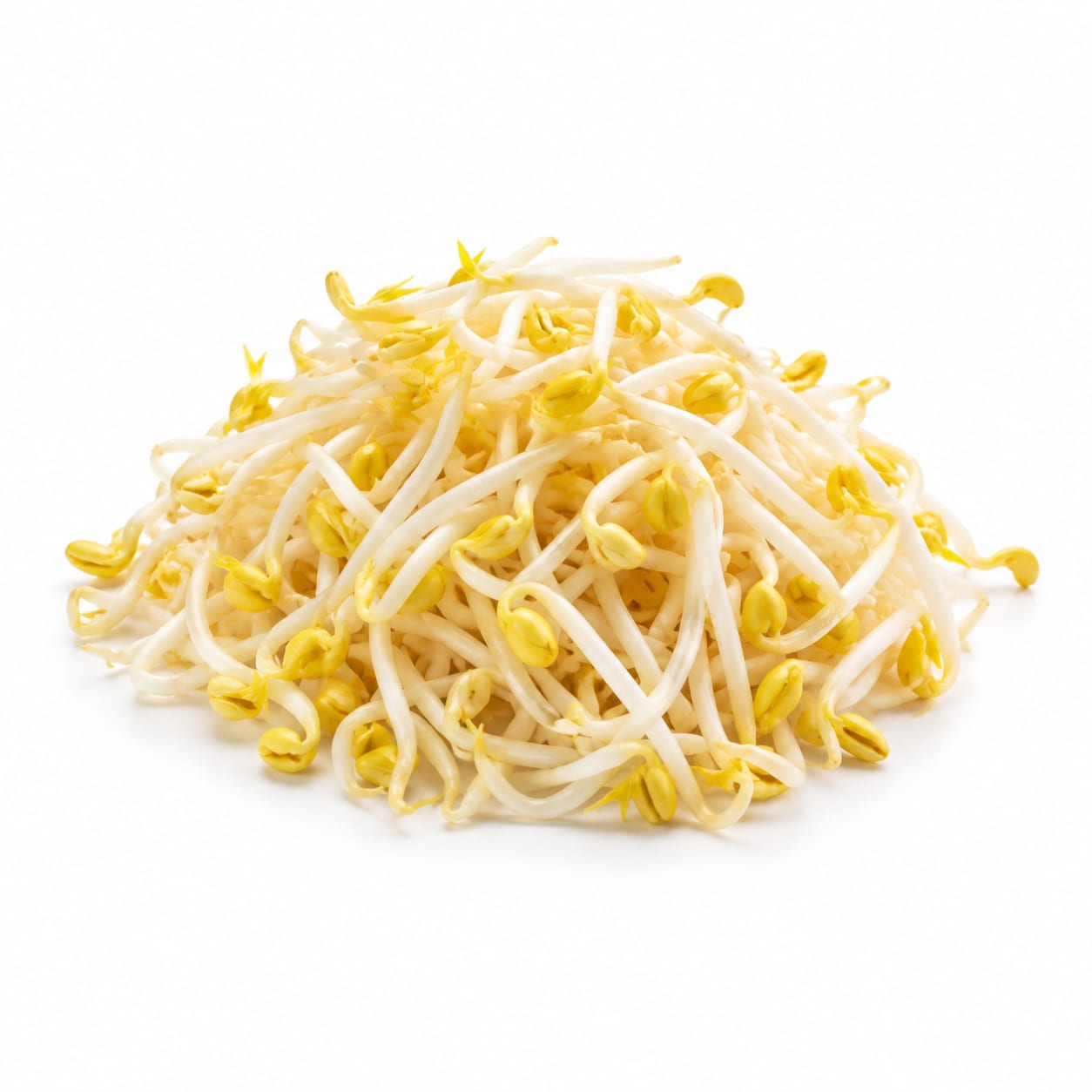
Soybean Sprouts
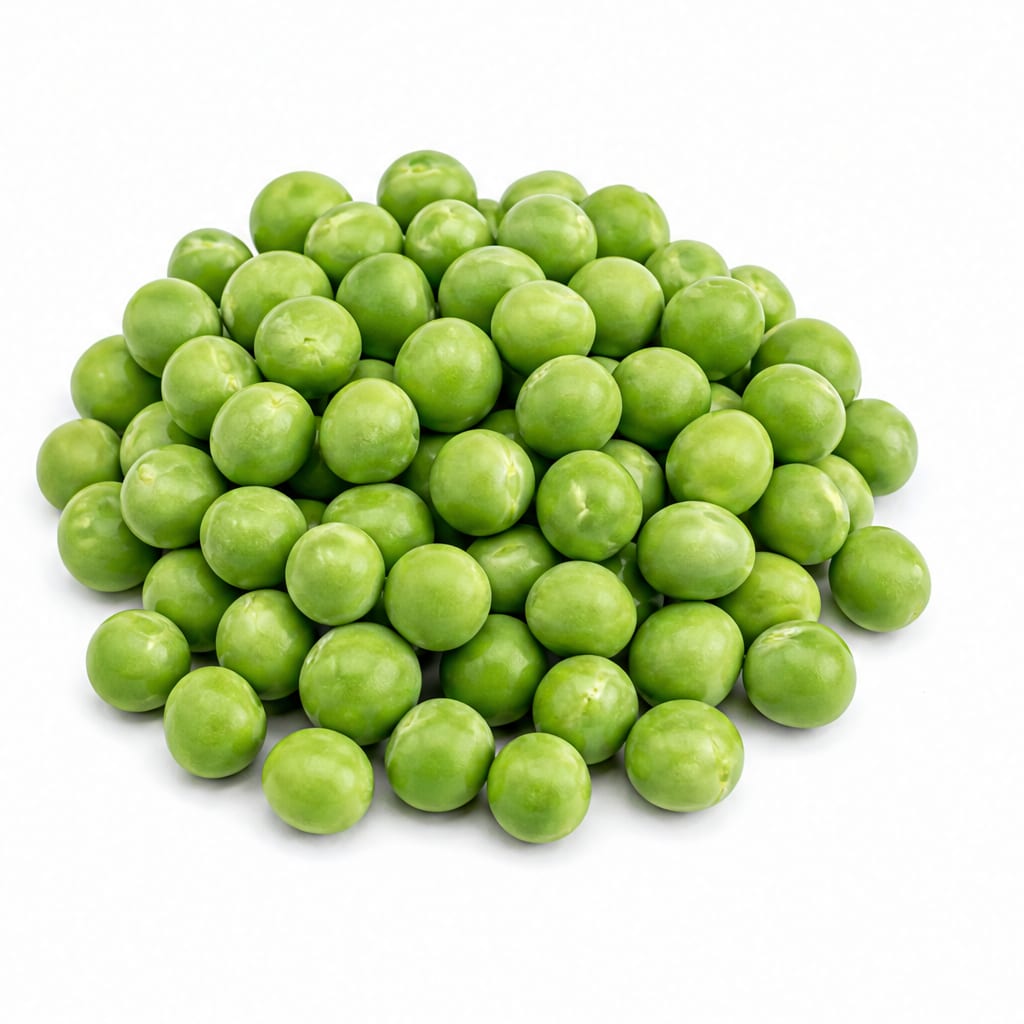
Green Peas
Green Peas offer more protein, fiber, and safety, while Soybean Sprouts shine for ultra-low calorie volume eating.
Green Peas score higher due to better protein, safety, and satiety, though Soybean Sprouts win for sheer low-calorie volume.
Satiety and nutritional density versus minimal calories and fresh crunch.
At a glance
Executive summary
Overall
It depends
Healthier
Green Peas
More practical
Green Peas
Daily use
Green Peas
Key comparison lenses
Food safety and contamination risk
Raw sprouts carry a high risk of bacterial contamination, a critical differentiator for vulnerable individuals.
Low-calorie volume eating vs satiating protein
Soybean Sprouts are extremely low in calories while Green Peas provide substantial protein and carbs for fullness.
Plant-based protein quality
Users comparing legumes often want to know which offers better muscle support and sustained energy.
Culinary convenience and storage
Sprouts are highly perishable while peas are easy to store frozen, impacting daily practicality.
Best choice for
Soybean Sprouts
- Volume eaters wanting a low-calorie crunch
- Those seeking a high Vitamin C boost
- People on very low-calorie diets
Green Peas
- People needing reliable plant-based protein
- Those wanting steady, lasting energy
- Families looking for safe, kid-friendly veggies
Least suitable for
Soybean Sprouts
- Pregnant women or immunocompromised individuals
- Those needing high protein from vegetables
Green Peas
- Strict low-carb dieters
- People watching calorie density closely
Deep comparison
Dimension by dimension
Each lens scores both foods and breaks down who each option suits.
- Dimension 1 · Priority 90Green Peas
Protein & Satiety
Soybean Sprouts · 40Green Peas · 85Green Peas provide significantly more protein and complex carbohydrates, making them far more filling.
Tradeoff
You trade the ultra-low calorie count of Soybean Sprouts for the staying power of Green Peas.
Why it matters
Meals that keep you full prevent overeating and energy crashes later in the day.
Real-world impact
A serving of Green Peas with lunch will keep you satisfied until dinner; Soybean Sprouts alone will leave you hungry again fast.
Soybean Sprouts
- Light snacking without feeling heavy
Better for
- Recovering from heavy exercise
Worse for
Green Peas
- Post-workout recovery
- Long workdays needing sustained energy
Better for
- Eating right before bed when you want something light
Worse for
- Dimension 2 · Priority 85Soybean Sprouts
Calorie Density & Weight Management
Soybean Sprouts · 95Green Peas · 60Soybean Sprouts are incredibly low in calories, allowing you to eat a massive volume for almost no caloric cost.
Tradeoff
You get more physical food on your plate but very little actual fuel or protein.
Why it matters
Volume eating can help with diet adherence by visually and physically filling the stomach.
Real-world impact
If you struggle with portion sizes, a huge mound of Soybean Sprouts feels like a big meal without the calorie guilt.
Soybean Sprouts
- Strict calorie counting
- Bulking out meals visually
Better for
- Fueling athletic performance
Worse for
Green Peas
- Nutrient-dense weight maintenance
Better for
- Very low-calorie diet phases
Worse for
- Dimension 3 · Priority 80It depends
Micronutrient Profile
Soybean Sprouts · 75Green Peas · 80Soybean Sprouts are rich in Vitamin C and K, while Green Peas deliver more folate, Vitamin A, and B vitamins.
Tradeoff
An immune-boosting antioxidant hit from sprouts versus cellular energy and DNA support from peas.
Why it matters
Different micronutrients serve different daily needs, from immune function to energy metabolism.
Real-world impact
Soybean Sprouts can help ward off a cold, while Green Peas better support cardiovascular and daily energy needs.
Soybean Sprouts
- Boosting collagen and skin health
- Supporting blood clotting and bone metabolism
Better for
- Meeting daily B-vitamin requirements
Worse for
Green Peas
- Prenatal nutrition and folate needs
- Supporting eye health
Better for
- Getting raw Vitamin C from a cooked side dish
Worse for
- Dimension 4 · Priority 95Green Peas
Food Safety & Digestion
Soybean Sprouts · 30Green Peas · 85Soybean Sprouts carry a well-documented risk of foodborne illness if eaten raw, whereas Green Peas are safe when cooked.
Tradeoff
The fresh, raw crunch of sprouts comes with a real bacterial contamination risk.
Why it matters
Foodborne illness can be severe, especially for vulnerable populations like pregnant women or the elderly.
Real-world impact
You must wash and preferably cook Soybean Sprouts to eat them safely, while frozen or cooked Green Peas are virtually risk-free.
Soybean Sprouts
- Adding texture to hot soups right before serving
Better for
- Raw salad bars
- Immune-compromised households
Worse for
Green Peas
- Safe meal prep for the whole family
- Packing lunches without refrigeration worries
Better for
- Those with severe legume intolerances
Worse for
- Dimension 5 · Priority 70Green Peas
Culinary Versatility & Convenience
Soybean Sprouts · 55Green Peas · 85Green Peas are easy to store frozen and toss into anything, while Soybean Sprouts are highly perishable and best used immediately.
Tradeoff
Pantry-stable convenience versus fresh, crunchy texture.
Why it matters
Inconvenient foods often get wasted or skipped on busy days.
Real-world impact
Keeping a bag of Green Peas in the freezer means you always have a veggie ready; Soybean Sprouts require a prompt grocery trip and careful storage.
Soybean Sprouts
- Korean and Asian stir-fry dishes
- Garnishing for texture
Better for
- Meal prepping days in advance
Worse for
Green Peas
- Quick weeknight pastas and curries
- Emergency vegetable side dishes
Better for
- Providing a fresh, raw crunch
Worse for
Timeline
Health impact over time
Short-term
Hours to days
Soybean Sprouts
- Light, low-calorie fullness
- Quick Vitamin C boost
- Potential stomach upset if not washed properly
Green Peas
- Sustained energy from complex carbs and protein
- Stable blood sugar
- Slight bloating if sensitive to high fiber
Long-term
Months to years
Soybean Sprouts
- Supports collagen production via Vitamin C
- Risk of foodborne illness if frequently consumed raw
- May aid in weight maintenance due to low calories
Green Peas
- Supports muscle maintenance with plant protein
- Promotes heart health with soluble fiber
- Steady blood sugar management over time
Risk profile
Safety & processing
Both are whole, natural plant foods with minimal processing, though frozen Green Peas may be briefly blanched before freezing.
Soybean Sprouts
Bacterial contamination (Salmonella, E. coli)
highSprouts grow in warm, humid conditions ideal for bacteria. Raw consumption is risky, especially for pregnant women.
Rapid spoilage
mediumHighly perishable and can become slimy or develop an off-smell quickly if not stored properly.
Green Peas
Pesticide residue
lowConventionally grown peas may have some residue, but they are generally lower on the risk lists and easily washed.
Lectin content
lowRaw peas contain lectins, but cooking completely neutralizes this concern.
Who wins for whom
Audience fit
Same foods, different winners depending on your goal.
children
Green PeasGreen Peas are safe, sweet, and easy to chew, whereas raw Soybean Sprouts pose a food safety risk for young immune systems.
daily consumption
Green PeasGreen Peas are safer, more convenient, and offer a better balance of macronutrients for everyday meals.
diabetes
Green PeasGreen Peas have a low glycemic index and their high fiber and protein content stabilize blood sugar better than sprouts alone.
elderly
Green PeasThe food safety profile of Green Peas is much safer for older adults, and they provide more protein to prevent muscle loss.
muscle gain
Green PeasGreen Peas provide substantially more protein and carbohydrates needed for muscle recovery and growth.
weight loss
Soybean SproutsSoybean Sprouts offer massive volume for almost zero calories, making it easier to stay in a deficit.
Your move
Decision guide
Choose Soybean Sprouts
- You are volume eating to cut calories
- You want a fresh, crunchy topping for stir-fries or salads
- You are willing to cook them to eliminate safety risks
Choose Green Peas
- You need a reliable, easy plant-based protein source
- You want a safe, storable vegetable for family meals
- You need long-lasting satiety from your side dishes
Either works if
- You are building a nutrient-dense Buddha bowl
- You want to increase your daily vegetable intake
- You are looking for whole-food fiber sources
Avoid both if
- You have a severe soy or legume allergy
- You are on a strict zero-carb diet
Final recommendation
Make Green Peas your everyday veggie staple for their protein, safety, and convenience, but enjoy Soybean Sprouts occasionally when you crave their unique crunch and want a low-calorie volume boost—just be sure to cook them first.
Practical
Consumer tips
- 1
Always wash Soybean Sprouts thoroughly and ideally blanch or cook them to kill potential bacteria.
- 2
Keep frozen Green Peas on hand for an easy nutrient boost to soups, rice, and pasta.
- 3
Mix both into a stir-fry for a combination of crunch, protein, and varied nutrients.
- 4
Check the sell-by date on Soybean Sprouts and use them within a day or two of purchase.
- 5
If eating Soybean Sprouts raw, look for specifically labeled hydroponic options, though cooking is still the safest bet.