
Nutrition comparison
Soybean Sprouts vs Broccoli Sprouts: Nutrition, Safety & Benefits
Compare Soybean Sprouts vs Broccoli Sprouts. Discover which is better for protein, which wins for antioxidants, and the critical food safety facts you need to know.
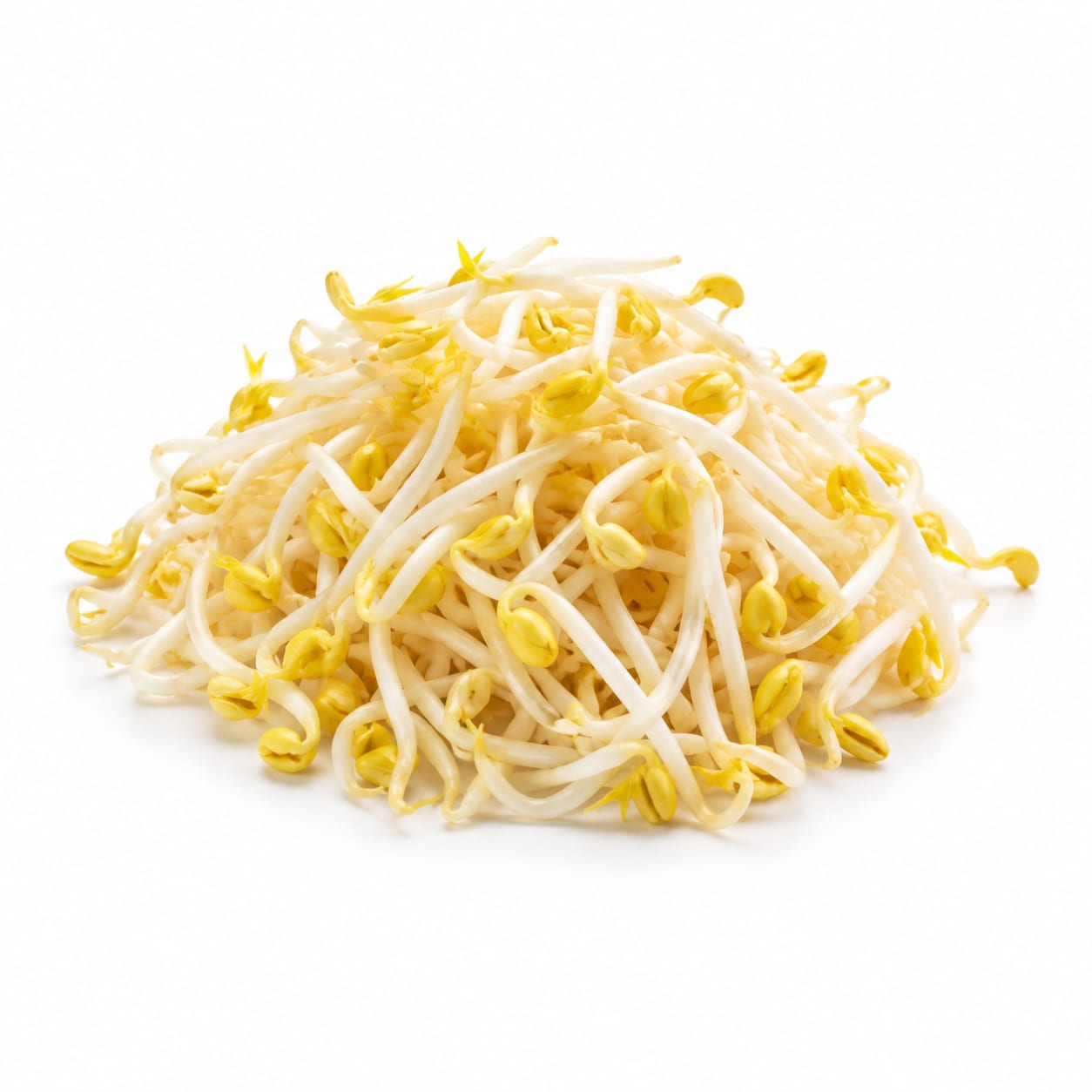
Soybean Sprouts
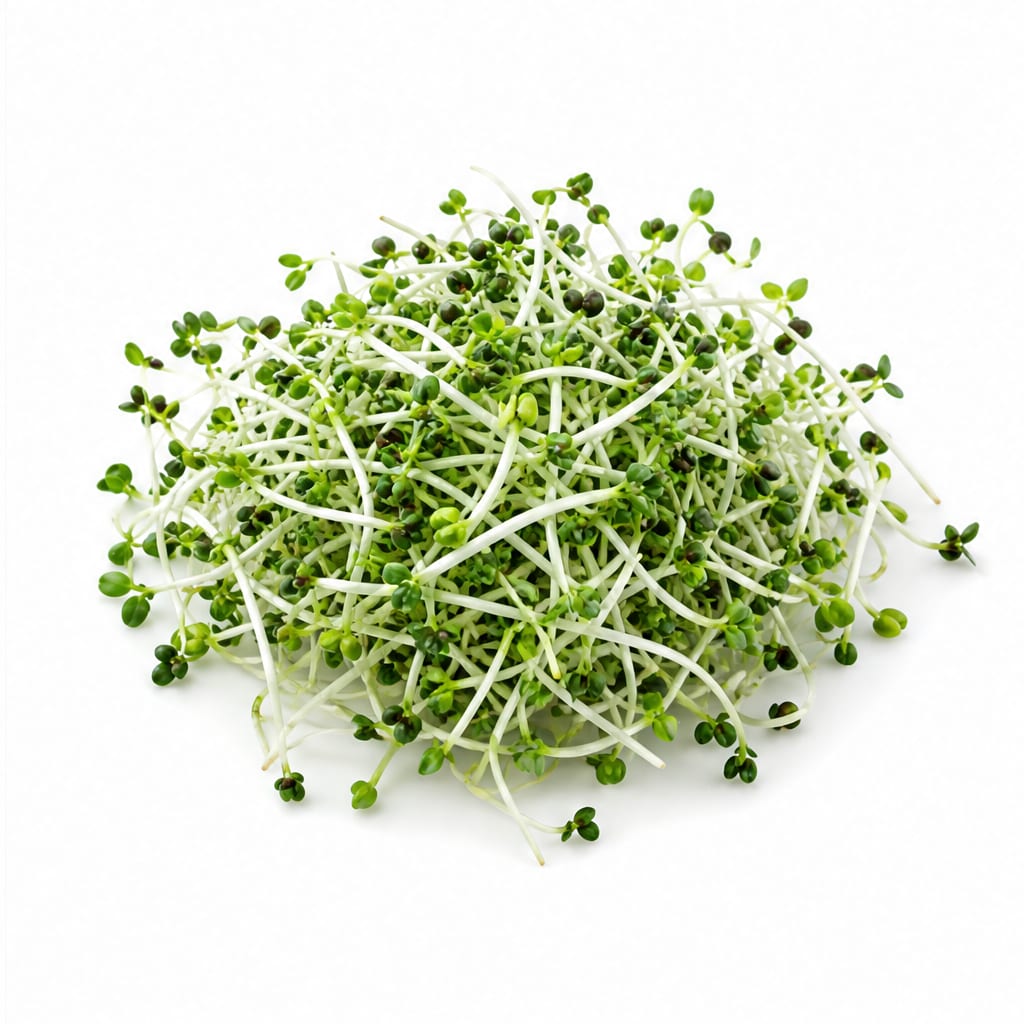
Broccoli Sprouts
Broccoli Sprouts are a microscopic longevity powerhouse, while Soybean Sprouts are a heartier, protein-rich food that anchors a meal.
Broccoli Sprouts score higher due to their unmatched sulforaphane content and anti-inflammatory potential, but Soybean Sprouts remain highly valuable for their protein density and satiety.
You choose between Broccoli Sprouts for unmatched cellular defense or Soybean Sprouts for actual fullness and meal substance.
At a glance
Executive summary
Overall
It depends
Healthier
Broccoli Sprouts
More practical
Soybean Sprouts
Daily use
Soybean Sprouts
Key comparison lenses
antioxidant and cellular defense
Broccoli Sprouts are the top natural source of sulforaphane, a potent compound for cellular defense, while Soybean Sprouts offer different isoflavone antioxidants.
food safety and preparation
Raw Soybean Sprouts are toxic and must be cooked, whereas Broccoli Sprouts are eaten raw but carry a high bacterial contamination risk.
protein and satiety
Soybean Sprouts provide significantly more plant protein, making them more filling and substantive in meals.
Best choice for
Soybean Sprouts
- People wanting more plant protein in their diet
- Those seeking a filling, low-calorie meal base
- Anyone needing a crunchy, cooked side dish for Asian-style meals
Broccoli Sprouts
- Longevity optimizers seeking sulforaphane benefits
- People wanting to reduce cellular inflammation
- Those looking for a potent raw topping for salads or sandwiches
Least suitable for
Soybean Sprouts
- People with soy allergies or sensitivities
- Anyone avoiding cooked foods or wanting a raw garnish
- Those concerned about the hormonal effects of soy isoflavones
Broccoli Sprouts
- Immunocompromised individuals due to raw sprout contamination risks
- People wanting a filling or substantial part of a meal
- Those unwilling to source carefully or practice strict food hygiene
Deep comparison
Dimension by dimension
Each lens scores both foods and breaks down who each option suits.
- Dimension 1 · Priority 95Broccoli Sprouts
antioxidant_power
Soybean Sprouts · 70Broccoli Sprouts · 98Broccoli Sprouts contain sulforaphane, one of the most potent natural activators of cellular defense mechanisms.
Tradeoff
Soybean Sprouts offer isoflavones which support bone and heart health, but they lack the direct cellular detox punch of sulforaphane.
Why it matters
Sulforaphane helps your cells fight off everyday environmental toxins and oxidative stress far more efficiently.
Real-world impact
Eating Broccoli Sprouts regularly is like putting premium armor on your cells; Soybean Sprouts are more like a solid daily vitamin.
Soybean Sprouts
- Menopausal women seeking phytoestrogen benefits
Better for
- Acute inflammation and cellular defense
Worse for
Broccoli Sprouts
- Anyone focused on longevity and anti-aging
- People exposed to high pollution or environmental toxins
Better for
- Hormonal balancing benefits specific to phytoestrogens
Worse for
- Dimension 2 · Priority 85Soybean Sprouts
protein_and_satiety
Soybean Sprouts · 88Broccoli Sprouts · 35Soybean Sprouts have roughly three times more protein, making them genuinely filling rather than just a garnish.
Tradeoff
You get real substance and fullness from Soybean Sprouts, whereas Broccoli Sprouts are too light to stave off hunger.
Why it matters
Protein is key for staying satisfied between meals and maintaining muscle, something a handful of Broccoli Sprouts cannot do.
Real-world impact
A bowl of Soybean Sprouts can be a snack; Broccoli Sprouts are just a topping because they vanish in your stomach.
Soybean Sprouts
- Post-workout recovery
- Keeping hunger away for hours
Better for
- Being a zero-calorie garnish
Worse for
Broccoli Sprouts
- Adding crunch without adding calories
Better for
- Acting as a standalone fuel source
Worse for
- Dimension 3 · Priority 90Soybean Sprouts
food_safety_and_prep
Soybean Sprouts · 75Broccoli Sprouts · 50Soybean Sprouts must be cooked to neutralize toxins, which also kills bacteria. Broccoli Sprouts are eaten raw, leaving bacterial risk intact.
Tradeoff
Cooking Soybean Sprouts makes them safe but destroys some vitamin C. Eating Broccoli Sprouts raw preserves sulforaphane but risks food poisoning.
Why it matters
Sprouts are notorious for harboring Salmonella and E. coli, so how you handle them directly impacts your health.
Real-world impact
You can confidently cook a batch of Soybean Sprouts for the week. With Broccoli Sprouts, you eat them raw and pray your source was clean.
Soybean Sprouts
- Meal preppers who cook in bulk
- People with weaker immune systems who need cooked food
Better for
- Eating them raw straight from the container
Worse for
Broccoli Sprouts
- Raw food dieters
- Maximizing sulforaphane absorption
Better for
- Immunocompromised individuals
- Pregnant women
Worse for
Timeline
Health impact over time
Short-term
Hours to days
Soybean Sprouts
- Provides steady energy from protein and complex carbs
- Can cause bloating if you are sensitive to soy or undercook them
Broccoli Sprouts
- Delivers a quick, light nutrient hit without feeling heavy
- Raw consumption can trigger stomach upset if bacteria are present
Long-term
Months to years
Soybean Sprouts
- Isoflavones may support bone density and heart health
- Consistent plant protein intake aids muscle maintenance as you age
Broccoli Sprouts
- Sulforaphane may significantly lower the risk of chronic diseases and cancers
- Consistent intake supports the body's natural detoxification pathways
Risk profile
Safety & processing
Both are whole, living foods that you simply sprout from seeds. Neither contains additives unless purchased pre-packaged with preservatives.
Soybean Sprouts
Lectin and trypsin inhibitor toxicity
highRaw Soybean Sprouts contain natural toxins that cause severe nausea and GI distress. They must always be thoroughly cooked.
Bacterial contamination
mediumLike all sprouts, they are a breeding ground for bacteria, but the mandatory cooking step neutralizes this risk.
Broccoli Sprouts
Salmonella and E. coli
highBecause they must be eaten raw to preserve sulforaphane, bacterial contamination from the seeds is a serious and common risk.
Digestive discomfort
lowRaw cruciferous sprouts can cause gas or bloating in sensitive individuals, especially in large amounts.
Who wins for whom
Audience fit
Same foods, different winners depending on your goal.
children
Soybean SproutsThoroughly cooked Soybean Sprouts eliminate the dangerous bacterial contamination risks associated with raw Broccoli Sprouts, making them safer for kids.
daily consumption
Soybean SproutsCooked Soybean Sprouts are safer and more versatile as a daily side dish, while daily raw Broccoli Sprouts increase cumulative food poisoning risk.
diabetes
Broccoli SproutsSulforaphane has been shown to improve insulin sensitivity and help regulate blood sugar more directly than soy isoflavones.
elderly
Soybean SproutsThe protein helps prevent muscle loss, and cooking ensures food safety for older immune systems that are more vulnerable to foodborne illness.
muscle gain
Soybean SproutsSoybean Sprouts provide actual protein necessary for muscle repair, whereas Broccoli Sprouts offer negligible macronutrient support.
weight loss
Broccoli SproutsBroccoli Sprouts are extremely low in calories while providing intense flavor and nutrients, making them a perfect freebie topping for volumizing meals.
Your move
Decision guide
Choose Soybean Sprouts
- You want a filling, protein-rich side dish for rice or noodles
- You are meal-prepping and need food that stores and reheats safely
- You want the bone and heart benefits of soy isoflavones
Choose Broccoli Sprouts
- You are focused on longevity and maximizing your antioxidant intake
- You want a raw, peppery crunch to top salads or avocado toast
- You are willing to source high-quality seeds and practice strict hygiene
Either works if
- You just want a crunchy, low-calorie way to add nutrients to a boring meal
- You are trying to eat more living foods and increase your vegetable variety
Avoid both if
- You are pregnant and avoiding the food poisoning risks of all raw or lightly cooked sprouts
- You have a severely compromised immune system
Final recommendation
Use Broccoli Sprouts as a small, potent daily garnish for cellular defense, and rely on Soybean Sprouts as a cooked, satisfying base for actual meals. Mixing both approaches gives you the best of protein and longevity benefits.
Practical
Consumer tips
- 1
Always boil or stir-fry Soybean Sprouts for at least 5 minutes to destroy harmful lectins.
- 2
To maximize sulforaphane in Broccoli Sprouts, chew them thoroughly or add a pinch of mustard powder to activate the enzyme.
- 3
Grow Broccoli Sprouts at home using sanitized jars to drastically reduce the risk of bacterial contamination compared to store-bought.
- 4
Store both in the coldest part of your fridge and consume within 2-3 days of purchase or harvest.