
Nutrition comparison
Soybean Sprouts vs Chickpeas: Which Is Better for Weight Loss, Protein, and Daily Nutrition?
Compare soybean sprouts and chickpeas on protein, calories, satiety, food safety, and meal prep practicality. Find out which legume fits your health goals better.
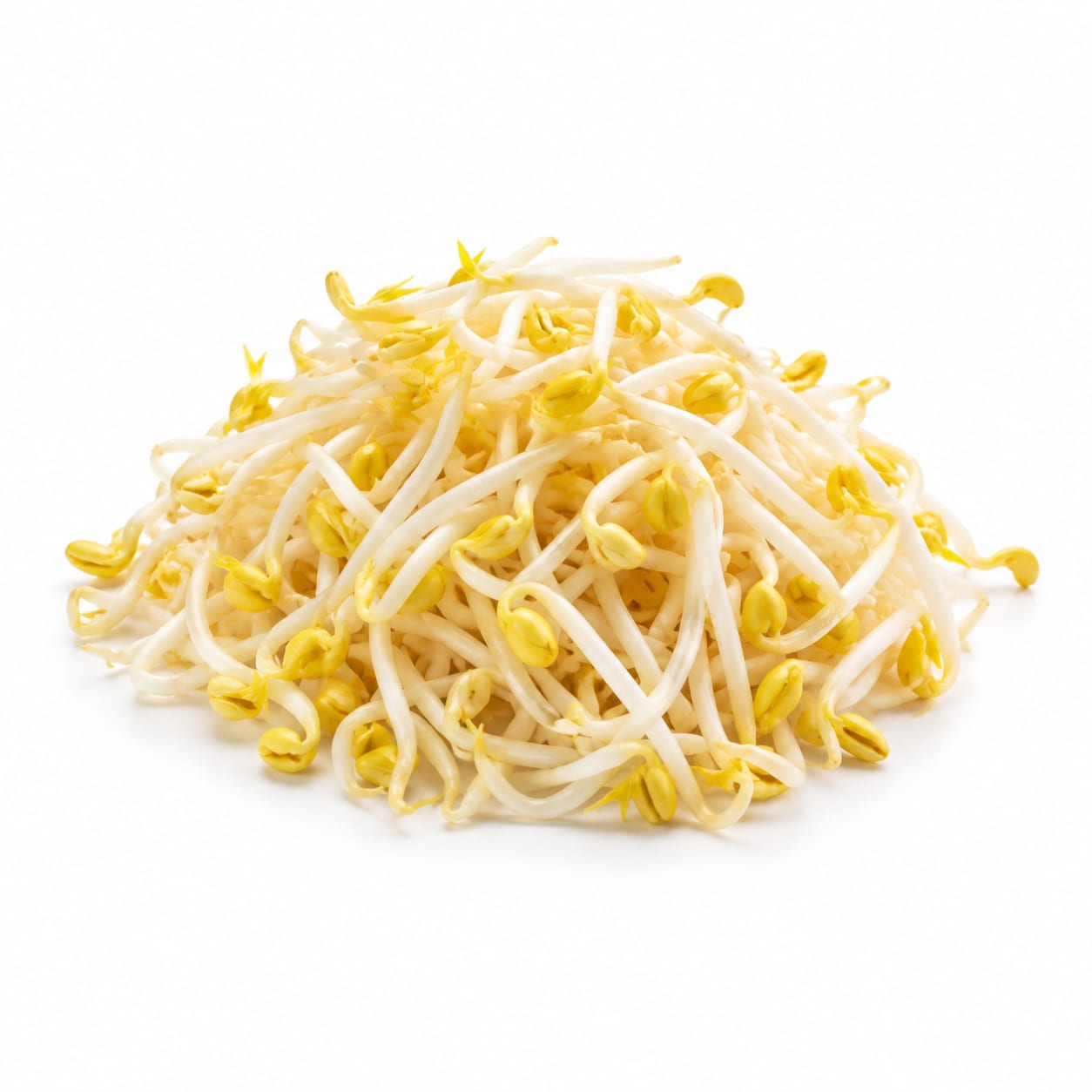
Soybean Sprouts
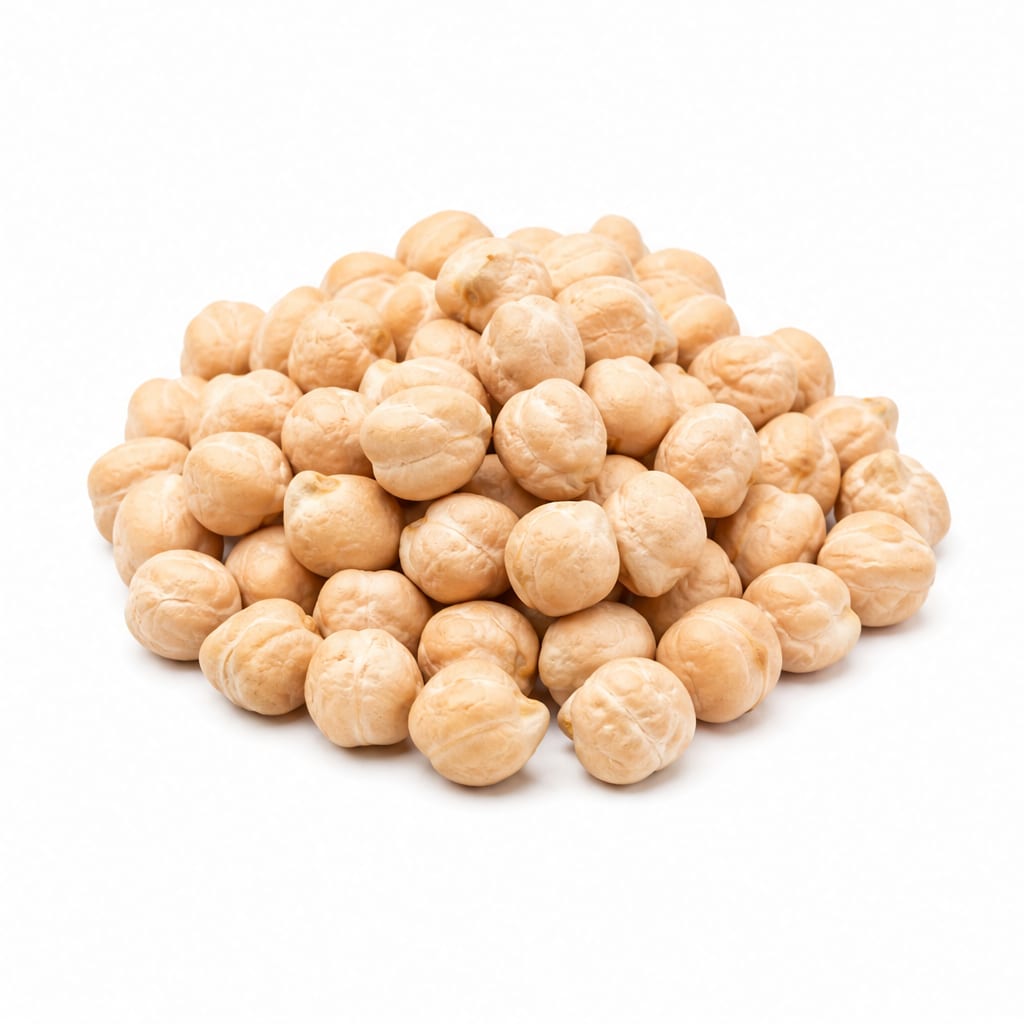
Chickpeas
Chickpeas are the more complete, satisfying, and practical staple. Soybean sprouts shine when you want maximum food volume with minimal calories or a crunchy vitamin C boost.
Chickpeas score notably higher due to superior protein, fiber, satiety, safety, and versatility. Soybean sprouts earn their place for low-calorie volume and vitamin C but are limited as a dietary staple.
Satiety and protein versus calorie density and freshness. Chickpeas fill you up for hours; soybean sprouts let you eat a large portion for almost no calories but leave you hungry sooner.
At a glance
Executive summary
Overall
It depends
Healthier
Chickpeas
More practical
Chickpeas
Daily use
Chickpeas
Key comparison lenses
weight loss vs satiety tradeoff
Soybean sprouts offer extreme low-calorie volume while chickpeas provide lasting fullness — a core tension for anyone managing weight
protein and meal substance
Chickpeas deliver significantly more protein and substance, making them a meal anchor while soybean sprouts are more of a side dish
food safety concerns with sprouts
Raw or lightly cooked sprouts carry a real bacterial contamination risk that chickpeas do not
blood sugar management
Chickpeas provide steadier blood sugar due to fiber and protein, while sprouts alone lack staying power
everyday practicality and meal prep
Chickpeas store well and are versatile; soybean sprouts spoil quickly and have limited culinary roles
Best choice for
Soybean Sprouts
- Low-calorie volume eaters who want big portions
- People seeking fresh crunch and vitamin C
- Light side dish or salad toppers
- Those on aggressive calorie restriction
Chickpeas
- People needing sustained energy and fullness
- Plant-based protein seekers
- Meal preppers wanting shelf-stable staples
- Anyone managing blood sugar
Least suitable for
Soybean Sprouts
- People with compromised immune systems due to contamination risk
- Those needing protein-dense meals
- Anyone looking for a standalone satisfying dish
Chickpeas
- People strictly limiting calories per meal
- Those with severe legume intolerance or IBS flares
- Anyone wanting a light refreshing crunch
Deep comparison
Dimension by dimension
Each lens scores both foods and breaks down who each option suits.
- Dimension 1 · Priority 95Chickpeas
satiety_and_fullness
Soybean Sprouts · 30Chickpeas · 88Chickpeas keep you full for hours. Soybean sprouts disappear from your stomach fast.
Tradeoff
You get more bites with sprouts but far more lasting satisfaction with chickpeas.
Why it matters
Satiety drives whether you snack again an hour later or stay content until your next meal.
Real-world impact
A chickpea bowl at lunch often carries you to dinner. A sprout-heavy meal leaves you hunting for snacks by 3pm.
Soybean Sprouts
- When you want to eat a large volume without feeling heavy
Better for
- As a standalone lunch during a busy workday
Worse for
Chickpeas
- When you need one meal to hold you for 4-5 hours
- Before a busy stretch with no snack access
Better for
- When you want a light refreshing meal on a hot day
Worse for
- Dimension 2 · Priority 90Chickpeas
protein_content_and_quality
Soybean Sprouts · 25Chickpeas · 82Chickpeas provide nearly three times the protein per serving. Soybean sprouts are not a meaningful protein source.
Tradeoff
Sprouts offer freshness and crunch but almost no protein. Chickpeas are a legitimate plant protein anchor.
Why it matters
Protein drives muscle maintenance, satiety, and metabolic health — especially on plant-based diets.
Real-world impact
Adding chickpeas to a salad makes it a real meal. Adding sprouts just makes it crunchier.
Soybean Sprouts
- As a garnish where protein comes from elsewhere
Better for
- As your main protein source at any meal
Worse for
Chickpeas
- As the primary protein in a plant-based bowl
- Post-workout recovery meals
Better for
- When you already have ample protein and want lightness
Worse for
- Dimension 3 · Priority 85Soybean Sprouts
calorie_efficiency_and_volume_eating
Soybean Sprouts · 92Chickpeas · 45Soybean sprouts let you eat a massive pile for roughly 30 calories per cup. Chickpeas are calorie-dense by comparison.
Tradeoff
Volume and lightness versus substance and energy. Big plate of sprouts or modest bowl of chickpeas for similar calories.
Why it matters
For aggressive calorie restriction, volume eating reduces psychological deprivation significantly.
Real-world impact
You can eat three cups of sprouts as a side for under 100 calories. Three cups of chickpeas would be over 400 calories.
Soybean Sprouts
- Aggressive calorie-cutting phases
- When you want to feel like you ate a lot without the caloric cost
Better for
- Recovery from illness when you need caloric nourishment
Worse for
Chickpeas
- When you need calories to fuel activity
- For athletes or underweight individuals
Better for
- Strict portion-controlled diets where every calorie counts
Worse for
- Dimension 4 · Priority 82Chickpeas
blood_sugar_stability
Soybean Sprouts · 40Chickpeas · 85Chickpeas deliver steady energy with minimal blood sugar spikes. Soybean sprouts alone lack the fiber and protein to stabilize glucose.
Tradeoff
Sprouts are low-carb but lack staying power. Chickpeas have carbs but the fiber-protein combo prevents crashes.
Why it matters
Stable blood sugar means fewer cravings, better focus, and more consistent energy throughout the day.
Real-world impact
Chickpeas at lunch mean no afternoon energy dip. Sprouts alone may leave you reaching for something sweet an hour later.
Soybean Sprouts
- Very low-carb eating windows
Better for
- As a solo snack for anyone prone to blood sugar dips
Worse for
Chickpeas
- Diabetes or prediabetes management
- Sustained afternoon energy without crashes
Better for
- Strict ketogenic diets
Worse for
- Dimension 5 · Priority 80Chickpeas
food_safety
Soybean Sprouts · 35Chickpeas · 90Sprouts are a well-documented foodborne illness risk. Chickpeas, especially canned or thoroughly cooked, are far safer.
Tradeoff
Fresh crunch and raw vitality versus significantly lower contamination risk.
Why it matters
Salmonella and E. coli outbreaks linked to sprouts are common enough that immunocompromised people are advised to avoid them entirely.
Real-world impact
Pregnant women, elderly individuals, and anyone with weakened immunity should skip raw sprouts. Chickpeas carry no such warning.
Soybean Sprouts
- Healthy adults who cook sprouts thoroughly
Better for
- Raw or lightly cooked for at-risk populations
Worse for
Chickpeas
- Pregnant women and immunocompromised individuals
- Anyone concerned about food safety
Better for
- Canned versions with high sodium if not rinsed
Worse for
- Dimension 6 · Priority 72It depends
vitamin_and_micronutrient_profile
Soybean Sprouts · 70Chickpeas · 75Soybean sprouts excel in vitamin C and K. Chickpeas dominate in folate, iron, and several B vitamins. Different strengths.
Tradeoff
Fresh vitamin C boost from sprouts versus deeper mineral and B-vitamin coverage from chickpeas.
Why it matters
Vitamin C supports immunity and iron absorption. Folate and iron are critical for energy and blood health.
Real-world impact
Sprouts add a fresh nutrient pop to a meal. Chickpeas build a stronger nutritional foundation over time.
Soybean Sprouts
- Boosting vitamin C intake naturally
- Supporting iron absorption when paired with iron-rich foods
Better for
- As a sole source of minerals like iron and zinc
Worse for
Chickpeas
- Sustained folate and iron intake over weeks
- Plant-based diets needing B-vitamin support
Better for
- Fresh vitamin C — chickpeas provide essentially none
Worse for
- Dimension 7 · Priority 70Chickpeas
convenience_and_meal_prep
Soybean Sprouts · 40Chickpeas · 85Chickpeas store for months, work in dozens of recipes, and reheat well. Soybean sprouts spoil in days and have limited uses.
Tradeoff
Culinary versatility and shelf stability versus fresh crunch that fades fast.
Why it matters
Food that spoils quickly gets wasted. Food that sits patiently in your pantry actually gets eaten.
Real-world impact
Canned chickpeas are a 30-second meal upgrade. Sprouts require a grocery run and same-day use or they turn slimy.
Soybean Sprouts
- Quick blanch as a last-minute side dish
Better for
- Anyone who grocery shops once a week
Worse for
Chickpeas
- Weekly meal prep and batch cooking
- Pantry staples for impromptu meals
Better for
- When you want something raw and immediately fresh
Worse for
- Dimension 8 · Priority 65It depends
digestive_tolerance
Soybean Sprouts · 60Chickpeas · 55Both can cause digestive issues but in different ways. Chickpeas produce gas from oligosaccharides. Sprouts can be hard to digest raw.
Tradeoff
Gas and bloating from chickpeas versus potential raw-digestion discomfort from sprouts.
Why it matters
Digestive comfort affects whether you actually want to eat a food regularly regardless of its nutrition.
Real-world impact
Some people avoid chickpeas before social events. Others find raw sprouts sit heavy despite being low-calorie.
Soybean Sprouts
- People who tolerate raw foods well and eat small portions
Better for
- People with sensitive digestion who struggle with raw vegetables
Worse for
Chickpeas
- Those who gradually adapt to legumes and benefit from their fiber
Better for
- During IBS flare-ups when fermentable fibers are problematic
Worse for
Timeline
Health impact over time
Short-term
Hours to days
Soybean Sprouts
- Very light feeling after eating — minimal digestive load
- Quick vitamin C boost supporting immediate immune function
- Low risk of post-meal energy crash due to minimal carbohydrate content
- Possible stomach discomfort if eaten raw in large quantities
Chickpeas
- Noticeable fullness and satisfaction lasting several hours
- Steady energy without blood sugar spikes or dips
- Possible gas and bloating within hours of eating, especially if unused to legumes
- Gradual improvement in digestive regularity with consistent intake
Long-term
Months to years
Soybean Sprouts
- Consistent vitamin K intake supports bone density over time
- Very low calorie density helps maintain lower body weight if used strategically
- Risk of inadequate protein and energy if relied on as a primary food
- Repeated consumption of raw sprouts slightly elevates cumulative foodborne illness risk
Chickpeas
- Regular legume consumption linked to lower cardiovascular disease risk
- Sustained fiber intake improves gut microbiome diversity over months
- Better long-term blood sugar regulation and diabetes risk reduction
- Consistent plant protein supports muscle maintenance especially in aging populations
Risk profile
Safety & processing
Both foods are whole and minimally processed in their natural forms. Canned chickpeas may contain added salt but are still recognizably whole food. Fresh soybean sprouts are as close to unprocessed as it gets, though rinsing is essential for safety.
Soybean Sprouts
Bacterial contamination (Salmonella, E. coli)
highSprouts grow in warm humid conditions ideal for bacterial multiplication. Multiple outbreaks have been documented. Cooking thoroughly reduces risk significantly.
Spoilage and slime formation
mediumSprouts deteriorate within 2-3 days of purchase. Slimy or foul-smelling sprouts should always be discarded.
Chickpeas
Sodium in canned versions
mediumCanned chickpeas can contain 300-400mg sodium per serving. Rinsing removes roughly 30-40% of added sodium.
Undercooked dried chickpeas
lowInsufficiently cooked dried chickpeas can cause significant digestive distress. Always ensure they are fully tender.
Who wins for whom
Audience fit
Same foods, different winners depending on your goal.
children
ChickpeasChickpeas are safer, more filling, and easier to incorporate into kid-friendly meals like hummus. Raw sprouts carry contamination risk children are more vulnerable to.
daily consumption
ChickpeasChickpeas are a sustainable daily staple with broad nutritional coverage. Soybean sprouts are better as an occasional addition due to safety concerns and limited protein.
diabetes
ChickpeasThe fiber-protein combination in chickpeas produces a low glycemic response and steady blood sugar. Sprouts alone lack the macronutrient balance to stabilize glucose.
elderly
ChickpeasOlder adults benefit from chickpea protein for muscle preservation and fiber for regularity. Sprouts pose a higher food safety risk for aging immune systems.
muscle gain
ChickpeasChickpeas provide substantially more protein per serving and per calorie, making them far more useful for muscle maintenance and growth.
weight loss
It dependsSoybean sprouts win for aggressive calorie restriction and volume eating. Chickpeas win for sustainable weight loss because their satiety prevents overeating later.
Your move
Decision guide
Choose Soybean Sprouts
- You want maximum food volume for minimal calories
- You need a fresh crunchy topping for bowls or stir-fries
- You are seeking extra vitamin C and K from whole food
- You enjoy Asian-style side dishes and want authenticity
Choose Chickpeas
- You need a filling protein source that carries you between meals
- You want a versatile pantry staple for weekly meal prep
- You are managing blood sugar, diabetes risk, or sustained energy
- You are eating plant-based and need reliable protein and iron
Either works if
- You want more plant diversity in your diet
- You are building a grain bowl and could use either as a component
- You tolerate legumes well and enjoy both textures
Avoid both if
- You have a severe legume or soy allergy
- You are in an active IBS flare and cannot tolerate fermentable fibers
Final recommendation
Keep chickpeas as your everyday staple — they deliver the protein, fiber, and satiety that make a plant-forward diet sustainable. Add soybean sprouts as an occasional fresh crunch when you want volume and brightness, but always cook them thoroughly and never rely on them as a protein source. Think of chickpeas as the foundation and sprouts as the garnish.
Practical
Consumer tips
- 1
Always cook soybean sprouts thoroughly — a quick 2-minute blanch dramatically reduces contamination risk while preserving crunch
- 2
Rinse canned chickpeas well to remove roughly a third of the added sodium
- 3
Dried chickpeas are cheaper and lower in sodium but require overnight soaking and 60-90 minutes of cooking
- 4
Soybean sprouts should be consumed within 2 days of purchase and stored in the coldest part of your fridge
- 5
If you want the best of both worlds, add a handful of blanched sprouts on top of a chickpea bowl for crunch and vitamin C
- 6
Roasted chickpeas make a satisfying high-protein snack that keeps for days — sprouts cannot replicate this convenience
- 7
Start with small chickpea portions if you are not used to legumes and gradually increase to let your gut adapt