
Nutrition comparison
Soybean Sprouts vs Lentil Sprouts: Which Is Healthier for You?
Compare soybean sprouts and lentil sprouts on protein, digestion, hormones, and safety. Find out which sprout fits your diet best with this expert breakdown.
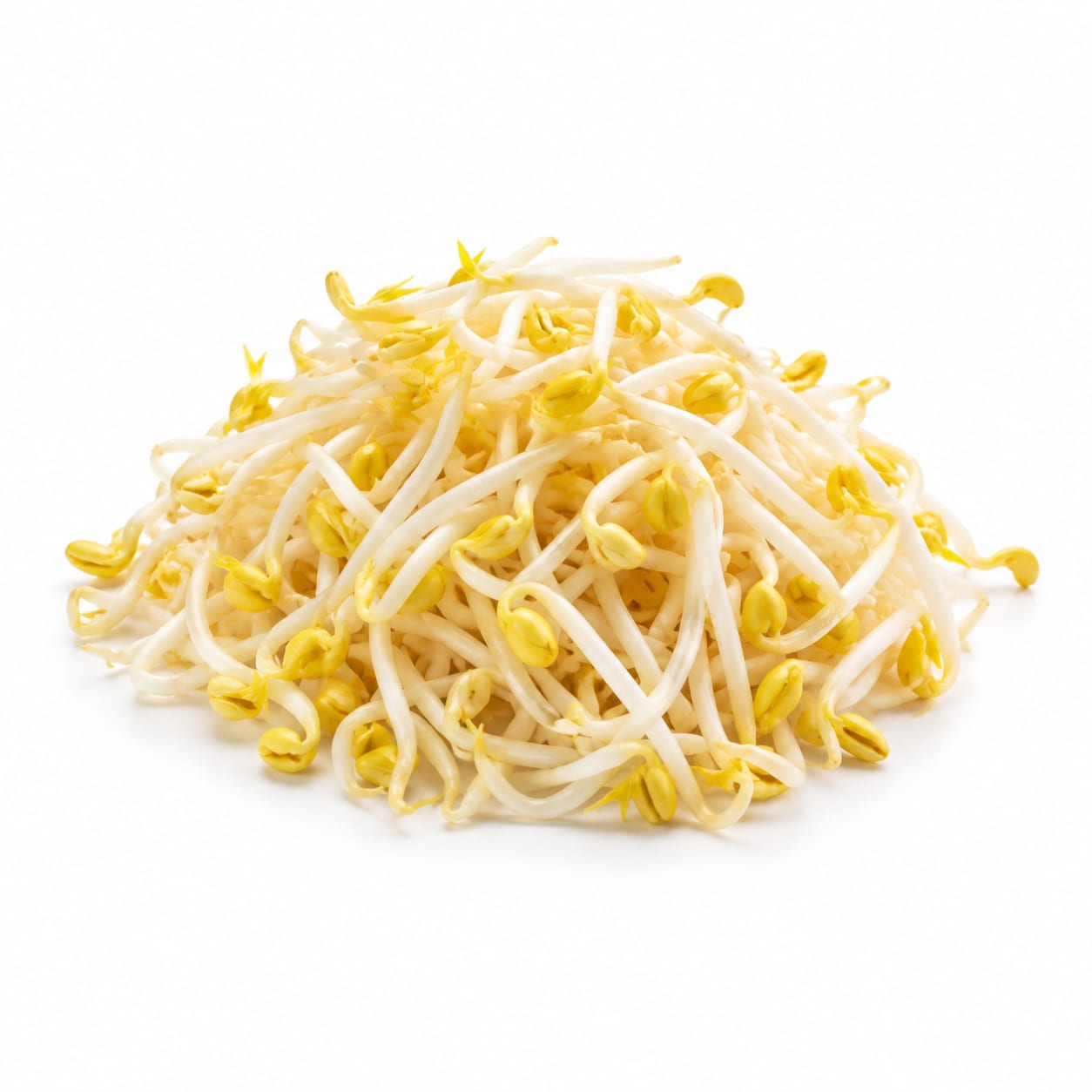
Soybean Sprouts
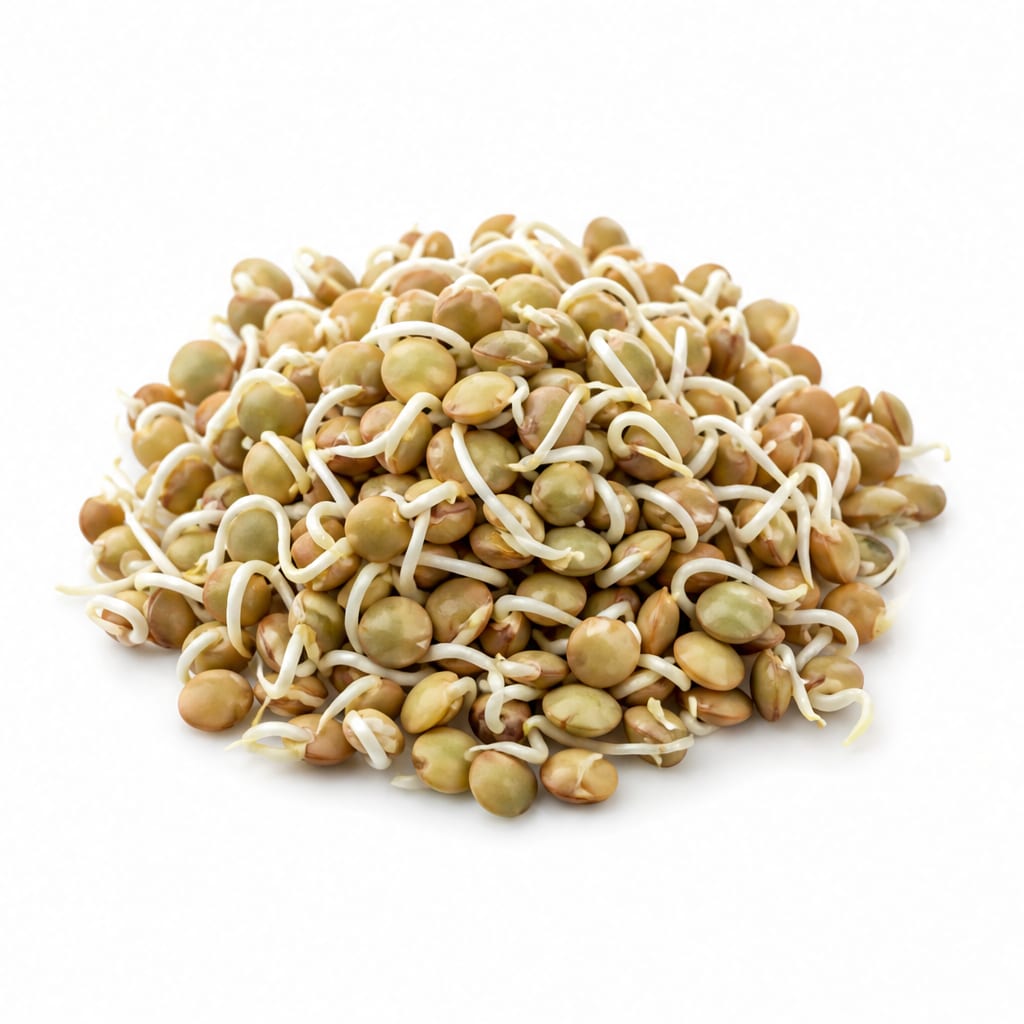
Lentil Sprouts
Lentil sprouts are lighter and hormone-neutral, while soybean sprouts deliver more protein and healthy fats but carry phytoestrogen considerations.
Lentil sprouts edge ahead due to broader tolerability and fewer hormonal concerns, but soybean sprouts win on protein density. The close scores reflect that both are genuinely healthy choices with different strengths.
More protein and satisfying mouthfeel from soybean sprouts versus cleaner hormonal profile and easier digestion from lentil sprouts.
At a glance
Executive summary
Overall
It depends
Healthier
It depends
More practical
Lentil Sprouts
Daily use
Lentil Sprouts
Key comparison lenses
protein quality and quantity
Both are prized as plant protein sources, so protein content and completeness is the primary decision driver
hormonal and phytoestrogen concerns
Soybean sprouts contain isoflavones which raise legitimate questions about hormonal effects that lentil sprouts avoid entirely
digestive tolerance and gas
Sprouted legumes differ significantly in how comfortable they are to eat, especially for sensitive stomachs
calorie density for weight management
Soybean sprouts are notably more calorie-dense due to higher fat content, which matters for portion-aware eaters
raw sprout safety
Both carry foodborne illness risk as raw sprouts, but preparation norms and contamination rates differ
Best choice for
Soybean Sprouts
- People wanting maximum plant protein per bite
- Those seeking crunchier texture in stir-fries and soups
- Anyone benefiting from soy isoflavones like menopausal women
- Budget-conscious cooks wanting versatile bulk protein
Lentil Sprouts
- People avoiding soy for hormonal or thyroid reasons
- Those with sensitive digestion who find soy gassy
- Anyone wanting lower-calorie sprouts for weight management
- Raw food enthusiasts preferring milder, tender sprouts
Least suitable for
Soybean Sprouts
- People with soy allergies or sensitivities
- Those on thyroid medication concerned about soy interference
- Anyone avoiding phytoestrogens due to hormone-sensitive conditions
- People wanting very low-calorie bulk food
Lentil Sprouts
- Those needing maximum protein density in small portions
- People wanting substantial fat content for satiety
- Anyone seeking the specific isoflavone benefits of soy
- Those who find lentil sprouts too bland or small
Deep comparison
Dimension by dimension
Each lens scores both foods and breaks down who each option suits.
- Dimension 1 · Priority 92Soybean Sprouts
protein_content_and_quality
Soybean Sprouts · 88Lentil Sprouts · 74Soybean sprouts deliver roughly 50% more protein per serving with a more complete amino acid profile than lentil sprouts.
Tradeoff
That extra protein comes with more calories and fat, which may not suit everyone's goals.
Why it matters
If you rely on sprouts as a meaningful protein source rather than just a garnish, soybean sprouts get you there faster.
Real-world impact
A cup of soybean sprouts contributes noticeably toward your daily protein target; lentil sprouts feel more like a light supplement.
Soybean Sprouts
- Athletes needing efficient plant protein
- Vegans trying to hit higher protein goals
- Anyone eating sprouts as a main dish component
Better for
- Anyone trying to minimize calorie density while still eating volume
Worse for
Lentil Sprouts
- Those who get protein elsewhere and want sprouts as a low-calorie accent
- People watching overall calorie intake closely
Better for
- People relying on sprouts as a primary protein source
Worse for
- Dimension 2 · Priority 88Lentil Sprouts
hormonal_and_phytoestrogen_profile
Soybean Sprouts · 55Lentil Sprouts · 95Lentil sprouts are hormonally neutral, while soybean sprouts contain isoflavones that can mimic estrogen in the body.
Tradeoff
Isoflavones may benefit some people but raise concerns for others with hormone-sensitive conditions or thyroid issues.
Why it matters
This is the single biggest differentiator. Soy phytoestrogens are well-studied but still debated, and individual response varies widely.
Real-world impact
For most healthy people, moderate soy is fine. But if you have a thyroid condition, hormone-sensitive cancer history, or are on thyroid medication, lentil sprouts remove that variable entirely.
Soybean Sprouts
- Postmenopausal women who may benefit from mild phytoestrogen intake
- People whose doctors have recommended soy for bone health
Better for
- People with hypothyroidism on medication
- Breast cancer survivors with ER+ tumors
Worse for
Lentil Sprouts
- Anyone with a history of hormone-sensitive conditions
- People on thyroid medication
- Those who prefer to avoid dietary phytoestrogens as a precaution
- Pregnant women being cautious about soy intake
Better for
- Women who specifically want isoflavone benefits during menopause
Worse for
- Dimension 3 · Priority 85Lentil Sprouts
digestive_comfort
Soybean Sprouts · 62Lentil Sprouts · 78Lentil sprouts are generally easier on the stomach, producing less gas and bloating than soybean sprouts for most people.
Tradeoff
Soybean sprouts contain oligosaccharides and trypsin inhibitors that can cause discomfort, though sprouting reduces both significantly.
Why it matters
If you avoid sprouts because they make you bloated, switching from soybean to lentil sprouts might solve that problem.
Real-world impact
After a lentil sprout salad, you are less likely to feel puffy or gassy compared to a similar portion of soybean sprouts.
Soybean Sprouts
- People who tolerate soy well and enjoy the heartier texture
- Those who cook sprouts thoroughly, which reduces digestive irritants
Better for
- People prone to bloating from legumes
- Those who eat raw sprouts in large quantities
Worse for
Lentil Sprouts
- Anyone with IBS or sensitive digestion
- People new to eating sprouted legumes regularly
- Those who eat sprouts raw in salads
Better for
- Nobody specifically — lentil sprouts are gentler across the board
Worse for
- Dimension 4 · Priority 78Lentil Sprouts
calorie_density_and_weight_management
Soybean Sprouts · 60Lentil Sprouts · 82Lentil sprouts are significantly lower in calories per cup, making them easier to eat in volume without overconsuming.
Tradeoff
Soybean sprouts provide more sustained energy from their fat content, but that same fat adds up quickly if you eat large portions.
Why it matters
For volume eaters who like big portions, lentil sprouts let you fill up without the calorie cost.
Real-world impact
A large bowl of lentil sprouts as a salad base feels light; the same bowl of soybean sprouts is more filling but noticeably heavier calorie-wise.
Soybean Sprouts
- People who want sprouts to actually feel like a substantial part of a meal
- Those needing healthy fats in their diet
Better for
- Those who mindlessly eat large portions and want to avoid calorie creep
Worse for
Lentil Sprouts
- Anyone actively losing weight
- Volume eaters who want big portions
- People tracking calories carefully
Better for
- People who find low-calorie foods unsatisfying and end up overeating later
Worse for
- Dimension 5 · Priority 72Soybean Sprouts
nutrient_density_beyond_protein
Soybean Sprouts · 80Lentil Sprouts · 75Soybean sprouts offer more vitamin K, folate, and healthy fats, while lentil sprouts provide slightly more vitamin C and certain minerals.
Tradeoff
Soybean sprouts have a broader micronutrient spread, but lentil sprouts hold their own with antioxidant capacity and vitamin C.
Why it matters
If sprouts are one of your few vegetable servings, soybean sprouts give you more nutritional coverage per bite.
Real-world impact
Regular soybean sprout consumption supports bone health through vitamin K and provides folate for cell repair. Lentil sprouts contribute more to immune support via vitamin C.
Soybean Sprouts
- People wanting broad micronutrient coverage from fewer foods
- Those who need more vitamin K for bone health
- Women of childbearing age needing folate
Better for
- Those already on vitamin K supplements who need to avoid excess
Worse for
Lentil Sprouts
- Anyone wanting a vitamin C boost alongside their greens
- People who get plenty of vitamin K from other sources
Better for
- People relying on sprouts as a primary folate source
Worse for
- Dimension 6 · Priority 68It depends
culinary_versatility_and_taste
Soybean Sprouts · 76Lentil Sprouts · 76Soybean sprouts shine in cooked dishes with their crunch holding up well, while lentil sprouts excel raw in salads and sandwiches.
Tradeoff
Soybean sprouts can feel too tough raw, and lentil sprouts can disappear into cooked dishes.
Why it matters
How you plan to eat your sprouts should heavily influence which you buy.
Real-world impact
Korean-style soybean sprout soup is deeply satisfying. A lentil sprout sandwich adds fresh crunch without overwhelming the filling.
Soybean Sprouts
- Stir-fries and soups where you want texture
- Korean and East Asian cooking
- Any dish where sprouts are cooked
Better for
- Raw applications where crunch feels too aggressive
- Delicate dishes where a milder sprout is preferred
Worse for
Lentil Sprouts
- Raw salads and wraps
- Sandwiches and burgers as a topping
- Light fresh spring rolls
Better for
- Hearty soups where the small sprouts get lost
- Dishes where you want the sprout to be the star ingredient
Worse for
Timeline
Health impact over time
Short-term
Hours to days
Soybean Sprouts
- More immediate satiety due to higher protein and fat content
- Possible gas or bloating if eaten raw in large amounts
- Steadier blood sugar response thanks to fat and fiber combination
Lentil Sprouts
- Lighter feeling after eating, less risk of post-meal heaviness
- Lower likelihood of digestive discomfort
- Milder blood sugar impact with fewer calories to process
Long-term
Months to years
Soybean Sprouts
- Isoflavones may support bone density in postmenopausal women
- Potential thyroid interaction with long-term high consumption, especially if iodine intake is low
- Consistent protein intake supports muscle maintenance with aging
Lentil Sprouts
- Hormonally neutral with no known long-term endocrine effects
- Regular consumption supports cardiovascular health through fiber and antioxidants
- Lower calorie density helps maintain healthy weight long-term
Risk profile
Safety & processing
Both are whole foods that you sprout yourself or buy freshly sprouted. Neither involves additives, preservatives, or processing beyond soaking and germinating. The main concern is freshness and handling, not ingredients.
Soybean Sprouts
Bacterial contamination from raw sprouting conditions
mediumLike all sprouts, warm humid growing conditions favor Salmonella and E. coli. Soybean sprouts are often cooked in Korean cuisine, which eliminates this risk.
Trypsin inhibitor residue
lowSprouting reduces trypsin inhibitors significantly but not completely. Light cooking neutralizes remaining inhibitors that could impair protein digestion.
Lentil Sprouts
Bacterial contamination from raw sprouting conditions
mediumSame warm-humid sprouting risk as all raw sprouts. Lentil sprouts are more commonly eaten raw, meaning the contamination risk translates more directly to actual illness risk.
Mold growth during home sprouting
lowLentils can develop mold if rinsing is inconsistent during home sprouting. Proper technique and ventilation minimize this.
Who wins for whom
Audience fit
Same foods, different winners depending on your goal.
children
Lentil SproutsMilder flavor, softer texture, and no soy isoflavone exposure during development. Raw sprout safety concerns apply equally to both, so cooking is recommended for young children.
daily consumption
Lentil SproutsHormonal neutrality and easier digestion make lentil sprouts more suitable as an everyday staple without accumulating concerns.
diabetes
Lentil SproutsLower calorie load with adequate fiber and no phytoestrogen concerns makes lentil sprouts a safer regular choice for blood sugar management.
elderly
Soybean SproutsHigher protein and vitamin K content supports bone density and muscle preservation, which become critical with aging. Cooking soybean sprouts addresses both safety and digestibility.
muscle gain
Soybean SproutsMore protein per serving with a more complete amino acid profile supports muscle repair and growth more efficiently.
weight loss
Lentil SproutsLower calorie density means you can eat more volume for fewer calories, which helps with satiety without overconsumption.
Your move
Decision guide
Choose Soybean Sprouts
- You want maximum protein from your sprouts and are not concerned about soy isoflavones
- You primarily cook your sprouts in soups, stir-fries, or stews
- You are a postmenopausal woman who may benefit from dietary phytoestrogens
- You find lentil sprouts too insubstantial and want something that feels like real food
Choose Lentil Sprouts
- You have any thyroid condition or take thyroid medication
- You prefer eating sprouts raw in salads, wraps, or sandwiches
- You want a low-calorie vegetable base you can eat in large volumes
- You have hormone-sensitive health concerns and prefer to avoid soy
- You experience bloating or gas from soybean products
Either works if
- You tolerate both well and just want variety in your diet
- You are a healthy adult with no hormonal or thyroid concerns
- You alternate between raw and cooked sprout dishes throughout the week
Avoid both if
- You have a compromised immune system and cannot risk raw sprout bacterial contamination
- You are pregnant and avoiding raw sprouts due to Listeria risk unless cooking them thoroughly
- You have a legume allergy that crosses both soy and lentils
Final recommendation
For most people, lentil sprouts are the safer daily choice due to their hormonal neutrality and easier digestion. Choose soybean sprouts when you specifically want more protein, plan to cook them, or could benefit from soy isoflavones. Rotating both gives you the broadest nutritional benefit without overcommitting to either profile.
Practical
Consumer tips
- 1
If you buy either sprout, use them within 2-3 days and keep them refrigerated — freshness drops fast
- 2
Rinse sprouts thoroughly before eating, even pre-packaged ones from the store
- 3
Cooking soybean sprouts eliminates both bacterial risk and residual trypsin inhibitors — a win-win
- 4
Home-sprouting lentils is remarkably easy and cheaper than buying them pre-sprouted
- 5
If soybean sprouts cause bloating, try blanching them for 30 seconds before adding to dishes
- 6
Add lentil sprouts to your lunch sandwich instead of lettuce for a protein upgrade with similar crunch
- 7
People on thyroid medication should wait 4 hours between taking their pill and eating soybean sprouts