
Nutrition comparison
Soybean Sprouts vs Bok Choy: Nutrition, Safety, and Best Uses
Compare Soybean Sprouts and Bok Choy to see which is healthier. Learn about protein content, food safety risks, and the best vegetable for your diet.
Overall winner · Bok Choy
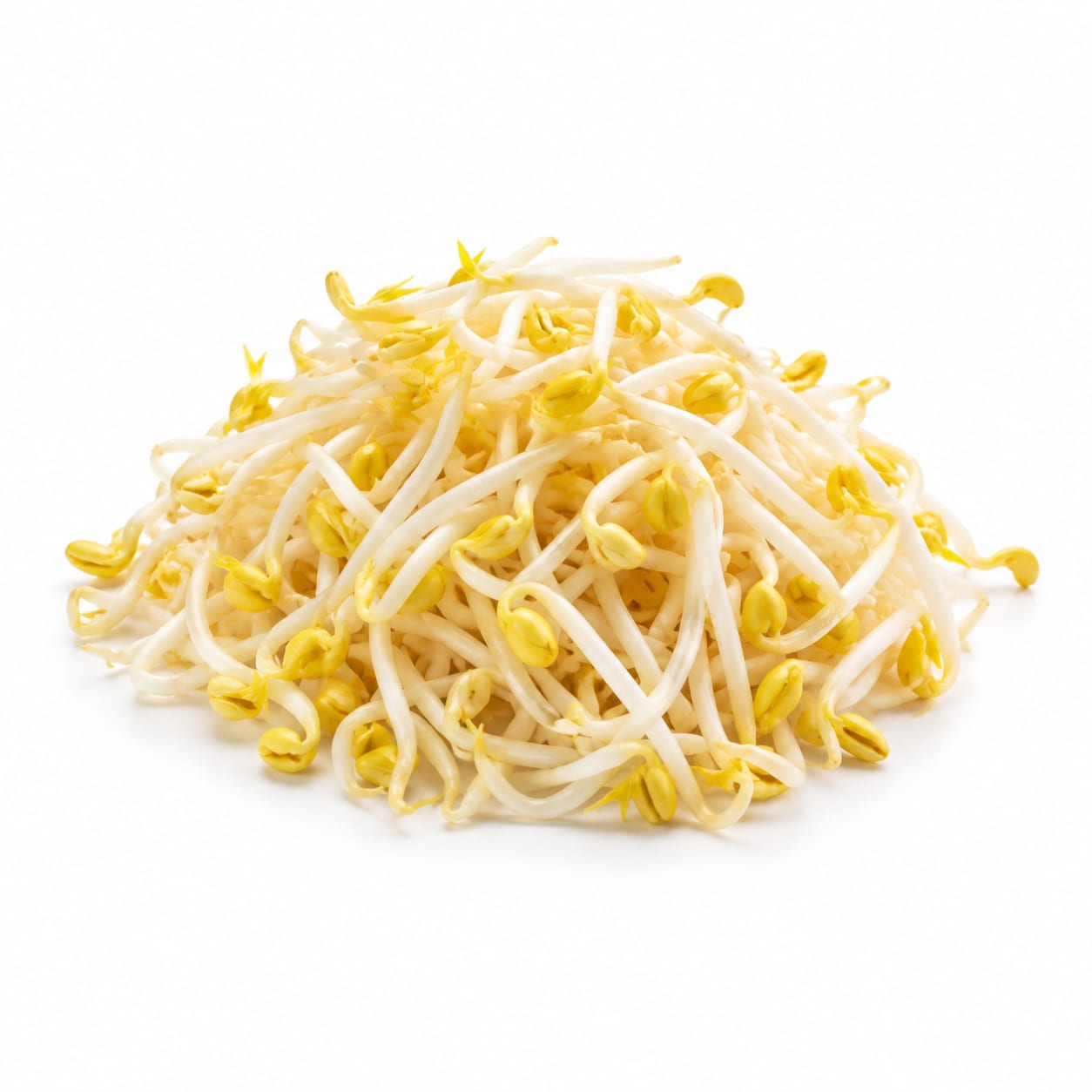
Soybean Sprouts
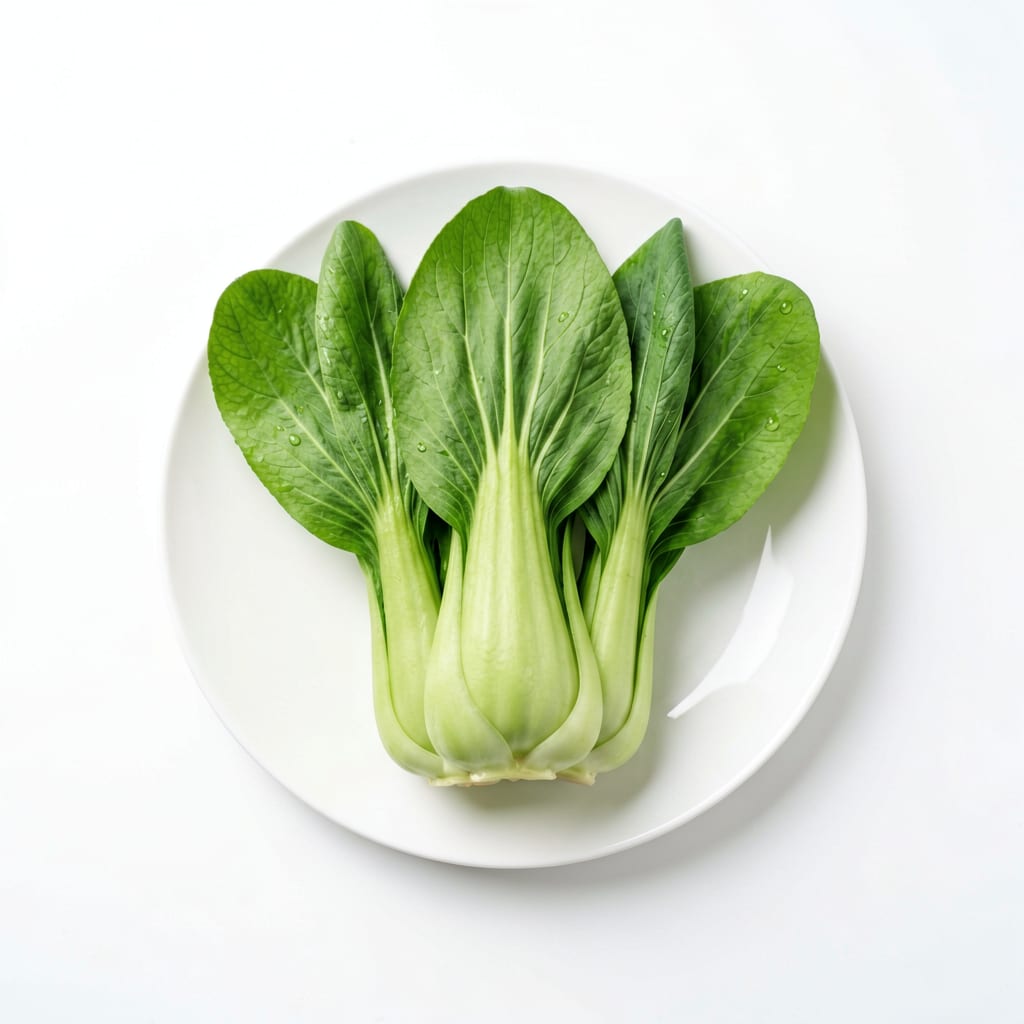
Bok Choy
Bok Choy is the safer, more versatile daily green, but Soybean Sprouts win on protein and crunch if cooked properly.
Bok Choy scores higher primarily due to its superior safety profile and ease of daily use, while Soybean Sprouts offer a unique protein advantage but carry significant raw-consumption risks and digestive drawbacks.
You trade higher protein and folate in Soybean Sprouts for superior safety, digestibility, and Vitamin A in Bok Choy.
At a glance
Executive summary
Overall
Bok Choy
Healthier
Bok Choy
More practical
Bok Choy
Daily use
Bok Choy
Key comparison lenses
Raw food safety and contamination risk
Soybean sprouts are notorious for bacterial outbreaks when raw, while Bok Choy is significantly safer
Plant-based protein and satiety
Soybean sprouts offer substantially more protein than Bok Choy, which is a key differentiator for vegetarians
Micronutrient profile differences
Bok Choy provides massive Vitamin A and calcium, whereas Soybean Sprouts lead in folate and Vitamin C
Digestive tolerance and gas production
Soybean sprouts can cause bloating due to oligosaccharides, while Bok Choy is generally much easier on the stomach
Best choice for
Soybean Sprouts
- Boosting plant protein in Asian dishes
- Increasing folate intake for pregnancy support
- Adding satisfying crunch to stir-fries when cooked
Bok Choy
- Safe, everyday leafy green intake
- Supporting bone health with calcium and Vitamin K
- Low-calorie volume eating for weight management
Least suitable for
Soybean Sprouts
- Immunocompromised individuals due to raw contamination risk
- People prone to bloating and gas from beans
- Quick raw salad prep
Bok Choy
- Those relying on greens as a primary protein source
- People looking for high-folate foods
Deep comparison
Dimension by dimension
Each lens scores both foods and breaks down who each option suits.
- Dimension 1 · Priority 95Bok Choy
Food Safety and Contamination Risk
Soybean Sprouts · 40Bok Choy · 95Soybean sprouts are a high-risk food for foodborne illness when raw, while Bok Choy is very safe.
Tradeoff
Soybean Sprouts require thorough cooking to be safe, eliminating the raw crunch factor, whereas Bok Choy can be safely eaten raw or lightly cooked.
Why it matters
Sprouts grow in warm, humid conditions ideal for Salmonella and E. coli, making them risky for vulnerable populations.
Real-world impact
Eating raw Soybean Sprouts can lead to severe food poisoning; Bok Choy just needs a good rinse to be safe.
Soybean Sprouts
- N/A - Bok Choy is significantly safer
Better for
- Raw salad bars
- Quick unpackaged snacks
Worse for
Bok Choy
- Pregnant women and children
- Meal prepping raw salads
- Anyone with a sensitive digestive system
Better for
- N/A - Very low risk
Worse for
- Dimension 2 · Priority 85Soybean Sprouts
Protein and Satiety
Soybean Sprouts · 88Bok Choy · 45Soybean Sprouts provide significantly more protein, making them more filling per calorie.
Tradeoff
You get a much better protein hit from Soybean Sprouts, but you have to manage the gas-inducing sugars that come with them.
Why it matters
Plant-based eaters often struggle to get protein from greens; Soybean Sprouts actually move the needle on daily protein targets.
Real-world impact
A cup of Soybean Sprouts will keep you full longer after lunch than a cup of Bok Choy, which is mostly water and micronutrients.
Soybean Sprouts
- Vegetarians and vegans needing protein
- Post-workout recovery meals
- Making a light meal more satisfying
Better for
- Evening meals if you are prone to bloating
Worse for
Bok Choy
- N/A - Soybean Sprouts win protein
Better for
- Situations where you need a vegetable to hold you over between meals
Worse for
- Dimension 3 · Priority 80It depends
Micronutrient Density
Soybean Sprouts · 78Bok Choy · 90Bok Choy dominates in Vitamin A and calcium, while Soybean Sprouts offer more folate and Vitamin C.
Tradeoff
Bok Choy is better for bones and immunity, while Soybean Sprouts are better for cell repair and blood health.
Why it matters
Your specific health goals determine the winner here—bone support versus cellular renewal.
Real-world impact
Eating Bok Choy visibly supports eye health and strong bones, while Soybean Sprouts are a smart choice for pregnant women needing folate.
Soybean Sprouts
- Prenatal nutrition and pregnancy
- Boosting tissue repair and iron absorption
Better for
- Those needing Vitamin A support
Worse for
Bok Choy
- Supporting bone density
- Improving skin and eye health
Better for
- Those needing folate support
Worse for
- Dimension 4 · Priority 70Bok Choy
Digestive Comfort
Soybean Sprouts · 50Bok Choy · 90Bok Choy is gentle on the gut, while Soybean Sprouts can cause noticeable bloating and gas.
Tradeoff
The very compounds that make Soybean Sprouts protein-rich also make them harder to break down in the gut.
Why it matters
If you have IBS or a sensitive stomach, Soybean Sprouts can trigger uncomfortable symptoms, whereas Bok Choy is soothing.
Real-world impact
A Bok Choy stir-fry leaves you feeling light; a Soybean Sprout dish might leave you reaching for digestive relief.
Soybean Sprouts
- N/A - Bok Choy is much gentler
Better for
- Date nights or social gatherings where bloating is undesirable
Worse for
Bok Choy
- People with IBS or gut sensitivity
- Light dinners before bed
- Those adjusting to a high-fiber diet
Better for
- N/A - Very easy to digest
Worse for
Timeline
Health impact over time
Short-term
Hours to days
Soybean Sprouts
- Quick protein satisfaction and steady energy
- Potential for bloating and flatulence shortly after eating
- Risk of acute food poisoning if consumed raw or undercooked
Bok Choy
- Feeling light and hydrated due to high water content
- Easy digestion with no bloating
- Quick boost of Vitamin C for immediate immune support
Long-term
Months to years
Soybean Sprouts
- Improved cellular repair from sustained folate and protein intake
- Better iron absorption from high Vitamin C content
- Long-term gut adaptation to oligosaccharides if consumed regularly
Bok Choy
- Stronger bones from consistent calcium and Vitamin K intake
- Better eye and skin health from high beta-carotene
- Reduced cancer risk from glucosinolates found in cruciferous vegetables
Risk profile
Safety & processing
Both are whole, natural vegetables. Soybean Sprouts are simply germinated beans, and Bok Choy is a harvested leafy green. Neither contains artificial additives in its fresh form.
Soybean Sprouts
Bacterial contamination (Salmonella, E. coli)
highThe warm, humid conditions required for sprouting are ideal breeding grounds for harmful bacteria, making raw Soybean Sprouts a major food safety concern.
Digestive distress from oligosaccharides
mediumComplex sugars in the sprouts can ferment in the gut, causing painful gas and bloating if not cooked thoroughly.
Bok Choy
Pesticide residue
lowLike many leafy greens, Bok Choy can retain pesticides on its leaves, but this is easily mitigated by thorough washing.
Hidden dirt and sand in the base
lowThe tightly packed stems at the base can trap soil, requiring careful cleaning before eating.
Who wins for whom
Audience fit
Same foods, different winners depending on your goal.
children
Bok ChoyBok Choy is much safer and milder in flavor, posing none of the raw bacterial risks or choking hazards that Soybean Sprouts do.
daily consumption
Bok ChoyBok Choy is safer, easier to digest, and more versatile for everyday meals without the worry of daily gas or contamination.
diabetes
Bok ChoyBok Choy has an almost negligible impact on blood sugar and is safer for daily consumption, whereas Soybean Sprouts carry a slight carb load and raw-safety concerns.
elderly
Bok ChoyThe elderly are more vulnerable to foodborne illness, making Bok Choy the clear winner, plus its calcium supports aging bones.
muscle gain
Soybean SproutsSoybean Sprouts provide a rare protein boost from a vegetable source, actively supporting muscle repair alongside primary protein sources.
weight loss
Bok ChoyBok Choy is incredibly low in calories and high in volume, allowing you to eat large portions to feel full without overconsuming calories.
Your move
Decision guide
Choose Soybean Sprouts
- You need more plant-based protein in your diet
- You are cooking a hot stir-fry or soup where they will be thoroughly heated
- You are trying to boost folate for prenatal health
Choose Bok Choy
- You want a safe, reliable everyday green
- You are focused on bone health and Vitamin A intake
- You have a sensitive stomach and want a light, comforting vegetable
Either works if
- You are building an Asian-inspired soup or stir-fry
- You want low-calorie crunch or greens to bulk up a meal
Avoid both if
- You have a severe soy or cruciferous vegetable allergy
- You are on a strict low-Vitamin K diet for blood thinner interactions
Final recommendation
Keep Bok Choy as your daily go-to green for safety, digestion, and bone support, but use thoroughly cooked Soybean Sprouts when you need a protein punch or a satisfying crunch in your hot meals.
Practical
Consumer tips
- 1
Always cook Soybean Sprouts for at least 3-5 minutes to eliminate harmful bacteria and reduce gas-causing sugars.
- 2
Wash Bok Choy by separating the leaves and soaking them in cold water to release trapped dirt from the base.
- 3
Store Soybean Sprouts in the coldest part of your fridge and consume within 2 days of purchase due to high perishability.
- 4
Bok Choy can be stored in a crisper drawer for up to a week, making it a much more practical weekly grocery staple.