
Nutrition comparison
Mung Bean Sprouts vs Soybean Sprouts: Nutrition, Safety & Which to Choose
Compare mung bean sprouts and soybean sprouts on protein, calories, digestion, allergens, and food safety. Find out which sprout fits your diet and health goals best.
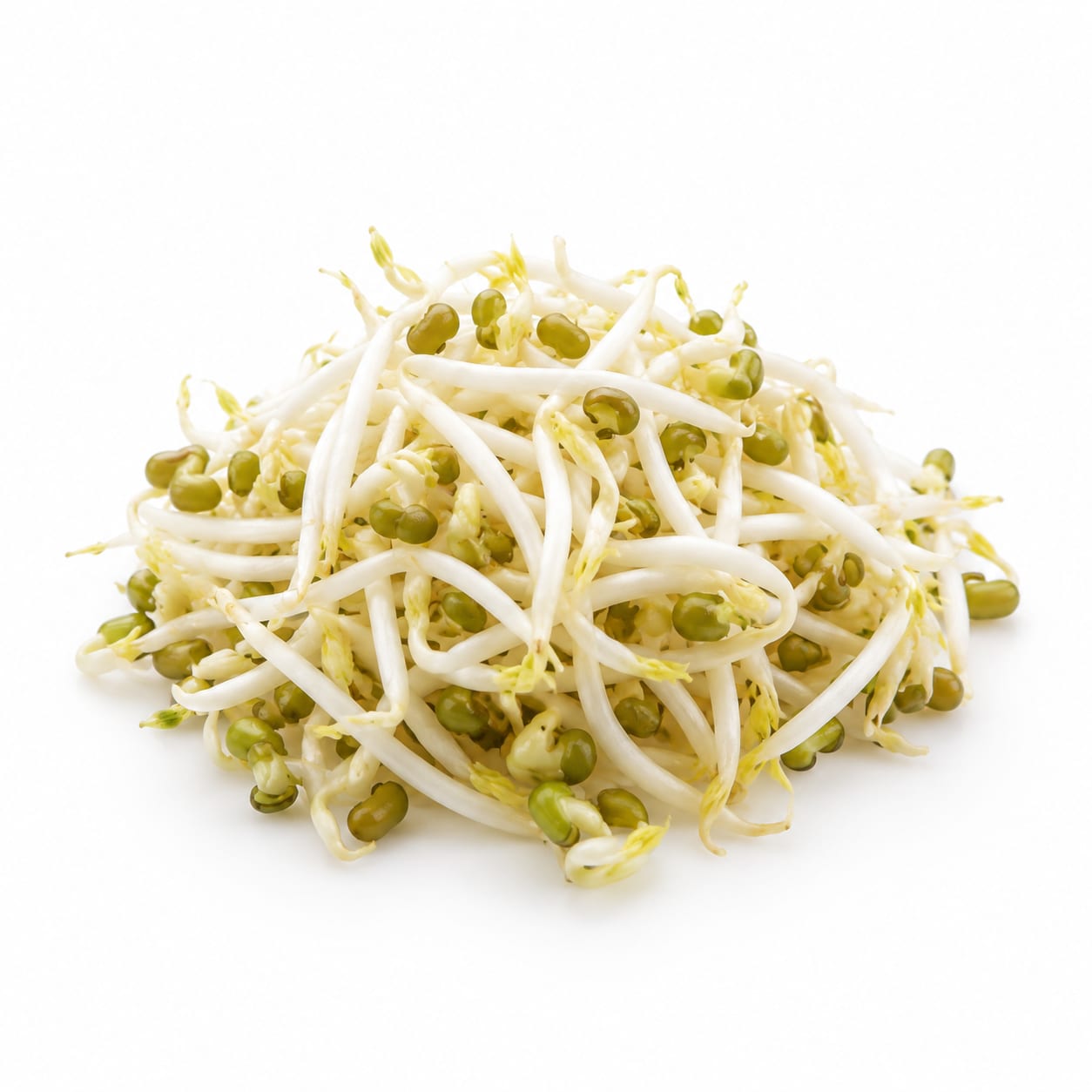
Mung Bean Sprouts
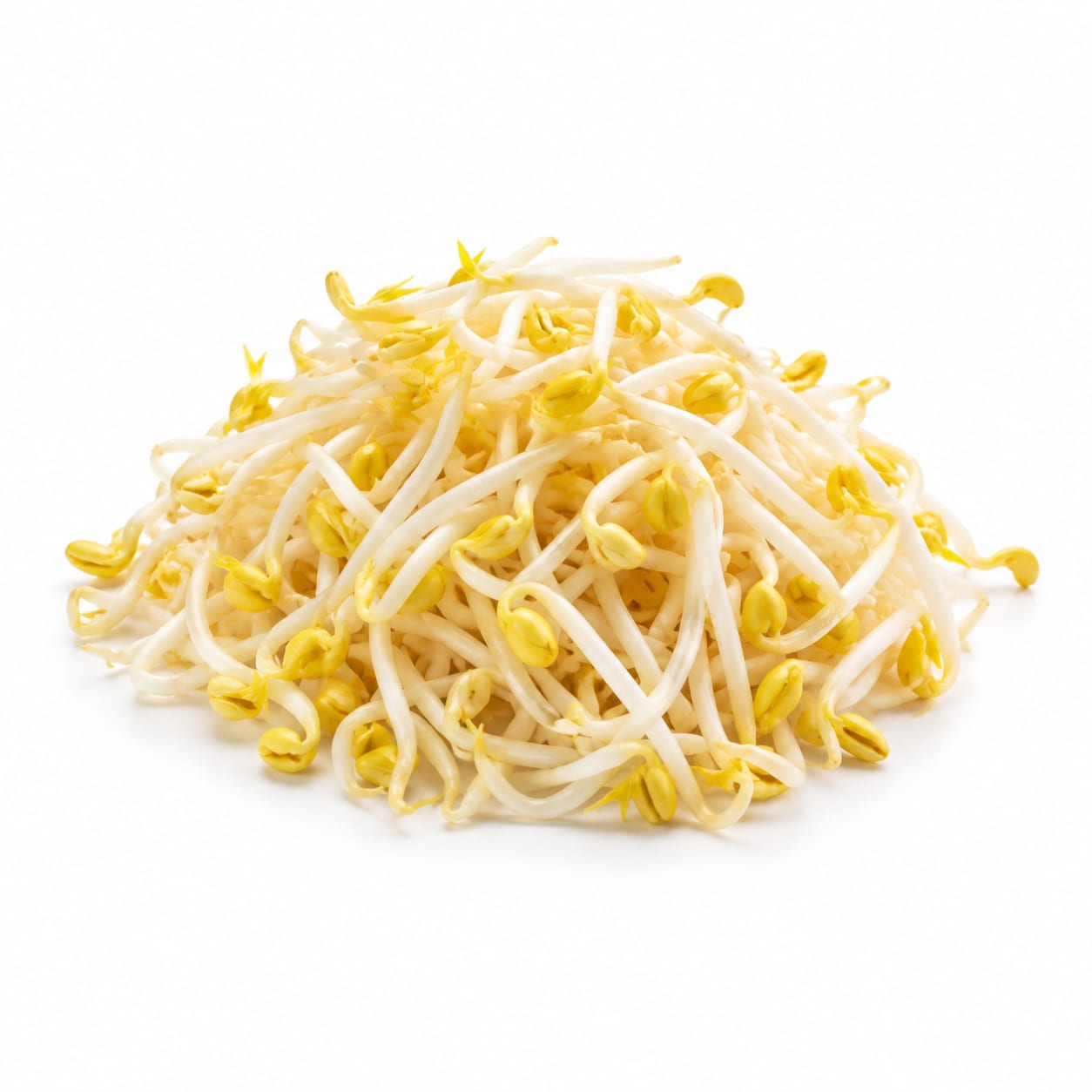
Soybean Sprouts
Mung bean sprouts are lighter and easier to tolerate daily; soybean sprouts pack far more protein and nutrients but carry allergen and hormonal considerations.
Nearly tied because they serve different purposes. Mung bean sprouts win on daily versatility and safety profile, while soybean sprouts win on raw nutritional power. Your specific health context determines the real winner.
You choose between gentle digestibility and low calories (mung bean sprouts) versus substantially more protein, fat, and micronutrients (soybean sprouts).
At a glance
Executive summary
Overall
It depends
Healthier
It depends
More practical
Mung Bean Sprouts
Daily use
Mung Bean Sprouts
Key comparison lenses
protein and nutrient density
Soybean sprouts deliver dramatically more protein and fat, making this the most nutritionally consequential difference
digestive tolerance and allergen risk
Soy allergies and phytoestrogen concerns make soybean sprouts problematic for some, while mung bean sprouts are gentler
food safety sprout contamination
Both are raw sprouts with bacterial contamination risk, but preparation and sourcing practices differ
calorie and weight management
Mung bean sprouts are significantly lighter per serving, appealing to calorie-conscious eaters
hormonal and phytoestrogen effects
Soybean sprouts contain isoflavones that may affect hormones, a unique concern absent in mung bean sprouts
Best choice for
Mung Bean Sprouts
- People with soy allergies or sensitivities
- Those wanting a low-calorie crunch in meals
- Anyone avoiding phytoestrogens
- Light daily side dishes and stir-fries
- People with sensitive digestion
Soybean Sprouts
- Vegetarians and vegans needing more protein
- Those wanting higher nutrient density per bite
- People seeking plant-based iron and calcium
- Anyone comfortable with soy and wanting a heartier sprout
- Post-workout meals needing protein recovery
Least suitable for
Mung Bean Sprouts
- Those needing significant protein from sprouts
- People looking for calorie-dense plant foods
- Anyone wanting a substantial main ingredient rather than a garnish
Soybean Sprouts
- People with soy allergies
- Those avoiding phytoestrogens due to hormone-sensitive conditions
- Anyone with gout concerned about purines
- People who find soy difficult to digest
Deep comparison
Dimension by dimension
Each lens scores both foods and breaks down who each option suits.
- Dimension 1 · Priority 92Soybean Sprouts
Protein Content & Quality
Mung Bean Sprouts · 45Soybean Sprouts · 88Soybean sprouts deliver roughly 2-3 times more protein per serving than mung bean sprouts, making them a meaningful protein source rather than just a garnish.
Tradeoff
That extra protein comes with more calories and the digestive complexity of soy proteins, which some people tolerate poorly.
Why it matters
If you rely on plant foods for protein, soybean sprouts actually contribute to your daily target. Mung bean sprouts barely move the needle.
Real-world impact
A cup of soybean sprouts adds about 9-10g of protein to your meal versus only 3g from mung bean sprouts. That difference turns a side dish into a protein contributor.
Mung Bean Sprouts
- Light meals where protein isn't the priority
- Eating plans that already have ample protein elsewhere
Better for
- Using sprouts as a primary protein source
Worse for
Soybean Sprouts
- Vegan and vegetarian meals needing protein
- Post-workout recovery plates
- Anyone trying to hit higher protein targets from plants
Better for
- Those who experience bloating from soy protein
Worse for
- Dimension 2 · Priority 80Mung Bean Sprouts
Caloric Density & Weight Management
Mung Bean Sprouts · 90Soybean Sprouts · 62Mung bean sprouts are remarkably low in calories — roughly 30 per cup — while soybean sprouts run about 85-90 per cup due to higher fat and protein.
Tradeoff
Lower calories mean less satiety and fewer nutrients per serving. You may need to eat more volume or pair with other foods to feel full.
Why it matters
For volume eaters who want big portions without big calorie counts, mung bean sprouts are ideal. Soybean sprouts are more filling per cup but cost more calories.
Real-world impact
You can pile mung bean sprouts generously into a bowl without thinking about it. Soybean sprouts require more portion awareness, especially if you track calories.
Mung Bean Sprouts
- Volume eating strategies
- Low-calorie meal padding
- Weight loss diets with strict calorie limits
Better for
- Anyone struggling to eat enough calories
Worse for
Soybean Sprouts
- Meals where you want more satiety from less volume
- Active people needing calorie-dense plant foods
Better for
- Strict calorie-cutting phases
Worse for
- Dimension 3 · Priority 85Mung Bean Sprouts
Digestive Tolerance
Mung Bean Sprouts · 82Soybean Sprouts · 55Mung bean sprouts are generally gentle on the stomach. Soybean sprouts can cause bloating and gas due to oligosaccharides and soy protein complexity.
Tradeoff
The more nutrient-dense food is also the harder one to digest. People with IBS or soy sensitivity may find soybean sprouts uncomfortable.
Why it matters
If you feel bloated after eating soybean sprouts, the nutritional advantages become irrelevant because you will naturally avoid them.
Real-world impact
Many people report gas and discomfort from soybean sprouts, especially in larger portions. Mung bean sprouts rarely cause the same issues even in generous amounts.
Mung Bean Sprouts
- People with sensitive digestion
- Those prone to bloating from legumes
- IBS sufferers
Better for
- No significant digestive downside
Worse for
Soybean Sprouts
- People with iron stomachs who tolerate soy well
Better for
- IBS and FODMAP-sensitive individuals
- People already prone to soy-related bloating
Worse for
- Dimension 4 · Priority 78Soybean Sprouts
Micronutrient Density
Mung Bean Sprouts · 58Soybean Sprouts · 84Soybean sprouts offer more iron, calcium, folate, and vitamin K per serving. Mung bean sprouts provide some vitamin C and potassium but are less nutrient-packed overall.
Tradeoff
Higher micronutrient density in soybean sprouts comes with phytates that can reduce mineral absorption, partially offsetting the advantage.
Why it matters
If you eat sprouts partly for their nutrient contribution, soybean sprouts give you more per bite — especially minerals that vegetarians often lack.
Real-world impact
A serving of soybean sprouts provides a meaningful chunk of your daily iron and folate needs. Mung bean sprouts contribute vitamins but fall short on minerals.
Mung Bean Sprouts
- Those primarily seeking vitamin C from fresh sprouts
- People getting enough minerals from other sources
Better for
- Relying on sprouts as a significant mineral source
Worse for
Soybean Sprouts
- Vegetarians needing plant-based iron and calcium
- Pregnant women seeking natural folate sources
- Anyone with higher micronutrient demands
Better for
- People concerned about phytate reducing mineral absorption
Worse for
- Dimension 5 · Priority 82Mung Bean Sprouts
Allergen & Hormonal Considerations
Mung Bean Sprouts · 92Soybean Sprouts · 40Soy is a top 8 allergen and contains isoflavones that can mimic estrogen. Mung bean sprouts carry neither concern, making them safer for a wider range of people.
Tradeoff
Isoflavones may have health benefits for some people, like bone support during menopause. The concern is context-dependent, not universally negative.
Why it matters
For anyone with hormone-sensitive conditions, soy allergies, or concerns about phytoestrogens, this is a dealbreaker dimension that overrides nutritional advantages.
Real-world impact
If you have a soy allergy, soybean sprouts are off the table entirely. If you are avoiding phytoestrogens during breast cancer treatment, mung bean sprouts are the clear safe choice.
Mung Bean Sprouts
- People with soy allergies
- Those avoiding phytoestrogens
- Hormone-sensitive cancer survivors
- Parents feeding young children regularly
Better for
- No significant downside in this dimension
Worse for
Soybean Sprouts
- Postmenopausal women who may benefit from isoflavones
- People without any soy sensitivity who want isoflavone benefits
Better for
- Soy-allergic individuals
- Those on thyroid medication (soy can interfere with absorption)
- People advised to limit phytoestrogen intake
Worse for
- Dimension 6 · Priority 85It depends
Food Safety & Contamination Risk
Mung Bean Sprouts · 60Soybean Sprouts · 58Both sprouts carry similar bacterial contamination risks since warm, humid sprouting conditions favor pathogens. Proper cooking and sourcing matter more than the sprout type.
Tradeoff
Soybean sprouts are typically cooked more thoroughly in traditional Korean cooking, which reduces risk. Mung bean sprouts are sometimes eaten raw or lightly cooked.
Why it matters
Sprout-related foodborne illness outbreaks are well-documented. Pregnant women, elderly, and immunocompromised people should cook both thoroughly regardless.
Real-world impact
If you eat raw sprouts in sandwiches or salads, both carry risk. Cooking either one until hot throughout eliminates most bacterial concerns.
Mung Bean Sprouts
- Quick stir-fry dishes where they get some heat
- Dishes where light cooking is standard
Better for
- Raw applications like salads and sandwiches
Worse for
Soybean Sprouts
- Traditional soups and stews where long cooking is normal
- Recipes that inherently involve thorough cooking
Better for
- Raw applications, same as mung bean sprouts
Worse for
- Dimension 7 · Priority 70Mung Bean Sprouts
Culinary Versatility & Flavor
Mung Bean Sprouts · 80Soybean Sprouts · 68Mung bean sprouts have a milder, crisper, more refreshing crunch that works in everything from salads to stir-fries. Soybean sprouts have a nuttier, heartier flavor that suits specific dishes better.
Tradeoff
Soybean sprouts are more polarizing — their stronger flavor and tougher texture shine in some dishes but overwhelm others. Mung bean sprouts play well with almost anything.
Why it matters
If you actually enjoy eating the food, you will eat it more often. Mung bean sprouts are easier to incorporate across cuisines without clashing.
Real-world impact
Mung bean sprouts slip into wraps, sandwiches, pho, and stir-fries effortlessly. Soybean sprouts really want to be in Korean sukju namul or hearty soups where their robust texture belongs.
Mung Bean Sprouts
- Wide range of Asian and fusion dishes
- Raw or lightly cooked applications
- Mild flavor that complements without dominating
Better for
- Dishes specifically calling for the heartier soybean sprout texture
Worse for
Soybean Sprouts
- Korean side dishes and stews
- Hearty winter meals wanting robust texture
- Dishes where a nutty flavor is desired
Better for
- Delicate dishes where the strong flavor overpowers
- Raw salads where the tougher texture is less pleasant
Worse for
Timeline
Health impact over time
Short-term
Hours to days
Mung Bean Sprouts
- Light, refreshing crunch that adds volume without heaviness
- Minimal digestive discomfort for most people
- Quick hydration boost from high water content
Soybean Sprouts
- More sustained fullness from higher protein and fat content
- Possible bloating or gas in soy-sensitive individuals
- Heavier feeling in the stomach after larger portions
Long-term
Months to years
Mung Bean Sprouts
- Consistent low-calorie vegetable intake supporting weight maintenance
- No phytoestrogen exposure concerns with daily consumption
- Gentle on the digestive system for long-term regular use
Soybean Sprouts
- Meaningful plant protein contribution supporting muscle and bone health
- Isoflavone exposure that may benefit menopausal women but requires caution for others
- Potential thyroid interaction with chronic high intake, especially in iodine-deficient diets
Risk profile
Safety & processing
Both are whole, minimally processed foods that you grow from seeds with water. Neither typically contains additives when purchased fresh or home-sprouted. The main concern is sprouting conditions and water quality, not processing.
Mung Bean Sprouts
Bacterial contamination (Salmonella, E. coli)
mediumWarm, humid sprouting conditions are ideal for bacterial growth. Raw mung bean sprouts have been linked to foodborne illness outbreaks. Cooking eliminates most risk.
Pesticide residue on seeds
lowConventionally grown mung beans may carry pesticide residues that concentrate during sprouting. Choosing organic seeds reduces this concern.
Soybean Sprouts
Bacterial contamination (Salmonella, E. coli)
mediumSame sprouting risk as mung bean sprouts. Soybean sprouts are more often cooked thoroughly in traditional preparation, which helps mitigate this.
Soy allergen exposure
highSoy is a major allergen. Reactions can range from mild hives to anaphylaxis. Cross-contamination in kitchens is also a concern.
Phytate content reducing mineral absorption
lowSoybean sprouts contain phytates that can bind iron, zinc, and calcium, reducing their absorption. This is a minor concern in varied diets.
Who wins for whom
Audience fit
Same foods, different winners depending on your goal.
children
Mung Bean SproutsNo soy allergen risk, milder flavor kids accept more easily, and no phytoestrogen concerns during development. Always cook sprouts thoroughly for children.
daily consumption
Mung Bean SproutsGentler digestion, no allergen concerns, and lower calorie burden make mung bean sprouts easier to eat every day without accumulating potential issues.
diabetes
Mung Bean SproutsLower carbohydrate density and fewer calories make mung bean sprouts easier to fit into glycemic management plans. Both have low glycemic impact, but mung bean sprouts offer more flexibility.
elderly
Soybean SproutsHigher protein and calcium content supports bone density and muscle preservation in aging. The isoflavone content may also benefit postmenopausal women. Must be cooked soft for easier chewing.
muscle gain
Soybean SproutsSoybean sprouts deliver substantially more protein per serving, directly supporting muscle repair and growth when combined with resistance training.
weight loss
Mung Bean SproutsMung bean sprouts provide more volume per calorie, making it easier to fill up without overeating. Their lightness encourages generous portions that visually satisfy.
Your move
Decision guide
Choose Mung Bean Sprouts
- You have any soy allergy or sensitivity
- You want a light, low-calorie addition to meals
- You have hormone-sensitive conditions or concerns about phytoestrogens
- You prefer a milder flavor that works in many dishes
- You have digestive issues and need gentle foods
- You eat sprouts daily and want the safest long-term option
Choose Soybean Sprouts
- You are vegan or vegetarian and need more plant protein
- You tolerate soy well and want maximum nutrient density
- You are a postmenopausal woman who may benefit from isoflavones
- You enjoy the heartier texture and nuttier flavor in Korean-style dishes
- You need more iron and calcium from plant sources
Either works if
- You are cooking sprouts thoroughly in soups or stir-fries
- You want variety in your vegetable rotation
- You have no soy sensitivity and are just looking for a crunchy vegetable
Avoid both if
- You are immunocompromised and cannot ensure thorough cooking
- You are pregnant and unwilling to cook sprouts until steaming hot
- You have a history of foodborne illness anxiety that would make eating sprouts stressful
Final recommendation
For most people, mung bean sprouts are the safer daily choice — lighter, gentler, and free of soy-related concerns. Choose soybean sprouts when you specifically need more plant protein and you tolerate soy well. Both deserve a place in a varied diet, but always cook them thoroughly to eliminate contamination risk.
Practical
Consumer tips
- 1
Always cook sprouts until steaming hot if you are pregnant, elderly, or immunocompromised — raw sprouts are a known food safety risk
- 2
Home-sprouting lets you control water quality and hygiene, reducing contamination risk for both types
- 3
Rinse sprouts thoroughly under running water before cooking, even if they look clean
- 4
Store sprouts in the refrigerator and use within 2-3 days of purchase for best safety and quality
- 5
If you are new to soybean sprouts, start with small portions to test your digestive tolerance before making them a regular habit
- 6
Pair soybean sprouts with vitamin C-rich foods like bell peppers to improve iron absorption from the phytate-bound minerals
- 7
For the best of both worlds, alternate between mung bean sprouts and soybean sprouts across different meals throughout the week