
Nutrition comparison
Soybean Sprouts vs Tofu: Nutrition, Safety, and Protein Compared
Comparing Soybean Sprouts vs Tofu? Discover which soy food offers better protein, safety, and weight loss benefits, plus the hidden risks of raw sprouts.
Overall winner · Tofu
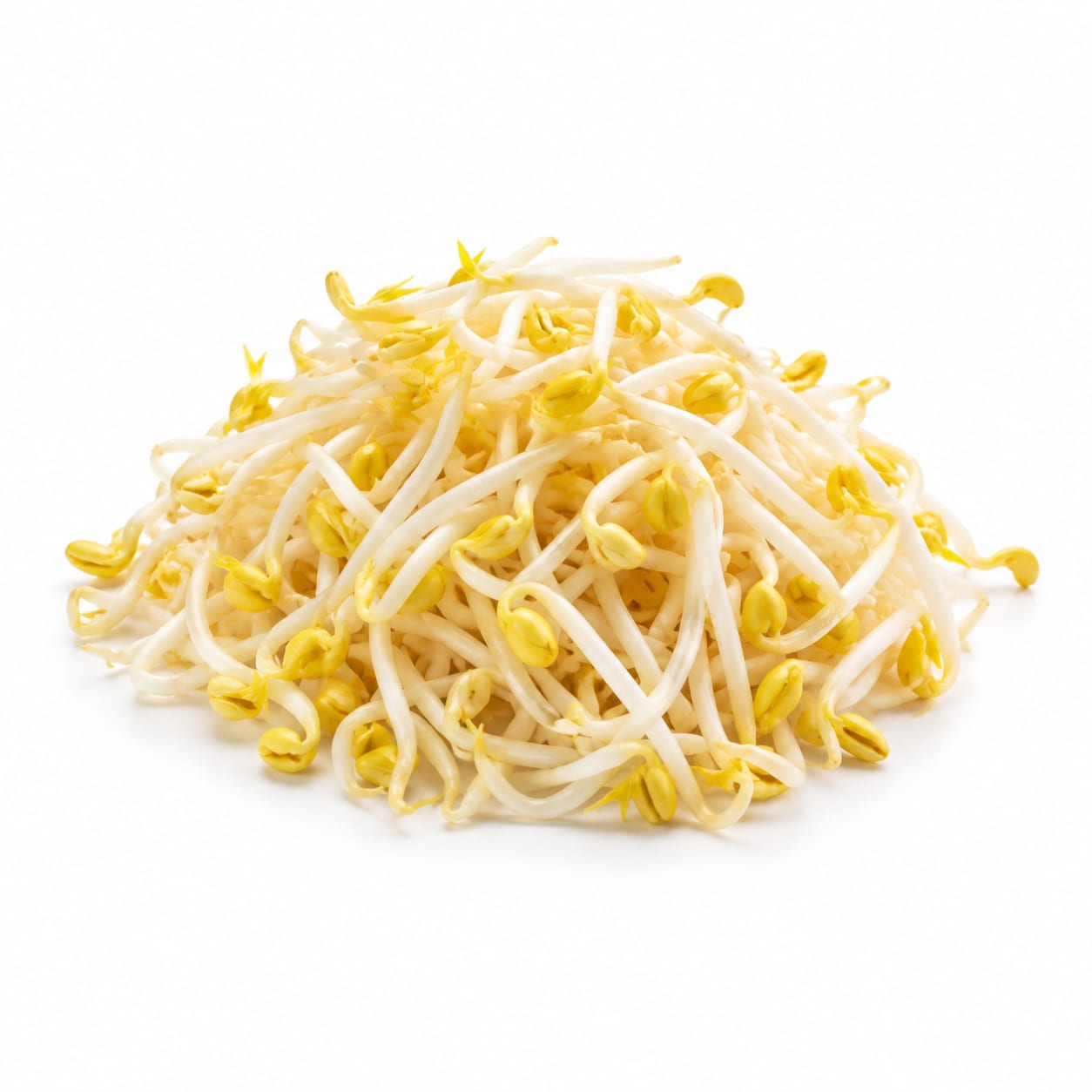
Soybean Sprouts
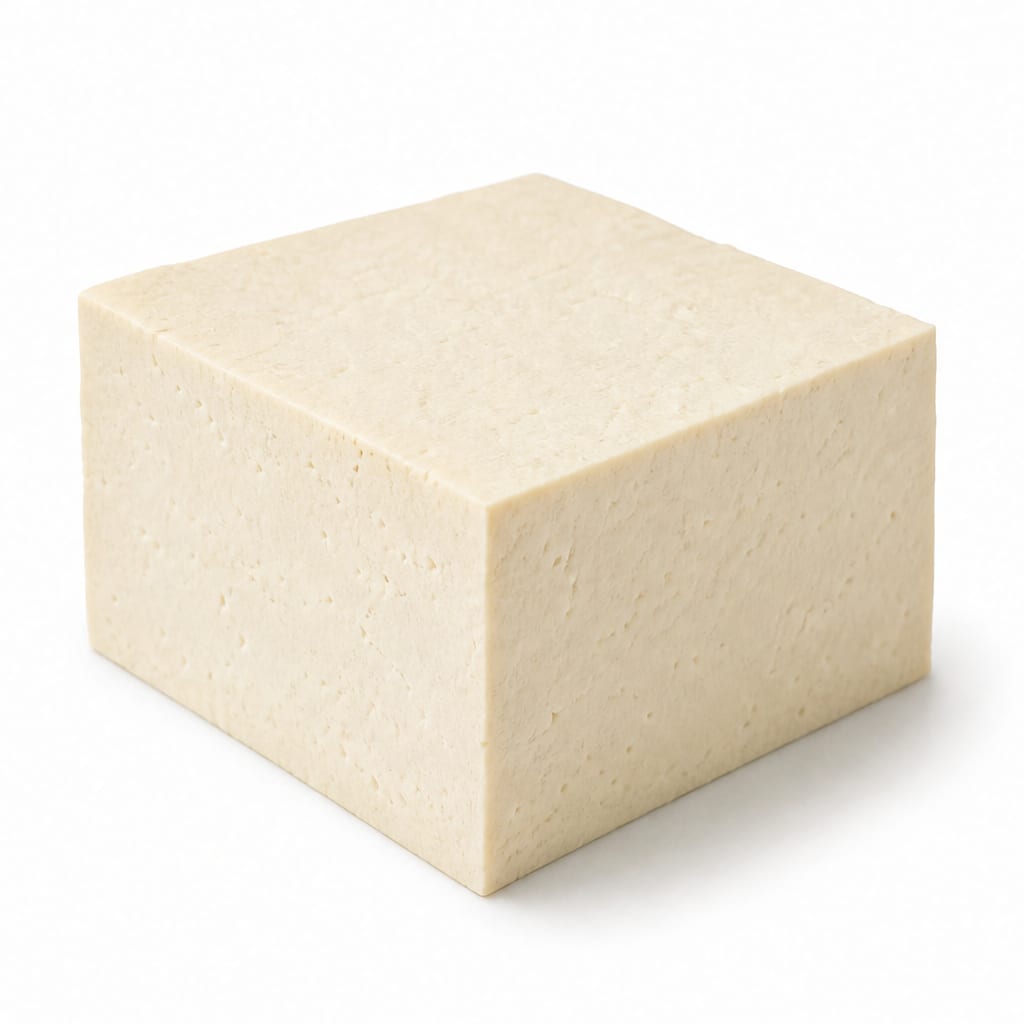
Tofu
Tofu delivers far more protein and minerals per bite, while Soybean Sprouts offer low-calorie crunch but carry higher food safety risks.
Tofu scores higher due to its superior protein content, mineral density, and safer consumption profile, while Soybean Sprouts lose points on food safety and low macronutrient density.
Choosing between concentrated protein and mineral nutrition in Tofu versus the low-calorie, high-fiber bulk of Soybean Sprouts, which require careful handling to eat safely.
At a glance
Executive summary
Overall
Tofu
Healthier
Tofu
More practical
Tofu
Daily use
Tofu
Key comparison lenses
Protein density vs low-calorie volume
Tofu is a plant-based protein staple, while Soybean Sprouts offer bulk with minimal calories.
Food safety and contamination risk
Raw sprouts carry a well-documented risk of foodborne illness, unlike Tofu.
Whole food vs minimally processed
Soybean Sprouts are intact seeds, whereas Tofu is a pressed curd, raising processing questions.
Best choice for
Soybean Sprouts
- Volume eaters wanting low-calorie crunch
- Those seeking extra Vitamin C from a plant source
Tofu
- People needing high protein from plants
- Anyone looking for a versatile, safe daily staple
Least suitable for
Soybean Sprouts
- Pregnant women or immunocompromised individuals (if raw)
- Those needing dense protein without large portions
Tofu
- People avoiding concentrated soy or phytoestrogens
- Those looking for a raw, crunchy texture
Deep comparison
Dimension by dimension
Each lens scores both foods and breaks down who each option suits.
- Dimension 1 · Priority 95Tofu
Protein & Satiety
Soybean Sprouts · 35Tofu · 90Tofu is a protein powerhouse that keeps you full, whereas Soybean Sprouts provide very little protein per serving.
Tradeoff
You trade the light, crunchy volume of Soybean Sprouts for the dense, hunger-killing protein of Tofu.
Why it matters
Protein is essential for staying satisfied between meals and maintaining muscle.
Real-world impact
A Tofu-based lunch will keep you full until dinner; a Soybean Sprout salad might leave you hunting for a snack an hour later.
Soybean Sprouts
- Light snackers who prefer small meals
Better for
- People relying on a single plant food for protein
Worse for
Tofu
- Athletes
- Anyone trying to stay full longer
Better for
- Those who feel heavy after high-protein meals
Worse for
- Dimension 2 · Priority 90Tofu
Food Safety & Contamination Risk
Soybean Sprouts · 40Tofu · 85Soybean Sprouts are notorious for bacterial outbreaks when raw, while Tofu is generally safe if stored properly.
Tradeoff
The raw, living quality of Soybean Sprouts comes with a real risk of food poisoning that Tofu avoids.
Why it matters
Foodborne illness can be severe, especially for vulnerable groups.
Real-world impact
Eating raw Soybean Sprouts means taking a calculated risk; cooking them helps but reduces their signature crunch.
Soybean Sprouts
- Those who cook sprouts thoroughly and avoid raw consumption
Better for
- Immunocompromised individuals
Worse for
Tofu
- Pregnant women
- The elderly
- Anyone wanting peace of mind
Better for
- Those who ignore expiration dates and spoilage signs
Worse for
- Dimension 3 · Priority 85Soybean Sprouts
Calorie Density & Weight Management
Soybean Sprouts · 90Tofu · 65Soybean Sprouts let you eat a massive volume of food for almost no calories, while Tofu is more calorie-dense.
Tradeoff
You get more food on your plate with Soybean Sprouts, but far less nutritional payoff per calorie.
Why it matters
Volume eating can help with weight loss by stretching the stomach without excess calories.
Real-world impact
You can eat an entire bowl of Soybean Sprouts for under 100 calories, making them a great diet filler.
Soybean Sprouts
- Volume eaters
- People cutting calories aggressively
Better for
- People who need to gain weight or struggle to eat enough
Worse for
Tofu
- Those who need nutrient-dense calories in a small package
Better for
- Mindless snackers who might overeat calorie-dense foods
Worse for
- Dimension 4 · Priority 80Tofu
Micronutrient Profile
Soybean Sprouts · 65Tofu · 85Tofu is rich in calcium and iron, while Soybean Sprouts shine with Vitamin C and folate.
Tradeoff
Tofu supports bone health and blood oxygenation, whereas Soybean Sprouts boost immunity and tissue repair.
Why it matters
Different life stages demand different micronutrients.
Real-world impact
Choosing Tofu helps hit daily calcium goals easily, while Soybean Sprouts add a fresh Vitamin C boost.
Soybean Sprouts
- People needing immune support or collagen synthesis
Better for
- People looking for significant mineral intake
Worse for
Tofu
- Women needing iron
- Those avoiding dairy who need calcium
Better for
- Those solely seeking Vitamin C from their protein source
Worse for
- Dimension 5 · Priority 75Tofu
Culinary Versatility & Convenience
Soybean Sprouts · 55Tofu · 90Tofu absorbs flavors beautifully and works in endless dishes, while Soybean Sprouts are mostly limited to Asian salads and stir-fries.
Tradeoff
Soybean Sprouts bring a specific crunchy texture, but Tofu can mimic almost any flavor profile.
Why it matters
A versatile staple makes healthy eating easier to sustain.
Real-world impact
You can scramble, bake, fry, or blend Tofu; Soybean Sprouts are mostly a side dish or topping.
Soybean Sprouts
- Quick stir-fry additions
- Authentic Korean side dishes
Better for
- Those wanting a main course ingredient
Worse for
Tofu
- Meal preppers
- Cooks wanting a blank canvas
Better for
- Recipes specifically requiring a crisp, fresh crunch
Worse for
Timeline
Health impact over time
Short-term
Hours to days
Soybean Sprouts
- Quick hydration and lightness due to high water content
- Potential stomach upset if consumed raw due to bacteria
Tofu
- Immediate satiety from dense protein
- Steady energy without a sugar crash
Long-term
Months to years
Soybean Sprouts
- Improved digestion from fiber if cooked properly
- Risk of recurring foodborne illness if hygiene is poor
Tofu
- Stronger bones from calcium
- Better muscle retention from high-quality plant protein
Risk profile
Safety & processing
Soybean Sprouts are a whole, intact food, while Tofu is made by curdling soy milk. Both are natural, but Tofu undergoes a traditional transformation process that strips away some fiber while concentrating protein.
Soybean Sprouts
Bacterial contamination (Salmonella, E. coli)
highThe warm, humid conditions required for sprouting are ideal breeding grounds for bacteria. Raw consumption is risky.
Spoilage
mediumSprouts degrade quickly and develop a slimy texture and off-odors within days.
Tofu
Spoilage from improper refrigeration
mediumTofu can grow mold or spoil quickly once opened if not kept submerged in water and refrigerated.
GMO exposure
lowMost conventional soy is GMO, though organic Tofu avoids this entirely.
Who wins for whom
Audience fit
Same foods, different winners depending on your goal.
children
TofuTofu is safer from a contamination standpoint and offers growing kids much-needed calcium and protein.
daily consumption
TofuTofu is a more reliable, versatile, and nutrient-dense daily staple without the strict food safety caveats of sprouts.
diabetes
TofuTofu has virtually zero carbs and high protein, which stabilizes blood sugar better than the slight carbs in sprouts.
elderly
TofuThe high calcium and protein in Tofu help prevent age-related muscle loss and bone density decline, with less food safety risk.
muscle gain
TofuTofu provides a concentrated, complete protein source necessary for muscle repair and growth.
weight loss
Soybean SproutsSoybean Sprouts provide massive portion sizes for minimal calories, making it easier to stay in a deficit.
Your move
Decision guide
Choose Soybean Sprouts
- You are a volume eater who loves big portions and low calories.
- You are making a cooked stir-fry or soup where the sprout texture shines.
- You want a fresh crunch and are willing to cook them to ensure safety.
Choose Tofu
- You need a reliable, high-protein plant-based staple.
- You want a safe food that is easy to meal prep for the week.
- You need calcium and iron in a dairy-free diet.
Either works if
- You are making a hearty Asian noodle soup or stir-fry.
- You want to incorporate more whole-food soy into your diet.
Avoid both if
- You have a severe soy allergy.
- You are strictly avoiding phytoestrogens due to a specific medical condition.
Final recommendation
Let Tofu be your daily protein workhorse, and treat Soybean Sprouts as an occasional crunchy side dish—just make sure to cook them thoroughly to avoid foodborne illness.
Practical
Consumer tips
- 1
Always cook Soybean Sprouts thoroughly to eliminate bacterial risks; avoid them raw in salads.
- 2
Store Tofu in water in an airtight container in the fridge, changing the water daily.
- 3
Buy organic Tofu to easily avoid GMO soy and pesticide residues.
- 4
Freeze Tofu before cooking to create a spongier texture that absorbs marinades better.
- 5
Check Soybean Sprouts for sliminess or a sour smell before preparing; discard if present.