
Nutrition comparison
Soybean Sprouts vs Asparagus: Nutrition, Safety, and Health Comparison
Comparing Soybean Sprouts vs Asparagus? Discover which vegetable is safer, higher in protein, and better for your gut health and daily meals.
Overall winner · Asparagus
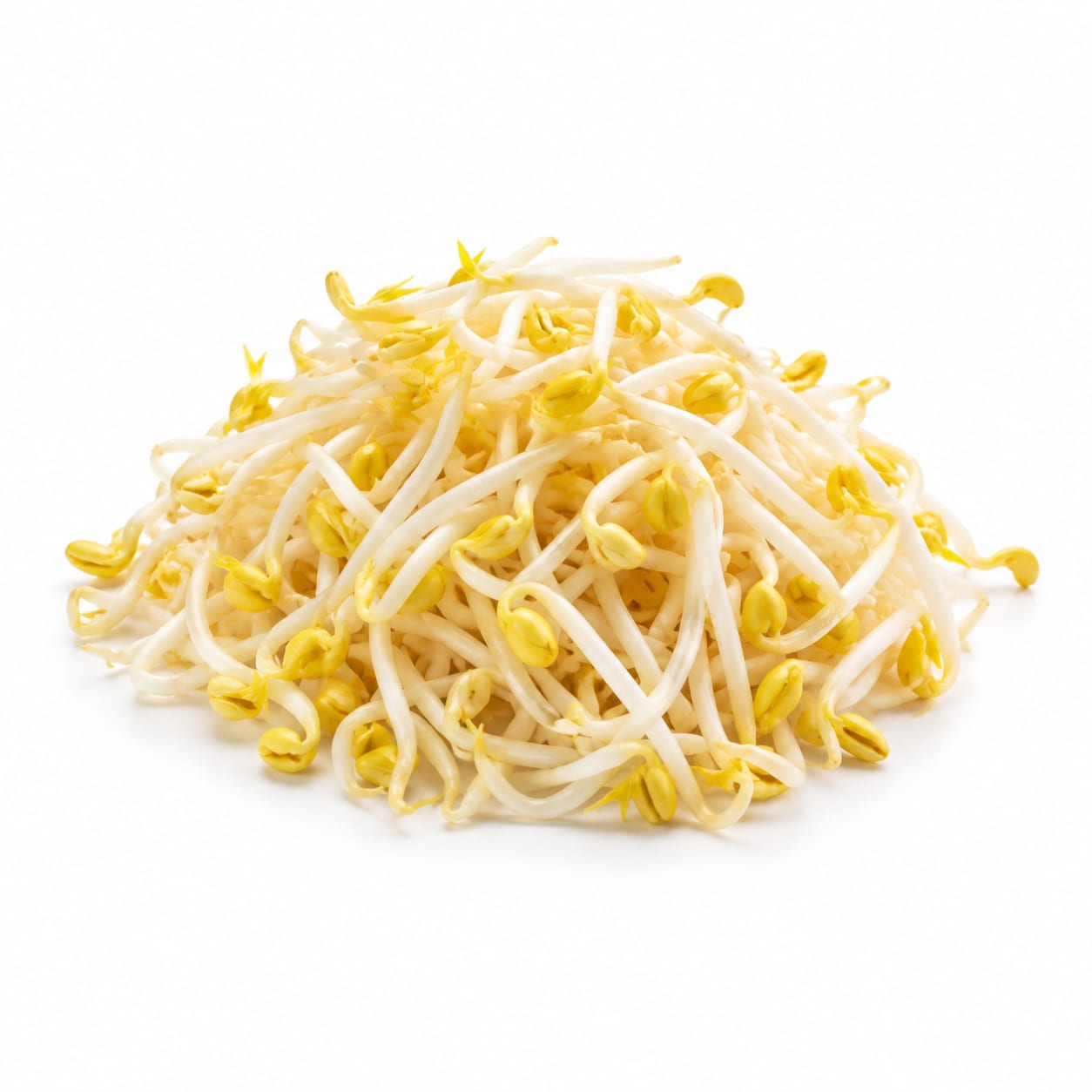
Soybean Sprouts
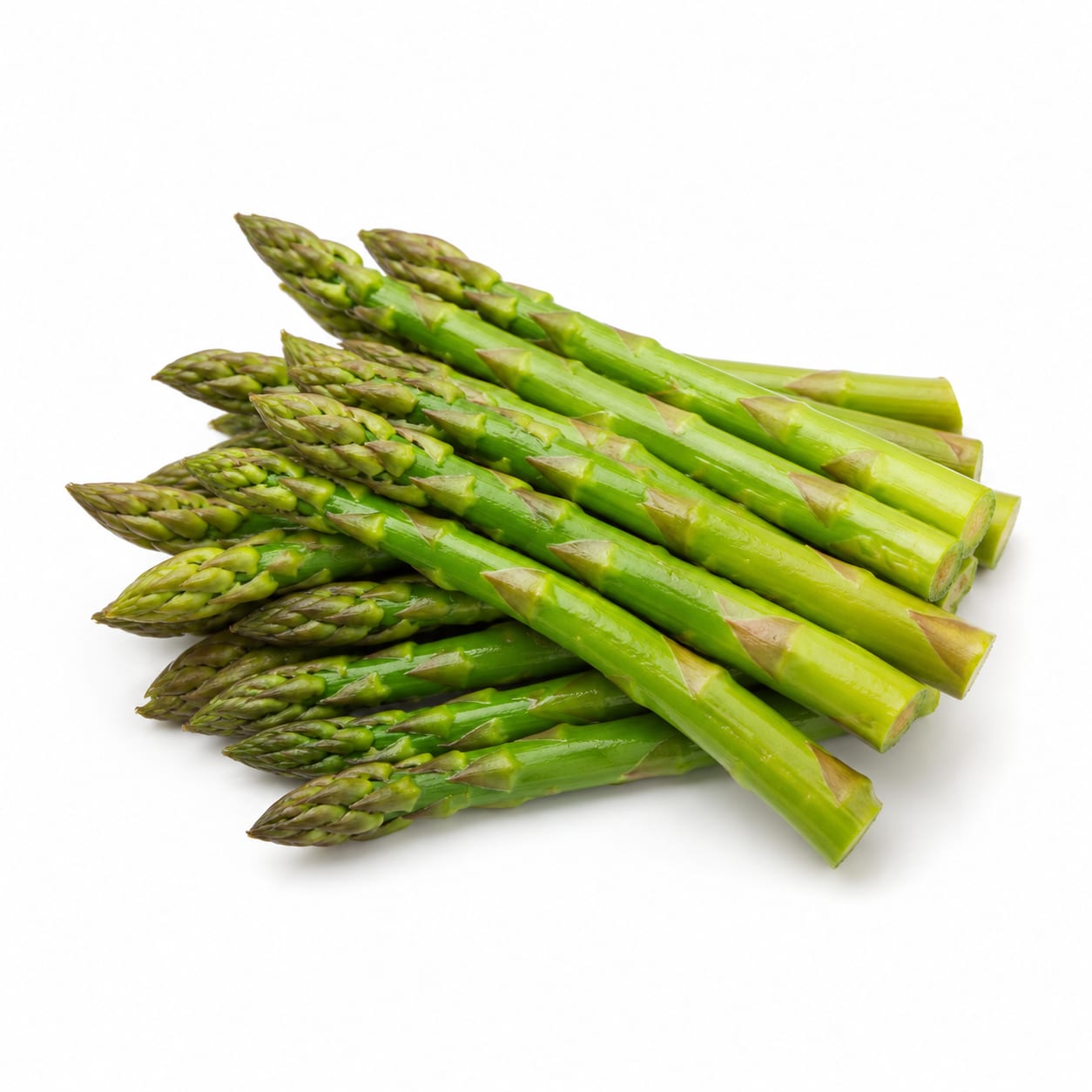
Asparagus
Asparagus is the safer, gut-friendly daily vegetable, while Soybean Sprouts win on protein but carry significant food safety tradeoffs.
Asparagus scores higher due to its exceptional gut health benefits and near-zero safety risks. Soybean Sprouts score respectably for their protein content but are pulled down by their high contamination risk and digestive challenges if undercooked.
You trade the higher protein and crunch of Soybean Sprouts for the superior safety, prebiotics, and ease of Asparagus.
At a glance
Executive summary
Overall
Asparagus
Healthier
Asparagus
More practical
Asparagus
Daily use
Asparagus
Key comparison lenses
Food Safety and Contamination Risk
Soybean sprouts are notoriously high-risk for bacterial outbreaks, which drastically impacts how they should be consumed compared to asparagus.
Plant-Based Protein and Satiety
Soybean sprouts offer a surprising protein boost for a vegetable, making them more filling than asparagus.
Gut Health and Prebiotics
Asparagus is a top-tier prebiotic food, heavily favoring gut microbiome health over the simpler fiber in sprouts.
Culinary Convenience and Versatility
Asparagus is easier to prepare safely and pairs with more cooking methods, while sprouts require careful washing and cooking.
Best choice for
Soybean Sprouts
- Plant-based eaters needing extra protein
- Stir-fry and soup enthusiasts wanting texture
- Those on a tight budget seeking nutrient density
Asparagus
- People prioritizing gut health and digestion
- Anyone with a weakened immune system
- Home cooks wanting a low-maintenance side dish
Least suitable for
Soybean Sprouts
- Pregnant women and the elderly
- People who prefer raw salads
- Those with compromised immune systems
Asparagus
- People prone to gout attacks
- Those sensitive to sulfur odors in urine
- Anyone looking for a high-protein vegetable
Deep comparison
Dimension by dimension
Each lens scores both foods and breaks down who each option suits.
- Dimension 1 · Priority 95Asparagus
Food Safety and Contamination
Soybean Sprouts · 40Asparagus · 95Asparagus is incredibly safe, while Soybean Sprouts are a frequent culprit in foodborne illness outbreaks.
Tradeoff
Soybean Sprouts require rigorous cooking to be safe, stripping away the option of eating them raw in salads.
Why it matters
The warm, humid conditions needed to sprout soybeans are also perfect for breeding Salmonella and E. coli.
Real-world impact
Eating raw or lightly cooked Soybean Sprouts can lead to severe food poisoning, making them a risky choice for vulnerable people.
Soybean Sprouts
- Those who thoroughly cook all their vegetables
Better for
- Immunocompromised individuals
- Raw food dieters
Worse for
Asparagus
- Pregnant women
- Children
- The elderly
- Anyone wanting peace of mind
Better for
- No significant safety drawbacks
Worse for
- Dimension 2 · Priority 85Asparagus
Gut Health and Digestion
Soybean Sprouts · 65Asparagus · 92Asparagus is packed with inulin, a powerful prebiotic that feeds good gut bacteria far better than Soybean Sprouts.
Tradeoff
Soybean Sprouts can cause gas and bloating if not cooked thoroughly, whereas Asparagus actively supports a healthier microbiome.
Why it matters
A thriving gut microbiome improves everything from immunity to mood, giving Asparagus a distinct long-term health edge.
Real-world impact
Regularly eating Asparagus leads to smoother digestion and less bloating compared to the potential gassiness from sprouts.
Soybean Sprouts
- Those who tolerate legumes well
Better for
- People prone to bloating from legumes
Worse for
Asparagus
- People with IBS looking for safe fiber
- Anyone wanting to improve gut flora
Better for
- Those who notice sulfur-related digestive irritation
Worse for
- Dimension 3 · Priority 80Soybean Sprouts
Protein and Satiety
Soybean Sprouts · 85Asparagus · 60Soybean Sprouts contain significantly more protein, making them more filling and supportive of muscle maintenance.
Tradeoff
You get a better protein hit from Soybean Sprouts, but Asparagus keeps you full through fiber volume rather than protein.
Why it matters
Finding high-protein vegetables can be tough on plant-based diets, giving sprouts a clear functional advantage.
Real-world impact
A bowl of Soybean Sprouts will stave off hunger longer than an equal portion of Asparagus, making it a better post-workout addition.
Soybean Sprouts
- Vegans and vegetarians
- Athletes needing plant protein
- People trying to stay full longer
Better for
- People who struggle with digesting plant proteins
Worse for
Asparagus
- Those counting calories over protein
Better for
- Anyone needing a protein-dense meal component
Worse for
- Dimension 4 · Priority 75It depends
Vitamins and Micronutrients
Soybean Sprouts · 80Asparagus · 88Asparagus delivers massive amounts of Vitamin K and folate, while Soybean Sprouts offer more Vitamin C and B vitamins.
Tradeoff
Asparagus is superior for blood clotting and cell repair, whereas Soybean Sprouts shine more for immune support and energy metabolism.
Why it matters
Both are nutrient-dense, but Asparagus provides rarer, more concentrated micronutrients per calorie.
Real-world impact
Eating Asparagus easily covers your daily folate needs for heart and brain health, while sprouts give a lighter, immune-boosting boost.
Soybean Sprouts
- Those needing an immune system lift
- Anyone low on energy-related B vitamins
Better for
- Those relying on a single vegetable for folate
Worse for
Asparagus
- Pregnant women needing folate
- People wanting stronger bones via Vitamin K
Better for
- People avoiding Vitamin K due to blood thinners
Worse for
- Dimension 5 · Priority 70Asparagus
Culinary Convenience
Soybean Sprouts · 60Asparagus · 85Asparagus is easier to prep and cook safely, while Soybean Sprouts demand careful washing and quick use.
Tradeoff
Asparagus lasts longer in the fridge and cooks beautifully with simple roasting, whereas sprouts spoil fast and require vigilant cooking.
Why it matters
If a vegetable is high-maintenance or spoils quickly, it often gets wasted or skipped entirely on busy weeknights.
Real-world impact
You can roast Asparagus straight from the fridge with minimal prep, but Soybean Sprouts need multiple rinses and immediate cooking to be safe.
Soybean Sprouts
- Quick stovetop stir-fries
- Asian-inspired soups
Better for
- Meal prep due to short shelf life
- Raw salad applications
Worse for
Asparagus
- Meal prepping
- Roasting and grilling
- Busy weeknight sides
Better for
- Recipes requiring a crunchy texture
Worse for
Timeline
Health impact over time
Short-term
Hours to days
Soybean Sprouts
- Provides a quick protein boost to stabilize hunger
- Can cause stomach upset or bloating if undercooked
- Requires immediate refrigeration and cooking to avoid spoilage
Asparagus
- Promotes healthy, comfortable digestion
- Causes a harmless but noticeable sulfur odor in urine
- Acts as a natural diuretic, reducing water retention
Long-term
Months to years
Soybean Sprouts
- Isoflavones may support bone density and ease menopause symptoms
- Consistent consumption requires strict hygiene to avoid chronic gut issues
- Supports muscle maintenance on plant-based diets
Asparagus
- Inulin feeds beneficial gut bacteria, lowering inflammation over time
- High folate supports cardiovascular and cognitive health
- Excellent for maintaining a healthy weight long-term
Risk profile
Safety & processing
Both are whole, natural vegetables. However, Soybean Sprouts are technically a processed product of sprouting, requiring careful handling despite their natural status.
Soybean Sprouts
Bacterial Contamination (Salmonella, E. coli)
highThe sprouting environment is warm and humid, creating an ideal breeding ground for harmful bacteria that can penetrate the seed.
Asparagus
Pesticide Residue
lowAsparagus is consistently on the EWG's Clean Fifteen list, meaning it has very low pesticide residue even when conventionally grown.
Who wins for whom
Audience fit
Same foods, different winners depending on your goal.
children
AsparagusAsparagus is much safer for children due to the high bacterial contamination risk associated with Soybean Sprouts.
daily consumption
AsparagusAsparagus can be eaten daily without safety concerns, whereas Soybean Sprouts require strict hygiene and cooking every time.
diabetes
AsparagusAsparagus offers more fiber and a lower glycemic impact, supporting steadier blood sugar levels better than Soybean Sprouts.
elderly
AsparagusAsparagus is safer and easier to digest, while Soybean Sprouts pose a higher food safety risk for weakened immune systems.
muscle gain
Soybean SproutsSoybean Sprouts contain significantly more protein, which is essential for muscle repair and growth compared to Asparagus.
weight loss
AsparagusAsparagus is lower in calories and higher in prebiotic fiber, making it more filling per calorie than Soybean Sprouts.
Your move
Decision guide
Choose Soybean Sprouts
- You need a plant-based protein boost in your stir-fries
- You are diligent about washing and thoroughly cooking your vegetables
- You enjoy the distinct crunchy texture they add to Asian dishes
Choose Asparagus
- You want a safe, low-maintenance vegetable for meal prep
- Gut health and easy digestion are top priorities
- You are cooking for pregnant women, children, or the elderly
Either works if
- You just need a nutritious green side dish and plan to cook it fully
- You are looking to increase your daily vegetable intake
Avoid both if
- You have severe gout and must limit purines and legumes
- You are on a strict low-fiber diet for acute digestive issues
Final recommendation
Make Asparagus your everyday green for its safety, gut benefits, and ease of use. Save Soybean Sprouts for occasional stir-fries when you want extra protein and crunch, but always cook them thoroughly to eliminate food safety risks.
Practical
Consumer tips
- 1
Always cook Soybean Sprouts until they are steaming hot to kill potential bacteria; never eat them raw.
- 2
Store Asparagus like a bouquet: trim the ends and stand them upright in a glass of water in the fridge.
- 3
Rinse Soybean Sprouts vigorously in cold water and check for any slimy or discolored sprouts before cooking.
- 4
Snap the woody bottoms off Asparagus naturally by bending the stalk; it will break exactly where the tender part begins.