
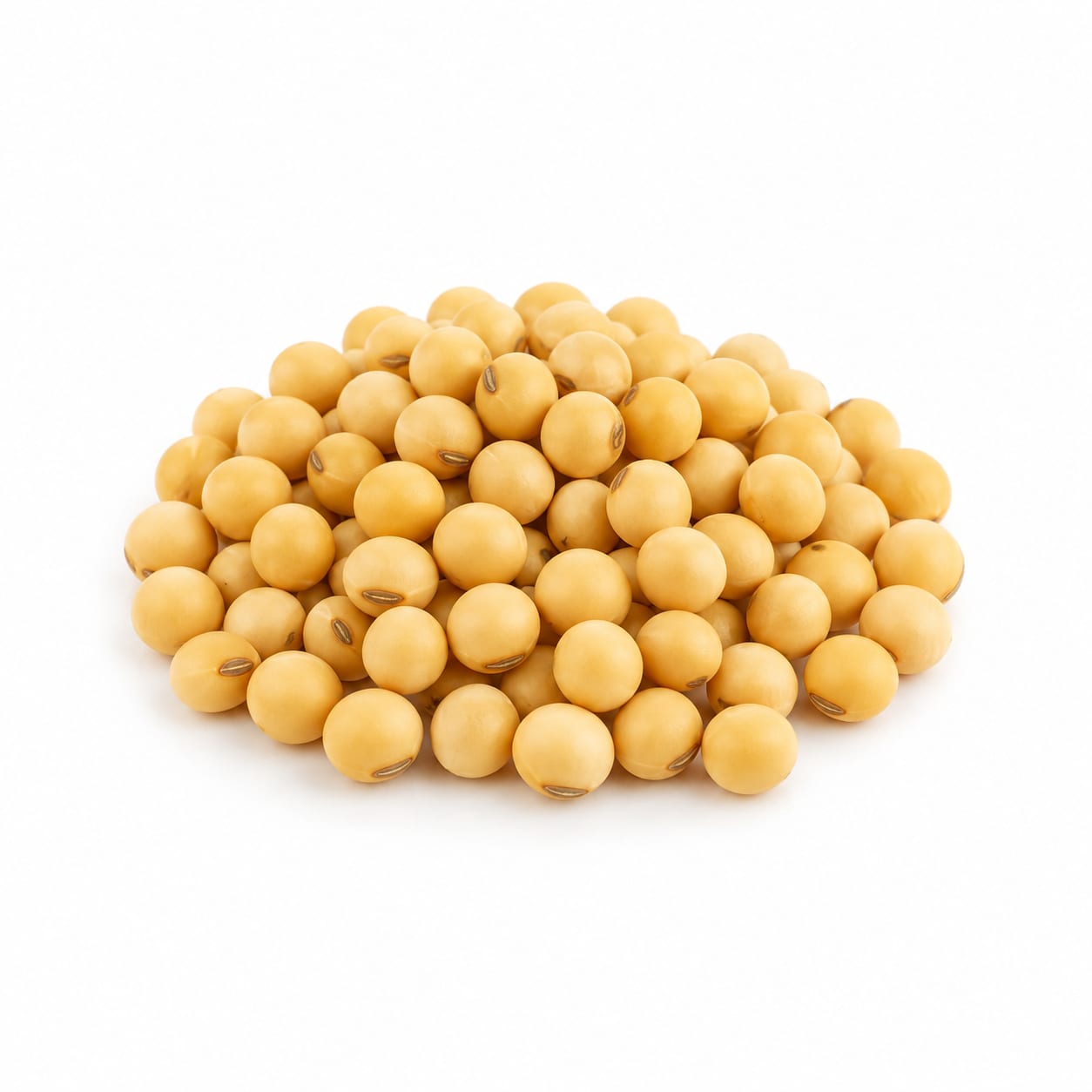
Legume
Soybean
A protein and fat-rich legume commonly used for plant-based protein, oil production, and fermented foods.
Soybeans are a high-protein legume native to East Asia, widely cultivated for their edible bean, oil, and numerous processed food products like tofu and tempeh.
protein and fat-dense legume
Typical serving · 100g
Common varieties · edamame (green immature soybean), yellow soybean, black soybean, brown soybean
Overall context score across nutrition, safety, and diet fit
At a glance
Quick facts
Simple indicators based on nutrition, processing, and diet fit.
The story
What makes it unique
Soybeans are dense in protein and fat, with moderate complex carbohydrates and high fiber. Digestion is slow due to the high protein, fat, and fiber content, promoting prolonged satiety. As a minimally processed whole food, they retain their native micronutrient and phytochemical profile, including isoflavones.
Varieties: edamame (green immature soybean) · yellow soybean · black soybean · brown soybean
Per 100g
Nutrition breakdown
Macro balance and key metrics at a glance.
Energy
Density 4.46 kcal/g
Protein
Carbs
Fat
Fiber
Sugar
7.3 g
Sodium
2 mg
Potassium
1797 mg
Glycemic index
15
Glycemic load
1
Water content
8.5%
Standout compounds
Nutrient highlights
Protein
highSupports muscle synthesis and satiety
Isoflavones
highProvides antioxidant and mild estrogenic effects for cardiovascular health
Fiber
moderatePromotes digestive regularity and feeds gut microbiota
Potassium
highHelps regulate blood pressure and fluid balance
Iron
moderateEssential for oxygen transport in the blood
Wellness map
Health scores & processing
NOVA processing scale
minimally processed · Whole food
Whole soybeans are unprocessed or minimally processed agricultural commodities, though they are frequently used as base ingredients for ultra-processed foods.
Diet compatibility
- Weight loss
- Muscle gain
- Diabetes
- Gut health
- Low carb
- High protein
- Heart health
Relative standing
Food rankings
Qualitative ranks compared to similar whole foods.
- Satietyexcellent
- Blood sugarexcellent
- Nutrient densityexcellent
- Fitness fuelgood
- Processing qualityexcellent
Eat with confidence
Food safety profile
Conventional soybeans are heavily sprayed with pesticides, making organic sourcing preferable. They can also accumulate cadmium from soil. Raw soybeans contain trypsin inhibitors and must be cooked to be safe for consumption.
Evidence confidence 85%
- Pesticideshigh
- Antibioticslow
- Heavy metalsmoderate
- Contaminationlow
Watch for
- pesticide residues
- cadmium
- GMO cross-contamination
Safer choices
Organic, non-GMO certified whole soybeans
Prep tips
Soak overnight and boil thoroughly to neutralize trypsin inhibitors and hemagglutinin.
High prevalence of genetically modified varieties requires labeling in some regions; conventional farming uses significant herbicides.
Deep dive
Health analysis
How this food may fit different goals and preparation choices.
Weight loss
High calorie density makes portion control essential, though high protein and fiber provide strong satiety.
Blood sugar
Very low glycemic index and load; fiber and fat slow carbohydrate absorption, preventing glucose spikes.
Fitness & energy
Excellent plant-based protein source for muscle repair, though high fat content makes it slower to digest than isolated soy protein.
Gut health
Fiber feeds beneficial gut bacteria, and isoflavones may reduce gut inflammation, though some individuals experience bloating from oligosaccharides.
Processing quality
Whole soybeans are minimally processed, but they are often the base for highly refined oils and protein isolates.
Food safety
Must be cooked to destroy anti-nutritional factors like trypsin inhibitors; high pesticide risk in conventional farming.
Common mistakes
Eating raw soybeans, which are toxic, or assuming all soy products like soybean oil retain the protein and health benefits of the whole bean.
Best preparation
Boiling, roasting, or fermenting as in tempeh or natto to maximize nutrient absorption and neutralize anti-nutrients.
Practical guide
Best use cases
When and how this food fits real eating patterns.
plant-based muscle building
Provides a complete protein profile essential for muscle repair on a vegan or vegetarian diet.
blood sugar stabilization
Low glycemic impact and high fiber make it ideal for managing post-meal glucose levels.
fermented gut health support
When fermented into tempeh or natto, soybeans offer probiotics and enhanced nutrient absorption.
Balance sheet
Pros & cons
Upsides
- Complete plant protein with all essential amino acids
- Very low glycemic index prevents blood sugar spikes
- High fiber and protein maximize satiety
- Rich in isoflavones which support heart health
- Versatile base for numerous minimally processed foods like tempeh
Trade-offs
- High calorie density requires portion awareness
- Raw soybeans are toxic and must be thoroughly cooked
- Conventional crops are heavily treated with pesticides and often genetically modified
- Contains oligosaccharides that can cause gas and bloating
- Common allergen for many individuals
Fit check
Who is it for?
Great match
- plant-based muscle building
- blood sugar management
- heart-healthy diets
- high-protein vegan meals
Consider alternatives
- strict low-calorie diets
- low-fat diets
- individuals with severe soy allergies
- FODMAP-sensitive individuals
Side by side
How it compares
Open the full head-to-head analysis for nutrition, safety, and practical tradeoffs.
This food
Soybean
VS95% alike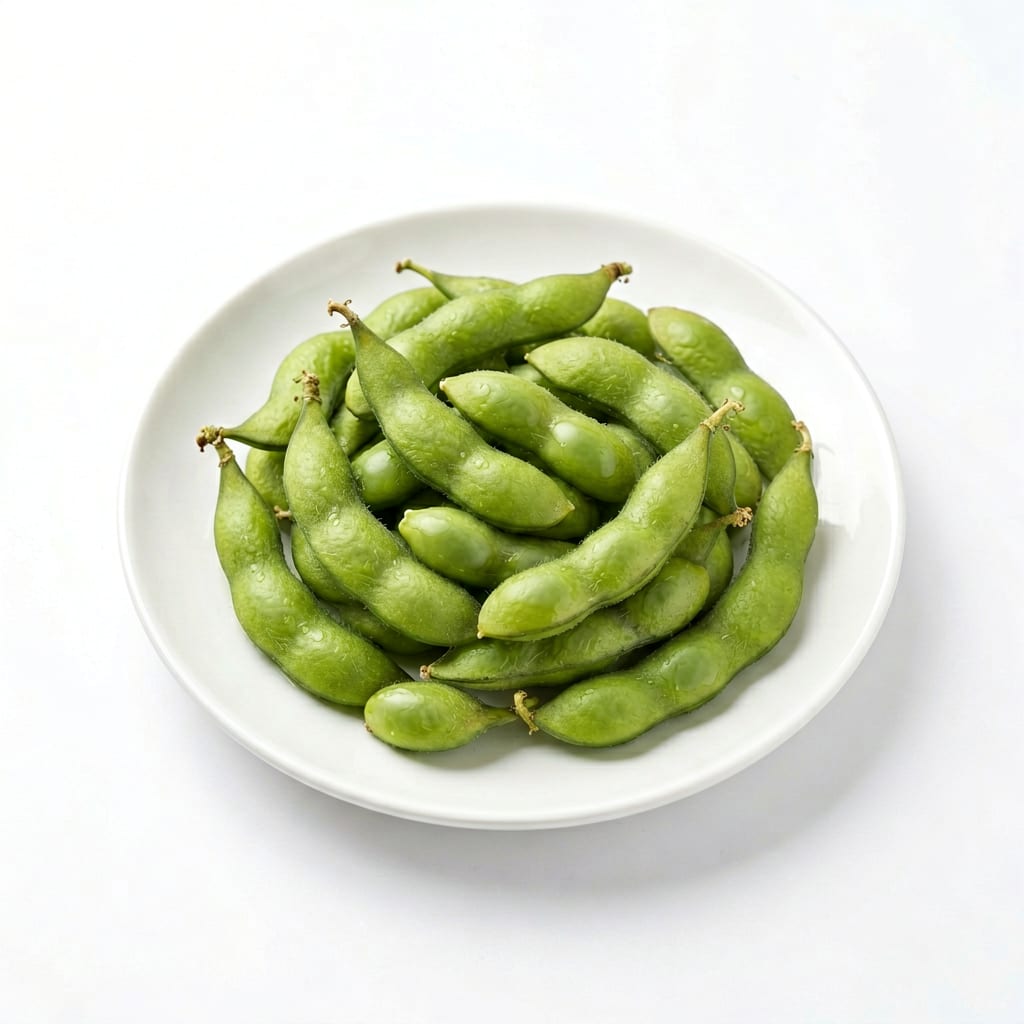
Compare with
Edamame
Edamame is lower in calories and fat, making it better for weight loss, while mature soybeans are denser in protein and iron.
Edamame offers fewer calories and more vitamin K, while mature soybeans provide denser protein and iron for muscle building.
This food
Soybean
VS80% alike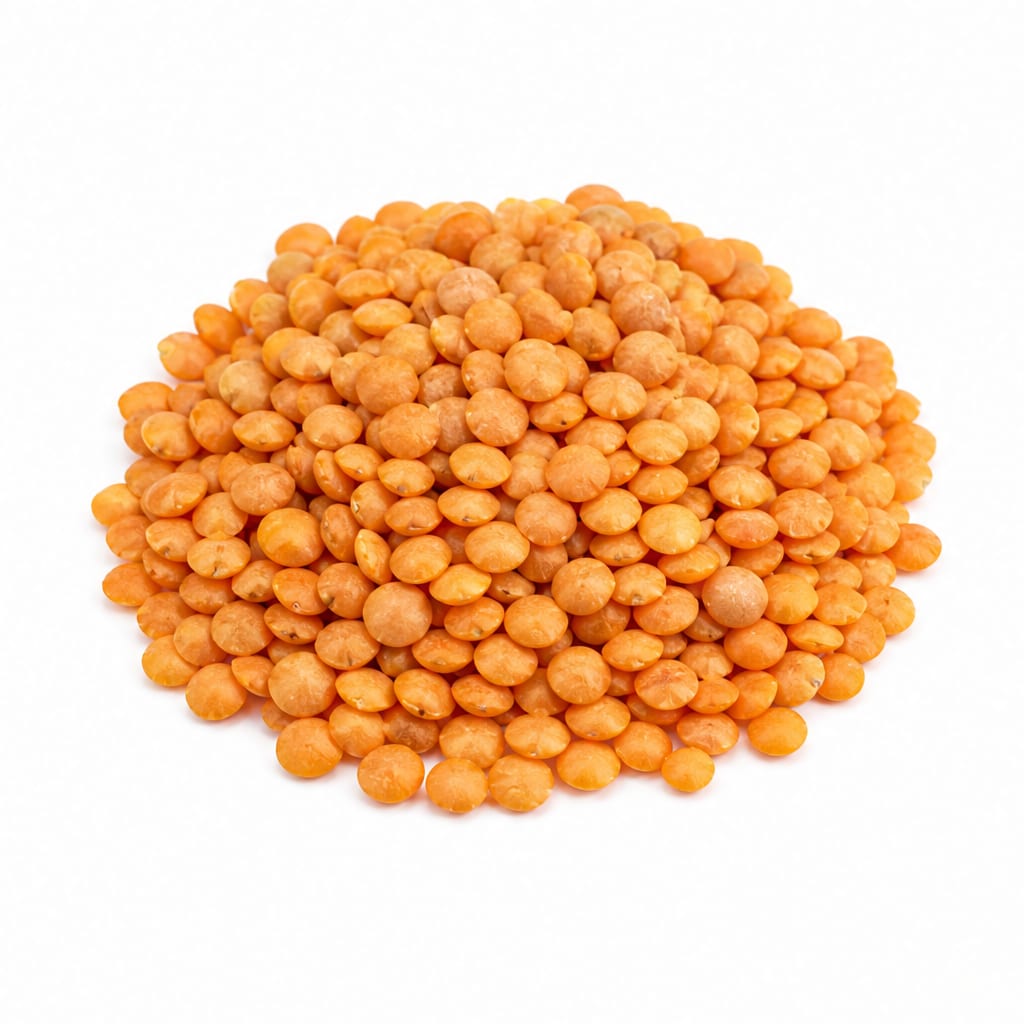
Compare with
Lentils
Lentils are lower in fat and calories, making them better for weight loss, while soybeans offer more protein and healthy fats.
Lentils are lighter and lower in fat for dieting, while soybeans provide a complete protein profile and more healthy fats.
This food
Soybean
VS75% alike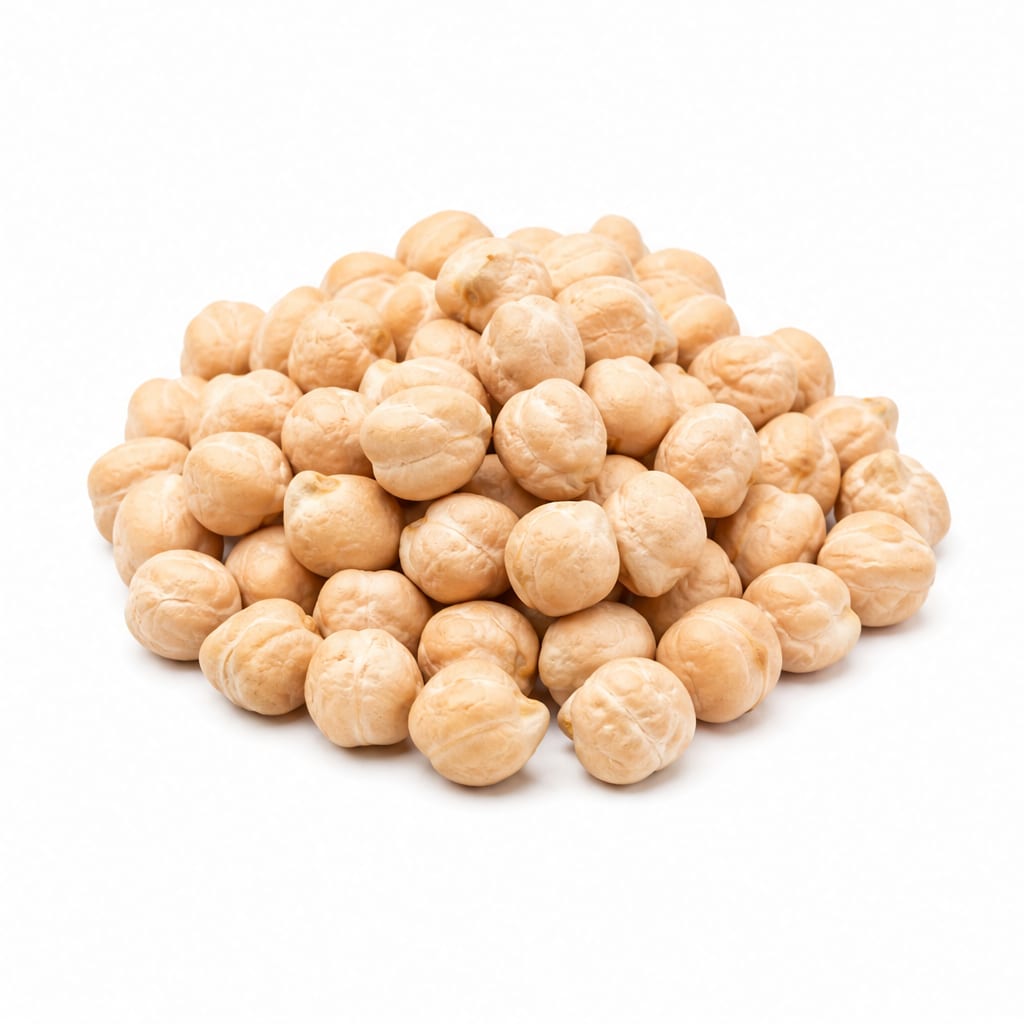
Compare with
Chickpeas
Chickpeas are lower in fat and calories, whereas soybeans provide significantly more protein and a complete amino acid profile.
Chickpeas are lower in calories and fat, while soybeans deliver much higher protein and all essential amino acids.
This food
Soybean
VS85% alike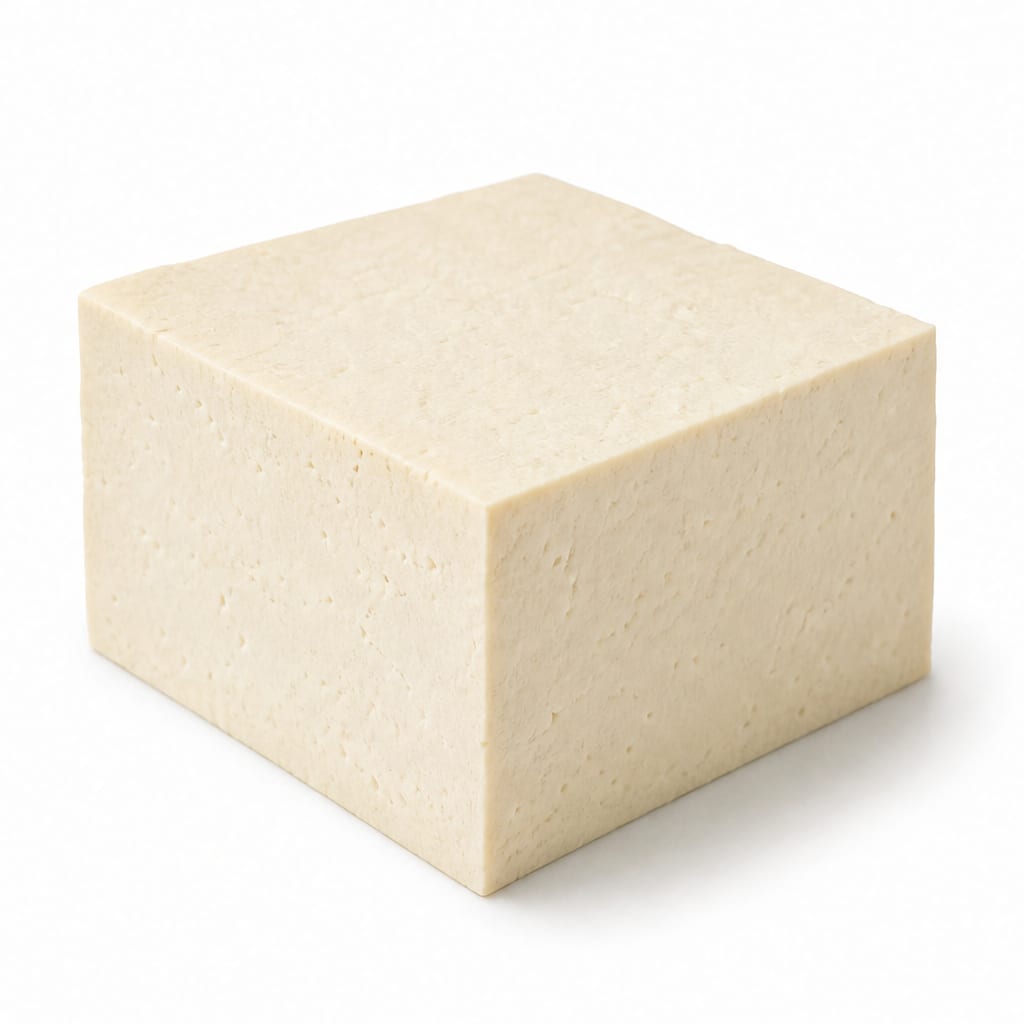
Compare with
Tofu
Tofu is a processed form of soybean with lower carbs and fiber, while whole soybeans retain their fiber and full micronutrient profile.
Tofu is lower in calories and carbs for strict diets, while whole soybeans offer more fiber and intact micronutrients.
This food
Soybean
VS75% alike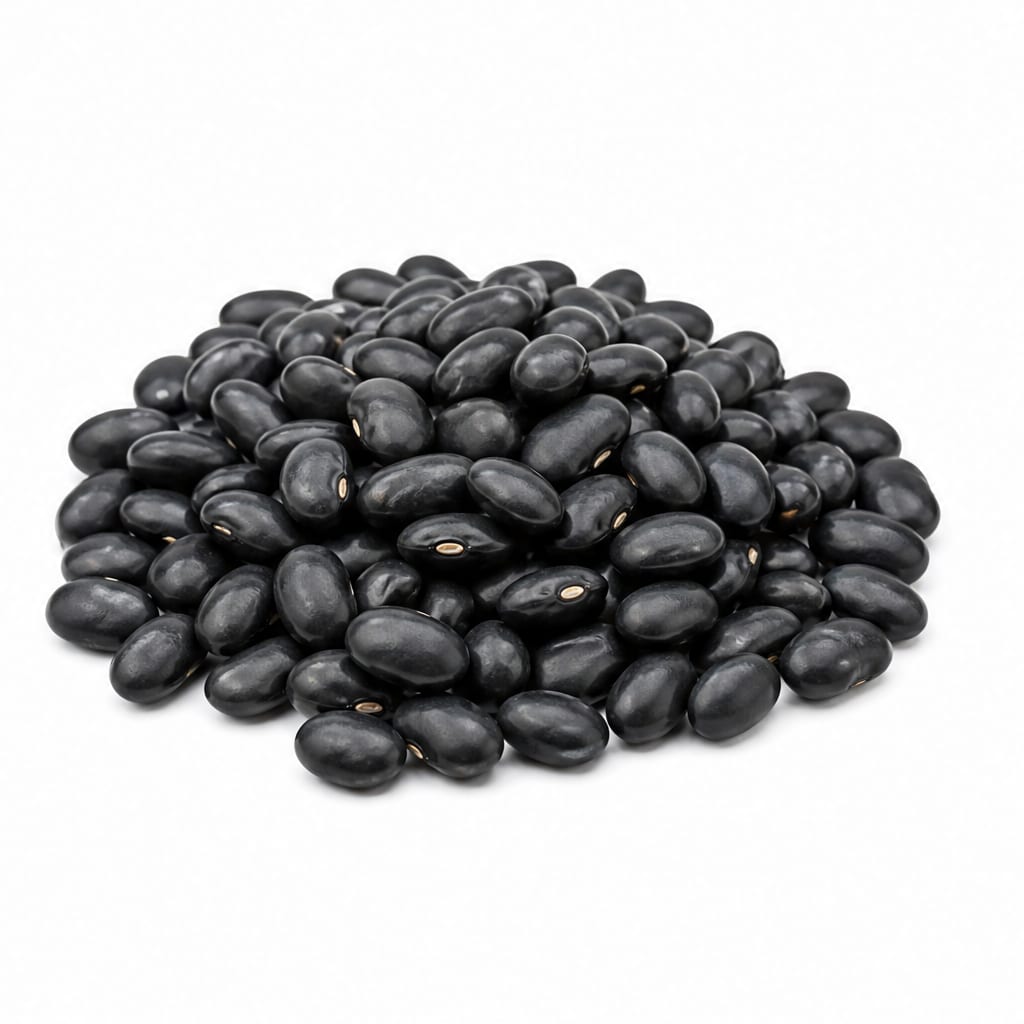
Compare with
Black Beans
Black beans are lower in calories and fat, but soybeans are much higher in protein and healthy fats.
Black beans are lighter on calories, while soybeans pack significantly more protein and healthy fats per serving.
This food
Soybean
VS90% alike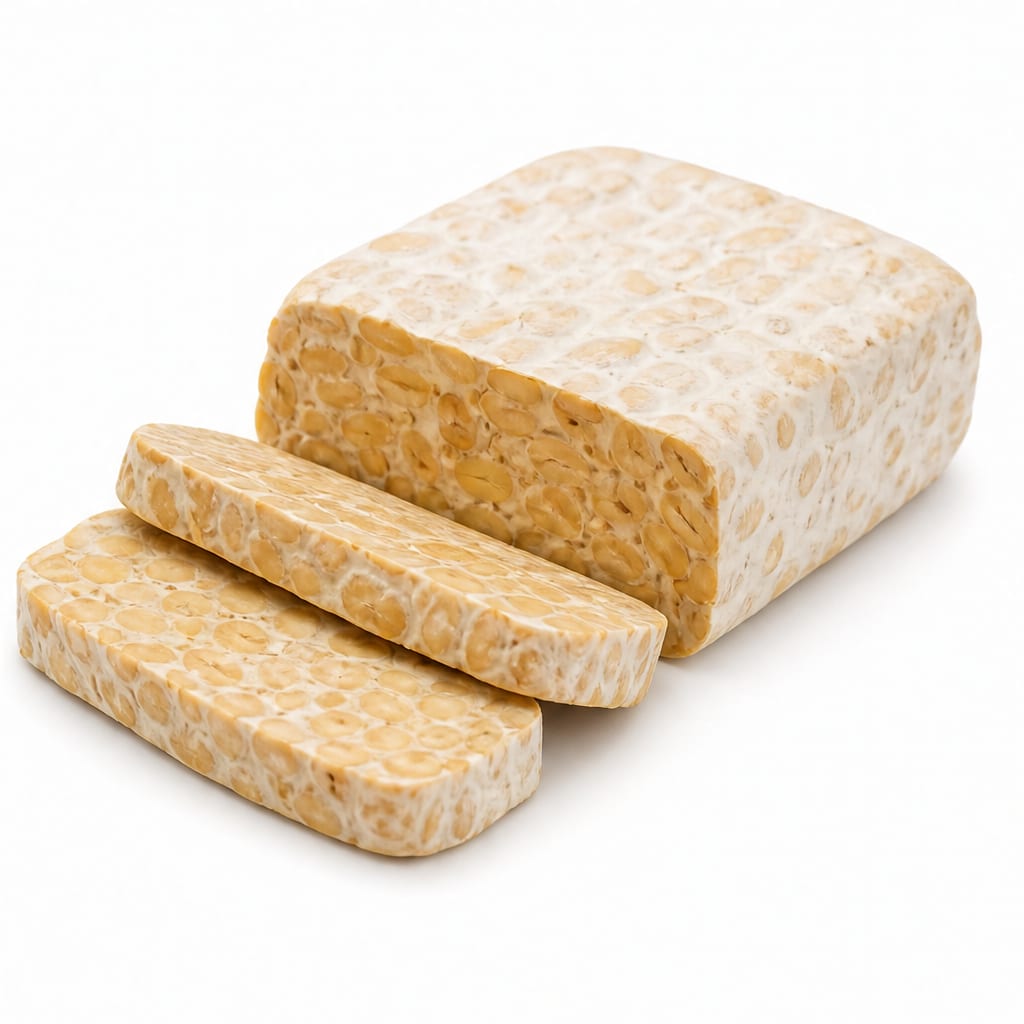
Compare with
Tempeh
Tempeh is fermented soybean, offering probiotics and better digestibility, while whole soybeans are unfermented and cheaper.
Tempeh provides probiotics and easier digestion through fermentation, while whole soybeans offer a whole-food, unprocessed form.
This food
Soybean
VS70% alike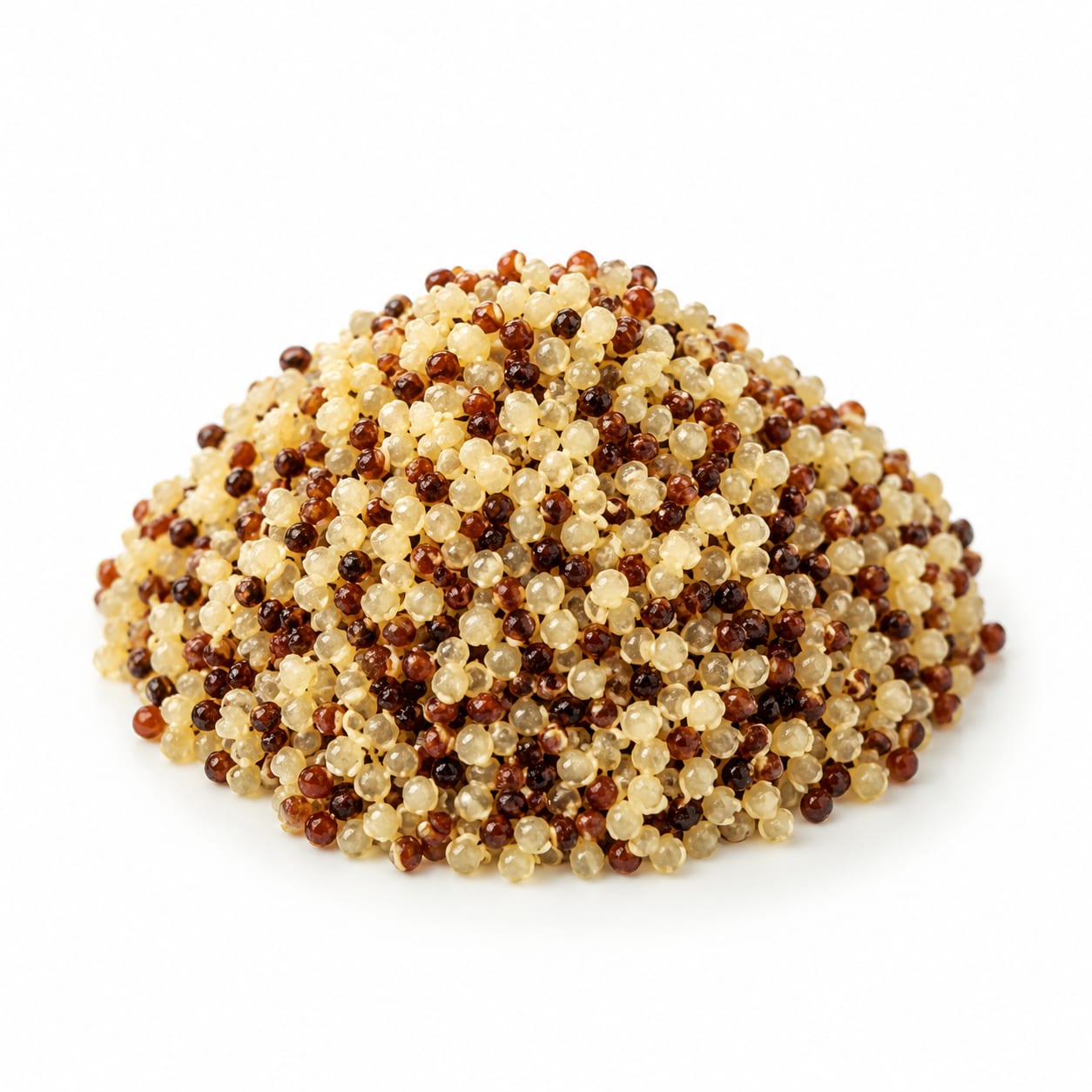
Compare with
Quinoa
Quinoa is a grain with higher carbs and lower fat, while soybeans are a legume with much higher protein and fat content.
Quinoa is a lighter carb-focused complete protein, while soybeans are a dense, high-fat, high-protein legume.
This food
Soybean
VS80% alike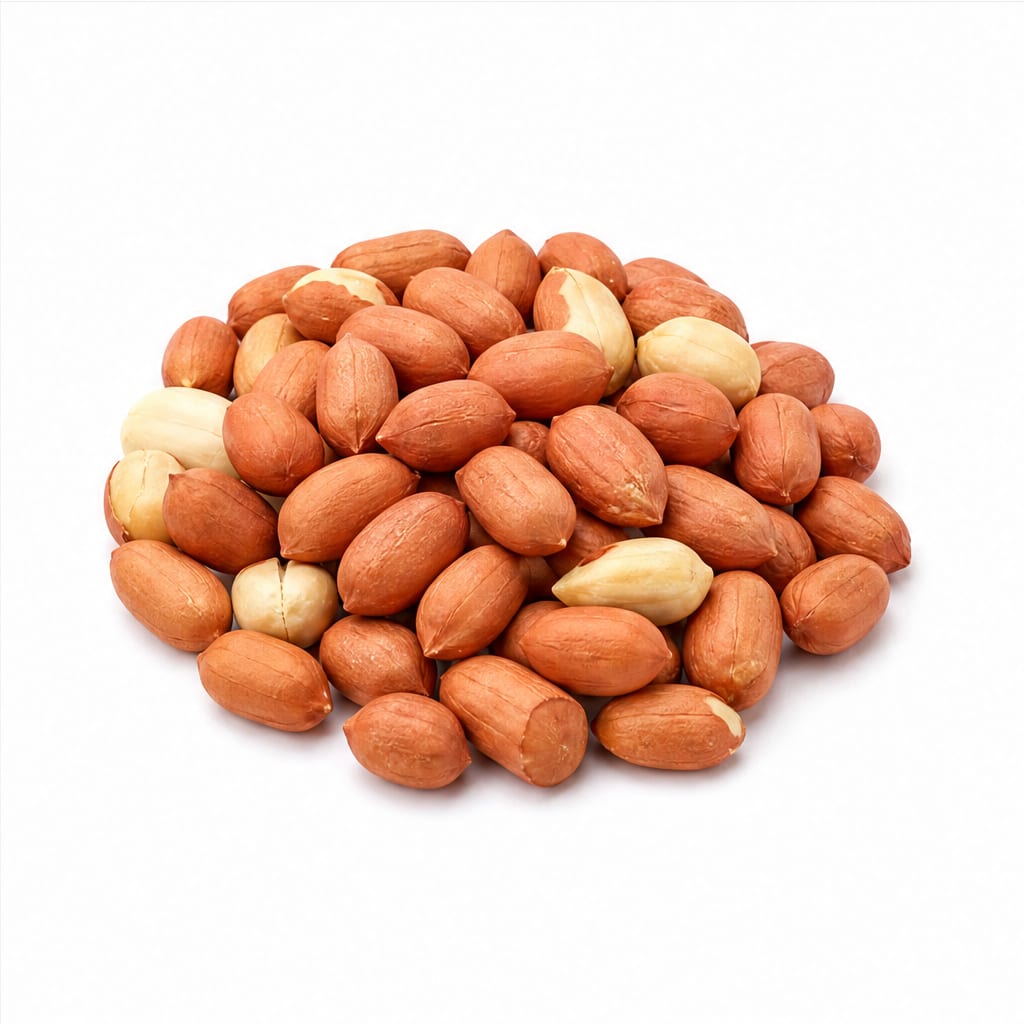
Compare with
Peanuts
Peanuts are higher in fat and calories, while soybeans offer a better omega-3 to omega-6 ratio and more fiber.
Peanuts are higher in calories and saturated fat, while soybeans provide a better fat profile and more fiber per calorie.
This food
Soybean
VS75% alike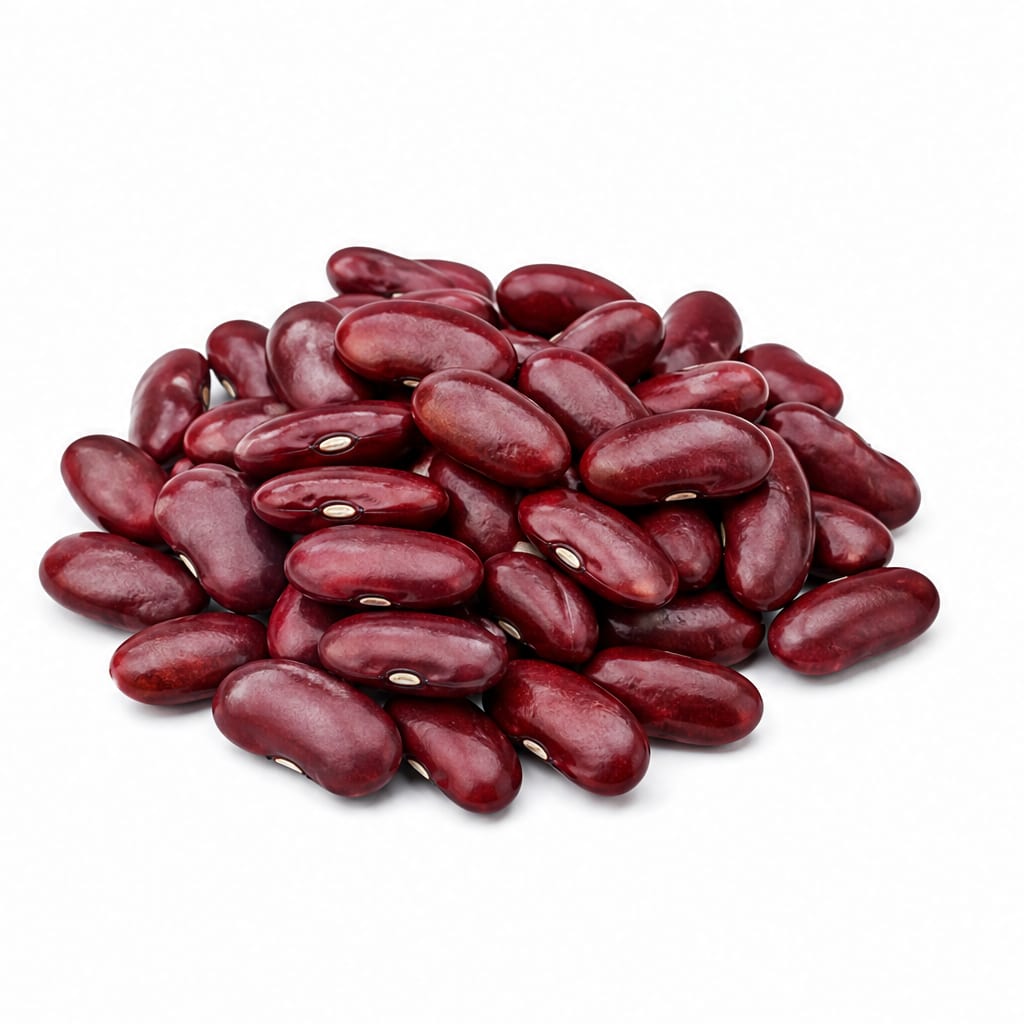
Compare with
Kidney Beans
Kidney beans are lower in fat and protein, while soybeans are a denser source of complete protein and isoflavones.
Kidney beans are lower in calories and fat, while soybeans are a nutritional powerhouse with complete protein and isoflavones.
This food
Soybean
VS65% alike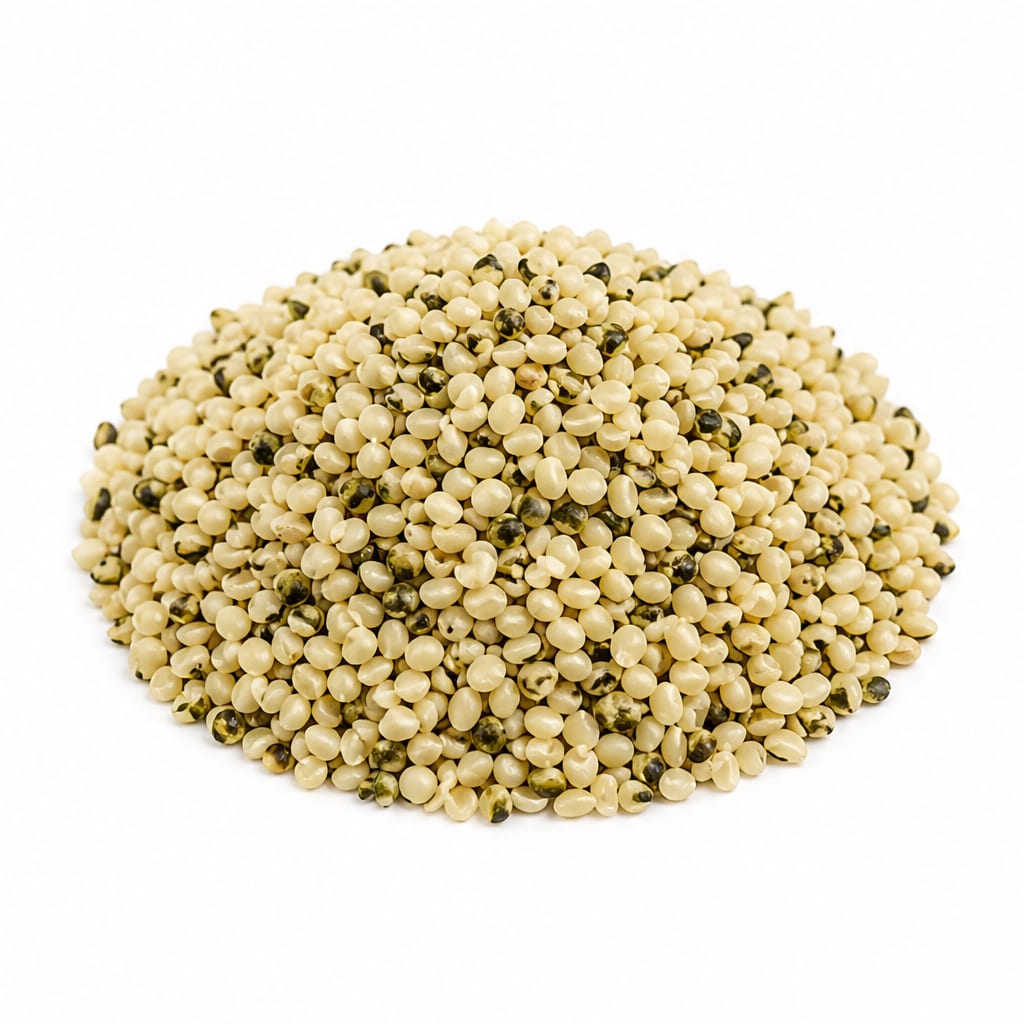
Compare with
Hemp Seeds
Hemp seeds are higher in fat and lower in carbs, while soybeans provide more volume, fiber, and a similar complete protein profile.
Hemp seeds offer a low-carb complete protein, while soybeans provide more fiber and volume for greater meal satiety.
Common questions
FAQ
Answers aligned with how people search for this food.
Are soybeans good for weight loss?
Soybeans are high in protein and fiber, which increases fullness, but their high calorie density means portion control is necessary for weight loss.
Do soybeans increase estrogen?
Soy contains phytoestrogens (isoflavones), which are much weaker than human estrogen and do not feminize men or disrupt hormones in healthy people.
Are soybeans safe to eat raw?
No, raw soybeans contain trypsin inhibitors and hemagglutinin, which are toxic and interfere with digestion; they must be cooked thoroughly.
How much protein is in soybeans?
Cooked soybeans provide about 17 grams of protein per cup, while raw mature soybeans contain roughly 36 grams per 100 grams.
Are soybeans good for diabetics?
Yes, soybeans have a very low glycemic index and load, and their protein and fiber help stabilize blood sugar levels.
What is the difference between edamame and soybeans?
Edamame are immature green soybeans harvested before hardening, while standard soybeans are mature, dried, and typically yellow or black.
Do soybeans cause bloating?
Yes, soybeans contain oligosaccharides, a type of carbohydrate that can cause gas and bloating in some individuals if not properly cooked or fermented.
Is soy bad for men?
No, extensive research shows that moderate soy consumption does not lower testosterone or negatively affect male reproductive health.
How do you cook raw soybeans?
Soak dried soybeans overnight, then boil them for 1-3 hours until tender to ensure anti-nutrients are destroyed and the beans are digestible.
Are soybeans a complete protein?
Yes, soybeans are one of the few plant foods that provide all nine essential amino acids in adequate ratios, making them a complete protein.
Transparency
Data confidence
Estimated confidence for nutrition data, interpretation, safety notes, and comparisons.
Nutrition data
Health analysis
Food safety
Comparisons