
Nutrition comparison
Soybean vs Quinoa: Which Plant Protein Is Better for You?
Compare soybeans and quinoa on protein, macros, hormones, and meal practicality. Find out which one fits your diet, your goals, and your daily routine.
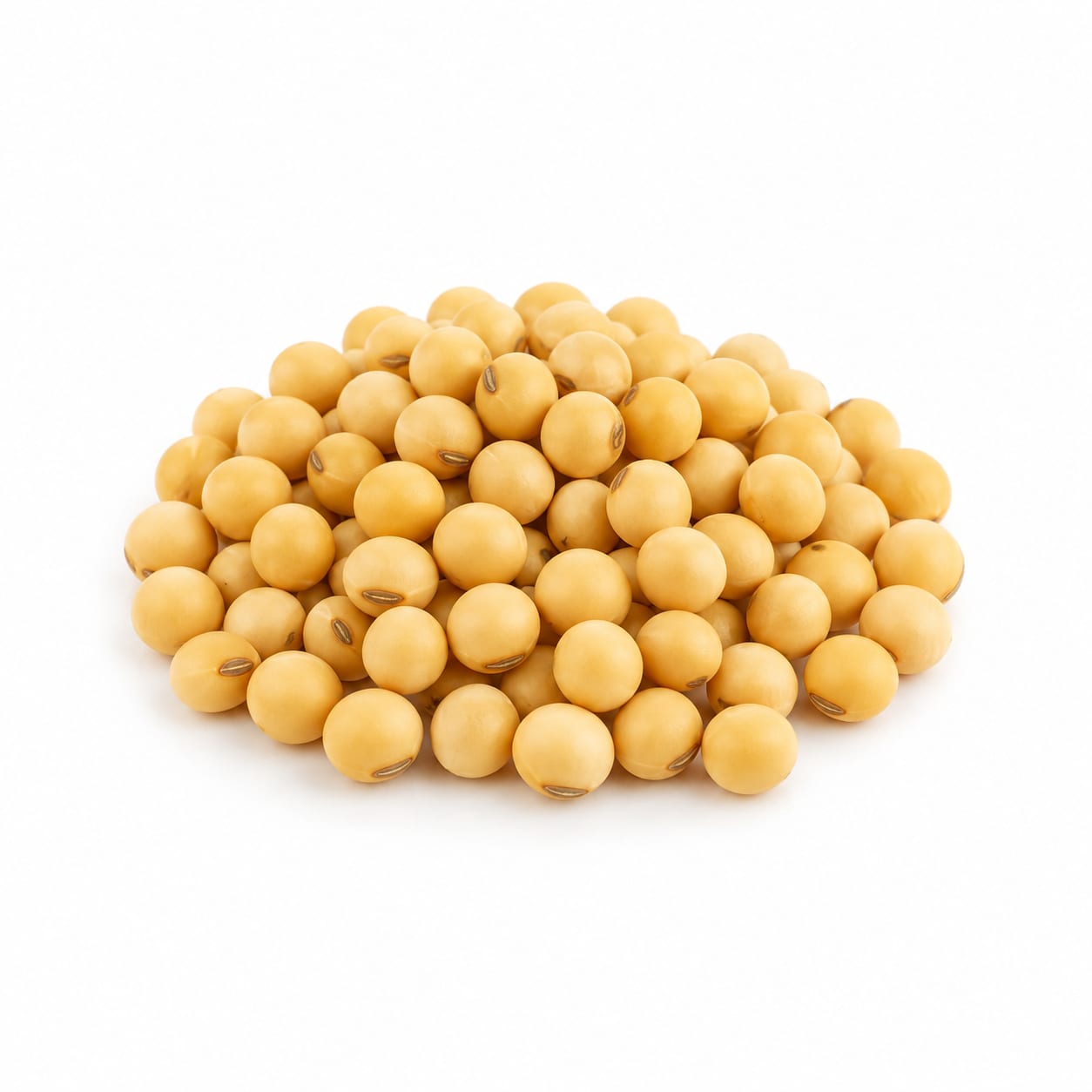
Soybean
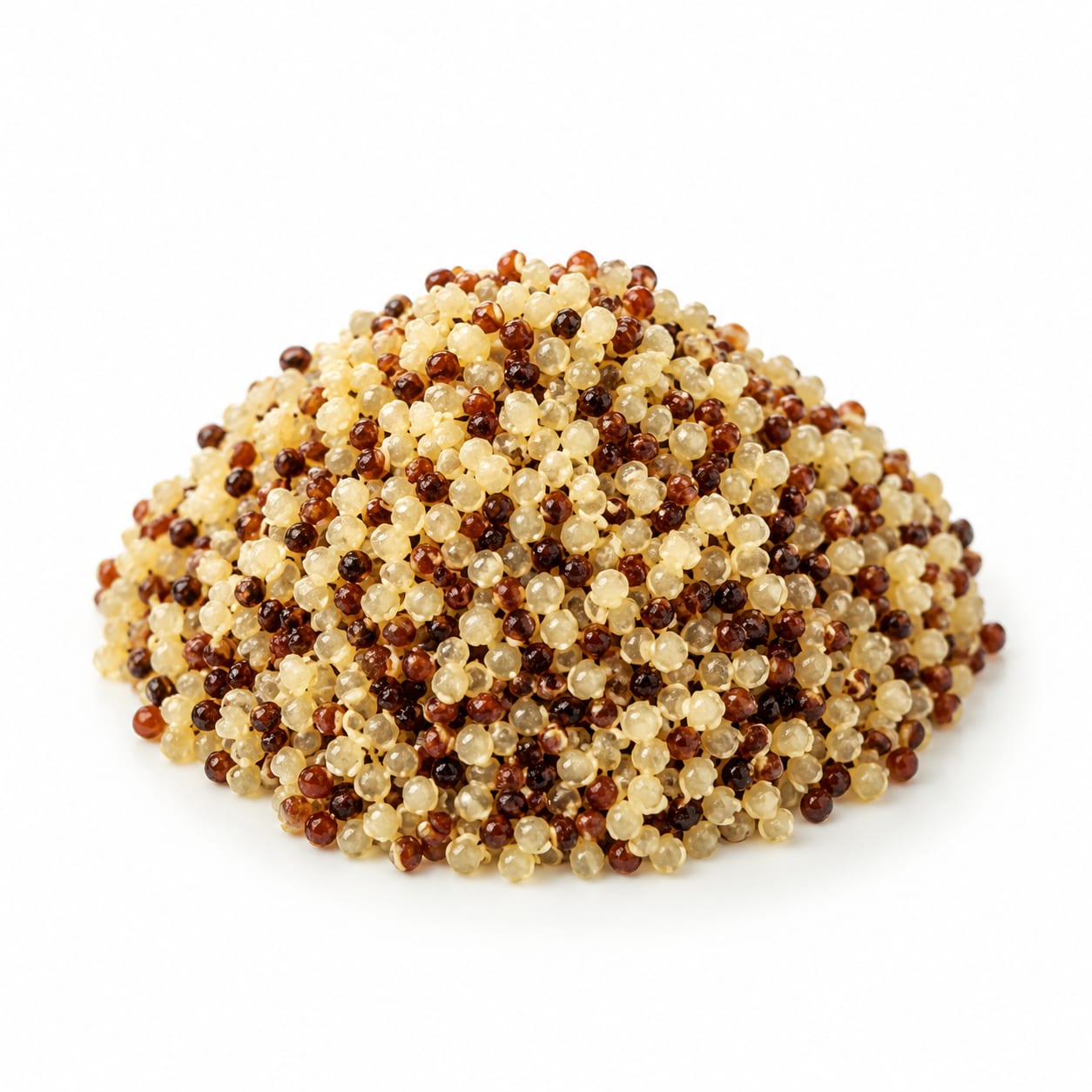
Quinoa
Soybeans deliver far more protein and healthy fats per bite, while quinoa offers lighter, carb-based energy that fits more easily into everyday meals.
Soybeans edge ahead on raw nutritional power — more protein, more healthy fats, more micronutrients per serving. Quinoa scores close behind because it is easier to eat daily, gentler on digestion, and free from the hormonal and allergen concerns that complicate soy consumption.
Nutrient density versus meal flexibility — soybeans are the nutritional powerhouse but quinoa is the practical daily staple.
At a glance
Executive summary
Overall
It depends
Healthier
It depends
More practical
Quinoa
Daily use
Quinoa
Key comparison lenses
plant protein quality
Both are rare complete plant proteins, making this their defining shared strength and the most natural comparison point
macronutrient balance
Soybeans are fat-protein dominant while quinoa is carb-protein dominant, creating a fundamental tradeoff in how they fuel your body
hormonal and allergen concerns
Soy isoflavones and soy allergy are major decision factors that quinoa avoids entirely
meal versatility
Quinoa integrates easily into grain-based meals while soybeans require more deliberate planning
weight management strategy
Different calorie densities and satiety profiles make them suited for different weight goals
Best choice for
Soybean
- People needing high protein from plants, such as vegans and vegetarians
- Those seeking omega-3 ALA and heart-healthy fats
- Women looking for natural phytoestrogen support during perimenopause
- Anyone recovering from illness who needs calorie-dense nutrition
Quinoa
- Athletes needing steady carb-fueled energy before workouts
- People with soy allergies or soy sensitivities
- Families wanting an easy, kid-friendly grain substitute
- Anyone managing blood sugar who prefers a lighter glycemic load per serving
Least suitable for
Soybean
- People with soy allergies or thyroid conditions requiring isoflavone caution
- Those on low-calorie diets who find soybeans too energy-dense for large portions
- Anyone prone to digestive discomfort from high-fat legumes
Quinoa
- People strictly limiting carbohydrates
- Those needing very high protein intake without supplementation
- Anyone with saponin sensitivity or quinoa intolerance
Deep comparison
Dimension by dimension
Each lens scores both foods and breaks down who each option suits.
- Dimension 1 · Priority 95Soybean
protein_power
Soybean · 92Quinoa · 68Soybeans roughly double quinoa's protein per serving and provide it with a stronger amino acid profile.
Tradeoff
You get significantly more muscle-building material from soybeans, but quinoa's protein is still complete and comes with less calorie baggage from fat.
Why it matters
For plant-based eaters, protein quantity and quality are daily concerns. Soybeans make hitting targets much easier.
Real-world impact
A cup of cooked soybeans delivers about 29g of protein versus 8g in a cup of cooked quinoa — that is the difference between meeting your target and falling short.
Soybean
- Vegans struggling to hit protein goals
- Post-workout recovery meals
- Older adults preserving muscle mass
Better for
- Small eaters who find soybeans too filling too fast
Worse for
Quinoa
- Lighter meals where protein is not the priority
- Endurance athletes who need carbs with moderate protein
Better for
- Anyone relying on a single food as their main protein source
Worse for
- Dimension 2 · Priority 90It depends
macronutrient_balance
Soybean · 80Quinoa · 78Soybeans are a fat-and-protein food. Quinoa is a carb-and-protein food. Neither is better — they serve different fuel needs.
Tradeoff
Soybeans keep you fuller longer with fat-driven satiety, while quinoa provides quicker energy from carbohydrates.
Why it matters
Your macronutrient needs change by meal, activity level, and time of day. Choosing the right balance prevents energy crashes and cravings.
Real-world impact
Soybeans at lunch can keep you full until dinner. Quinoa before a workout gives you energy without feeling heavy.
Soybean
- Low-carb or keto-leaning eaters
- Meals where lasting fullness matters more than quick energy
- Evening meals to avoid late-night snacking
Better for
- Anyone needing quick-access energy for performance
Worse for
Quinoa
- Pre-workout or morning fuel
- Balanced plate needs where grains are expected
- Active people burning through carbohydrates
Better for
- Those managing insulin resistance who want lower carb loads
Worse for
- Dimension 3 · Priority 85Soybean
micronutrient_density
Soybean · 88Quinoa · 75Soybeans deliver more iron, calcium, potassium, and B vitamins per serving. Quinoa is strong in magnesium and manganese but trails overall.
Tradeoff
Soybeans are the denser vitamin-mineral package, but their phytic acid can reduce how much you actually absorb.
Why it matters
Eating nutrients only matters if you absorb them. Both foods contain antinutrients that partially block mineral uptake.
Real-world impact
Soaking, sprouting, or fermenting soybeans significantly improves mineral absorption. Quinoa rinsing removes bitter saponins and also helps bioavailability.
Soybean
- People at risk of iron deficiency
- Those needing calcium from plant sources
- Vegans covering multiple micronutrient bases at once
Better for
- People eating soybeans without soaking or cooking properly, reducing actual nutrient gain
Worse for
Quinoa
- Anyone who skips preparation steps — quinoa needs only a quick rinse
Better for
- Those relying on a single grain for broad micronutrient coverage
Worse for
- Dimension 4 · Priority 85Quinoa
hormonal_and_sensitivity_profile
Soybean · 55Quinoa · 90Quinoa is hormonally neutral and hypoallergenic. Soybeans carry isoflavones that mimic estrogen and rank among the top eight allergens.
Tradeoff
Soy isoflavones may benefit some women but concern others. Quinoa avoids this entire debate.
Why it matters
Hormonal effects are cumulative and individual. What helps one person may worsen symptoms for another.
Real-world impact
A woman in perimenopause might welcome soy's phytoestrogens. Someone with thyroid issues might want to limit them. Quinoa works for both without second-guessing.
Soybean
- Women seeking natural menopause symptom support
- People whose diets benefit from moderate phytoestrogen intake
Better for
- Children consuming very large amounts daily
- People on thyroid medication without medical guidance
Worse for
Quinoa
- People with thyroid conditions under medical monitoring
- Anyone with diagnosed soy allergy
- Those who prefer foods without hormonal activity
Better for
- Dimension 5 · Priority 80Quinoa
meal_ease_and_versatility
Soybean · 58Quinoa · 88Quinoa cooks in 15 minutes and replaces rice in almost any dish. Soybeans require longer prep, stronger flavors, and more planning.
Tradeoff
Quinoa fits your life. Soybeans make you plan around them.
Why it matters
The healthiest food only works if you actually eat it. Convenience drives consistency.
Real-world impact
Quinoa can be a weeknight side dish with zero thought. Dry soybeans need overnight soaking and over an hour of cooking, though edamame and tempeh are faster shortcuts.
Soybean
- Meal preppers who batch-cook on weekends
- People already comfortable with tofu, tempeh, or miso as soy vehicles
Better for
- Spontaneous cooks who decide dinner 30 minutes before eating
Worse for
Quinoa
- Busy weeknight cooks
- Anyone new to plant-based eating who needs easy wins
- Families with picky eaters who accept grain textures
Better for
- People bored by grain-textured foods who want more variety
Worse for
- Dimension 6 · Priority 78Soybean
satiety_and_craving_control
Soybean · 85Quinoa · 70Soybeans' combination of protein, fat, and fiber creates stronger and longer-lasting fullness than quinoa's carb-heavy profile.
Tradeoff
Soybeans suppress hunger better but feel heavier. Quinoa satisfies without weighing you down.
Why it matters
Craving control is the difference between sticking with a meal plan and raiding the pantry two hours later.
Real-world impact
A soybean-based lunch can easily carry you five to six hours. Quinoa might need a snack boost by hour three.
Soybean
- Intermittent fasters needing one meal to last
- Emotional eaters who benefit from genuine physical fullness
Better for
- Anyone who dislikes the sensation of a heavy stomach
Worse for
Quinoa
- Graceful grazers who prefer lighter, more frequent meals
- Athletes who do not want a heavy stomach during activity
Better for
- People prone to afternoon energy crashes and sugar cravings
Worse for
- Dimension 7 · Priority 72Quinoa
digestive_tolerance
Soybean · 60Quinoa · 80Quinoa is generally gentle on digestion. Soybeans can cause bloating and gas, especially in larger portions.
Tradeoff
Quinoa is the safer bet for sensitive stomachs, though both are easier to digest when properly prepared.
Why it matters
A nutrient-dense food that causes discomfort gets eaten less often, reducing its real-world benefit.
Real-world impact
A big bowl of soybeans can leave you bloated for hours. Quinoa rarely triggers that reaction unless you have a specific saponin sensitivity.
Soybean
- People with well-adapted gut microbiomes used to legumes
Better for
- New legume eaters whose gut bacteria have not adapted
Worse for
Quinoa
- Anyone with IBS or sensitive digestion
- People introducing plant-based foods for the first time
Better for
- People who notice irritation from quinoa saponins when not rinsed
Worse for
Timeline
Health impact over time
Short-term
Hours to days
Soybean
- Strong satiety within 30 minutes due to high protein and fat content
- Possible bloating or gas, especially if unaccustomed to legumes
- Steady blood sugar response with minimal spikes
Quinoa
- Quick but moderate energy from complex carbohydrates
- Light comfortable fullness without heaviness
- Low digestive irritation when properly rinsed
Long-term
Months to years
Soybean
- Consistent intake linked to improved cholesterol and heart health markers
- Isoflavones may support bone density in postmenopausal women
- Potential thyroid interaction with very high daily consumption
- Possible hormonal effects that are beneficial for some but require monitoring for others
Quinoa
- Regular consumption supports steady blood sugar management
- Gluten-free nature makes it sustainable for celiac and gluten-sensitive individuals
- Magnesium and fiber content supports cardiovascular health over time
- No known hormonal or allergenic downsides with regular moderate intake
Risk profile
Safety & processing
Both foods are whole and minimally processed in their natural form. The main concern is that most soybeans grown today are genetically modified, so choosing organic soybeans matters if you want to avoid GMOs. Quinoa is typically non-GMO but watch for pre-rinsed versions with added processing aids.
Soybean
GMO exposure
mediumOver 90% of conventional soybeans are genetically modified. Choose organic to avoid GMOs if that matters to you.
phytoestrogen accumulation
mediumEating soybeans at every meal could lead to isoflavone levels that affect hormone-sensitive conditions. Moderation is key.
antinutrient interference
lowPhytic acid and trypsin inhibitors reduce mineral and protein absorption. Proper cooking neutralizes most of this.
Quinoa
saponin irritation
lowUnrinsed quinoa saponins can cause stomach irritation and a bitter soapy taste. Thorough rinsing eliminates this.
cross-contamination with gluten grains
lowSome quinoa processing facilities also handle wheat. Certified gluten-free labels matter for celiac patients.
Who wins for whom
Audience fit
Same foods, different winners depending on your goal.
children
QuinoaQuinoa is hypoallergenic, easy to digest, and has a mild flavor kids accept. Soy is a common allergen and its isoflavones raise questions about hormonal effects in developing children.
daily consumption
QuinoaQuinoa's neutral hormonal profile, easy digestion, and meal versatility make it safer and simpler to eat every day without second-guessing.
diabetes
SoybeanLower carbohydrate content and higher fat-protein ratio create a gentler blood sugar response. Quinoa is still a good choice but has more carbs per serving.
elderly
SoybeanHigher protein and calcium content help counter age-related muscle loss and bone density decline. Isoflavones may also support bone health in postmenopausal women.
muscle gain
SoybeanNearly double the protein per serving with a complete amino acid profile makes soybeans more efficient for building and repairing muscle.
weight loss
It dependsSoybeans provide stronger satiety per calorie, which helps with portion control. Quinoa offers lower calorie density per volume, allowing larger portions. Choose soybeans for hunger control, quinoa for volume eating.
Your move
Decision guide
Choose Soybean
- You are vegan or vegetarian and need concentrated plant protein
- Heart health and cholesterol management are priorities
- You want a food that keeps you full for hours without snacking
- You are a woman in perimenopause interested in natural phytoestrogen support
- You meal-prep and do not mind longer cooking times
Choose Quinoa
- You want an easy grain replacement that works in any meal
- You have a soy allergy, thyroid condition, or want to avoid phytoestrogens
- You need pre-workout or morning energy from clean carbohydrates
- You have kids or picky eaters who prefer mild familiar textures
- You want a daily staple you can eat without researching potential side effects
Either works if
- You are simply looking for high-quality plant protein and both are available
- You rotate foods regularly and do not rely on just one staple
- You pair them with vegetables and healthy fats for balanced meals
Avoid both if
- You have legume and seed sensitivities that trigger both foods
- You are on a very strict low-calorie diet where neither fits your macro budget
- You have severe digestive conditions like SIBO where both fermentable fibers cause symptoms
Final recommendation
Eat both. Use soybeans two to three times per week for protein density and heart-healthy fats. Use quinoa as your daily grain for energy and ease. This combination gives you the strengths of each without overloading on either's downsides. If you must pick just one, quinoa is the safer everyday staple, and soybeans are the targeted nutritional boost.
Practical
Consumer tips
- 1
Buy organic soybeans to avoid GMOs and pesticide residues — it is worth the small premium
- 2
Rinse quinoa thoroughly under running water for 30 seconds to remove bitter saponins
- 3
Soak dry soybeans overnight and discard the water to reduce antinutrients and improve digestibility
- 4
Try edamame as a faster whole soybean option — it cooks in five minutes and needs no soaking
- 5
Rotate between both foods rather than relying on just one to avoid overexposure to either's downsides
- 6
If you have thyroid issues, limit soybeans to a few times per week and avoid eating them within four hours of taking thyroid medication
- 7
Pre-rinsed quinoa saves time but check that no processing aids were added