
Nutrition comparison
Soybean vs Hemp Seeds: Nutrition Comparison, Protein Quality, and Omega-3 Differences
Compare Soybeans and Hemp Seeds side by side. Learn which offers better protein, omega-3s, calorie efficiency, and safety for your diet goals.
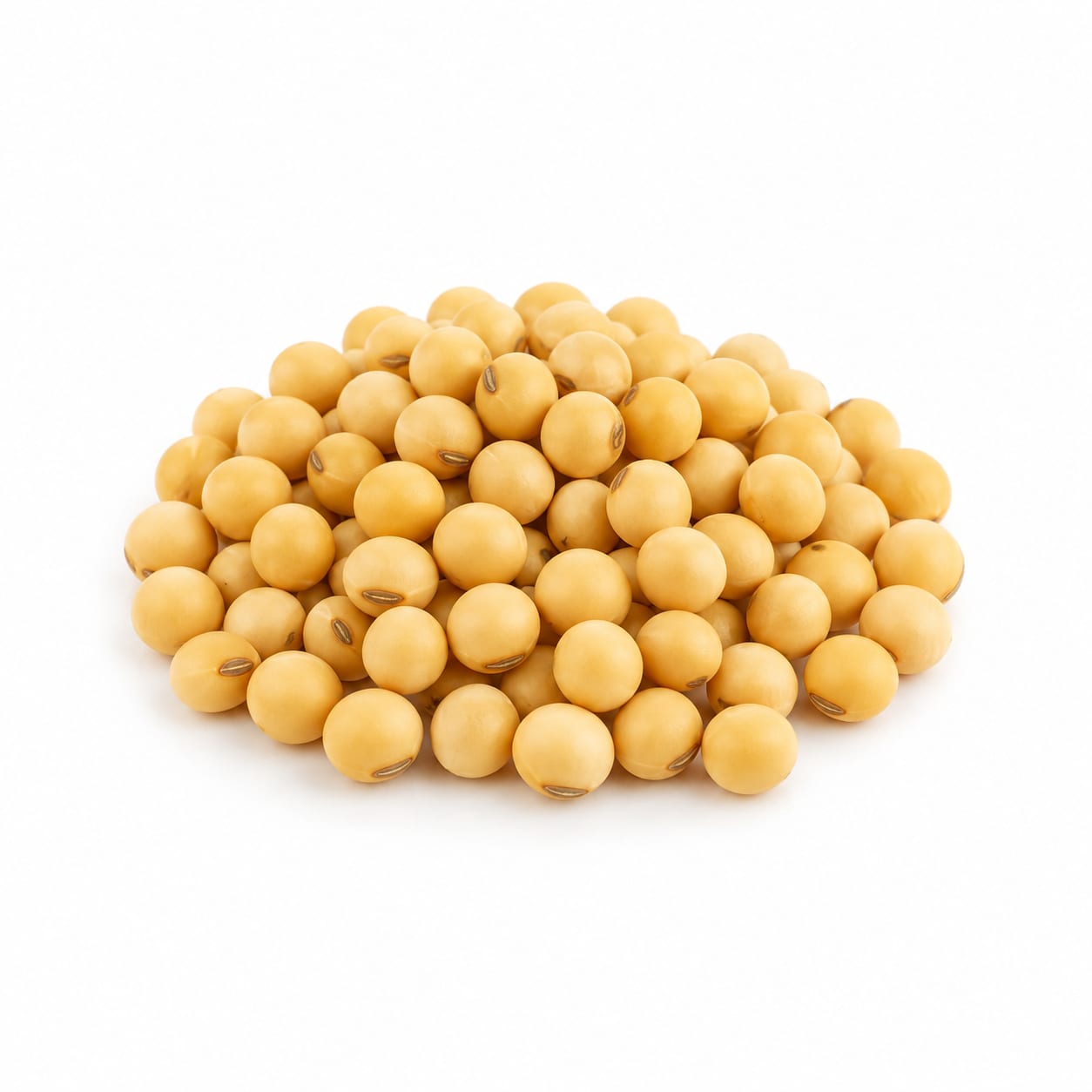
Soybean
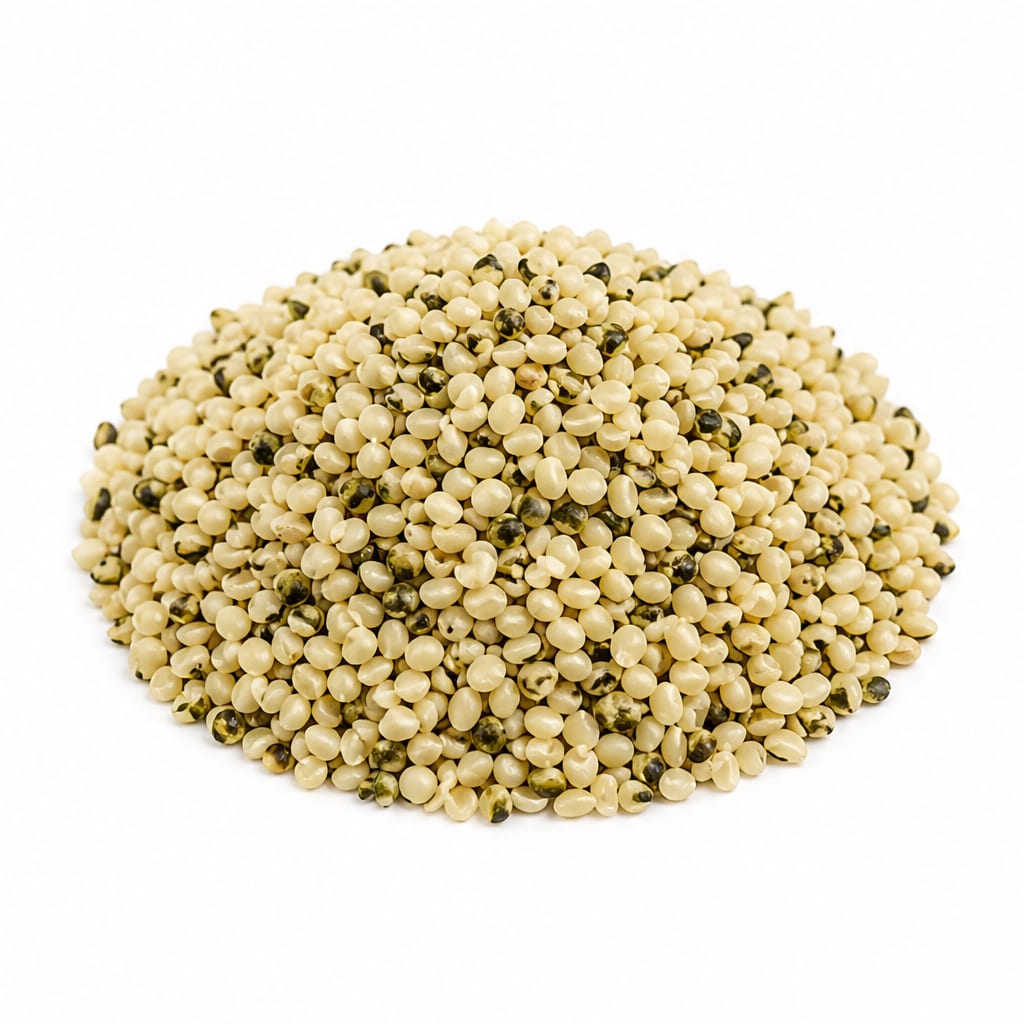
Hemp Seeds
Soybeans win for volume eaters and hormone-neutral protein, while Hemp Seeds dominate for omega-3s and nutrient density per gram.
Hemp Seeds edge ahead due to superior omega-3 content and absence of allergen and GMO concerns, but Soybeans stay competitive with better calorie-to-volume ratio and broader culinary versatility.
Soybeans give you more food volume and steadier energy for fewer calories, but Hemp Seeds deliver dramatically more omega-3s and protein density at the cost of high calories.
At a glance
Executive summary
Overall
It depends
Healthier
It depends
More practical
Hemp Seeds
Daily use
Soybean
Key comparison lenses
plant protein quality comparison
Both are rare complete plant proteins, making this the most critical differentiator for users seeking protein alternatives
omega fatty acid profile optimization
Hemp Seeds offer exceptional omega-3 to omega-6 ratio while Soybeans provide minimal omega-3s, a major nutritional divergence
calorie density and weight management
Hemp Seeds are extremely calorie-dense due to fat content, while Soybeans offer more volume per calorie
hormonal and phytoestrogen concerns
Soybeans contain isoflavones that mimic estrogen, a unique concern absent in Hemp Seeds
GMO and allergen safety
Soybeans are predominantly GMO and a top allergen, while Hemp Seeds carry neither concern
Best choice for
Soybean
- People watching calorie intake who want satisfying portions
- Anyone avoiding high-fat foods for digestive comfort
- Those seeking steady blood sugar from complex carbs
- Budget-conscious shoppers needing affordable protein
Hemp Seeds
- People needing omega-3 supplementation from food
- Those wanting maximum nutrition in small servings
- Anyone with soy allergies or soy intolerance
- Smoothie and topping enthusiasts wanting easy add-ins
Least suitable for
Soybean
- People with soy allergies or sensitivities
- Those avoiding GMO foods without organic access
- Anyone concerned about phytoestrogen effects
- People wanting high omega-3 intake from food
Hemp Seeds
- People strictly controlling calorie intake
- Anyone with fat digestion issues or gallbladder problems
- Those wanting large satisfying meal portions
- Budget-limited households
Deep comparison
Dimension by dimension
Each lens scores both foods and breaks down who each option suits.
- Dimension 1 · Priority 95Hemp Seeds
Protein Quality and Density
Soybean · 70Hemp Seeds · 88Hemp Seeds pack nearly double the protein per gram, though Soybeans still offer solid complete protein with more volume.
Tradeoff
Soybeans give you satisfying protein portions at lower calories, while Hemp Seeds deliver concentrated protein that requires portion control.
Why it matters
If you struggle to hit protein targets, Hemp Seeds make it easier. If you prefer larger meals, Soybeans feel more filling per calorie.
Real-world impact
Two tablespoons of Hemp Seeds add 10g protein to a smoothie effortlessly. A cup of edamame gives 17g protein but feels like a real snack.
Soybean
- Larger protein portions without calorie overload
- Post-workout meals where volume feels satisfying
Better for
- Low protein density means larger servings needed
Worse for
Hemp Seeds
- Hitting protein goals in small servings
- Adding protein to meals without changing their character
Better for
- Easy to overconsume calories when chasing protein targets
Worse for
- Dimension 2 · Priority 92Hemp Seeds
Omega-3 Fatty Acid Content
Soybean · 25Hemp Seeds · 95Hemp Seeds are an outstanding plant omega-3 source. Soybeans barely register on this front.
Tradeoff
Choosing Soybeans means you need another omega-3 source entirely. Hemp Seeds nearly cover this need alone.
Why it matters
Most people are deficient in omega-3s. Hemp Seeds offer one of the best plant solutions. Soybeans offer almost none.
Real-world impact
Three tablespoons of Hemp Seeds provide meaningful anti-inflammatory omega-3s. You would need to eat unrealistic amounts of Soybeans for the same effect.
Soybean
- Requires separate omega-3 food source or supplement
Worse for
Hemp Seeds
- Reducing systemic inflammation through diet
- Brain health and cognitive support
- Heart health and cholesterol management
- Skin and joint health improvement
Better for
- Dimension 3 · Priority 85Soybean
Calorie Efficiency and Satiety
Soybean · 82Hemp Seeds · 55Soybeans offer far more food volume per calorie. Hemp Seeds are calorie bombs that disappear quickly.
Tradeoff
Soybeans fill your plate and stomach. Hemp Seeds fill your nutrient needs but barely register as food volume.
Why it matters
If you eat for fullness, Soybeans satisfy. If you graze on Hemp Seeds mindlessly, calories add up fast.
Real-world impact
A cup of cooked Soybeans feels like a real side dish for 170 calories. Three tablespoons of Hemp Seeds vanish into a smoothie for 170 calories.
Soybean
- Weight management through volume eating
- Meals where feeling full matters
- Controlling snacking urges with real food portions
Better for
- Lower nutrient density per bite
Worse for
Hemp Seeds
- Situations requiring compact nutrition like hiking or travel
Better for
- Very easy to overeat without realizing
- Unsuitable for large-portion meal strategies
Worse for
- Dimension 4 · Priority 80Hemp Seeds
Hormonal Impact and Phytoestrogens
Soybean · 50Hemp Seeds · 90Soybeans contain isoflavones that mimic estrogen. Hemp Seeds have no hormonal activity.
Tradeoff
Soy isoflavones may benefit some people but concern others. Hemp Seeds avoid this conversation entirely.
Why it matters
For most people, moderate Soybean intake is fine. But those with hormone-sensitive conditions need caution.
Real-world impact
Women with estrogen-receptor-positive breast cancer should discuss Soybean intake with their doctor. Hemp Seeds carry no such concern.
Soybean
- Postmenopausal women who may benefit from mild phytoestrogen effects
Better for
- Uncertainty around long-term high-dose isoflavone intake
- Potential thyroid interaction in susceptible individuals
Worse for
Hemp Seeds
- Anyone avoiding hormonal interference from food
- People with hormone-sensitive conditions
- Men concerned about estrogenic effects
- Those wanting worry-free daily consumption
Better for
- Dimension 5 · Priority 78Hemp Seeds
Allergen and GMO Safety Profile
Soybean · 40Hemp Seeds · 92Soybeans are a top 8 allergen and mostly GMO. Hemp Seeds are allergen-friendly and typically organic.
Tradeoff
Soybeans require careful sourcing to avoid GMOs. Hemp Seeds come with fewer safety question marks.
Why it matters
Soy allergies affect millions. GMO concerns matter to many consumers. Hemp Seeds sidestep both issues.
Real-world impact
Choosing organic Soybeans solves the GMO issue but costs more. Hemp Seeds are naturally non-GMO and rarely allergenic.
Soybean
- Top 8 allergen status limits sharing and restaurant options
- GMO prevalence requires active label checking
Worse for
Hemp Seeds
- Families with soy allergy concerns
- People avoiding GMO foods
- Simplified food safety decisions
Better for
- Dimension 6 · Priority 72Soybean
Culinary Versatility
Soybean · 85Hemp Seeds · 65Soybeans transform into tofu, tempeh, milk, and flour. Hemp Seeds are mainly a topping or blend-in.
Tradeoff
Soybeans anchor entire meals and cuisines. Hemp Seeds enhance meals but rarely define them.
Why it matters
If you want one ingredient that does many jobs, Soybeans win. If you just want easy nutrition boosts, Hemp Seeds suffice.
Real-world impact
Soybeans can replace meat in stir-fries, become dessert in tofu form, or serve as milk in coffee. Hemp Seeds top salads and blend into smoothies.
Soybean
- Cooking diverse meals from one ingredient
- Plant-based meal building and recipe creativity
- Replacing multiple grocery items with one
Better for
- Requires cooking and preparation time
Worse for
Hemp Seeds
- Quick nutrition upgrades without cooking
- No-prep additions to existing meals
Better for
- Limited to accent and topping roles
- Cannot serve as a meal foundation
Worse for
- Dimension 7 · Priority 70Hemp Seeds
Mineral Bioavailability
Soybean · 55Hemp Seeds · 82Hemp Seeds provide highly bioavailable magnesium, zinc, and iron. Soybeans contain phytic acid that blocks mineral absorption.
Tradeoff
Soybeans have good mineral content on paper but phytic acid reduces what you actually absorb. Hemp Seeds deliver more usable minerals.
Why it matters
Eating minerals your body cannot absorb is wasted effort. Phytic acid in Soybeans is a real barrier.
Real-world impact
The iron and zinc in Hemp Seeds are more readily absorbed. Soybeans need soaking or fermenting to reduce phytic acid and unlock their minerals.
Soybean
- Fermented soy products like tempeh solve this issue
Better for
- Phytic acid blocks iron, zinc, and calcium absorption
- Requires soaking or fermenting to improve bioavailability
Worse for
Hemp Seeds
- Better mineral absorption without preparation tricks
- Reliable magnesium and zinc intake
- Iron support without needing vitamin C pairing
Better for
Timeline
Health impact over time
Short-term
Hours to days
Soybean
- Steady energy from complex carbohydrates and fiber
- Comfortable fullness after meals
- Possible bloating or gas from oligosaccharides
- Mild thyroid suppression in susceptible people if consumed in large amounts
Hemp Seeds
- Quick nutrient delivery in small servings
- Possible feeling of insufficient food volume if eaten alone
- Smooth digestion with no fermentable carbohydrate issues
- Rapid satiety from high fat content but potentially short-lived
Long-term
Months to years
Soybean
- Consistent fiber intake supports gut health and regularity
- Isoflavones may reduce menopausal symptoms and support bone density
- Potential thyroid interaction with chronic high consumption
- Cholesterol reduction from soy protein documented in research
Hemp Seeds
- Sustained omega-3 intake reduces inflammatory markers over time
- Consistent magnesium intake supports sleep and stress resilience
- GLA from Hemp Seeds may improve skin conditions long-term
- High calorie density requires mindful portioning to avoid weight gain
Risk profile
Safety & processing
Both whole Soybeans and hulled Hemp Seeds are minimally processed. However, Soybeans frequently enter the food supply as highly processed derivatives like soy protein isolate, which changes the conversation entirely.
Soybean
GMO exposure
mediumOver 90% of US Soybeans are GMO. Choose organic to avoid this concern entirely.
Soy allergy
highSoy is a top 8 allergen. Reactions range from hives to anaphylaxis in sensitive individuals.
Phytic acid mineral interference
lowReduces absorption of iron, zinc, and calcium. Mitigated by soaking, sprouting, or fermenting.
Pesticide residue
mediumConventional Soybeans often carry pesticide residues. Organic certification significantly reduces this risk.
Hemp Seeds
THC trace contamination
lowLegal Hemp Seeds must contain under 0.3% THC. Trace amounts possible but never psychoactive.
Rancidity from high fat content
mediumHemp Seeds spoil faster than most seeds. Store in refrigerator and use within a few months of opening.
Calorie overconsumption
mediumExtremely calorie-dense at 557 calories per 100g. Easy to exceed daily calorie needs without portion awareness.
Who wins for whom
Audience fit
Same foods, different winners depending on your goal.
children
SoybeanSoybeans offer balanced nutrition with manageable calories. Hemp Seeds are too calorie-dense for small appetites and the choking hazard is higher for very young children.
daily consumption
SoybeanSoybeans integrate into meals more easily, offer better calorie control, and provide steady energy without the risk of calorie creep from fat density.
diabetes
SoybeanSoybeans have more fiber and complex carbs that stabilize blood sugar. Hemp Seeds are low-carb but very calorie-dense.
elderly
Hemp SeedsHemp Seeds require no chewing, provide concentrated nutrition for shrinking appetites, and deliver anti-inflammatory omega-3s for joint health.
muscle gain
Hemp SeedsHemp Seeds deliver nearly double the protein per gram and add calorie surplus easily, which supports muscle building.
weight loss
SoybeanSoybeans provide more food volume and satiety per calorie, making portion control feel easier and more sustainable.
Your move
Decision guide
Choose Soybean
- You want satisfying meal portions without calorie anxiety
- You cook regularly and value ingredient versatility
- You need steady energy from complex carbohydrates
- You are budget-conscious and want affordable protein
- You are managing blood sugar or insulin resistance
Choose Hemp Seeds
- You need omega-3s and want a food-based solution
- You have soy allergies or avoid soy for hormonal reasons
- You want maximum nutrition in minimal servings
- You blend smoothies or top salads and bowls regularly
- You are underweight or need calorie-dense nutrition
Either works if
- You want complete plant protein from whole foods
- You are building a diverse plant-based diet
- You value minimally processed food sources
- You want cholesterol-friendly protein options
Avoid both if
- You have severe digestive issues with high-fiber foods
- You are on a very low-fat diet for medical reasons
- You have specific seed or legume allergies to either
Final recommendation
Use both strategically. Soybeans as your meal foundation for volume and satisfaction. Hemp Seeds as your daily omega-3 and mineral booster. Two tablespoons of Hemp Seeds on a cup of edamame gives you the best of both worlds without having to choose.
Practical
Consumer tips
- 1
Buy organic Soybeans to avoid GMO and pesticide concerns without overthinking it
- 2
Store Hemp Seeds in the refrigerator after opening to prevent rancidity from their high fat content
- 3
Try fermented Soybean products like tempeh or miso to bypass phytic acid and improve mineral absorption
- 4
Measure Hemp Seeds with a tablespoon rather than pouring freely to avoid calorie surprises
- 5
Soak dried Soybeans overnight and discard the water to reduce gas-causing oligosaccharides
- 6
Add Hemp Seeds to smoothies, oatmeal, or yogurt rather than eating them alone for better satisfaction
- 7
Choose edamame as the most convenient and appealing way to eat whole Soybeans
- 8
Rotate between both foods rather than relying on one to get broader nutrient coverage