
Nutrition comparison
Soybean vs Tempeh: Nutrition, Digestion & Health Comparison
Comparing Soybean and Tempeh? Discover which is better for digestion, protein intake, and daily meals. Learn the real tradeoffs between whole soybeans and fermented tempeh.
Overall winner · Tempeh
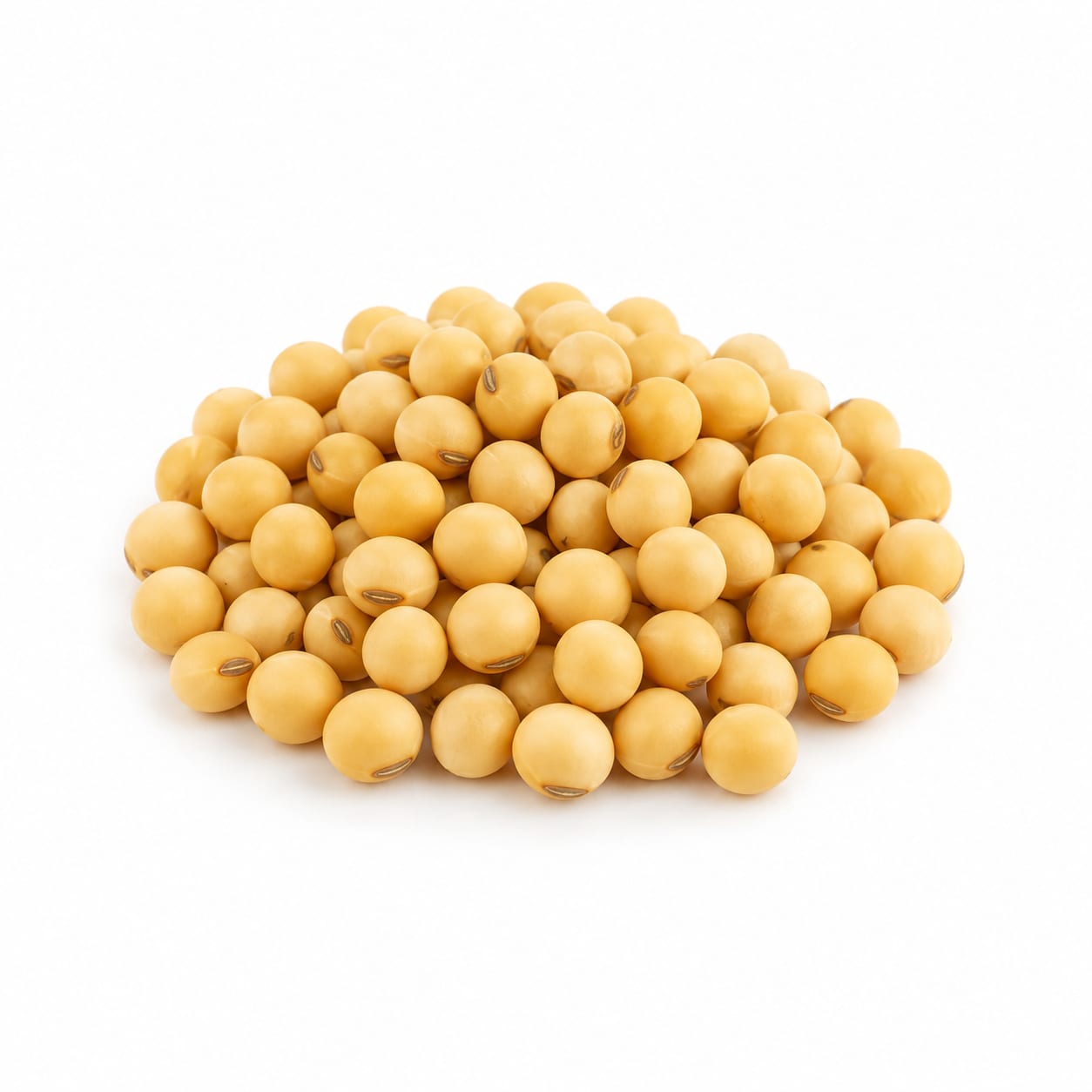
Soybean
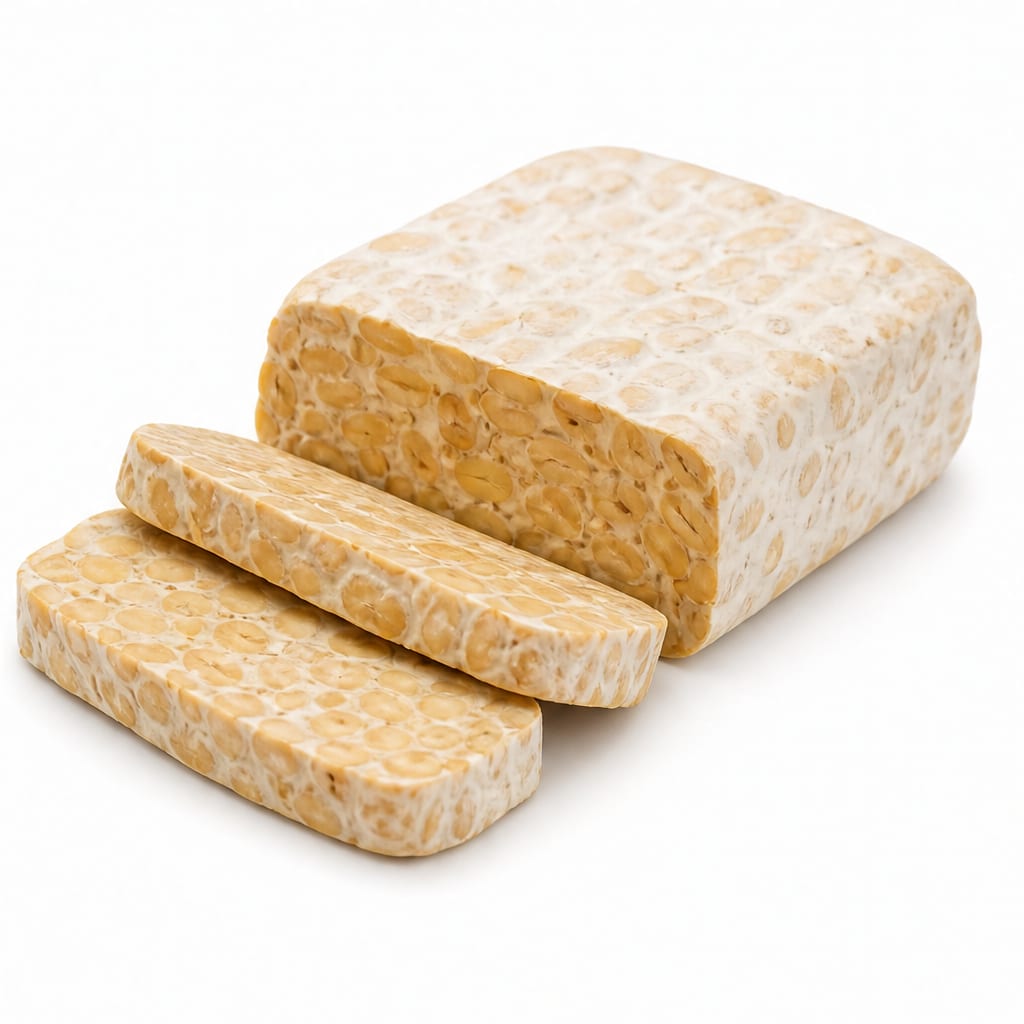
Tempeh
Tempeh takes the win for being easier to digest, more nutrient-bioavailable, and far more convenient to cook, though Soybeans remain the purest whole-food option.
Tempeh scores notably higher because fermentation solves Soybean's biggest drawbacks: poor digestibility and antinutrients. Soybeans still score well for being an unprocessed whole food.
You trade the raw, unprocessed simplicity of Soybeans for the digestive comfort and culinary versatility of fermented Tempeh.
At a glance
Executive summary
Overall
Tempeh
Healthier
Tempeh
More practical
Tempeh
Daily use
Tempeh
Key comparison lenses
Digestibility and antinutrient impact
Fermentation drastically changes how the body handles soy, making this the most critical difference.
Protein density and meal satisfaction
Tempeh offers a more concentrated protein source, affecting satiety and portion sizes.
Whole food vs fermented food philosophy
Users often wonder if the processing of fermentation diminishes the natural health benefits of Soybeans.
Best choice for
Soybean
- Whole-food purists
- Light snackers
- Those who tolerate beans well
Tempeh
- People with sensitive digestion
- Busy home cooks
- Vegans needing highly bioavailable minerals
Least suitable for
Soybean
- Those prone to bloating and gas
- People needing quick meal prep
Tempeh
- Strict raw food advocates
- Those avoiding all fermented foods
Deep comparison
Dimension by dimension
Each lens scores both foods and breaks down who each option suits.
- Dimension 1 · Priority 95Tempeh
Digestibility & Gut Comfort
Soybean · 55Tempeh · 92Tempeh is fermented, which breaks down tough sugars and antinutrients that make Soybeans famously gassy.
Tradeoff
You lose the raw whole-food status of Soybeans but gain a much happier stomach.
Why it matters
If Soybeans cause bloating, Tempeh offers the same protein without the digestive drama.
Real-world impact
Less post-meal bloating and gas when choosing Tempeh over whole Soybeans.
Soybean
- People with no digestive sensitivity to beans
Better for
- People prone to gas and bloating
Worse for
Tempeh
- Those who experience bloating from Soybeans
- People with sensitive digestion
Better for
- Those strictly avoiding any processed or fermented foods
Worse for
- Dimension 2 · Priority 85Tempeh
Protein Density & Satiety
Soybean · 75Tempeh · 90Tempeh packs protein more densely per calorie and bite, making meals more filling.
Tradeoff
Soybeans offer a lighter eating experience, while Tempeh feels more like a substantial main dish.
Why it matters
Higher protein density keeps you full longer and reduces the urge to snack later.
Real-world impact
A Tempeh stir-fry keeps you full for hours, whereas a bowl of Soybeans might leave you hungry sooner.
Soybean
- Light snackers
- Those wanting lower calorie density per volume
Better for
- Those needing high protein in a small portion
Worse for
Tempeh
- Athletes
- People aiming for weight loss through high satiety
Better for
- People who prefer lighter, less dense meals
Worse for
- Dimension 3 · Priority 80Tempeh
Culinary Convenience & Versatility
Soybean · 45Tempeh · 88Tempeh is ready to slice and cook, while dried Soybeans require long soaking and boiling.
Tradeoff
Soybeans are great as a simple side or snack, but Tempeh easily replaces meat in diverse recipes.
Why it matters
Convenience often dictates what you actually eat on a busy Tuesday.
Real-world impact
Tempeh can be pan-fried in 10 minutes; dried Soybeans take hours to prepare from scratch.
Soybean
- Quick snacking on edamame
- Adding to soups
Better for
- Last-minute meal prep
Worse for
Tempeh
- Busy weeknight dinners
- Making plant-based burgers or stir-fries
Better for
- Recipes requiring whole beans for texture
Worse for
- Dimension 4 · Priority 90Tempeh
Nutrient Bioavailability
Soybean · 60Tempeh · 91Fermentation unlocks minerals like iron and zinc in Tempeh by reducing phytic acid.
Tradeoff
Soybeans contain all the original nutrients, but your body struggles more to absorb them.
Why it matters
Eating nutrients only matters if you actually absorb them.
Real-world impact
You get more usable iron from Tempeh, which is crucial for plant-based eaters fighting fatigue.
Soybean
- Those getting plenty of minerals from other sources
Better for
- Those relying on it as a primary iron source
Worse for
Tempeh
- Vegans and vegetarians
- People with iron deficiency concerns
Better for
- People who naturally absorb minerals efficiently
Worse for
- Dimension 5 · Priority 70Soybean
Processing & Whole-Food Integrity
Soybean · 95Tempeh · 75Soybeans are a pure, unadulterated whole food, while Tempeh is minimally processed through fermentation.
Tradeoff
Tempeh's processing is beneficial, but Soybeans remain the closest to nature.
Why it matters
Some people prefer foods exactly as they grow, without any alteration.
Real-world impact
Eating whole Soybeans feels simpler and cleaner, avoiding any additives found in some commercial Tempeh.
Soybean
- Whole-food purists
- Those avoiding fermented foods
Better for
- Those who don't mind minimal processing for health benefits
Worse for
Tempeh
- People prioritizing digestibility over raw natural state
Better for
- Strict raw food advocates
Worse for
Timeline
Health impact over time
Short-term
Hours to days
Soybean
- May cause gas or bloating
- Provides steady, light energy
Tempeh
- Easier on the stomach
- Highly filling, satisfying meal base
Long-term
Months to years
Soybean
- Good source of intact isoflavones
- Supports heart health
Tempeh
- Improved mineral status over time
- Potential gut microbiome benefits from fermentation
Risk profile
Safety & processing
Both are whole or minimally processed foods. Soybeans are untouched, while Tempeh undergoes natural fermentation. Some commercial Tempeh may contain added grains or vinegars, but artificial additives are rare in both.
Soybean
Antinutrient exposure
mediumUndercooked Soybeans contain trypsin inhibitors that can interfere with protein digestion and cause cramping.
GMO and pesticide residue
mediumThe vast majority of conventional Soybeans are genetically modified and heavily sprayed; choosing organic mitigates this.
Tempeh
Spoilage and unwanted mold
lowUnpasteurized Tempeh can spoil quickly or develop unwanted mold if not stored properly, though commercial varieties are generally safe.
Added ingredients
lowSome commercial Tempeh includes added grains or binders that may not align with gluten-free or pure-soy preferences.
Who wins for whom
Audience fit
Same foods, different winners depending on your goal.
children
SoybeanEdamame (young Soybeans) are a fun, finger-friendly snack that kids enjoy, whereas Tempeh's dense texture can be off-putting.
daily consumption
TempehTempeh is easier to incorporate into a variety of daily meals without causing digestive fatigue.
diabetes
TempehThe fermentation process and higher protein-to-carb ratio in Tempeh lead to steadier blood sugar responses.
elderly
TempehTempeh is easier to chew and digest, which is crucial for aging digestive systems and dental concerns.
muscle gain
TempehTempeh provides a denser, more concentrated source of protein that is easier to consume in large amounts.
weight loss
TempehTempeh is more filling per calorie, making it easier to control portions and avoid overeating.
Your move
Decision guide
Choose Soybean
- You want a light, whole-food snack
- You have no issues digesting beans
- You prefer eating foods in their natural, unfermented state
Choose Tempeh
- You want a dense, satisfying protein source
- Whole Soybeans cause you bloating
- You need quick, convenient meal options
Either works if
- You want plant-based protein
- You are looking for cholesterol-free food options
Avoid both if
- You have a severe soy allergy
Final recommendation
For most people, Tempeh is the more practical and comfortable way to eat soy. It delivers the same great protein with far less digestive struggle. Keep Soybeans in the rotation for light snacking, but rely on Tempeh for hearty, everyday meals.
Practical
Consumer tips
- 1
If Soybeans cause bloating, try Tempeh to get your soy protein without the gas.
- 2
Check Tempeh ingredients for added grains or fillers; pure soy Tempeh is best.
- 3
If buying dried Soybeans, soak them overnight and cook thoroughly to reduce antinutrients.
- 4
Edamame (green Soybeans) are a great middle ground for quick snacking if you want a whole bean.