
Nutrition comparison
Soybean vs Edamame: Which Is Better for Protein, Digestion, and Daily Use?
Edamame and mature soybeans are the same plant at different stages. Compare protein content, digestibility, convenience, and health benefits to find which fits your diet better.
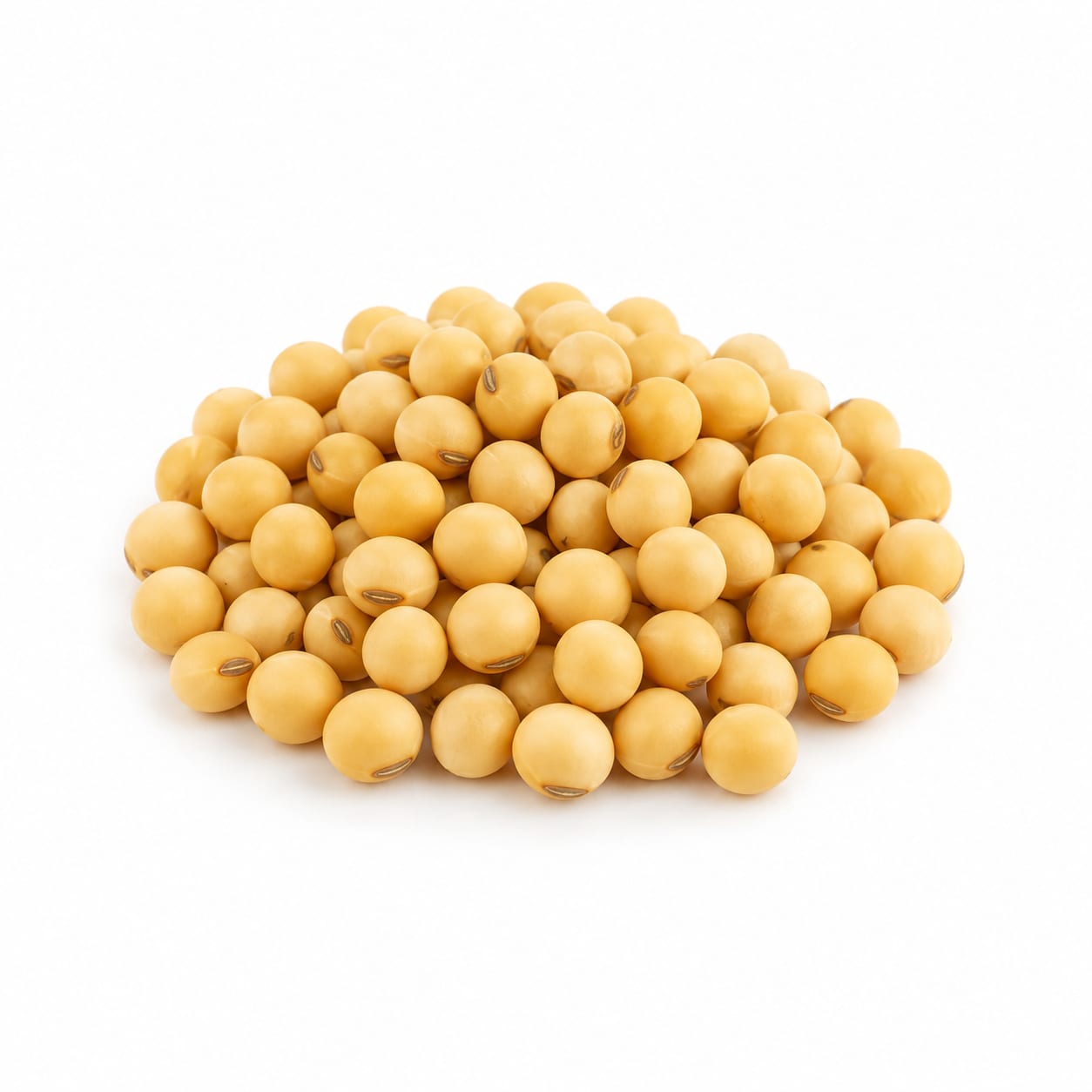
Soybean

Edamame
Edamame and mature soybeans are the same plant at different life stages — edamame wins on convenience and digestibility, while mature soybeans win on protein density and cooking versatility.
Edamame scores higher due to superior convenience, digestibility, and minimal processing. Mature soybeans are nutritionally excellent but require significant prep and are harder on digestion, which reduces real-world usability for most people.
You trade quick snackability and easier digestion (edamame) for higher protein and calorie density per serving (mature soybeans).
At a glance
Executive summary
Overall
It depends
Healthier
Edamame
More practical
Edamame
Daily use
Edamame
Key comparison lenses
understanding maturity stage differences in the same plant
Edamame is simply immature soybeans — the core question is whether harvesting earlier changes nutrition and usability enough to matter
snackability and convenience
Edamame is a grab-and-eat food while mature soybeans require soaking and long cooking — this shapes real-world use dramatically
protein density and meal-building potential
Mature soybeans pack significantly more protein per serving, making them more relevant for muscle gain and satiety-focused meals
digestive tolerance and anti-nutrient exposure
Mature soybeans contain higher levels of phytic acid and oligosaccharides that can cause bloating, while edamame is gentler on digestion
processing and naturalness concerns
Mature soybeans are frequently processed into flour, oil, or protein isolate, while edamame is almost always consumed whole and minimally processed
Best choice for
Soybean
- building high-protein meals on a budget
- making homemade soy milk or tempeh
- long shelf-stable pantry protein
- bodybuilders tracking macros tightly
Edamame
- quick high-protein snacking
- gentle digestive-friendly plant protein
- adding to salads and grain bowls
- kids who enjoy interactive eating
Least suitable for
Soybean
- anyone wanting a quick ready-to-eat snack
- people sensitive to bloating and gas
- those avoiding long cooking or soaking prep
Edamame
- meal-preppers needing calorie-dense staples
- anyone wanting maximum protein per dollar
- people cooking traditional dried bean recipes
Deep comparison
Dimension by dimension
Each lens scores both foods and breaks down who each option suits.
- Dimension 1 · Priority 90Soybean
protein density and quality
Soybean · 88Edamame · 74Mature soybeans deliver roughly 36g protein per 100g dry versus edamame's 11g per 100g — a massive difference for anyone tracking intake.
Tradeoff
That protein density comes with higher calories and fat, so portion control matters more with mature soybeans.
Why it matters
If you're trying to hit protein targets without supplements, mature soybeans get you there faster per bite.
Real-world impact
A single cup of cooked mature soybeans covers nearly half your daily protein needs; edamame covers about a quarter.
Soybean
- athletes hitting high protein targets
- anyone meal-prepping protein-heavy dishes
Better for
- people watching calorie intake closely
Worse for
Edamame
- lighter eaters who want moderate protein
- snackers who prefer not feeling stuffed
Better for
- anyone needing maximum protein per serving
Worse for
- Dimension 2 · Priority 92Edamame
convenience and preparation
Soybean · 35Edamame · 90Edamame steams in 5 minutes from frozen. Mature soybeans need overnight soaking plus 2-3 hours of cooking.
Tradeoff
Mature soybeans reward patience with richer flavor and creamier texture, but most weeknights won't accommodate that timeline.
Why it matters
The food you can actually make on a Tuesday wins over the food that requires weekend-level planning.
Real-world impact
Edamame becomes a regular habit; mature soybeans become an occasional project.
Soybean
- weekend cooks who batch-prepare staples
- anyone making soy milk or fermented products at home
Better for
- anyone with under 30 minutes to cook
Worse for
Edamame
- busy professionals needing fast sides
- parents adding quick protein to kids' plates
Better for
- traditional cooks who prefer dried bean methods
Worse for
- Dimension 3 · Priority 82Edamame
digestive tolerance
Soybean · 55Edamame · 80Mature soybeans contain more oligosaccharides and phytic acid, both notorious for causing gas and reducing mineral absorption.
Tradeoff
Proper soaking and fermentation reduce these issues significantly, but that requires extra effort most people skip.
Why it matters
A protein source that leaves you bloated undermines its own benefits — you eat less of it or feel worse after.
Real-world impact
Edamame feels light after eating; a large portion of mature soybeans can leave you uncomfortably full and gassy.
Soybean
- people accustomed to high-fiber legume diets
Better for
- anyone prone to bloating after beans
Worse for
Edamame
- anyone with sensitive digestion
- people new to plant-based eating
- those with IBS tendencies
Better for
- people who tolerate all legumes equally well
Worse for
- Dimension 4 · Priority 70Edamame
vitamin and antioxidant profile
Soybean · 65Edamame · 78Edamame retains vitamin C and folate that degrade during the drying process for mature soybeans. It also preserves more chlorophyll and certain phytochemicals.
Tradeoff
Mature soybeans concentrate isoflavones and vitamin K more densely due to water loss, so per serving they deliver more of those specific compounds.
Why it matters
If you're eating soy for broad micronutrient coverage, edamame covers more bases. If you're targeting isoflavones specifically, mature soybeans deliver more.
Real-world impact
A bowl of edamame gives you a wider micronutrient spread; mature soybeans give you a deeper dose of fewer compounds.
Soybean
- women seeking higher isoflavone intake for menopause support
Better for
- anyone relying on food for vitamin C
Worse for
Edamame
- anyone wanting broader vitamin coverage per bite
- people who don't take a multivitamin
Better for
- those specifically targeting concentrated isoflavones
Worse for
- Dimension 5 · Priority 75Soybean
versatility in cooking
Soybean · 85Edamame · 60Mature soybeans can be ground into flour, pressed into milk, fermented into tempeh and miso, or cooked into stews. Edamame is mostly a side dish or salad topping.
Tradeoff
That versatility requires skill and time. Edamame's simplicity means anyone can use it without recipes.
Why it matters
If you enjoy cooking and want one ingredient that becomes many things, mature soybeans are more powerful. If you just want to eat, edamame is straightforward.
Real-world impact
Mature soybeans can replace flour, milk, and meat in different preparations. Edamame replaces a green vegetable side.
Soybean
- home cooks who enjoy transformation
- anyone making plant-based staples from scratch
Better for
- those who don't cook from scratch
Worse for
Edamame
- people who want zero recipe thinking
- anyone adding protein to existing meals simply
Better for
- creative cooks wanting ingredient flexibility
Worse for
- Dimension 6 · Priority 68Soybean
shelf stability and cost
Soybean · 90Edamame · 55Dried mature soybeans last years in the pantry at low cost. Edamame requires freezer space and costs notably more per protein gram.
Tradeoff
You pay for convenience with edamame — roughly 2-3x more per gram of protein compared to dried soybeans.
Why it matters
Budget-conscious households and bulk meal-preppers get significantly more value from mature soybeans.
Real-world impact
A bag of dried soybeans feeds a family for weeks at low cost. The same protein from edamame costs substantially more.
Soybean
- budget-focused families
- bulk buyers and preppers
- anyone with limited freezer space
Better for
- anyone wanting ready-to-eat convenience
Worse for
Edamame
- people who prioritize time over money
- small households that won't use bulk quantities
Better for
- large families watching grocery budgets
Worse for
Timeline
Health impact over time
Short-term
Hours to days
Soybean
- More filling per serving due to higher calorie and protein density
- Higher likelihood of bloating and gas if not properly prepared
- Slower digestion providing extended satiety but heavier stomach feel
Edamame
- Lighter post-meal feeling with moderate satiety
- Virtually no digestive discomfort for most people
- Quick energy from easier-to-digest carbohydrates and protein
Long-term
Months to years
Soybean
- Excellent sustained protein intake supporting muscle maintenance
- Higher isoflavone exposure potentially beneficial for bone density and menopause symptoms
- Risk of mineral absorption interference if consumed without proper preparation regularly
Edamame
- Consistent gentle fiber intake supporting gut health
- Broader micronutrient coverage from preserved vitamins
- Easier to sustain as a daily habit due to simplicity and pleasant eating experience
Risk profile
Safety & processing
Both are whole foods with minimal processing. However, mature soybeans are more commonly further processed into oils, flours, and protein isolates — when eaten whole and cooked from dried, they're equally natural. Edamame is almost always consumed in its whole form, making it the more reliably whole-food choice in practice.
Soybean
GMO exposure
mediumOver 90% of US-grown mature soybeans are genetically modified. Choosing organic mitigates this but adds cost.
anti-nutrient load
mediumPhytic acid and trypsin inhibitors are higher in mature soybeans and can reduce mineral absorption and protein digestibility if not properly neutralized through soaking or fermentation.
pesticide residue
lowConventionally grown soybeans carry moderate pesticide residues; organic certification eliminates this concern.
Edamame
GMO exposure
lowMost edamame sold for direct consumption is non-GMO and often labeled as such, since it targets health-conscious consumers.
freezer burn and quality loss
lowFrozen edamame can degrade in texture and nutrient quality if stored too long or improperly sealed.
Who wins for whom
Audience fit
Same foods, different winners depending on your goal.
children
EdamameKids enjoy popping edamame from pods, the texture is softer and more appealing, and the lower calorie density suits smaller appetites.
daily consumption
EdamameThe combination of easy prep, pleasant eating experience, and digestive comfort makes edamame a more sustainable daily habit.
diabetes
EdamameEdamame's lower calorie density and gentler blood sugar impact make it easier to incorporate without overshooting energy needs.
elderly
EdamameEdamame is easier to chew, gentler on digestion, and requires no lengthy preparation — all important for older adults.
muscle gain
SoybeanMature soybeans deliver substantially more protein per serving, which matters when you're targeting high daily protein intake.
weight loss
EdamameEdamame provides satisfying protein with fewer calories per serving, making portion control easier and overeating less likely.
Your move
Decision guide
Choose Soybean
- You're batch-cooking protein staples on weekends
- You make your own soy milk, tempeh, or soy flour
- You need maximum protein per dollar spent
- You're comfortable with overnight soaking and long cook times
Choose Edamame
- You want a quick high-protein snack ready in minutes
- Digestive sensitivity makes other beans problematic
- You're adding protein to salads, bowls, or stir-fries
- You prefer eating whole foods without extra preparation steps
Either works if
- You want plant-based complete protein with isoflavones
- You're avoiding animal products and need versatile options
- You value whole-food soy over processed soy products
Avoid both if
- You have a diagnosed soy allergy
- You're following a soy-free protocol for thyroid management under medical guidance
- You're in an elimination diet phase testing soy reactivity
Final recommendation
For most people, edamame is the more practical daily choice — it's faster, gentler on digestion, and easy to enjoy regularly. Keep mature soybeans in your pantry for batch cooking, homemade soy milk, or fermented projects. They're the same food at different ages, so rotate based on your schedule and stomach.
Practical
Consumer tips
- 1
Buy frozen edamame in bulk when on sale — it keeps for months and steams straight from frozen
- 2
Soak mature soybeans for at least 12 hours and discard the soaking water to reduce anti-nutrients and bloating
- 3
Choose organic for both to avoid GMO exposure, but it matters more for mature soybeans since they're more commonly GMO
- 4
Add edamame to lunch bowls for an effortless 10g protein boost without cooking
- 5
If cooking mature soybeans, add a strip of kombu seaweed to the pot — it helps tenderize beans and reduces gas-producing compounds
- 6
Don't eat mature soybeans raw — they contain trypsin inhibitors that are neutralized by cooking but can cause digestive distress if uncooked