
Nutrition comparison
Soybeans vs Peanuts: Which is Healthier for Protein and Weight Loss?
Compare soybeans vs peanuts for protein quality, calories, and health benefits. Find out which legume is better for muscle gain, weight loss, and daily snacking.
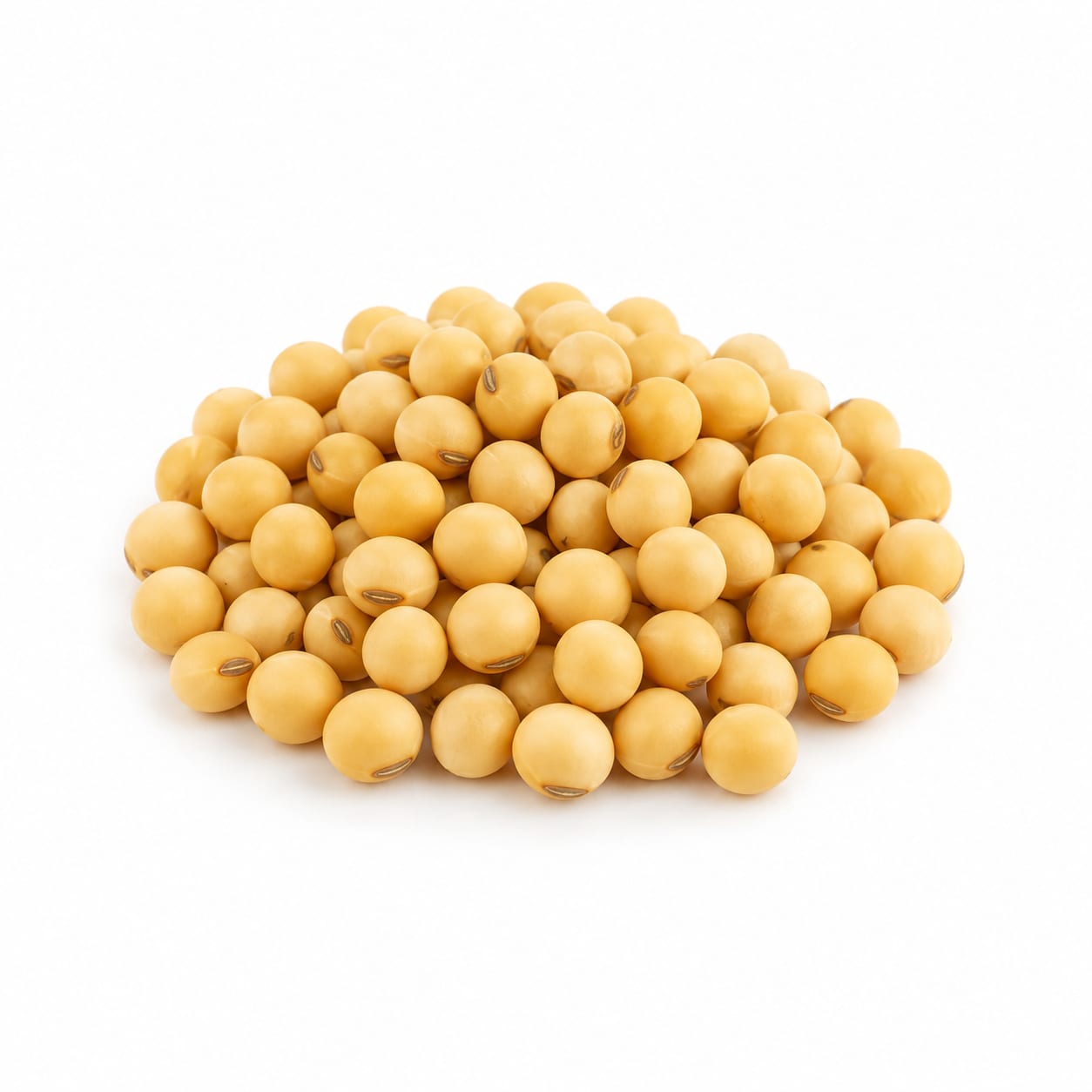
Soybean
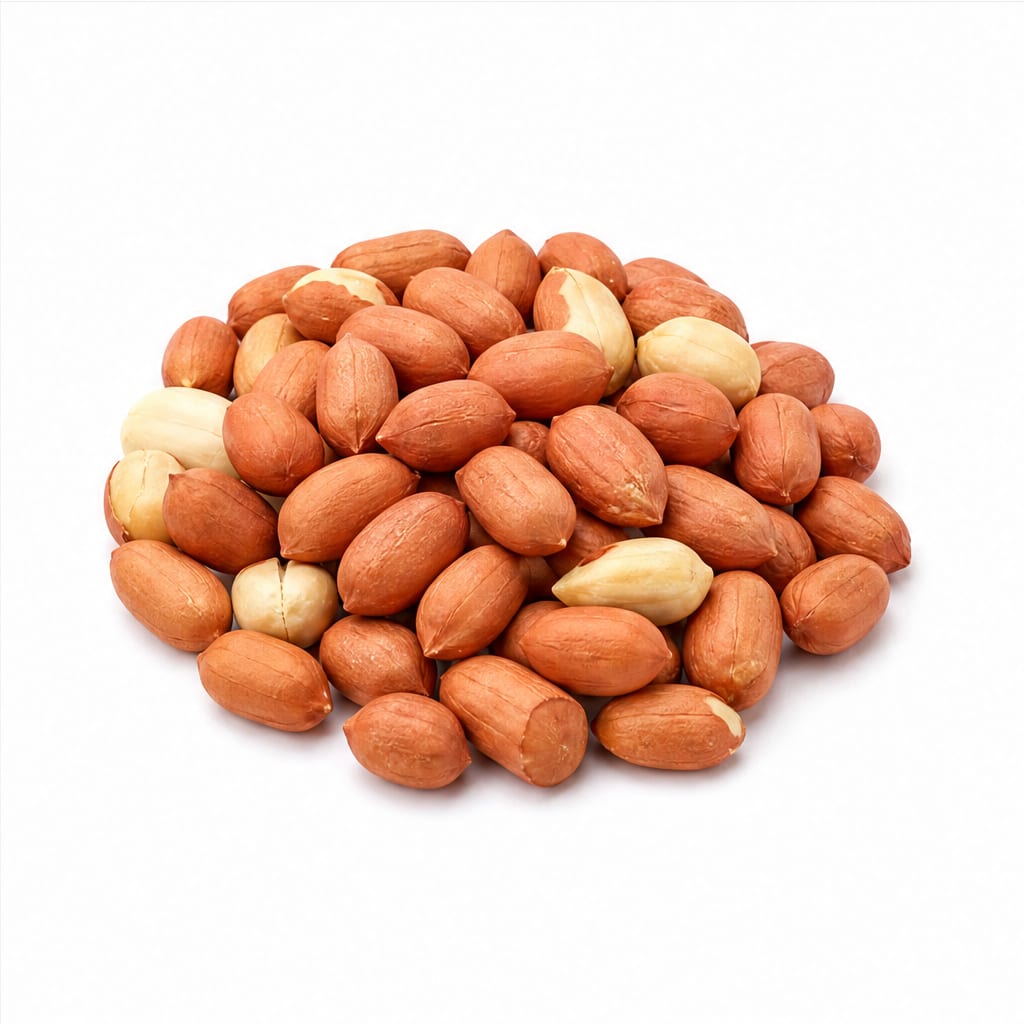
Peanuts
Soybeans offer a leaner, complete protein with unique hormonal benefits, while peanuts provide a calorie-dense, satisfying snack with heart-healthy fats.
Soybeans edge out peanuts due to a superior protein profile and lower calorie density, but peanuts remain a highly nutritious and practical option for those needing easy calories.
Soybeans give you more protein and fiber per calorie, but peanuts are more convenient and richer in satisfying monounsaturated fats.
At a glance
Executive summary
Overall
It depends
Healthier
Soybean
More practical
Peanuts
Daily use
It depends
Key comparison lenses
Protein quality and muscle-building efficiency
Soybeans are a complete protein containing all essential amino acids, whereas peanuts are deficient in methionine.
Allergen severity
Peanut allergies are among the most common and life-threatening, heavily restricting where peanuts can be consumed.
Calorie density and weight management
Peanuts are extremely calorie-dense due to high fat content, making portion control critical compared to leaner soybeans.
Toxin and contamination exposure
Peanuts are notoriously susceptible to aflatoxin mold, while conventional soybeans carry GMO and pesticide concerns.
Hormonal and antioxidant benefits
Soy isoflavones offer unique benefits for menopause and bone health that peanuts cannot match.
Best choice for
Soybean
- Plant-based muscle building
- Low-calorie high-protein diets
- Menopause symptom management
Peanuts
- Hiking and endurance sports
- Budget-friendly calorie surplus
- Quick satisfying snacks
Least suitable for
Soybean
- People with soy allergies
- Those strictly avoiding GMOs (if not organic)
Peanuts
- People with peanut allergies
- Strict calorie-controlled diets
Deep comparison
Dimension by dimension
Each lens scores both foods and breaks down who each option suits.
- Dimension 1 · Priority 95Soybean
Protein Quality & Muscle Support
Soybean · 92Peanuts · 75Soybeans are a complete plant protein with all essential amino acids, whereas peanuts fall short on methionine.
Tradeoff
You get higher quality muscle-building blocks from soybeans, but peanut butter is often easier to eat in large quantities after a workout.
Why it matters
Complete proteins are crucial for muscle repair and keeping you full longer without needing to combine foods.
Real-world impact
Eating soy means you don't have to pair it with grains to get a balanced amino acid profile for recovery.
Soybean
- Vegans needing complete protein
- Post-workout recovery
Better for
- People who dislike the taste of soy
Worse for
Peanuts
- Those who struggle to eat enough protein and need tastier options
Better for
- Strict muscle-builders tracking amino acid profiles
Worse for
- Dimension 2 · Priority 90Soybean
Calorie Density & Satiety
Soybean · 88Peanuts · 65Soybeans deliver way more protein and fiber per calorie compared to the fat-dense peanut.
Tradeoff
Peanuts are incredibly satisfying and easy to overeat, while soybeans keep your calorie budget in check but require more prep.
Why it matters
If you are watching your weight, it is very easy to accidentally eat 500 calories of peanuts in minutes.
Real-world impact
A handful of peanuts can turn into a meal's worth of calories before you feel full, whereas edamame fills you up on far fewer calories.
Soybean
- Weight loss diets
- Calorie counters
Better for
- Athletes needing quick energy
Worse for
Peanuts
- Bulking up
- Long hikes needing lightweight energy
Better for
- Mindless snackers
Worse for
- Dimension 3 · Priority 85It depends
Fat Profile & Heart Health
Soybean · 82Peanuts · 85Peanuts are rich in heart-healthy monounsaturated fats, while soybeans offer a mix of polyunsaturated and monounsaturated fats.
Tradeoff
Peanuts provide more oleic acid (like olive oil), but soybeans offer more omega-3s (ALA).
Why it matters
Both support heart health, but through different fat pathways.
Real-world impact
Peanut butter gives you that rich, satisfying mouthfeel from monounsaturated fats, while soy contributes to your omega-3 intake.
Soybean
- Boosting omega-3 intake
- Lowering overall fat intake
Better for
- Those relying on fats for satiety
Worse for
Peanuts
- Heart-healthy snacking
- Keto-friendly diets
Better for
- Low-fat diets
Worse for
- Dimension 4 · Priority 80Soybean
Safety & Contamination
Soybean · 78Peanuts · 60Peanuts carry a significant risk of aflatoxin (a natural mold toxin), while soybeans face more concerns over GMOs and pesticide residues.
Tradeoff
Choosing organic soybeans avoids the GMO issue, but avoiding aflatoxin in peanuts requires careful sourcing and storage.
Why it matters
Aflatoxin is a known carcinogen, and peanut crops are highly susceptible to it.
Real-world impact
You have to be more careful about where you buy your peanuts and peanut butter, whereas organic soybeans are relatively straightforward to source safely.
Soybean
- Avoiding mold toxins
- Easier safe sourcing (if organic)
Better for
- Those strictly avoiding GMOs (if conventional)
Worse for
Peanuts
- Conventional crop buyers (less GMO concern)
Better for
- People worried about long-term mold toxin exposure
Worse for
- Dimension 5 · Priority 70Soybean
Hormonal & Antioxidant Benefits
Soybean · 90Peanuts · 70Soybeans contain isoflavones which mimic estrogen and offer unique benefits for bone health and menopause, while peanuts offer resveratrol and B vitamins.
Tradeoff
Soy phytoestrogens are great for menopausal women but can be confusing for people worried about hormonal balance, whereas peanuts offer fewer hormonal effects.
Why it matters
Isoflavones can significantly improve quality of life for women in midlife.
Real-world impact
Eating soy daily can help cool hot flashes, while peanuts mostly just provide steady energy and heart support.
Soybean
- Menopausal women
- Bone health maintenance
Better for
- People with soy-driven digestive issues
Worse for
Peanuts
- Those avoiding phytoestrogens
- B-vitamin boosting
Better for
- Women looking for natural menopause relief
Worse for
- Dimension 6 · Priority 95Soybean
Allergen Risk
Soybean · 70Peanuts · 40Both are top allergens, but peanut allergies are typically more severe and life-threatening than soy allergies.
Tradeoff
Peanuts are completely off-limits in many schools and public spaces, making soy a slightly safer choice for sharing.
Why it matters
Peanut allergies cause more anaphylactic reactions than almost any other food.
Real-world impact
Bringing peanuts to a school or office could be a health hazard to others, whereas soy is less likely to cause airborne or trace-contact reactions.
Soybean
- Shared eating environments
- Milder allergy profiles
Better for
- People with diagnosed soy allergies
Worse for
Peanuts
- Those specifically allergic to soy but not peanuts
Better for
- Children's lunchboxes
- Public potlucks
Worse for
Timeline
Health impact over time
Short-term
Hours to days
Soybean
- Steady energy without a heavy feeling
- Quick fullness from fiber and protein
Peanuts
- High satiety from fat content
- Easy to overconsume calories if not portioned
Long-term
Months to years
Soybean
- Potential relief from menopausal symptoms
- Support for bone density
- Cholesterol improvement
Peanuts
- Heart health support from monounsaturated fats
- Risk of calorie creep if portions are not managed
- Potential aflatoxin exposure if quality is low
Risk profile
Safety & processing
Both are naturally whole foods, but peanut butter often sneaks in added oils and sugars, while soy products like tofu or tempeh vary in processing.
Soybean
GMO and Pesticide Exposure
mediumMost conventional soybeans are genetically modified. Choosing organic mitigates this.
Anti-nutrients
lowRaw soybeans contain lectins and trypsin inhibitors that interfere with digestion, but cooking destroys them.
Peanuts
Aflatoxin Contamination
highPeanuts are prone to a mold that produces aflatoxin, a potent carcinogen. Proper storage and reputable brands reduce but do not eliminate risk.
Severe Allergic Reactions
highPeanut allergies are among the most common and deadly, often causing anaphylaxis.
Who wins for whom
Audience fit
Same foods, different winners depending on your goal.
children
It dependsSoy is safer for school environments due to peanut allergy risks, but peanut butter is often more appealing and calorie-dense for picky eaters.
daily consumption
It dependsSoy is better for daily lean protein, but peanut butter is a more sustainable daily habit for those needing easy calories.
diabetes
SoybeanLower in fat and carbs, with a favorable glycemic impact and high fiber to stabilize blood sugar.
elderly
SoybeanIsoflavones in soy help preserve bone density and ease menopausal symptoms, which are common concerns in aging.
muscle gain
SoybeanSoy is a complete protein, making it more efficient for muscle repair and growth.
weight loss
SoybeanSoybeans provide more protein and fiber per calorie, making it easier to stay full without overeating.
Your move
Decision guide
Choose Soybean
- You want a lean, complete protein source
- You are managing your weight carefully
- You are a woman dealing with menopause
- You need a school-safe snack
Choose Peanuts
- You need calorie-dense, portable energy
- You are on a budget and need affordable protein
- You want a tastier, more satisfying fat source
- You are bulking or doing endurance sports
Either works if
- You want plant-based protein options
- You are focusing on heart-healthy fats
- You need versatile cooking ingredients
Avoid both if
- You have severe legume allergies
- You are on a strict low-oxalate diet
Final recommendation
Let your goals decide: pick soybeans for lean, complete protein and hormonal benefits, or choose peanuts for satisfying, calorie-dense energy. If weight management is your focus, soybeans are the safer bet.
Practical
Consumer tips
- 1
Buy organic soybeans to easily avoid GMO concerns and pesticide residues.
- 2
Store peanuts in a cool, dry place to minimize aflatoxin mold growth.
- 3
If buying peanut butter, check the label—choose brands with just peanuts and salt, avoiding added sugars and hydrogenated oils.
- 4
Cook soybeans thoroughly to neutralize anti-nutrients that can cause digestive upset.
- 5
Measure out peanut portions instead of eating straight from the jar to avoid accidental calorie overload.