
Nutrition comparison
Soybeans vs Black Beans: Which Bean Is Better for Your Health Goals?
Compare Soybeans and Black Beans on protein quality, GMO concerns, calories, hormones, and everyday usability. Find out which bean fits your diet better.
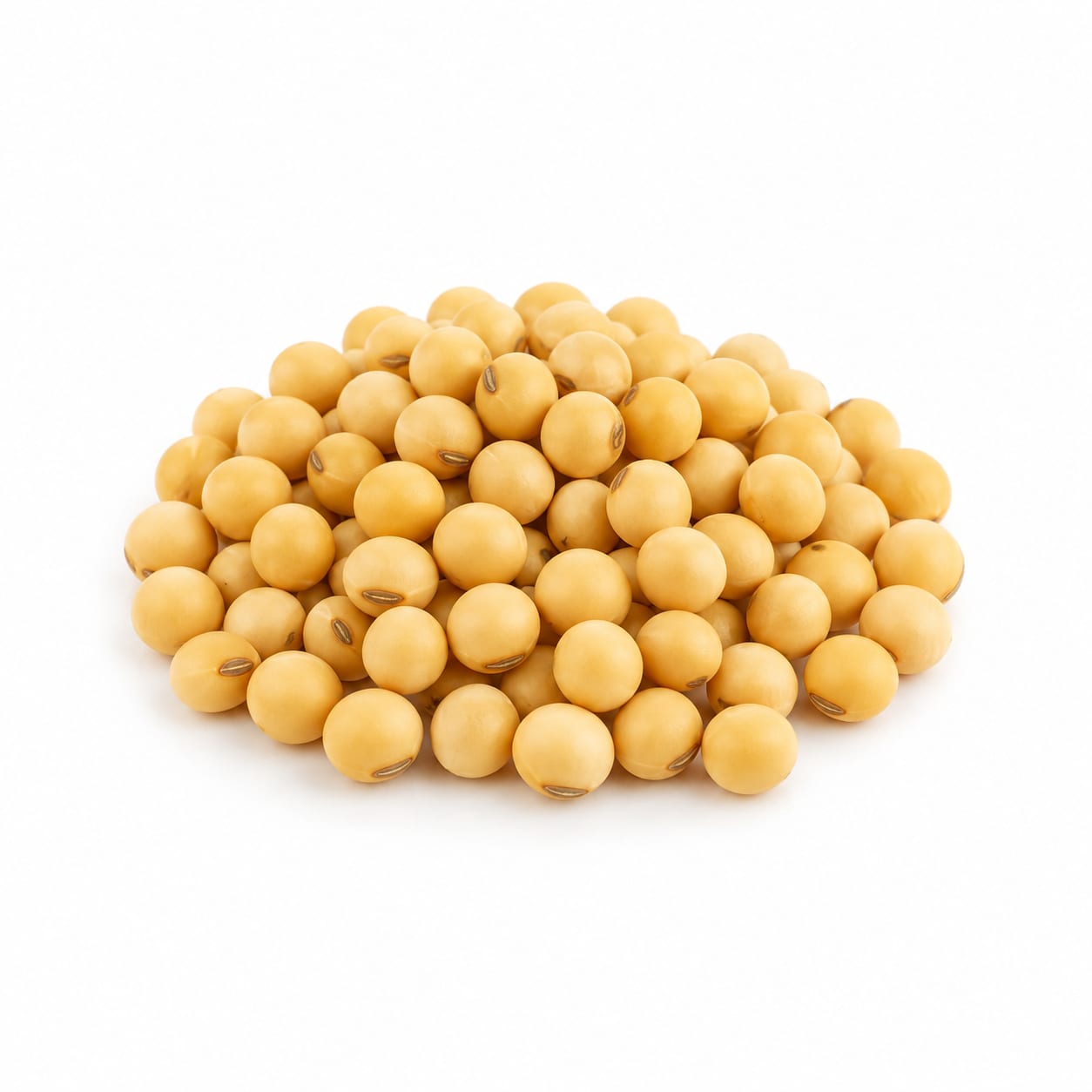
Soybean
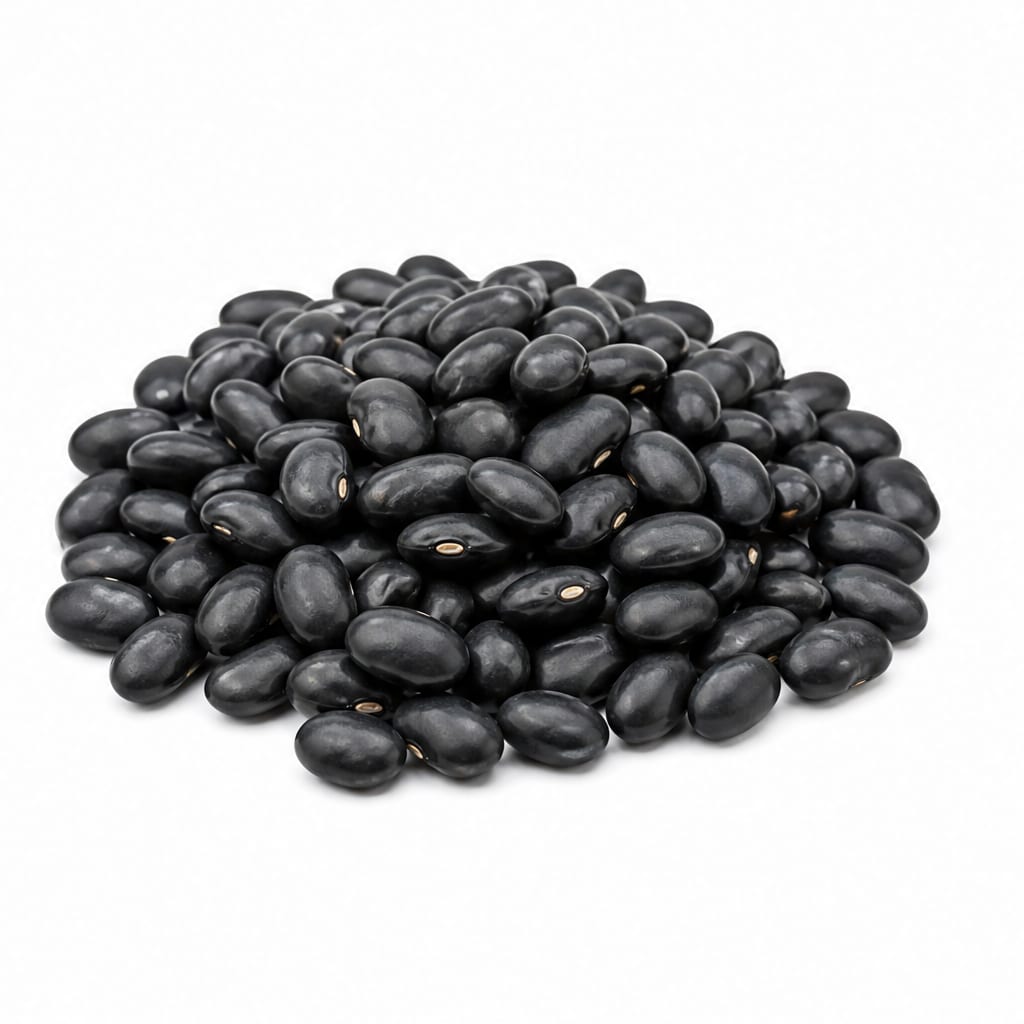
Black Beans
Soybeans win on protein quality and healthy fats, but Black Beans win on simplicity, lower calories, and fewer controversy concerns.
Black Beans edge ahead due to broader everyday suitability, fewer controversy concerns, and lower caloric density. Soybeans score well on protein quality and healthy fats but carry more baggage around GMOs, hormones, and allergens.
Soybeans give you complete protein and omega-rich fats at the cost of higher calories and GMO worries. Black Beans offer lighter, cleaner nutrition with less protein completeness.
At a glance
Executive summary
Overall
It depends
Healthier
It depends
More practical
Black Beans
Daily use
Black Beans
Key comparison lenses
plant-based protein quality and completeness
Soybeans are one of the few plant foods with complete protein, while Black Beans lack certain essential amino acids
hormonal and phytoestrogen concerns
Soybeans contain isoflavones that can mimic estrogen, a unique concern not shared by Black Beans
GMO and pesticide exposure
Soybeans are one of the most heavily genetically modified crops globally, while Black Beans are far less affected
fat content and caloric density tradeoffs
Soybeans are significantly higher in fat and calories, which changes their role in meals dramatically
everyday cooking versatility and convenience
Black Beans are a pantry staple used in countless dishes, while Soybeans are less commonly cooked from dry
digestive tolerance and gas production
Both legumes cause gas, but the type and amount of fermentable fibers differ significantly
Best choice for
Soybean
- People needing complete plant protein without combining foods
- Those wanting more healthy fats in their diet
- Women seeking natural phytoestrogen support during menopause
- Strength athletes prioritizing muscle-building amino acids
- Anyone avoiding animal protein who needs better amino acid coverage
Black Beans
- People watching their calorie and fat intake closely
- Those concerned about GMO exposure in their diet
- Families wanting a versatile everyday pantry staple
- Anyone avoiding soy due to allergies or hormonal sensitivities
- Meal preppers who want a lighter bean for grain bowls and salads
Least suitable for
Soybean
- People with soy allergies or sensitivities
- Those avoiding GMO foods without access to organic certification
- Anyone on a low-fat or calorie-restricted diet
- People concerned about phytoestrogen effects on hormones
- Children consuming very large amounts daily
Black Beans
- Those who need complete protein from a single source
- People wanting significant healthy fat intake from whole foods
- Anyone looking for high isoflavone benefits
- Those who find Black Beans too carb-heavy for their dietary needs
Deep comparison
Dimension by dimension
Each lens scores both foods and breaks down who each option suits.
- Dimension 1 · Priority 95Soybean
Protein Quality and Quantity
Soybean · 92Black Beans · 68Soybeans deliver roughly 70% more protein per serving and contain all nine essential amino acids. Black Beans have decent protein but are incomplete on their own.
Tradeoff
Soybeans give you complete protein in one food, but the higher calorie package means more energy density per gram of protein.
Why it matters
If you eat mostly plant-based, getting complete protein matters. Pairing Black Beans with rice fixes the gap, but Soybeans handle it solo.
Real-world impact
A cup of cooked Soybeans gives you about 29g of complete protein versus 15g of incomplete protein from Black Beans. That difference shapes entire meals.
Soybean
- Vegans needing reliable complete protein
- Athletes recovering from intense training
- Anyone eating plant-based without grain pairing
Better for
- Anyone counting calories per gram of protein
Worse for
Black Beans
- Those getting protein from other sources already
- People who prefer lighter protein portions
Better for
- Plant-based eaters relying on a single protein source
Worse for
- Dimension 2 · Priority 82Soybean
Fat Content and Type
Soybean · 85Black Beans · 45Soybeans contain about 11g of mostly unsaturated fat per cooked cup, including beneficial omega-6 and omega-3 fatty acids. Black Beans have less than 1g.
Tradeoff
The fats in Soybeans are genuinely healthy, but they add significant calories. Black Beans are nearly fat-free, which gives you more flexibility.
Why it matters
Healthy fats support hormone production, brain function, and satiety. But if your diet already has enough fat, the extra calories may not serve you.
Real-world impact
A cup of cooked Soybeans runs about 298 calories versus 227 for Black Beans. That 70-calorie gap comes almost entirely from fat.
Soybean
- People needing more healthy fats in their diet
- Those finding low-fat meals unsatisfying
- Anyone wanting omega-3 from plant sources
Better for
- Those trying to reduce caloric intake
Worse for
Black Beans
- Those already meeting fat needs from other foods
- Anyone tracking calories closely
- People on medically prescribed low-fat diets
Better for
- People relying on beans as a primary fat source
Worse for
- Dimension 3 · Priority 78Black Beans
Fiber and Digestive Health
Soybean · 72Black Beans · 85Black Beans provide slightly more fiber per serving and their fiber profile supports excellent gut health. Soybeans have good fiber but less total per calorie.
Tradeoff
Both beans are fiber champions compared to most foods. Black Beans just edge ahead on fiber density per calorie consumed.
Why it matters
More fiber means steadier blood sugar, better fullness, and healthier gut bacteria. Small differences add up over daily consumption.
Real-world impact
A cup of cooked Black Beans gives you about 15g of fiber versus 10g for Soybeans. Over a week, that gap meaningfully affects digestion regularity.
Soybean
- Those getting enough fiber from other sources
Better for
- People counting on beans as their primary fiber source
Worse for
Black Beans
- Anyone needing to improve digestive regularity
- People managing blood sugar through fiber intake
- Those building gut health through diverse fiber sources
Better for
- Dimension 4 · Priority 85Black Beans
GMO and Pesticide Exposure
Soybean · 40Black Beans · 88Over 90% of US Soybeans are genetically modified. Black Beans are rarely GMO. This makes Soybeans a top concern for people avoiding engineered foods.
Tradeoff
Organic Soybeans solve the GMO problem but cost more and are harder to find. Black Beans avoid the issue almost entirely.
Why it matters
If you care about avoiding GMOs, Soybeans require vigilance and label reading. Black Beans let you skip that worry entirely.
Real-world impact
Buying conventional Soybeans means you are almost certainly eating GMO. Organic certification matters here more than for almost any other food.
Soybean
- Those with easy access to organic Soybeans
Better for
- Budget-conscious shoppers who cannot afford organic
- People deeply concerned about agricultural biotechnology
Worse for
Black Beans
- Anyone concerned about GMO consumption
- People without reliable access to organic options
- Families wanting simpler food choices
Better for
- Dimension 5 · Priority 80Black Beans
Hormonal and Phytoestrogen Effects
Soybean · 55Black Beans · 90Soybeans contain isoflavones that act as weak estrogens in the body. Black Beans have negligible phytoestrogen content. The science is mixed on whether this helps or harms.
Tradeoff
Isoflavones may benefit menopausal women and heart health, but they raise concerns for those with hormone-sensitive conditions.
Why it matters
For most people, moderate Soybean intake is fine. But if you have thyroid issues, estrogen-sensitive conditions, or just want to avoid hormonal wild cards, Black Beans are simpler.
Real-world impact
Eating Soybeans daily can measurably change isoflavone levels in your blood. Whether that is good or bad depends entirely on your health context.
Soybean
- Menopausal women seeking natural symptom relief
- Postmenopausal women concerned about bone density
Better for
- People with hypothyroidism on medication
- Breast cancer survivors with estrogen-receptor-positive tumors
Worse for
Black Beans
- People with thyroid conditions
- Those with estrogen-sensitive health concerns
- Anyone wanting to avoid hormonal unknowns
- Men consuming very large amounts of soy daily
Better for
- Women who might benefit from dietary phytoestrogens
Worse for
- Dimension 6 · Priority 75Black Beans
Allergen Risk
Soybean · 35Black Beans · 90Soy is one of the top eight food allergens. Black Bean allergy is rare. This makes Soybeans a non-starter for a significant minority of people.
Tradeoff
If you tolerate Soybeans well, this dimension does not matter. But for those affected, it is a hard exclusion with no workaround.
Why it matters
Soy allergy affects both children and adults. Reactions range from mild hives to anaphylaxis. Black Beans almost never trigger allergic responses.
Real-world impact
Soy hides in processed foods everywhere, so adding whole Soybeans compounds exposure. Black Beans keep your allergen load simpler.
Soybean
- Those with confirmed soy tolerance
Better for
- People with diagnosed soy allergy
- Those experiencing unexplained digestive or skin reactions
Worse for
Black Beans
- Anyone with known or suspected soy allergy
- Families with mixed allergy profiles
- Parents introducing legumes to young children for the first time
Better for
- Dimension 7 · Priority 78Black Beans
Versatility and Everyday Cooking
Soybean · 60Black Beans · 88Black Beans integrate effortlessly into burritos, soups, salads, and dips. Whole Soybeans are less commonly used in home cooking and often consumed as processed derivatives like tofu or tempeh.
Tradeoff
Soybeans shine through their processed forms, but comparing whole beans, Black Beans are far easier to cook with and build meals around.
Why it matters
The best healthy food is the one you actually eat regularly. Black Beans have a much lower barrier to everyday use.
Real-world impact
Most people have a Black Bean recipe they make weekly. Few people cook dry Soybeans at home, opting instead for tofu or edamame.
Soybean
- Those comfortable making tofu or tempeh at home
- People who enjoy edamame as a snack
Better for
- Those unfamiliar with cooking whole soybeans
Worse for
Black Beans
- Busy home cooks wanting quick reliable meals
- Anyone building a pantry around versatile staples
- Meal preppers who cook in bulk
Better for
- Dimension 8 · Priority 72It depends
Antioxidant and Micronutrient Profile
Soybean · 80Black Beans · 82Soybeans lead in iron, calcium, vitamin K, and isoflavones. Black Beans lead in anthocyanins and magnesium. Both offer strong but different micronutrient packages.
Tradeoff
Soybeans support bone health and blood health better. Black Beans support cellular defense and anti-inflammatory pathways better.
Why it matters
Different antioxidants protect different systems. Variety between these two beans gives broader coverage than either alone.
Real-world impact
The dark color of Black Beans comes from anthocyanins, the same compounds in blueberries. Soybeans contribute more to calcium and iron intake.
Soybean
- Women needing more iron and calcium
- Those concerned about bone density
- People wanting vitamin K for blood clotting support
Better for
- Those seeking anthocyanin-rich foods specifically
Worse for
Black Beans
- Those prioritizing anti-inflammatory food choices
- People wanting diverse antioxidant coverage
- Anyone eating for cellular and immune health
Better for
- People relying on beans as a primary calcium source
Worse for
Timeline
Health impact over time
Short-term
Hours to days
Soybean
- Higher satiety from combined protein and fat content
- More sustained energy after meals due to fat slowing digestion
- Possible bloating or gas from oligosaccharides
- Potential mild thyroid interference if consumed in very large amounts with insufficient iodine
Black Beans
- Steady energy from complex carbohydrates and fiber
- Noticeable fullness without heaviness due to lower fat content
- Gas and bloating common when increasing intake suddenly
- Blood sugar stabilization within 1-2 hours of eating
Long-term
Months to years
Soybean
- Improved bone density from calcium and isoflavones when consumed regularly
- Potential cholesterol reduction from soy protein and unsaturated fats
- Possible hormonal modulation effects that remain debated in research
- Consistent GMO exposure unless organic is chosen consistently
Black Beans
- Improved digestive regularity and gut microbiome diversity from high fiber
- Lower cardiovascular risk from consistent soluble fiber intake
- Better blood sugar management over months and years
- Minimal controversy or long-term safety concerns
Risk profile
Safety & processing
Both whole dried Soybeans and Black Beans are minimally processed in their raw form. However, Soybeans are far more commonly consumed through processed derivatives like tofu, soy milk, and textured vegetable protein, which changes the picture significantly. If comparing whole beans, both are clean whole foods.
Soybean
GMO contamination
mediumOver 90% of conventional Soybeans in the US are genetically modified. Choosing organic mitigates this but adds cost.
Pesticide residue
mediumSoybeans are heavily treated with herbicides, particularly glyphosate in GMO varieties. Residue levels on whole beans are typically low but not zero.
Phytoestrogen overexposure
lowModerate consumption is safe for most people, but very high daily intake could affect hormonal balance, particularly in sensitive individuals.
Allergenicity
highSoy is a top eight allergen. Reactions can be severe and Soybean protein appears in many hidden food sources.
Black Beans
Pesticide residue
lowBlack Beans have lower pesticide application rates than Soybeans. Conventional varieties still carry some residue but significantly less concern.
Lectin content
lowRaw Black Beans contain lectins that can cause digestive distress. Proper cooking eliminates this risk entirely.
BPA in canned varieties
mediumCanned Black Beans may expose you to BPA from can linings. Choosing dried or BPA-free cans avoids this.
Who wins for whom
Audience fit
Same foods, different winners depending on your goal.
children
Black BeansLower allergen risk, no hormonal concerns, and milder flavor make Black Beans a safer introduction to legumes for kids.
daily consumption
Black BeansFewer controversy concerns, lower calorie density, and broader culinary versatility make Black Beans easier to eat every day without second-guessing.
diabetes
Black BeansBlack Beans have a lower glycemic load and more fiber per calorie, leading to steadier blood sugar responses after meals.
elderly
It dependsSoybeans support bone density through calcium and isoflavones, but Black Beans offer easier digestion and fewer medication interactions. Context determines the winner.
muscle gain
SoybeanSoybeans offer nearly double the protein with a complete amino acid profile, which directly supports muscle repair and growth more effectively.
weight loss
Black BeansBlack Beans provide more fiber and fewer calories per serving, making it easier to stay full while maintaining a calorie deficit.
Your move
Decision guide
Choose Soybean
- You need complete plant protein without combining foods
- You want more healthy fats from whole food sources
- You are menopausal and interested in natural phytoestrogen benefits
- You can consistently source organic Soybeans to avoid GMO exposure
- You tolerate soy well and enjoy foods like edamame and tempeh
Choose Black Beans
- You want a versatile everyday bean with fewer controversy concerns
- You are watching calories or fat intake
- You have any soy allergy or sensitivity
- You want to avoid GMO foods without paying organic premiums
- You prefer a lighter bean that works in everything from soups to salads to dips
Either works if
- You are simply trying to eat more legumes for health
- You tolerate both well and want variety in your diet
- You pair beans with grains anyway, making protein completeness less relevant
- You are focused on fiber intake and either bean meets your needs
Avoid both if
- You have severe legume intolerance or FODMAP sensitivities
- You are on a very low-carb or ketogenic diet
- You experience significant digestive distress from all beans despite preparation methods
Final recommendation
Eat both, but let Black Beans be your daily driver and Soybeans your strategic addition. Black Beans give you a worry-free, versatile staple for everyday meals. Soybeans give you a protein and fat boost when you need more from a single food. If you eat Soybeans, go organic to dodge the GMO issue. If you eat Black Beans, cook from dried when possible to avoid BPA from cans. The healthiest approach is rotating between them rather than choosing one exclusively.
Practical
Consumer tips
- 1
Soak both beans for 8-12 hours before cooking to reduce gas-causing oligosaccharides and improve digestibility
- 2
If buying Soybeans, always choose organic to avoid near-certain GMO exposure from conventional varieties
- 3
If buying canned Black Beans, look for BPA-free cans or brands that use tetra packs
- 4
Pair Black Beans with rice, quinoa, or corn to create a complete protein profile comparable to Soybeans
- 5
Introduce either bean gradually if you currently eat few legumes to allow your gut microbiome to adapt
- 6
Edamame is young Soybeans and offers the same nutritional benefits in a more convenient and familiar form
- 7
Sprouting either bean before cooking increases vitamin content and reduces antinutrient levels
- 8
If you have thyroid issues and eat Soybeans regularly, ensure adequate iodine intake from seaweed or iodized salt