
Nutrition comparison
Soybeans vs Lentils: Which Plant Protein Is Better for You?
Complete comparison of soybeans and lentils covering protein quality, calories, fiber, GMO concerns, phytoestrogens, and digestibility. Find out which legume fits your health goals.
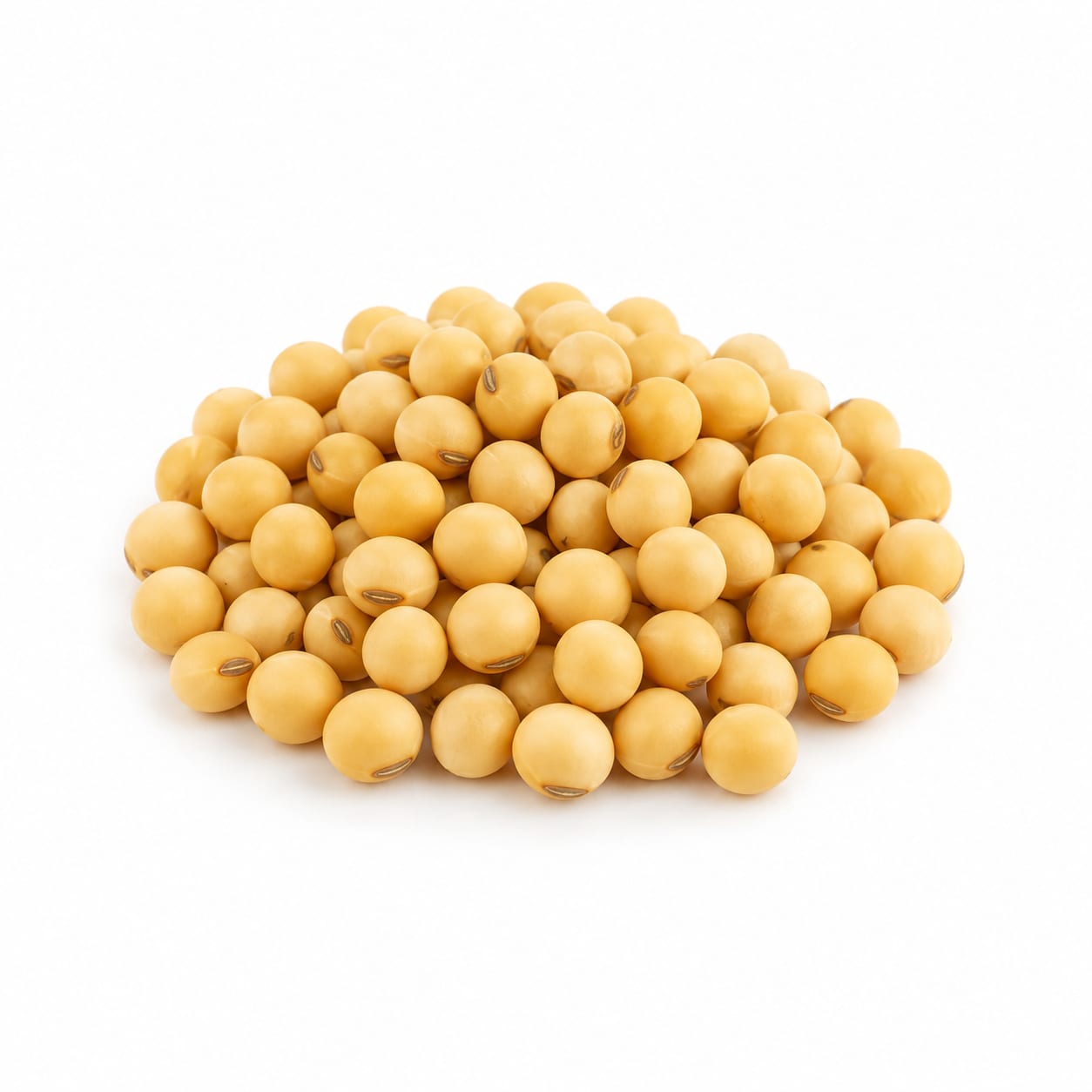
Soybean
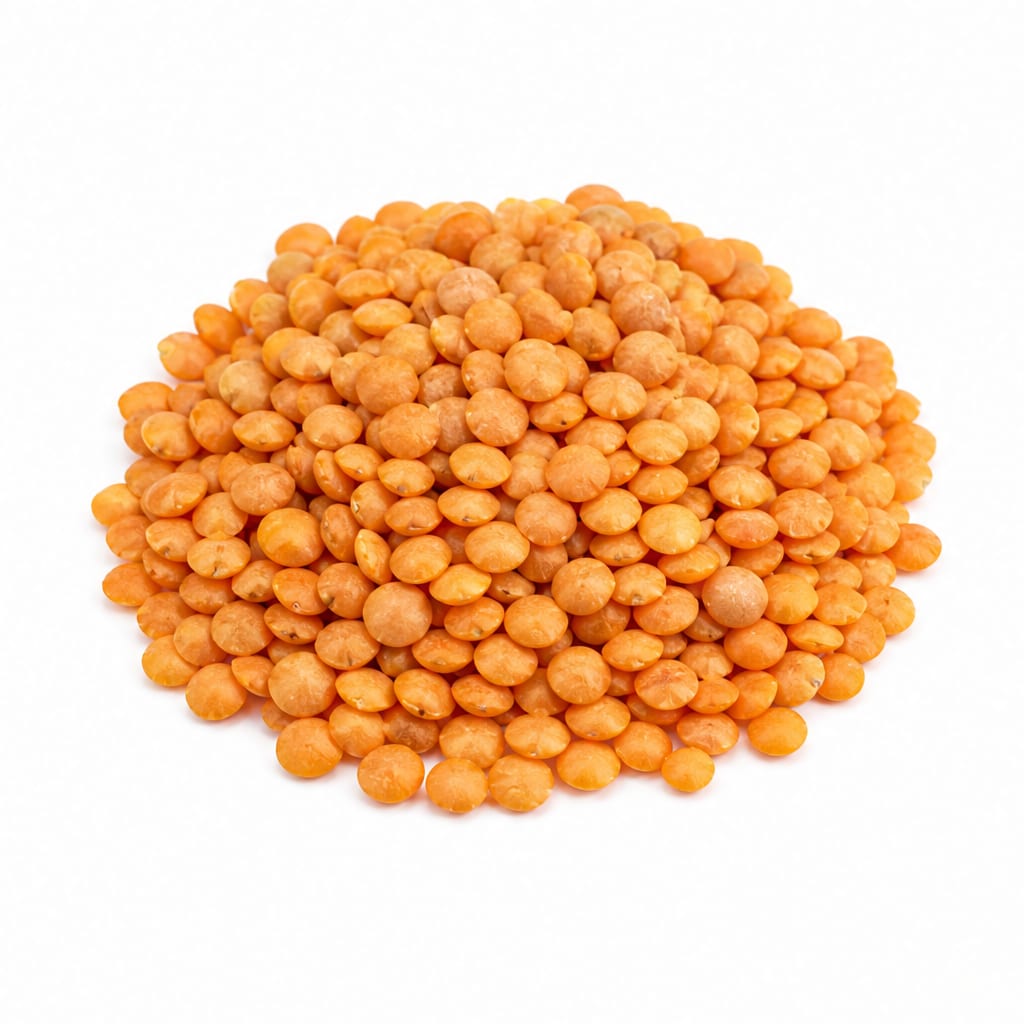
Lentils
Soybeans win on protein completeness and healthy fats, but lentils win on digestibility, safety, and calorie control. Your choice depends on what you prioritize.
Lentils edge ahead due to broader tolerability, lower allergen risk, and easier daily use. Soybeans score well on protein quality and healthy fats but lose ground on safety concerns and calorie density.
Soybeans give you a complete protein with omega-3 fats but carry allergen, GMO, and hormonal concerns. Lentils are cleaner and lighter but need pairing for complete protein.
At a glance
Executive summary
Overall
It depends
Healthier
It depends
More practical
Lentils
Daily use
Lentils
Key comparison lenses
plant protein quality and completeness
Both are top plant proteins but soybeans are one of the few complete plant proteins while lentils fall short on methionine
hormonal effects and phytoestrogen concerns
Soybeans contain isoflavones that mimic estrogen, a unique concern absent in lentils that drives many consumer decisions
weight management and calorie density
Soybeans are significantly higher in fat and calories while lentils offer more volume per calorie
digestive tolerance and gas production
Both cause bloating but lentils are generally easier to digest and have established preparation methods to reduce discomfort
GMO and allergen safety
Soybeans are predominantly GMO and a top 8 allergen while lentils are rarely genetically modified and not a common allergen
Best choice for
Soybean
- People needing complete plant protein without animal foods
- Those wanting omega-3 fats from plant sources
- Postmenopausal women who may benefit from isoflavones
- Strength athletes seeking higher calorie protein sources
Lentils
- Weight-conscious eaters wanting maximum volume per calorie
- People with soy allergies or sensitivities
- Those avoiding GMO foods
- Anyone wanting gentle, everyday legume nutrition
Least suitable for
Soybean
- People with soy allergies or thyroid conditions
- Those avoiding phytoestrogens due to hormone-sensitive conditions
- Consumers strictly avoiding GMO foods who cannot source organic
- Anyone counting calories closely
Lentils
- Those needing a single complete protein source
- People requiring higher fat intake for ketosis or medical reasons
- Anyone deficient in methionine who relies solely on lentils for protein
Deep comparison
Dimension by dimension
Each lens scores both foods and breaks down who each option suits.
- Dimension 1 · Priority 95Soybean
Protein Quality and Completeness
Soybean · 92Lentils · 74Soybeans are one of the only plant foods with all nine essential amino acids in adequate amounts. Lentils fall short on methionine and need grain pairing.
Tradeoff
You get complete protein from soybeans alone, but lentils are more protein-dense per calorie when you account for soy's higher fat content.
Why it matters
If you eat no animal products, getting complete protein from a single source simplifies meal planning significantly.
Real-world impact
A soybean-based meal covers your amino acid needs by itself. A lentil-only meal leaves a gap that rice or bread fills easily.
Soybean
- Vegans who want simple complete protein meals
- Athletes needing efficient muscle-building amino acids
Better for
- People with soy allergies who cannot access this protein at all
Worse for
Lentils
- Those already eating grains regularly who get methionine elsewhere
- Anyone prioritizing protein per calorie over completeness
Better for
- Those eating lentils as their sole protein source without complementary foods
Worse for
- Dimension 2 · Priority 85Lentils
Calorie Density and Weight Management
Soybean · 62Lentils · 88Lentils deliver more food volume and fiber per calorie. Soybeans are nearly twice as calorie-dense due to their fat content.
Tradeoff
Soybeans provide satisfying healthy fats that keep you full, but those same fats add significant calories that can stall weight loss.
Why it matters
For portion control and weight management, lower calorie density lets you eat more volume without overconsuming calories.
Real-world impact
A cup of cooked lentils has about 230 calories. A cup of cooked soybeans has about 300 calories, mostly from fat.
Soybean
- Underweight individuals needing calorie-dense nutrition
- Those on plant-based diets who struggle to get enough dietary fat
Better for
- Calorie counters who find soybeans too energy-dense for frequent use
Worse for
Lentils
- Anyone actively losing weight
- People who prefer larger portion sizes
Better for
- Those who find low-fat meals unsatisfying and end up snacking later
Worse for
- Dimension 3 · Priority 82Lentils
Fiber and Satiety
Soybean · 78Lentils · 90Lentils are fiber champions, providing more fiber per serving than almost any other legume. Soybeans have decent fiber but less per calorie.
Tradeoff
Lentils keep you fuller longer through sheer fiber volume, while soybeans create satiety through their fat and protein combination.
Why it matters
Fiber drives long-lasting fullness and steady blood sugar, which prevents energy crashes and overeating.
Real-world impact
A lentil lunch keeps afternoon hunger at bay for hours. Soybeans also satisfy but through richness rather than bulk.
Soybean
- Those who find high-fiber meals uncomfortable and prefer fat-based satiety
Better for
- Those expecting soybeans to match lentils for fiber content
Worse for
Lentils
- Anyone wanting maximum fullness per calorie
- People managing blood sugar through high-fiber eating
Better for
- People sensitive to very high fiber who experience bloating
Worse for
- Dimension 4 · Priority 80Lentils
Hormonal Effects and Phytoestrogens
Soybean · 55Lentils · 90Soybeans contain isoflavones that weakly mimic estrogen. Lentils have no phytoestrogen activity. The science is mixed on whether soy isoflavones help or harm.
Tradeoff
Isoflavones may reduce menopause symptoms and protect against certain cancers, but they raise concerns for people with hormone-sensitive conditions.
Why it matters
For anyone with thyroid issues, breast cancer history, or hormone concerns, soy's phytoestrogens require careful consideration.
Real-world impact
Moderate soy intake appears safe for most people, but those with hormone-sensitive conditions often prefer to avoid it entirely.
Soybean
- Postmenopausal women who may benefit from mild estrogenic effects
- People seeking potential bone-protective benefits of isoflavones
Better for
- Women with estrogen-receptor-positive breast cancer
- People on thyroid hormone replacement therapy
Worse for
Lentils
- Anyone with hormone-sensitive conditions wanting to avoid phytoestrogens
- Those who prefer food without hormonal activity
- People with thyroid conditions on medication
Better for
- Dimension 5 · Priority 78Lentils
Allergen and GMO Safety
Soybean · 45Lentils · 92Soy is a top 8 allergen and over 90% of US soybeans are GMO. Lentils are not a major allergen and are rarely genetically modified.
Tradeoff
Organic soybeans avoid GMO concerns but remain allergenic. Lentils have neither concern but occasionally contain trace cross-contaminants from grain processing.
Why it matters
For families with allergies, soy is a non-starter. For those avoiding GMOs, conventional soy requires vigilance.
Real-world impact
Soy allergy forces label reading on nearly all processed foods. Lentil concerns are minimal by comparison.
Soybean
- Those who can source organic soybeans and have no allergy concerns
Better for
- Anyone with soy allergy
- Consumers who cannot consistently access organic soybeans
Worse for
Lentils
- Families with food allergies
- Anyone avoiding GMO ingredients
- People who want simpler food choices without label scrutiny
Better for
- People concerned about lentil cross-contamination with gluten grains
Worse for
- Dimension 6 · Priority 75Lentils
Digestive Tolerance
Soybean · 60Lentils · 78Both cause gas and bloating, but lentils are generally easier to digest, especially when soaked and cooked properly. Soybeans have more antinutrients that interfere with digestion.
Tradeoff
Soybeans contain trypsin inhibitors that reduce protein absorption unless thoroughly cooked. Lentils cook faster and their antinutrients neutralize more easily.
Why it matters
Digestive comfort determines whether you actually eat these foods regularly regardless of their nutritional merits.
Real-world impact
Lentils can be weeknight-cooked in 20-30 minutes with soaking. Soybeans need longer cooking and still may cause more discomfort.
Soybean
- Those who consume fermented soy products like tempeh or miso, which are much easier to digest
Better for
- Those who experience significant bloating from soy
- People who undercook soybeans and get worse antinutrient effects
Worse for
Lentils
- People with sensitive digestion
- Anyone new to legumes who wants a gentler starting point
Better for
- Anyone expecting zero gas from any legume
Worse for
- Dimension 7 · Priority 72It depends
Micronutrient Profile
Soybean · 82Lentils · 85Lentils excel in folate, iron, and B vitamins. Soybeans provide more vitamin K, potassium, and unique isoflavone compounds. Both are strong but in different ways.
Tradeoff
Lentils are better for blood-building nutrients like iron and folate. Soybeans are better for bone-supporting vitamin K and electrolytes.
Why it matters
Your micronutrient priorities should match your life stage and health needs rather than assuming one is universally better.
Real-world impact
Pregnant women benefit enormously from lentil folate. Older adults may appreciate soybean vitamin K for bone health.
Soybean
- Older adults needing vitamin K for bone density
- Those seeking potassium for blood pressure management
Better for
- Those relying on soybeans alone for iron, as phytic acid reduces absorption
Worse for
Lentils
- Women of childbearing age needing folate
- Anyone with iron deficiency or at risk of anemia
Better for
- People who need more vitamin K and assume lentils provide it
Worse for
- Dimension 8 · Priority 70Lentils
Cooking Convenience and Versatility
Soybean · 58Lentils · 85Lentils cook quickly, need no soaking for red and yellow varieties, and work in soups, salads, and curries effortlessly. Whole soybeans require long cooking and are less versatile in home kitchens.
Tradeoff
Soybeans shine in processed forms like tofu and tempeh, but cooking whole soybeans from scratch is time-consuming and less common.
Why it matters
Convenience determines whether a healthy food actually makes it into your weekly rotation or sits in the pantry.
Real-world impact
Red lentils cook in 15 minutes for a weeknight dal. Whole soybeans need overnight soaking and over an hour of cooking.
Soybean
- Those who primarily eat soy as tofu, tempeh, or edamame rather than cooking dry beans
Better for
- People trying to cook whole dry soybeans like other beans
Worse for
Lentils
- Busy home cooks wanting fast nutritious meals
- Anyone cooking dry legumes regularly from scratch
Better for
Timeline
Health impact over time
Short-term
Hours to days
Soybean
- Higher satiety from fat-protein combination but potential bloating and gas
- Possible mild thyroid interference if consumed in large amounts with iodine-deficient diet
- Steadier blood sugar due to fat content slowing carbohydrate absorption
Lentils
- Quick and lasting fullness from high fiber with minimal calorie load
- Possible gas and bloating, especially for those unaccustomed to high-fiber foods
- Very stable blood sugar response making them ideal for sustained energy
Long-term
Months to years
Soybean
- Isoflavones may reduce menopause symptoms and support bone density with regular consumption
- Potential thyroid disruption with excessive intake, especially in iodine-deficient individuals
- Healthy fat intake supports cardiovascular health when soy replaces saturated fat sources
- Possible hormonal effects with very high daily intake remain debated in research
Lentils
- Consistent high fiber intake supports gut microbiome diversity and digestive health
- Excellent folate intake supports cardiovascular health by reducing homocysteine levels
- Iron accumulation benefits those with low iron stores but may concern those with hemochromatosis
- Long-term legume consumption consistently associated with reduced cardiovascular and diabetes risk
Risk profile
Safety & processing
Both whole soybeans and lentils are minimally processed in their dry form. However, soybeans more commonly appear in processed forms like tofu, soy milk, and textured vegetable protein, which can introduce additives and processing concerns that dry lentils avoid.
Soybean
GMO contamination
mediumOver 90% of US soybeans are genetically modified. Choose organic to avoid GMO exposure.
Soy allergy
highSoy is one of the top 8 allergens. Reactions range from hives to anaphylaxis in sensitive individuals.
Pesticide residue
mediumConventional soybeans carry significant pesticide residues. Organic reduces this concern substantially.
Phytoestrogen overexposure
lowModerate intake appears safe but very high daily consumption may affect hormonal balance in sensitive people.
Lentils
Cross-contamination with gluten grains
mediumLentils are often processed on shared equipment with wheat. Celiacs must buy certified gluten-free lentils.
Lathyrism from grass pea contamination
lowRare contamination with grass peas in some regions can cause neurological issues with extreme consumption.
Pesticide residue
lowLentils generally have lower pesticide residues than soybeans, especially when organic.
Who wins for whom
Audience fit
Same foods, different winners depending on your goal.
children
LentilsLentils avoid soy allergen concerns and phytoestrogen exposure during development. Their milder flavor and softer texture also appeal more to kids.
daily consumption
LentilsLentils have fewer safety concerns, better digestive tolerance, and lower calorie density, making them easier to eat every day without worry.
diabetes
LentilsLentils have a lower glycemic index and more fiber per calorie, creating steadier blood sugar control with less insulin demand.
elderly
It dependsSoybeans support bone density through vitamin K and isoflavones, while lentils provide folate and iron for blood health. Both are valuable depending on individual needs.
muscle gain
SoybeanSoybeans offer complete protein with all essential amino acids and additional calories from healthy fats, supporting muscle building more efficiently.
weight loss
LentilsLentils provide more volume and fiber per calorie, making it easier to eat satisfying portions while staying in a calorie deficit.
Your move
Decision guide
Choose Soybean
- You need a complete plant protein and eat limited animal foods
- You want omega-3 fats from a plant source
- You are postmenopausal and may benefit from isoflavones
- You can source organic soybeans and have no allergy or thyroid concerns
- You are trying to gain weight or need calorie-dense nutrition
Choose Lentils
- You want maximum nutrition per calorie for weight management
- You have soy allergies or hormone-sensitive conditions
- You prefer quick-cooking weeknight meals from dry legumes
- You want to avoid GMO foods without paying organic premiums
- You have digestive sensitivity and need gentler legumes
Either works if
- You eat a varied diet with multiple protein sources and grain pairing
- You rotate legumes for gut microbiome diversity
- You have no allergies or hormonal concerns
- You want affordable plant-based nutrition
Avoid both if
- You have severe legume intolerance or FODMAP sensitivity during elimination phases
- You have gout and are sensitive to purine-rich foods
- You cannot tolerate any gas or bloating regardless of preparation method
Final recommendation
For most people, lentils are the safer everyday choice due to fewer concerns and easier preparation. Add soybeans when you specifically need their complete protein and healthy fats, choosing organic to avoid GMOs. Rotating both gives you the broadest nutritional benefit without overconsuming either.
Practical
Consumer tips
- 1
Buy organic soybeans to avoid GMO exposure and reduce pesticide residue
- 2
Soak lentils for 2-4 hours and discard the water to reduce gas-producing compounds
- 3
Pair lentils with rice, quinoa, or bread to create a complete protein profile
- 4
If soybeans cause bloating, try fermented forms like tempeh or miso which are much easier to digest
- 5
Rinse dry lentils thoroughly and check for small stones before cooking
- 6
Introduce either legume gradually if you are not used to high-fiber foods to minimize digestive discomfort
- 7
Cook soybeans thoroughly to neutralize trypsin inhibitors that block protein absorption
- 8
Choose red or yellow lentils for fastest cooking times on busy weeknights