
Nutrition comparison
Soybeans vs Chickpeas: Which Legume Is Better for You?
Complete comparison of soybeans and chickpeas covering protein quality, fiber, healthy fats, GMO concerns, phytoestrogens, and which one fits your diet best.
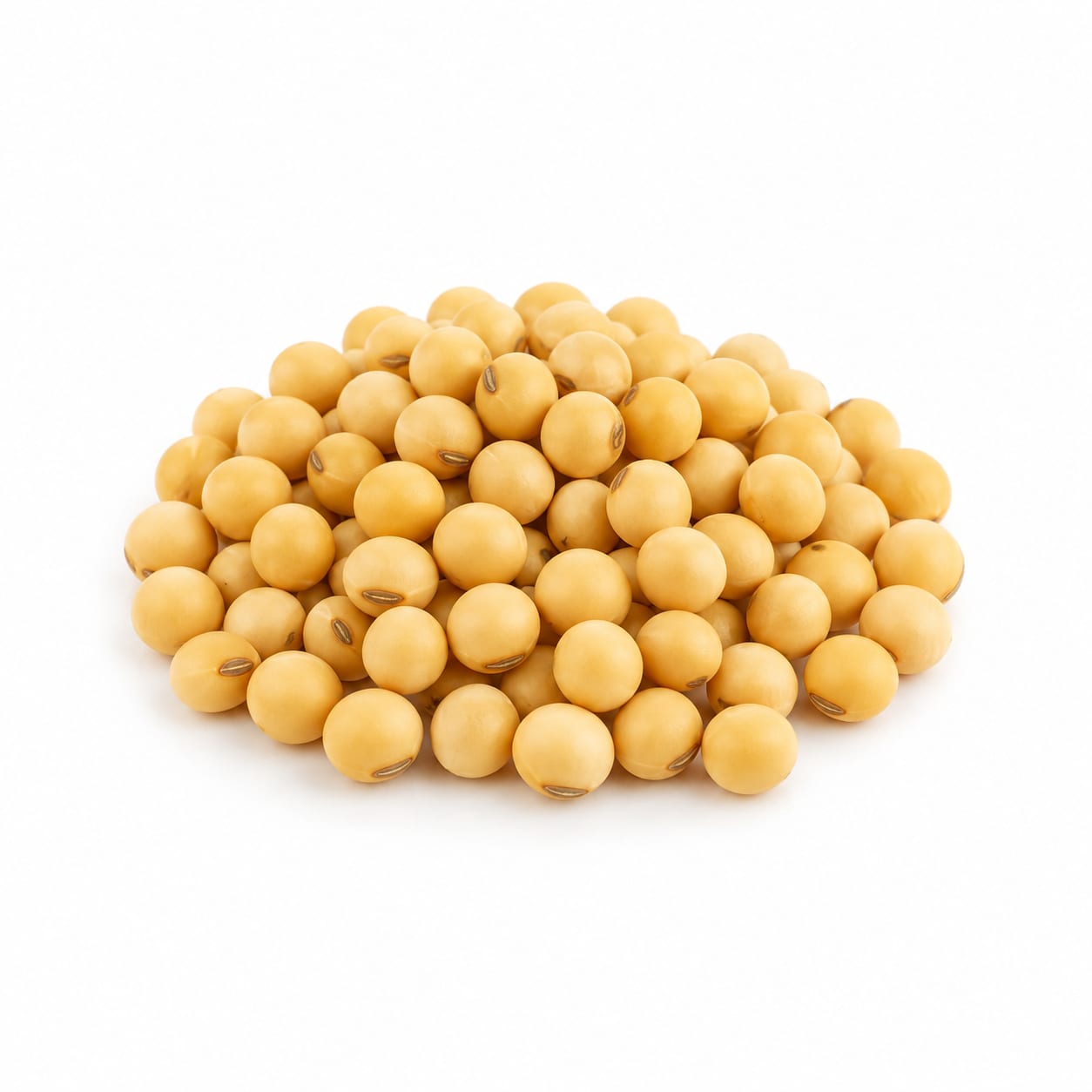
Soybean
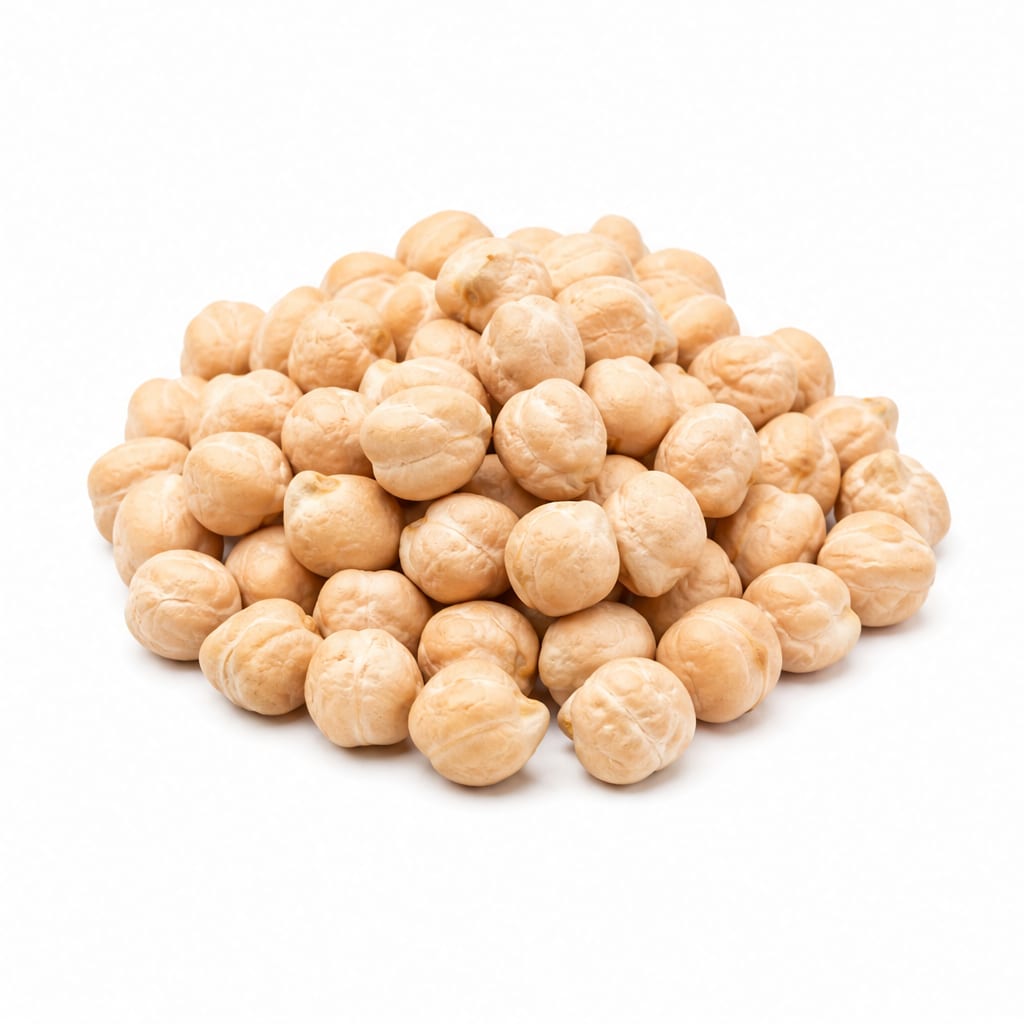
Chickpeas
Soybeans win on protein power and healthy fats, while chickpeas win on fiber, digestion, and everyday versatility.
Chickpeas edge ahead due to broader everyday practicality, fewer safety controversies, and better fiber-to-calorie ratio. Soybeans score highly for protein quality and fat content but lose ground on allergen risk, GMO concerns, and calorie density.
Soybeans give you more complete protein and omega fats but at higher calories and with hormonal considerations. Chickpeas offer steadier energy, better fiber, and fewer controversies but less protein per bite.
At a glance
Executive summary
Overall
It depends
Healthier
It depends
More practical
Chickpeas
Daily use
Chickpeas
Key comparison lenses
protein quality completeness
Soybeans are one of the few plant foods with complete protein, making this a critical differentiator for vegetarians and vegans
hormonal phytoestrogen concerns
Soybeans contain isoflavones that mimic estrogen, a unique concern not shared by chickpeas that many users worry about
fat content and profile
Soybeans are unusually high in fat for a legume, changing their calorie density and culinary use significantly
digestive tolerance
Both foods can cause bloating but through different mechanisms, and tolerance varies widely between individuals
weight management calorie density
The fat content in soybeans makes them more calorie-dense, affecting portion control and weight loss strategies
gmo and allergen safety
Soybeans are predominantly GMO in conventional farming and are a top 8 allergen, while chickpeas carry neither concern
Best choice for
Soybean
- Vegans needing complete protein sources
- Anyone wanting plant-based omega-3 fats
- Older adults benefiting from isoflavone bone support
- People with lower calorie needs who want nutrient density
Chickpeas
- Weight-conscious eaters wanting more volume per calorie
- Anyone with soy allergies or sensitivities
- Meal preppers wanting versatile batch-cooked staples
- People avoiding GMO foods without paying organic premiums
Least suitable for
Soybean
- People with hypothyroidism on medication
- Anyone with soy allergies
- Those avoiding high-calorie foods for weight loss
- People concerned about phytoestrogen effects
Chickpeas
- Those needing maximum protein per serving
- Anyone wanting significant omega fat intake from legumes
- People who find chickpeas cause excessive bloating
Deep comparison
Dimension by dimension
Each lens scores both foods and breaks down who each option suits.
- Dimension 1 · Priority 95Soybean
protein_quality_and_quantity
Soybean · 92Chickpeas · 68Soybeans deliver roughly double the protein per serving and contain all essential amino acids, making them rare among plant foods.
Tradeoff
That protein comes with more calories and fat, so you are not getting pure protein efficiency.
Why it matters
For plant-based eaters, finding complete protein is a real challenge. Soybeans solve this elegantly.
Real-world impact
A cup of cooked soybeans gives you about 29g of complete protein versus 15g from chickpeas. That difference matters at every meal.
Soybean
- Muscle recovery after workouts
- Vegans avoiding protein combining
- Older adults preventing muscle loss
Better for
- Those counting calories strictly
Worse for
Chickpeas
- Lighter meals where protein is not the priority
- Eating patterns already rich in other protein sources
Better for
- Anyone relying on a single legume for protein needs
Worse for
- Dimension 2 · Priority 85Chickpeas
fiber_and_digestive_health
Soybean · 72Chickpeas · 88Chickpeas provide more fiber per calorie, especially soluble fiber that feeds gut bacteria and stabilizes blood sugar.
Tradeoff
Both foods can cause bloating, but chickpeas tend to be gentler for most people when properly prepared.
Why it matters
Fiber is the unsung hero of long-term health, affecting everything from satiety to cholesterol to gut microbiome diversity.
Real-world impact
A cup of chickpeas delivers about 12g of fiber for roughly 270 calories. Soybeans give you about 10g but at 300 calories. That ratio difference adds up over weeks.
Soybean
- Getting fiber alongside healthy fats in one package
Better for
- Sensitive digesters who find soy harder to break down
Worse for
Chickpeas
- Steadier digestion and less bloating
- Better blood sugar control between meals
- Feeling full longer without heaviness
Better for
- Those already exceeding fiber intake from other sources
Worse for
- Dimension 3 · Priority 85Soybean
fat_content_and_profile
Soybean · 90Chickpeas · 45Soybeans are uniquely high in healthy fats among legumes, including omega-3 and omega-6 fatty acids. Chickpeas are quite low in fat.
Tradeoff
More fat means more calories but also better absorption of fat-soluble vitamins and more satisfying meals.
Why it matters
Most legumes are virtually fat-free, making soybeans an outlier that can replace nuts or avocado in some meals.
Real-world impact
A cup of cooked soybeans contains about 15g of fat including beneficial omega-3s. Chickpeas have only about 4g. This changes how satisfying each food feels and how you build meals around them.
Soybean
- Plant-based eaters needing omega-3 sources
- Meals where healthy fats improve satisfaction
- Replacing nuts or seeds in budget-friendly diets
Better for
- Strict calorie counters
- Those on low-fat diets for medical reasons
Worse for
Chickpeas
- Low-fat diet followers
- Anyone wanting lighter meals
- Controlling calorie intake more easily
Better for
- People relying on legumes as a fat source
Worse for
- Dimension 4 · Priority 90Chickpeas
hormonal_and_thyroid_considerations
Soybean · 50Chickpeas · 90Soybeans contain isoflavones that can mimic estrogen and may interfere with thyroid function in susceptible people. Chickpeas carry no such concerns.
Tradeoff
Isoflavones may also have benefits for bone health and menopause symptoms, so the effect depends entirely on your situation.
Why it matters
This is the most controversial aspect of soy consumption and the one most users are quietly worried about.
Real-world impact
For most healthy people, moderate soy intake is fine. But for those with thyroid issues, hormone-sensitive conditions, or during pregnancy, chickpeas offer peace of mind that soybeans cannot.
Soybean
- Postmenopausal women who may benefit from isoflavones
- Older adults wanting bone density support
Better for
- Thyroid patients on medication
- People with estrogen-sensitive conditions
Worse for
Chickpeas
- People with hypothyroidism
- Pregnant women being cautious
- Anyone with hormone-sensitive conditions
- Those who prefer foods without hormonal activity
Better for
- Postmenopausal women who might benefit from isoflavones
Worse for
- Dimension 5 · Priority 75Chickpeas
calorie_density_and_weight_management
Soybean · 60Chickpeas · 82Chickpeas let you eat more volume for fewer calories, making portion control feel natural rather than forced.
Tradeoff
Soybeans are more nutrient-dense per bite, so you need less food to get the same nutrition if you can control portions.
Why it matters
Satiety is not just about calories. Volume matters psychologically, and chickpeas give you more food on the plate.
Real-world impact
A hearty chickpea bowl feels like a full meal for around 270 calories. The same volume of soybeans would exceed 400 calories. Over a week, that difference compounds.
Soybean
- Smaller appetites who want concentrated nutrition
- Athletes needing calorie-dense whole foods
Better for
- Emotional eaters who struggle with calorie-dense foods
Worse for
Chickpeas
- Weight loss efforts relying on volume eating
- Anyone who feels satisfied by larger portions
- Mindful eaters who prefer visual fullness
Better for
- Underweight individuals needing calorie efficiency
Worse for
- Dimension 6 · Priority 80Chickpeas
versatility_and_everyday_practicality
Soybean · 65Chickpeas · 88Chickpeas adapt to everything from hummus to curries to roasted snacks to salad toppings. Soybeans are more limited in Western kitchens.
Tradeoff
Soybeans shine in traditional Asian preparations like edamame, tofu, and tempeh, but require more culinary knowledge to use well.
Why it matters
The best healthy food is the one you actually enjoy cooking and eating regularly.
Real-world impact
Most people can name five chickpea dishes off the top of their head. Soybeans? Maybe edamame and tofu. That familiarity gap matters for long-term adherence.
Soybean
- Cooks comfortable with Asian cuisine traditions
- Anyone already making homemade tofu or tempeh
Better for
- Those unfamiliar with soy-based cooking techniques
Worse for
Chickpeas
- Beginners wanting easy meal prep
- Busy people needing quick versatile staples
- Households with diverse taste preferences
Better for
- Cooks wanting to explore traditional soy preparations
Worse for
- Dimension 7 · Priority 70Chickpeas
allergen_and_gmo_safety
Soybean · 45Chickpeas · 88Soy is a top 8 allergen and over 90% of conventional soybeans are GMO. Chickpeas are rarely allergenic and rarely genetically modified.
Tradeoff
Organic soybeans eliminate the GMO concern but cost more and still carry allergen risk.
Why it matters
For many consumers, these are dealbreaker concerns that override nutritional advantages.
Real-world impact
If you have a soy allergy, chickpeas are your clear choice. If you avoid GMOs but cannot afford organic, chickpeas again win. These are not theoretical concerns for millions of people.
Soybean
- Those who can source organic soybeans affordably
- People without soy sensitivity
Better for
- Soy-allergic individuals
- Budget-conscious GMO avoiders
Worse for
Chickpeas
- Anyone with soy allergies
- Consumers avoiding GMO without premium prices
- Families wanting simpler safety profiles
Better for
- Those with specific chickpea or legume sensitivities
Worse for
- Dimension 8 · Priority 78Chickpeas
blood_sugar_stability
Soybean · 72Chickpeas · 84Both have low glycemic loads, but chickpeas edge ahead with more fiber per calorie, slowing glucose absorption more effectively.
Tradeoff
Soybeans have fewer carbs overall, which also helps blood sugar, but less fiber to buffer what carbs they contain.
Why it matters
Steady blood sugar means fewer energy crashes, less cravings, and better long-term metabolic health.
Real-world impact
After a chickpea-based meal, you are less likely to reach for a snack an hour later. Soybeans keep carbs low but the higher fat content can slow digestion differently for different people.
Soybean
- Very low-carb eaters who still want legumes
- Those who tolerate fat-rich meals well
Better for
- Those sensitive to fat-heavy meals affecting digestion
Worse for
Chickpeas
- Diabetics wanting maximum fiber buffering
- Anyone prone to afternoon energy crashes
- Prediabetics focusing on glycemic control
Better for
- Strict low-carb dieters avoiding all starches
Worse for
Timeline
Health impact over time
Short-term
Hours to days
Soybean
- Higher satiety from protein and fat combination
- Possible bloating or gas from oligosaccharides
- More sustained energy from balanced macronutrients
- Potential mild thyroid interference if consumed in large amounts with existing conditions
Chickpeas
- Comfortable fullness from fiber volume without heaviness
- Gas and bloating possible, especially if not gradually introduced
- Steady energy without spikes due to low glycemic load
- Easy digestion when properly soaked and cooked
Long-term
Months to years
Soybean
- Possible bone density benefits from isoflavones in postmenopausal women
- Potential thyroid function changes with very high daily intake
- Cardiovascular benefits from omega-3 fatty acids and plant sterols
- Risk of developing soy allergy with excessive consumption
Chickpeas
- Improved gut microbiome diversity from consistent soluble fiber intake
- Better cholesterol management through regular fiber consumption
- Stable blood sugar patterns reducing diabetes risk over time
- Very low risk of adverse effects with daily consumption
Risk profile
Safety & processing
Both whole soybeans and chickpeas are minimally processed when purchased dried or canned. However, soybeans appear far more often in ultra-processed forms like soy protein isolate, textured vegetable protein, and soy lecithin. If you are eating whole soybeans, processing is a non-issue. If you are eating soy through processed products, the picture changes dramatically.
Soybean
GMO contamination
mediumOver 90% of conventional soybeans are genetically modified. Choose organic to avoid this concern entirely.
Soy allergy
highSoy is one of the top 8 allergens. Reactions can range from mild hives to anaphylaxis in sensitive individuals.
Pesticide residue
mediumConventional soybeans are heavily treated with herbicides, particularly glyphosate on GMO varieties. Organic certification significantly reduces this risk.
Phytoestrogen overexposure
lowModerate consumption is safe for most people, but very high daily intake could affect hormonal balance in susceptible individuals.
Chickpeas
Bloating and gas
lowRaffinose oligosaccharides can cause digestive discomfort. Soaking, sprouting, or gradual introduction minimizes this.
Pesticide residue
lowChickpeas typically have lower pesticide loads than soybeans. Canned versions may have BPA concerns from can linings.
Cross-contamination in processing facilities
lowLess common than soy allergen cross-contamination but possible in facilities processing multiple legumes.
Who wins for whom
Audience fit
Same foods, different winners depending on your goal.
children
ChickpeasLower allergen risk, no hormonal activity concerns, and milder flavor make chickpeas a safer everyday choice for developing bodies.
daily consumption
ChickpeasFewer controversies, lower allergen risk, better digestive tolerance, and more culinary versatility make chickpeas easier to eat every day without second thoughts.
diabetes
ChickpeasSuperior fiber-to-carb ratio provides more reliable blood sugar buffering, though both are solid low-glycemic choices.
elderly
It dependsSoybeans may benefit postmenopausal women through isoflavones, but chickpeas are gentler on digestion and carry fewer risks for those on multiple medications.
muscle gain
SoybeanNearly double the protein content with a complete amino acid profile supports muscle repair and growth more effectively.
weight loss
ChickpeasMore volume per calorie and higher fiber make chickpeas easier to eat in satisfying portions without overconsuming calories.
Your move
Decision guide
Choose Soybean
- You are vegan and need a reliable complete protein source
- You want plant-based omega-3 fats without supplements
- You are postmenopausal and interested in isoflavone benefits
- You can source organic soybeans and have no soy sensitivity
- You are an athlete needing calorie-dense whole food nutrition
Choose Chickpeas
- You want a versatile everyday staple with fewer concerns
- You are managing your weight and prefer volume eating
- You have thyroid issues or want to avoid phytoestrogens
- You have a soy allergy or want to minimize allergen exposure
- You are meal prepping and want maximum recipe flexibility
Either works if
- You simply want more legume variety in your diet
- You are healthy with no specific allergies or conditions
- You alternate between different plant protein sources weekly
- You enjoy both and want to rotate based on the meal
Avoid both if
- You have severe legume allergies or sensitivities
- You are on a strict very-low-carb ketogenic diet
- You experience significant digestive distress from all legumes even after soaking
Final recommendation
Eat both, but make chickpeas your daily driver and soybeans your strategic booster. Chickpeas give you worry-free everyday nutrition with excellent fiber and versatility. Soybeans step in when you need concentrated complete protein or healthy fats. Rotating between them gives you the broadest nutrient coverage while minimizing the downsides of relying too heavily on either one.
Practical
Consumer tips
- 1
Soak both legumes overnight and discard the water to reduce bloating compounds significantly
- 2
Choose organic soybeans to avoid GMO and glyphosate concerns without overthinking it
- 3
Canned chickpeas are a perfectly healthy shortcut; just rinse well to remove excess sodium
- 4
If soy isoflavones concern you, fermented soy products like tempeh have lower isoflavone activity
- 5
Introduce either legume gradually over two weeks to let your gut bacteria adapt comfortably
- 6
Sprouted chickpeas are easier to digest and have slightly higher nutrient availability
- 7
Freeze cooked chickpeas in portion bags for instant meal prep convenience
- 8
Avoid soy protein isolate and textured vegetable protein if you want whole-food benefits