
Nutrition comparison
Soybean vs Kidney Beans: Nutrition, Protein, and Health Tradeoffs
Comparing soybeans and kidney beans? Discover which legume is better for protein, blood sugar, and daily meals, plus safety and hormonal tradeoffs.
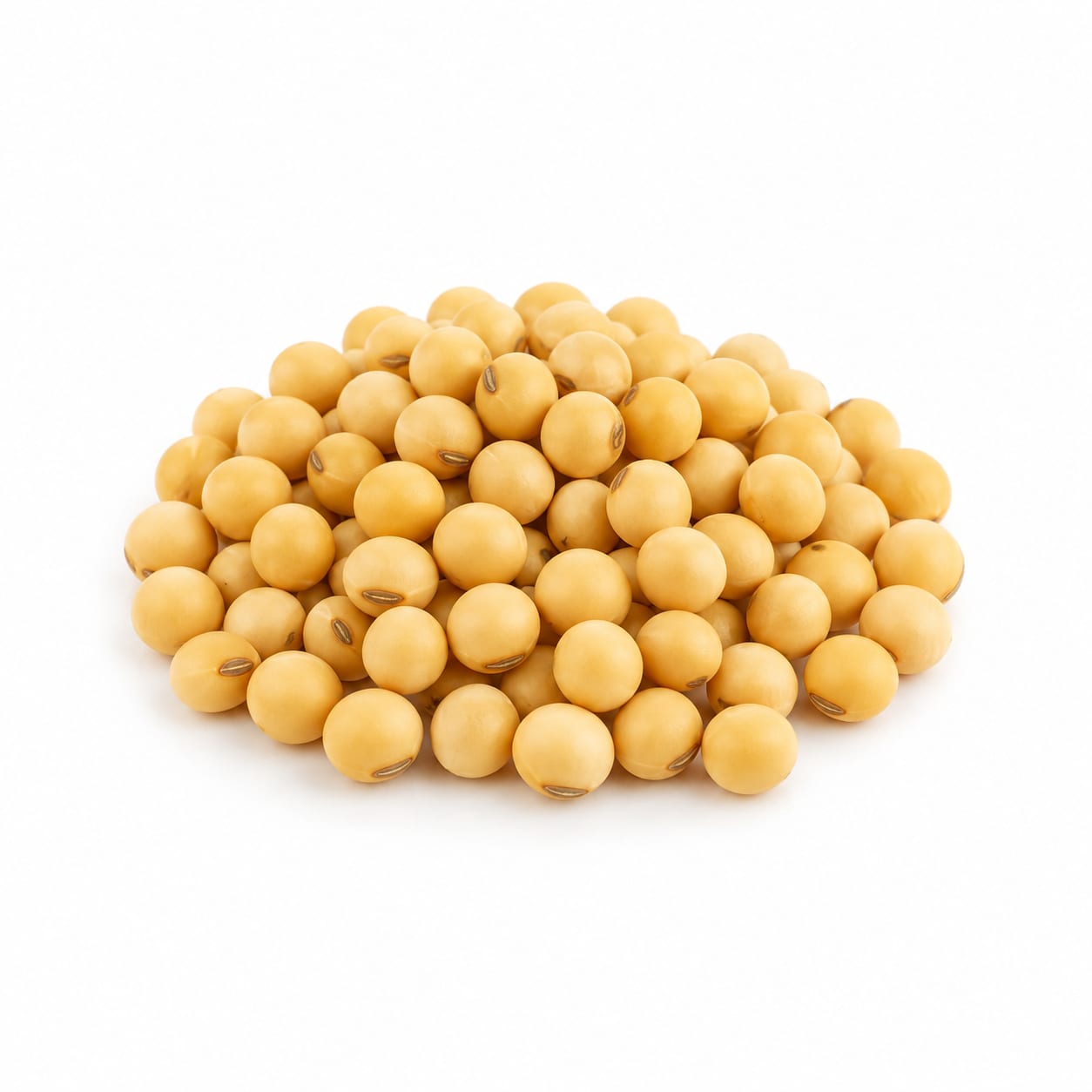
Soybean
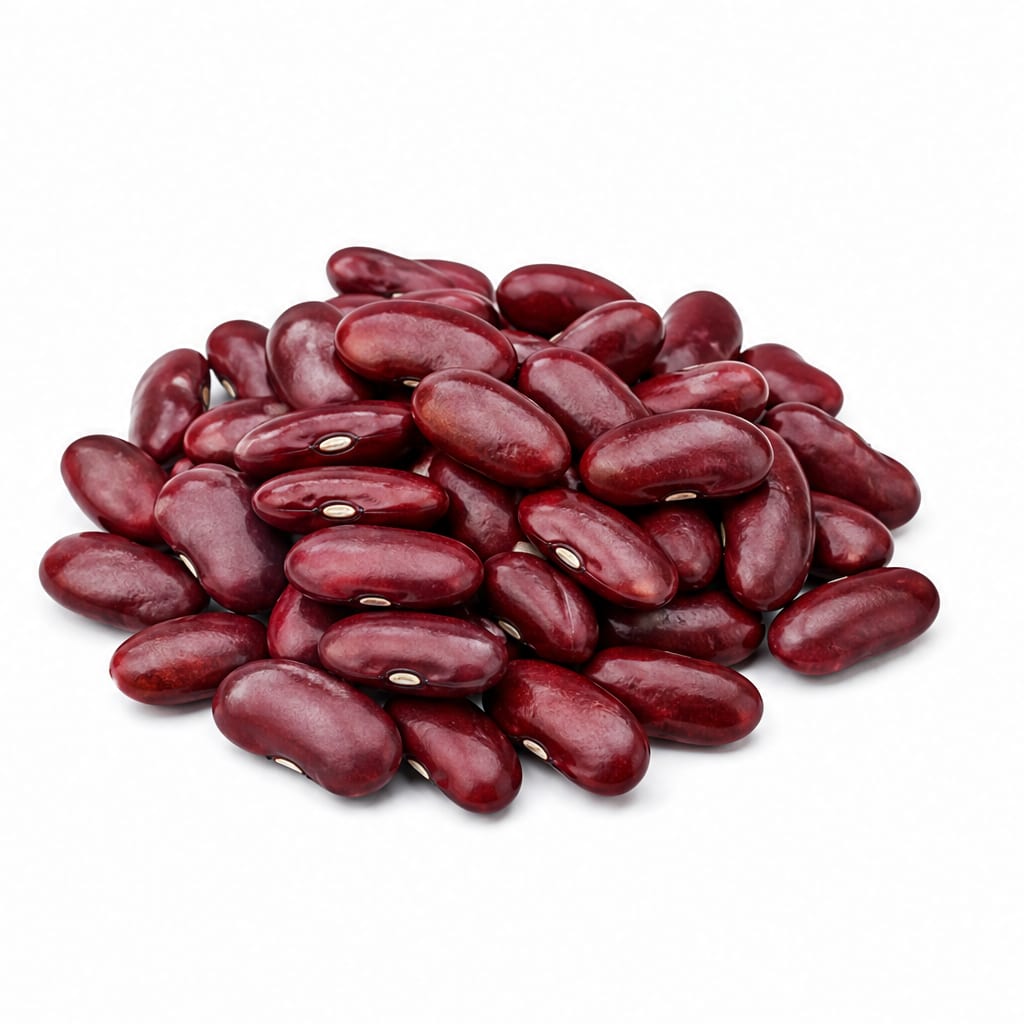
Kidney Beans
Soybeans deliver more protein and healthy fats, making them a nutritional powerhouse, while kidney beans offer steadier energy, more fiber, and no hormonal concerns.
Kidney beans score slightly higher for everyday, worry-free eating due to their gut-friendly fiber and lack of hormonal effects. Soybeans are nutritionally denser but require more dietary context to use safely long-term.
Complete protein and healthy fats in soybeans versus higher fiber, gentler digestion, and hormonal neutrality in kidney beans.
At a glance
Executive summary
Overall
It depends
Healthier
It depends
More practical
Kidney Beans
Daily use
Kidney Beans
Key comparison lenses
Protein quality and completeness
Soybeans are one of the few complete plant proteins, while kidney beans rely on combining for complete amino acid profiles.
Carb vs Fat macronutrient balance
Soybeans are significantly higher in fat and lower in carbs, flipping the typical legume macronutrient ratio compared to kidney beans.
Hormonal and thyroid effects
Soybeans contain phytoestrogens and goitrogens, which are absent in kidney beans and can impact hormone-sensitive individuals.
Toxin and anti-nutrient safety
Kidney beans carry a rare but severe risk of toxicity if undercooked, while soybeans have their own anti-nutrient profile requiring proper preparation.
Best choice for
Soybean
- Vegans needing a complete protein source
- Women looking for natural menopause symptom relief
- People wanting to increase omega-3 and omega-6 intake from whole foods
Kidney Beans
- People managing blood sugar or insulin resistance
- Those avoiding soy due to thyroid or hormonal sensitivities
- Anyone seeking high-fiber, low-fat digestive support
Least suitable for
Soybean
- People with underactive thyroid issues (unless iodine intake is high)
- Individuals with soy allergies or sensitivities
- Those on strict low-fat diets
Kidney Beans
- People on very low-carb or keto diets
- Those who struggle with gas and bloating from high-fiber foods
- Impatient cooks who might undercook beans
Deep comparison
Dimension by dimension
Each lens scores both foods and breaks down who each option suits.
- Dimension 1 · Priority 95Soybean
Protein Quality & Muscle Support
Soybean · 92Kidney Beans · 70Soybeans provide all essential amino acids in one package, while kidney beans need to be paired with grains to form a complete protein.
Tradeoff
You get a complete protein with soybeans, but kidney beans are less calorie-dense if you are watching your intake while trying to hit protein goals.
Why it matters
Complete proteins are easier for the body to use for muscle repair and maintenance without needing food combining.
Real-world impact
Eating soybeans after a workout gives your muscles exactly what they need to recover, whereas a kidney bean salad needs some rice or quinoa to offer the same muscle-building blocks.
Soybean
- Post-workout muscle recovery
- Simplified vegan meal prep without needing food combining
Better for
- Low-calorie diet phases
- People who find high-protein meals too heavy
Worse for
Kidney Beans
- Lower-calorie protein snacking
- Lighter meals that won't weigh you down
Better for
- Strict muscle-building phases needing high complete protein
Worse for
- Dimension 2 · Priority 90Kidney Beans
Blood Sugar & Energy Stability
Soybean · 75Kidney Beans · 90Kidney beans are higher in complex carbohydrates and fiber, providing a slower, steadier release of energy compared to the higher fat content of soybeans.
Tradeoff
Kidney beans give you lasting physical energy, while soybeans offer more sustained satiety from fats but less immediate fuel.
Why it matters
Steady blood sugar prevents the afternoon energy crash and keeps cravings at bay.
Real-world impact
A kidney bean lunch keeps you powered through a busy afternoon without a sugar dip, while soybeans might keep you full but leave you wanting a carb boost for energy.
Soybean
- Meals where long-lasting fullness is the priority
- Low-carb eating windows
Better for
- Pre-workout fueling when you need quick energy
- People sensitive to higher fat intake before activity
Worse for
Kidney Beans
- Sustained energy for physical labor or long days
- Preventing afternoon energy crashes
Better for
- Strict ketogenic diets
Worse for
- Dimension 3 · Priority 85Kidney Beans
Hormonal & Thyroid Impact
Soybean · 55Kidney Beans · 95Soybeans contain phytoestrogens that can mimic estrogen and goitrogens that may interfere with thyroid function, whereas kidney beans are hormonally neutral.
Tradeoff
Soy's phytoestrogens can ease menopause symptoms but might disrupt sensitive hormonal balances; kidney beans offer no such benefits or risks.
Why it matters
Hormonal balance affects everything from mood to metabolism, and daily soy intake can tip the scale for sensitive individuals.
Real-world impact
Eating soybeans daily might help with hot flashes but could leave you feeling sluggish if your thyroid is sensitive, while kidney beans won't affect your hormones at all.
Soybean
- Women seeking natural menopause relief
- People with low estrogen looking for plant-based support
Better for
- People on thyroid medication
- Men consuming extremely high amounts daily
Worse for
Kidney Beans
- Individuals with hypothyroidism
- Those trying to conceive or with hormone-sensitive conditions
- Families wanting a neutral, safe daily staple
Better for
- Those wanting the specific vascular benefits of soy isoflavones
Worse for
- Dimension 4 · Priority 80Kidney Beans
Digestive Tolerance & Gut Health
Soybean · 70Kidney Beans · 85Kidney beans are extremely high in fiber that feeds gut bacteria, while the higher fat content in soybeans can be harder for some to digest.
Tradeoff
Kidney beans might cause initial gas but ultimately foster a healthier gut microbiome; soybeans are richer but can cause bloating in those sensitive to fats or soy.
Why it matters
Good digestion is the foundation of nutrient absorption and comfortable daily living.
Real-world impact
A bowl of kidney beans promotes great bowel movements over time, whereas a large serving of soybeans might sit heavily in your stomach if you have a sensitive gallbladder.
Soybean
- People who need higher fat for satiety to stop snacking
Better for
- People with gallbladder issues or fat malabsorption
- Those with soy intolerance
Worse for
Kidney Beans
- Improving gut microbiome diversity
- Relieving constipation naturally
Better for
- Individuals with severe IBS who react to high fermentable fiber
Worse for
Timeline
Health impact over time
Short-term
Hours to days
Soybean
- High satiety from the fat and protein combination
- Potential for bloating or heavy digestion if eaten in large amounts
Kidney Beans
- Steady, reliable energy without a crash
- Possible gas and bloating if your body isn't used to high fiber
Long-term
Months to years
Soybean
- Possible thyroid suppression if consumed in excess without adequate iodine
- Supportive of heart health through healthy fats
- May alleviate menopausal symptoms due to isoflavones
Kidney Beans
- Excellent blood sugar regulation and diabetes prevention
- Improved gut health and regularity from high fiber
- Consistent, safe nutrition without hormonal interference
Risk profile
Safety & processing
Both are whole, natural legumes when purchased dried or plain canned, though soybeans are more commonly found processed into other products like tofu or tempeh.
Soybean
Goitrogenic compounds
mediumSoybeans contain goitrogens that can interfere with thyroid function if consumed in large amounts, especially if dietary iodine is low.
Phytoestrogen overload
mediumHigh daily consumption can disrupt hormonal balance in sensitive individuals, though moderate intake is generally safe.
Kidney Beans
Phytohaemagglutinin toxicity
highRaw or undercooked kidney beans contain a toxic lectin that causes severe vomiting and diarrhea. They must be boiled for at least 10 minutes to destroy the toxin.
Who wins for whom
Audience fit
Same foods, different winners depending on your goal.
children
Kidney BeansKidney beans are hormonally neutral, avoiding the phytoestrogen concerns associated with growing children consuming soy.
daily consumption
Kidney BeansKidney beans are a safer, hormonally neutral staple that can be eaten daily without worrying about thyroid or estrogenic side effects.
diabetes
Kidney BeansKidney beans have a lower glycemic load and higher carbohydrate-to-fiber ratio, keeping blood sugar extremely stable.
elderly
Kidney BeansThe high fiber in kidney beans supports digestive regularity, which often slows with age, without the thyroid risks of soy.
muscle gain
SoybeanSoybeans offer a complete protein profile with all essential amino acids needed for muscle repair and growth.
weight loss
Kidney BeansKidney beans are lower in calories and fat, making it easier to maintain a calorie deficit while staying full.
Your move
Decision guide
Choose Soybean
- You are vegan and need a convenient, complete protein source
- You want to increase your intake of healthy plant fats
- You are a woman looking for natural menopause support
Choose Kidney Beans
- You want steady, crash-free energy throughout the day
- You have a thyroid condition or want to avoid hormonal foods
- You need a high-fiber, low-fat base for everyday meals
Either works if
- You are meal-prepping healthy grain bowls
- You want to increase your plant-based fiber intake
Avoid both if
- You have a severe legume allergy
- You are on an extremely strict low-carb diet
Final recommendation
Make kidney beans your daily legume staple for safe, steady energy and gut health, and use soybeans strategically when you need a protein-dense, healthy-fat boost or hormonal support.
Practical
Consumer tips
- 1
Always boil kidney beans for at least 10 minutes to destroy the toxic lectin; never slow-cook them raw.
- 2
Cook soybeans thoroughly to reduce goitrogens and improve digestibility.
- 3
If using canned kidney beans, rinse them well under cold water to remove excess sodium and reduce gas-causing compounds.
- 4
Pair kidney beans with a grain like rice to create a complete protein profile similar to soybeans.