
Nutrition comparison
Soybean vs Tofu: Nutrition, Digestibility, and Health Comparison
Compare soybeans vs tofu to find out which is better for protein, digestion, and weight loss. Learn the tradeoffs between whole food fiber and processed soy convenience.
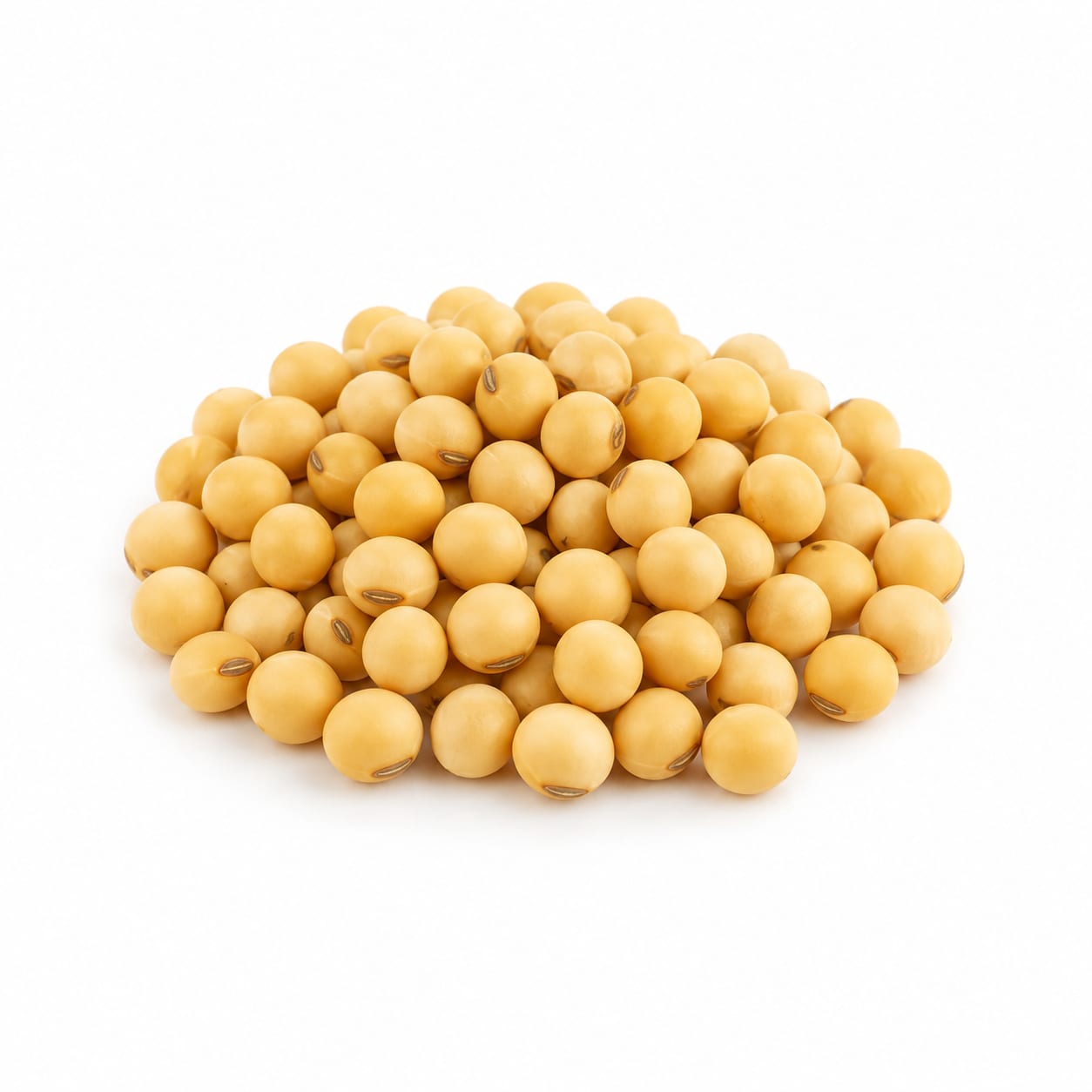
Soybean
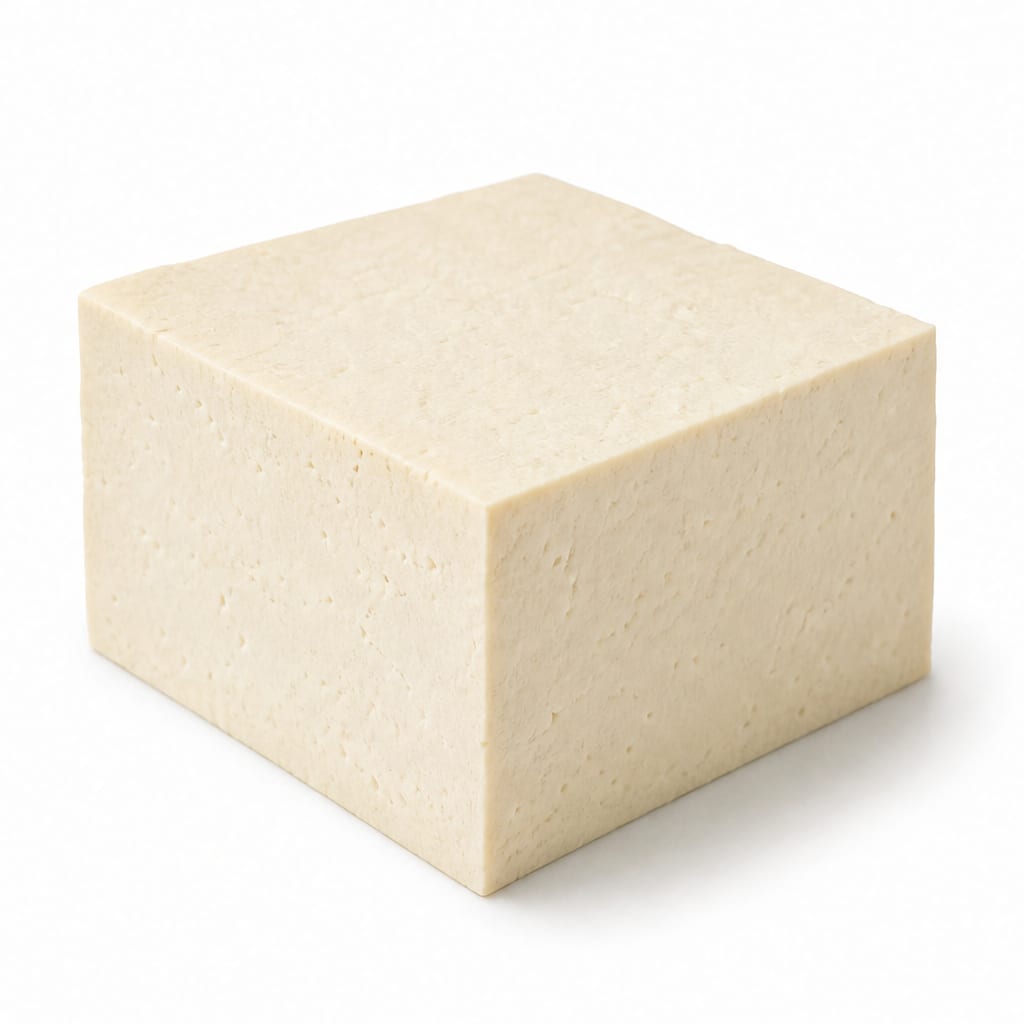
Tofu
Soybeans offer superior fiber and whole-food nutrition, while tofu provides easier digestion and more concentrated, bioavailable protein.
Tofu edges out slightly due to better digestibility and practical convenience, though soybeans win on whole-food fiber and nutrient completeness.
Whole-food completeness and gut-health benefits versus digestive ease and culinary convenience.
At a glance
Executive summary
Overall
It depends
Healthier
It depends
More practical
Tofu
Daily use
Tofu
Key comparison lenses
Whole food versus minimally processed soy
Soybeans are the raw natural legume, while tofu is made by coagulating soy milk, raising questions about nutrient retention and processing.
Digestibility and anti-nutrient impact
Whole soybeans contain natural anti-nutrients that can cause bloating, whereas tofu processing removes most of them, making it easier to digest.
Fiber versus protein concentration
Tofu loses the fiber found in whole soybeans but concentrates the protein, creating a clear tradeoff depending on dietary goals.
Culinary convenience and versatility
Tofu is ready to cook and absorbs flavors quickly, while soybeans require long soaking and boiling times.
Best choice for
Soybean
- People seeking high fiber intake for gut health
- Those wanting a whole, unprocessed plant food
- Anyone needing long-lasting satiety to avoid snacking
Tofu
- People with sensitive digestion or IBS
- Those needing quick, high-quality post-workout protein
- Anyone looking for a versatile, fast-cooking meal base
Least suitable for
Soybean
- People prone to bloating or gas
- Those who need quick-cooking weeknight meal solutions
Tofu
- People strictly avoiding all processed foods
- Those who struggle with feeling satisfied after low-fiber meals
Deep comparison
Dimension by dimension
Each lens scores both foods and breaks down who each option suits.
- Dimension 1 · Priority 95Soybean
Nutrient Density & Fiber
Soybean · 92Tofu · 70Soybeans retain their natural fiber and full fat, while tofu loses most of its fiber during the milk extraction process.
Tradeoff
You trade gut-friendly fiber and whole fats for a more concentrated protein source.
Why it matters
Fiber is crucial for gut health and blood sugar control, making whole soybeans a more complete nutritional package.
Real-world impact
Eating soybeans keeps you full for hours and stabilizes your energy; tofu digests faster, potentially leaving you hungry sooner.
Soybean
- Gut microbiome health
- Blood sugar stability
- Sustained energy
Better for
- Higher calorie load per serving
- Slower digestion for sensitive stomachs
Worse for
Tofu
- Lower calorie density
- Higher protein per calorie
- Easier portion control
Better for
- Missing the gut-health benefits of fiber
- Less satiating fat content
Worse for
- Dimension 2 · Priority 90Tofu
Digestibility & Anti-nutrients
Soybean · 65Tofu · 90Tofu is much easier to digest because processing removes anti-nutrients like trypsin inhibitors and phytic acid.
Tradeoff
Processing strips away some micronutrients but makes the remaining protein far easier for your body to absorb.
Why it matters
Anti-nutrients in whole soybeans can block mineral absorption and cause bloating if the beans are not cooked thoroughly.
Real-world impact
Tofu feels light and comfortable after eating, whereas poorly cooked soybeans can cause gas and stomach heaviness.
Soybean
- Maximum intake of natural enzymes (if sprouted or fermented)
Better for
- Risk of gas and bloating
- Reduced mineral absorption
Worse for
Tofu
- Sensitive stomachs
- Post-workout protein absorption
- Avoiding bloating
Better for
- Loss of some heat-sensitive vitamins during processing
Worse for
- Dimension 3 · Priority 85Tofu
Protein Quality & Bioavailability
Soybean · 75Tofu · 92Tofu delivers highly bioavailable protein, whereas soybean protein is slightly hindered by trypsin inhibitors until neutralized by heat.
Tradeoff
Tofu gives you a direct hit of usable protein, while soybeans require proper cooking to unlock their full protein potential.
Why it matters
If you are eating soy for muscle repair or satiety, you want protein your body can actually use quickly.
Real-world impact
After a workout, tofu is digested and absorbed efficiently, while undercooked soybeans might leave some protein unused.
Soybean
- Slower, time-released amino acid absorption
Better for
- Protein absorption is variable depending on cooking method
Worse for
Tofu
- Immediate muscle recovery
- High protein-to-calorie ratio
- Reliable amino acid delivery
Better for
- Lacks the complementary fat that slows protein digestion for longer satiety
Worse for
- Dimension 4 · Priority 80Tofu
Culinary Versatility & Convenience
Soybean · 55Tofu · 95Tofu is a culinary chameleon that absorbs flavors and cooks in minutes, while soybeans require long soaking and boiling.
Tradeoff
You sacrifice the whole-food crunch of soybeans for the melt-in-your-mouth adaptability of tofu.
Why it matters
Convenience often dictates what we actually eat daily; tofu makes healthy eating far less time-consuming.
Real-world impact
Tofu can be scrambled, baked, or stir-fried on a weeknight in 15 minutes; soybeans need overnight prep.
Soybean
- Snacking (edamame)
- Adding texture to grain bowls
Better for
- Time-consuming preparation
- Limited quick-meal applications
Worse for
Tofu
- Quick weeknight dinners
- Mimicking different food textures
- Absorbing complex sauces
Better for
- Can be bland if not seasoned well
- Requires pressing for some recipes
Worse for
- Dimension 5 · Priority 75Soybean
Satiety & Fullness
Soybean · 88Tofu · 72Soybeans are more filling due to their intact fiber and higher natural fat content, keeping hunger at bay longer.
Tradeoff
The heavy fullness from soybeans is great for long gaps between meals, but can feel too heavy for light eating.
Why it matters
Staying full helps prevent overeating and snacking on less healthy options later in the day.
Real-world impact
A bowl of soybeans at lunch can keep you full until dinner, while a tofu salad might have you reaching for a snack by 3 PM.
Soybean
- Long workdays without breaks
- Reducing between-meal snacking
- Active individuals needing sustained fuel
Better for
- Can feel overly heavy before physical activity
- Higher calorie cost for the fullness
Worse for
Tofu
- Light dinners
- Pre-workout meals that won't weigh you down
- Smaller appetites
Better for
- Hunger may return faster
- Requires adding fats or fiber to increase staying power
Worse for
Timeline
Health impact over time
Short-term
Hours to days
Soybean
- Can cause bloating or gas if undercooked
- Provides very steady energy due to high fiber and fat
- Feels heavy and grounding in the stomach
Tofu
- Easy on the stomach and digests quickly
- Provides a quick protein boost
- Leaves you feeling light
Long-term
Months to years
Soybean
- Excellent for bowel regularity and gut microbiome
- Supports heart health with whole-food fiber and fats
- Anti-nutrients may slightly impact mineral status if diet is unvaried
Tofu
- Supports muscle maintenance and bone density (if calcium-set)
- Highly sustainable daily protein source
- Lack of fiber means you must source it elsewhere in your diet
Risk profile
Safety & processing
Soybeans are a whole, natural food. Tofu is a traditional processed food made by coagulating soy milk, containing only a few simple ingredients like soybeans, water, and a natural coagulant.
Soybean
Anti-nutrient interference
mediumPhytic acid and trypsin inhibitors can reduce mineral and protein absorption if soybeans are not thoroughly cooked.
Digestive discomfort
mediumComplex sugars in whole soybeans can cause significant gas and bloating in sensitive individuals.
Tofu
Spoilage and bacterial contamination
mediumAs a wet, high-moisture food, tofu can spoil quickly and harbor bacteria if not kept refrigerated and handled properly.
Coagulant sensitivities
lowSome tofu is set with calcium sulfate or magnesium chloride, which are generally safe but may affect those with specific sensitivities.
Who wins for whom
Audience fit
Same foods, different winners depending on your goal.
children
TofuTofu is soft, easy to chew, gentle on developing digestive systems, and provides essential calcium for growing bones.
daily consumption
TofuTofu's versatility, ease of preparation, and digestibility make it a much more practical staple for everyday meals.
diabetes
SoybeanThe high fiber content in soybeans slows down carbohydrate digestion, leading to more stable blood sugar levels compared to tofu.
elderly
TofuTofu is extremely easy to chew and digest, which is crucial for older adults who may have dental issues or slower digestion.
muscle gain
TofuTofu provides highly bioavailable, concentrated protein that is quickly absorbed, making it superior for muscle repair and growth.
weight loss
TofuTofu offers lower calories and high protein, making it easier to control portions and stay within a calorie deficit without feeling heavy.
Your move
Decision guide
Choose Soybean
- You want to maximize your fiber intake for gut health
- You have no issues with digestion and prefer whole, unprocessed foods
- You need long-lasting satiety to get through busy days without snacking
Choose Tofu
- You want a quick, easy-to-digest protein source
- You have a sensitive stomach or are prone to bloating
- You need a versatile ingredient for fast weeknight cooking
Either works if
- You are looking for plant-based complete protein sources
- You want to incorporate more isoflavones into your diet for hormonal balance
Avoid both if
- You have a diagnosed soy allergy
- You are strictly following a soy-free diet for thyroid management under medical supervision
Final recommendation
Let tofu be your daily workhorse for protein and convenience, but add whole soybeans when you need extra fiber, crunch, and long-lasting fullness.
Practical
Consumer tips
- 1
If cooking whole soybeans, soak them overnight and boil thoroughly to reduce anti-nutrients and prevent bloating.
- 2
Look for calcium-set tofu to get a bonus bone-building mineral boost.
- 3
Press tofu before cooking to improve texture and help it absorb marinades better.
- 4
Edamame (young soybeans) are a great middle ground—easier to digest than mature soybeans and quicker to prepare.
- 5
Store tofu in water in the fridge, changing the water daily, to keep it fresh longer.