
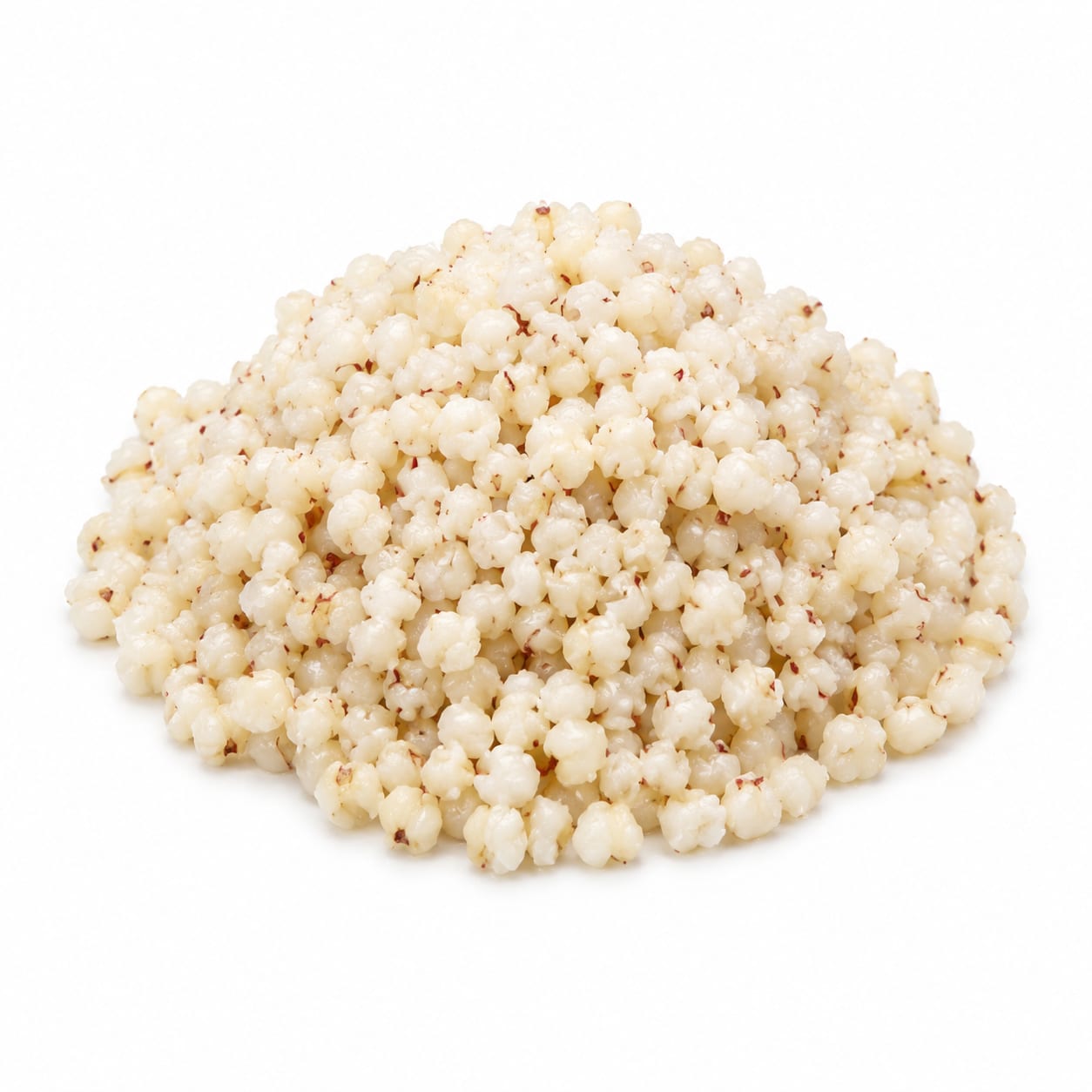
Whole Grain
Sorghum
A naturally gluten-free ancient grain high in fiber and antioxidants, ideal for blood sugar control and gut health.
A nutrient-dense, naturally gluten-free ancient cereal grain widely consumed globally as a staple food, animal feed, and increasingly in gluten-free product formulations.
slow-digesting gluten-free whole grain
Typical serving · 100g
Common varieties · white sorghum, red sorghum, black sorghum, sweet sorghum, broomcorn
Overall context score across nutrition, safety, and diet fit
At a glance
Quick facts
Simple indicators based on nutrition, processing, and diet fit.
The story
What makes it unique
Sorghum is a slow-digesting complex carbohydrate with moderate protein and high fiber content. Its low-to-moderate glycemic index supports stable blood sugar, while phenolic compounds and resistant starch contribute to gut health and prolonged satiety.
Varieties: white sorghum · red sorghum · black sorghum · sweet sorghum · broomcorn
Per 100g
Nutrition breakdown
Macro balance and key metrics at a glance.
Energy
Density 3.29 kcal/g
Protein
Carbs
Fat
Fiber
Sugar
0 g
Sodium
2 mg
Potassium
350 mg
Glycemic index
62
Glycemic load
44
Water content
10%
Standout compounds
Nutrient highlights
Fiber
moderatesupports digestion and increases satiety
Magnesium
moderatesupports bone health and muscle function
Iron
moderateaids in oxygen transport and energy production
Phenolic Compounds
highprovides antioxidant and anti-inflammatory effects
Resistant Starch
highacts as a prebiotic to feed gut bacteria
Wellness map
Health scores & processing
NOVA processing scale
minimally processed · Whole food
Whole sorghum grains are harvested and cleaned with minimal alteration, retaining their bran, germ, and endosperm.
Diet compatibility
- Weight loss
- Muscle gain
- Diabetes
- Gut health
- Low carb
- High protein
- Heart health
Relative standing
Food rankings
Qualitative ranks compared to similar whole foods.
- Satietygood
- Blood sugargood
- Nutrient densitygood
- Fitness fuelmoderate
- Processing qualityexcellent
Eat with confidence
Food safety profile
Sorghum is a hardy crop that requires fewer pesticides than many other grains. Proper storage is necessary to prevent mycotoxin growth from fungal contamination.
Evidence confidence 90%
- Pesticideslow
- Antibioticslow
- Heavy metalslow
- Contaminationlow
Watch for
- mycotoxins
Safer choices
organic sorghum for maximum pesticide avoidance
Prep tips
Rinse thoroughly under cold water before cooking to remove debris and potential surface contaminants.
minimal
Deep dive
Health analysis
How this food may fit different goals and preparation choices.
Weight loss
High fiber and resistant starch delay gastric emptying, keeping you full longer on fewer calories.
Blood sugar
Complex carbohydrates and tannins slow glucose absorption, preventing sharp blood sugar spikes.
Fitness & energy
Provides sustained, slow-releasing carbohydrates ideal for endurance activities and glycogen replenishment.
Gut health
Resistant starch acts as a prebiotic, feeding beneficial gut bacteria and promoting short-chain fatty acid production.
Processing quality
Typically consumed as a whole grain, preserving the nutrient-dense bran and germ.
Food safety
Generally safe with low pesticide residues due to its natural drought and pest resistance.
Common mistakes
Not soaking or cooking long enough, resulting in an overly chewy texture; assuming all sorghum products are whole grain when some are refined flour or syrup.
Best preparation
Boil like rice or quinoa (1 part sorghum to 3 parts water for 45-60 minutes), or pop like popcorn for a crunchy snack.
Practical guide
Best use cases
When and how this food fits real eating patterns.
Gluten-free baking base
Sorghum flour mimics wheat flour texture, making it ideal for gluten-free breads, pizzas, and pastries.
Complex carb meal prep
Boiled whole sorghum holds its texture well over several days, perfect for batch-cooking grain bowls.
Prebiotic fiber boost
The resistant starch in sorghum feeds beneficial gut bacteria, supporting a healthy microbiome.
Balance sheet
Pros & cons
Upsides
- Naturally gluten-free
- High in antioxidants
- Good source of prebiotic resistant starch
- Drought-resistant and environmentally sustainable crop
- Versatile culinary applications (boiled, popped, or ground into flour)
Trade-offs
- Long cooking time for whole grains (up to 60 minutes)
- Not a complete protein (lacks sufficient lysine)
- High in carbohydrates, unsuitable for keto
- Phytic acid can reduce mineral absorption if not soaked
Fit check
Who is it for?
Great match
- gluten-free diets
- blood sugar management
- gut microbiome support
- sustainable eating
Consider alternatives
- strict low-carb diets
- quick-cooking weeknight meals
- high-protein diets
Side by side
How it compares
Open the full head-to-head analysis for nutrition, safety, and practical tradeoffs.
This food
Sorghum
VS90% alike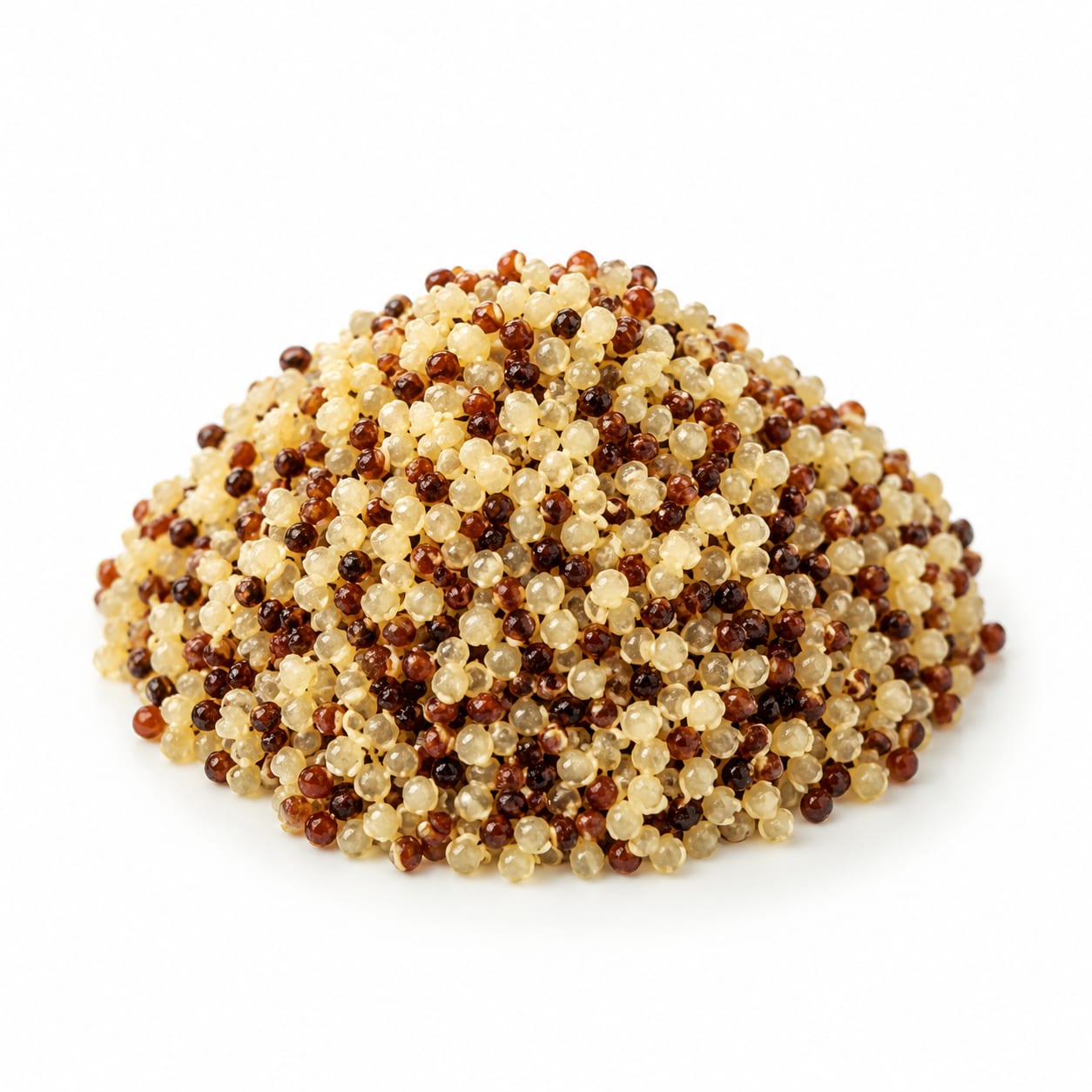
Compare with
Quinoa
Quinoa offers more complete protein for muscle recovery, while sorghum provides more antioxidants and is better for blood sugar control.
Quinoa provides more complete protein, while sorghum offers more antioxidants and better blood sugar stability.
This food
Sorghum
VS85% alike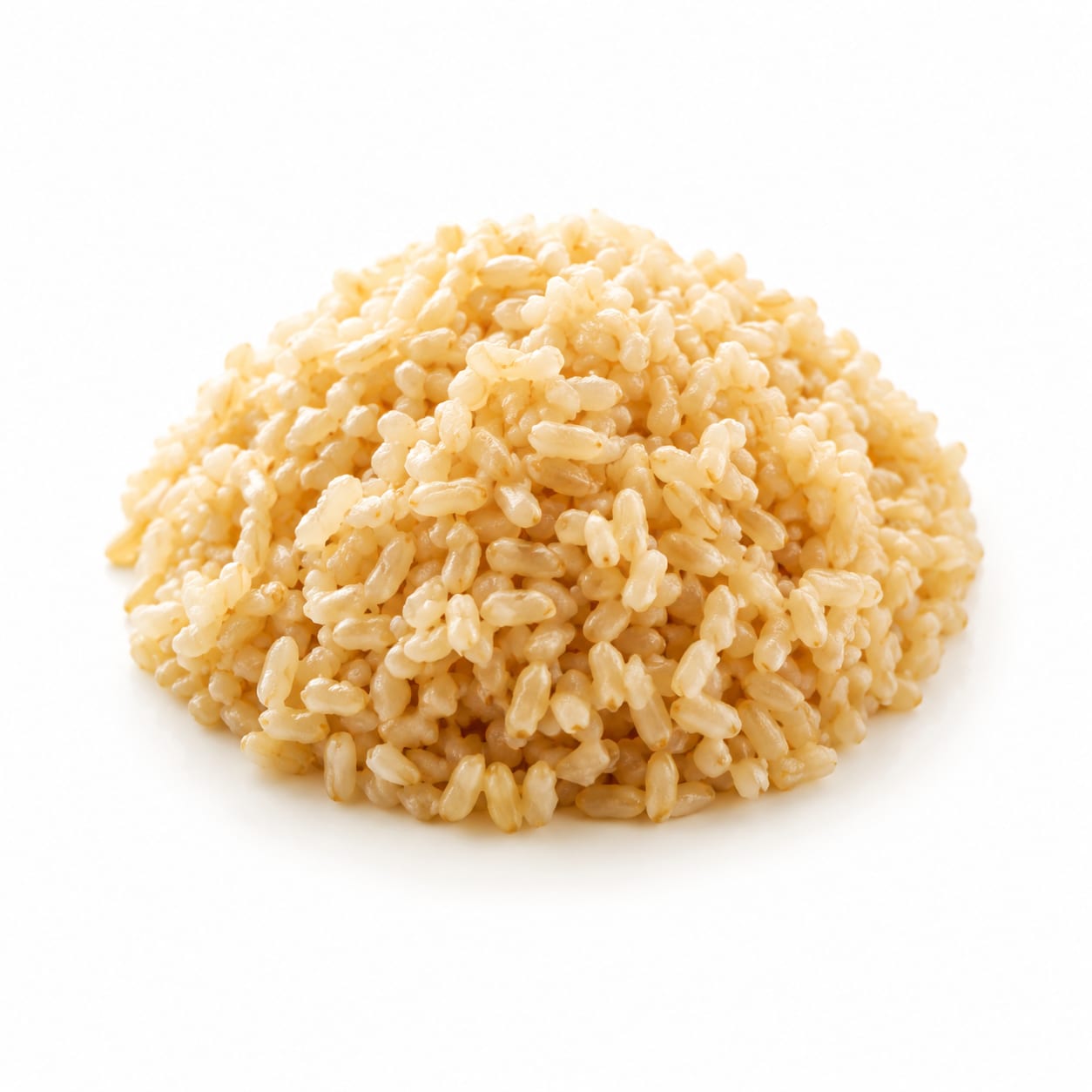
Compare with
Brown Rice
Sorghum is more nutrient-dense than brown rice, offering more protein, fiber, and antioxidants per serving.
Sorghum outperforms brown rice in fiber, protein, and antioxidants, making it a more nutrient-dense choice.
This food
Sorghum
VS90% alike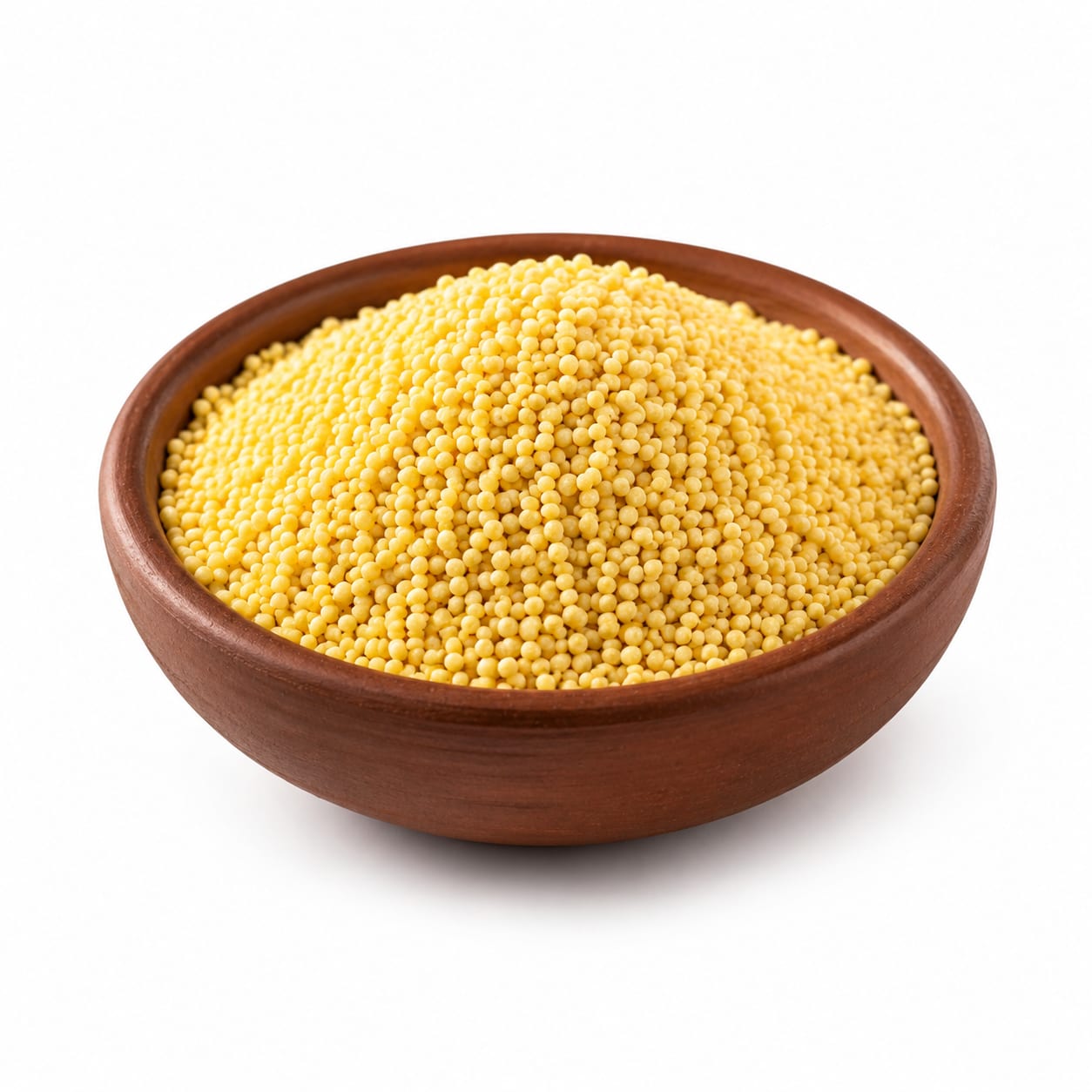
Compare with
Millet
Millet cooks faster and is lighter, while sorghum is chewier and packs more antioxidants for cellular protection.
Millet cooks faster and is lighter, while sorghum is chewier and packs more antioxidants for cellular protection.
This food
Sorghum
VS85% alike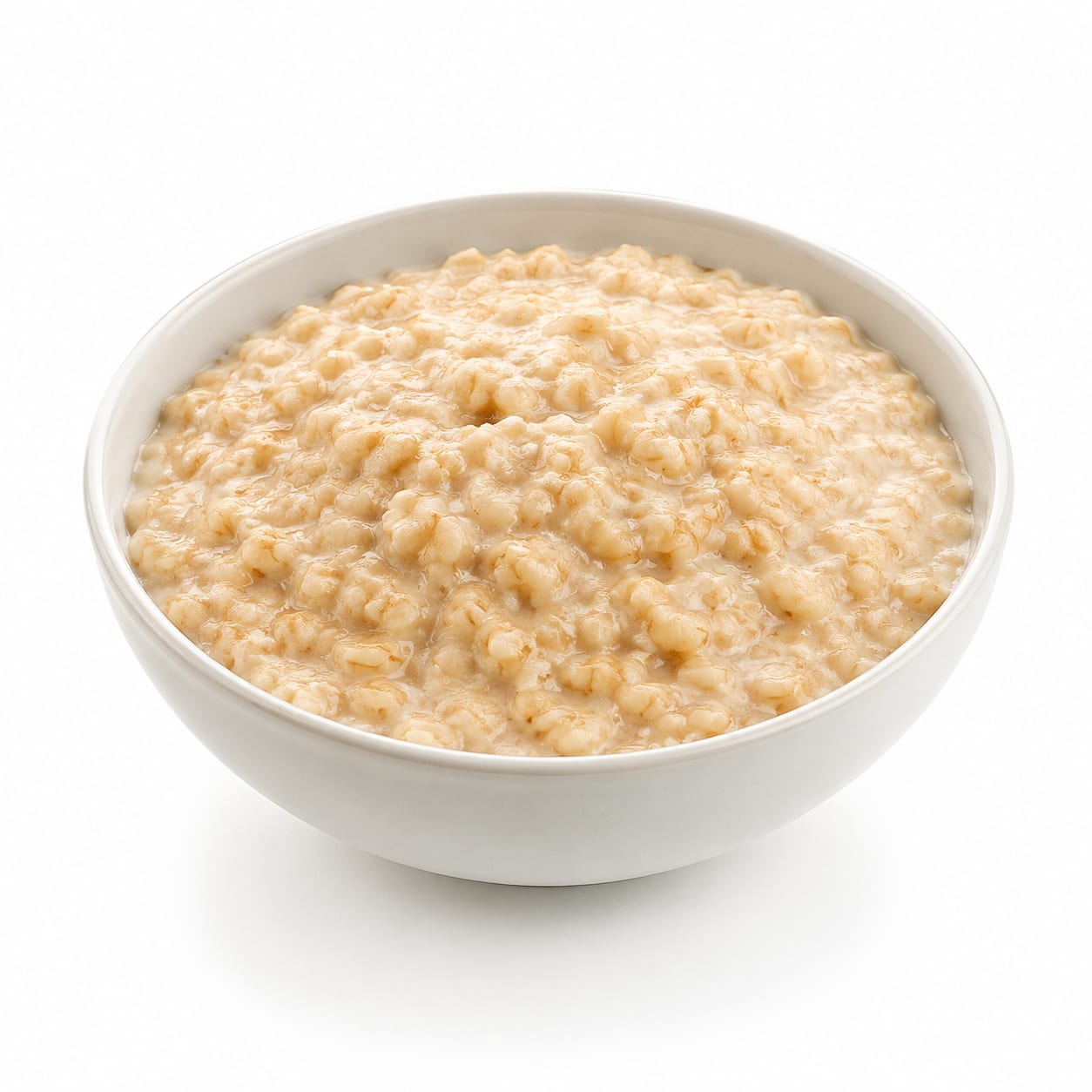
Compare with
Oats
Oats excel in soluble fiber for heart health, whereas sorghum provides resistant starch for gut health and is naturally gluten-free.
Oats excel in soluble fiber for heart health, whereas sorghum provides resistant starch for gut health and is naturally gluten-free.
This food
Sorghum
VS80% alike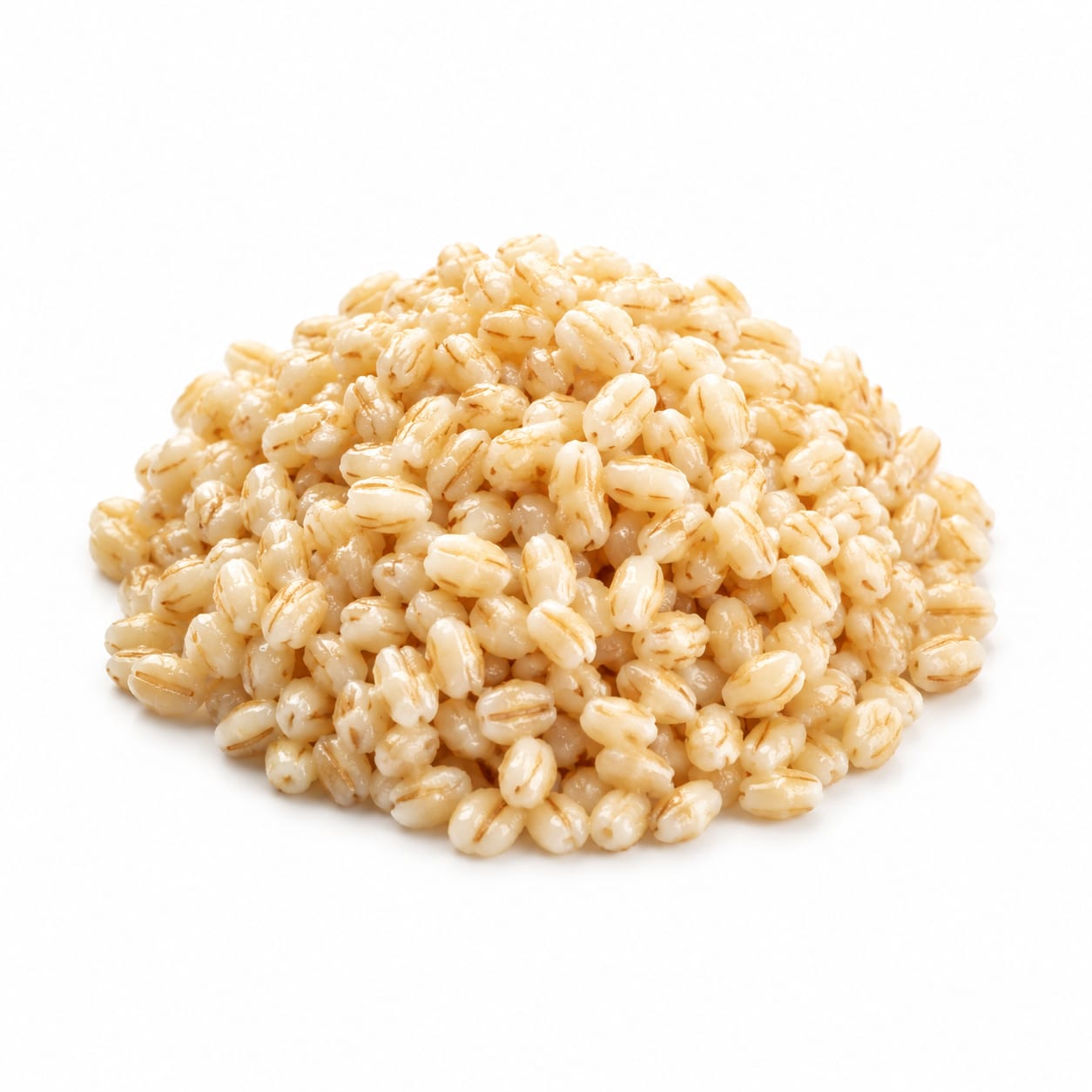
Compare with
Barley
Barley contains more soluble fiber, but sorghum is the clear choice for those avoiding gluten.
Barley contains more soluble fiber, but sorghum is the clear choice for those avoiding gluten.
This food
Sorghum
VS85% alike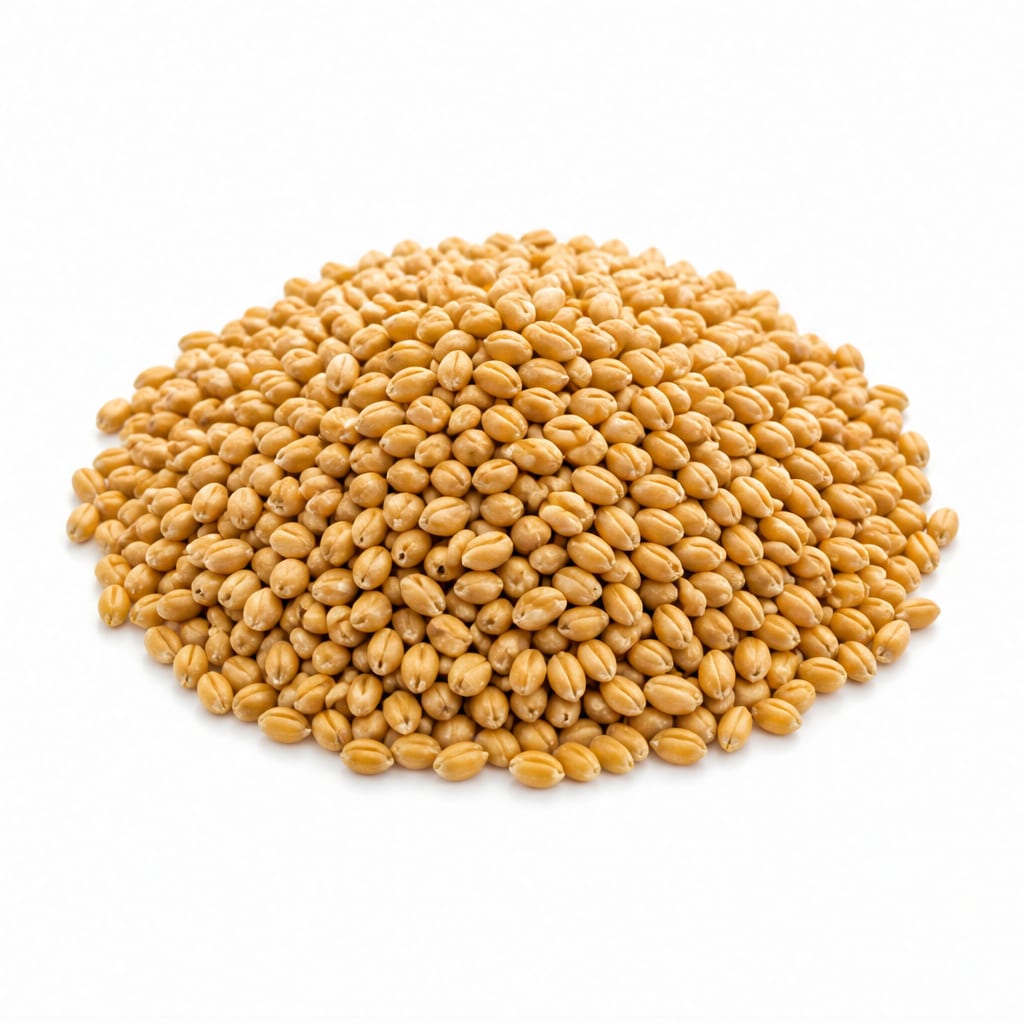
Compare with
Wheat Berries
Sorghum is a direct gluten-free alternative to wheat berries with a similar chewy texture and nutty flavor.
Sorghum is a direct gluten-free alternative to wheat berries with a similar chewy texture and nutty flavor.
This food
Sorghum
VS85% alike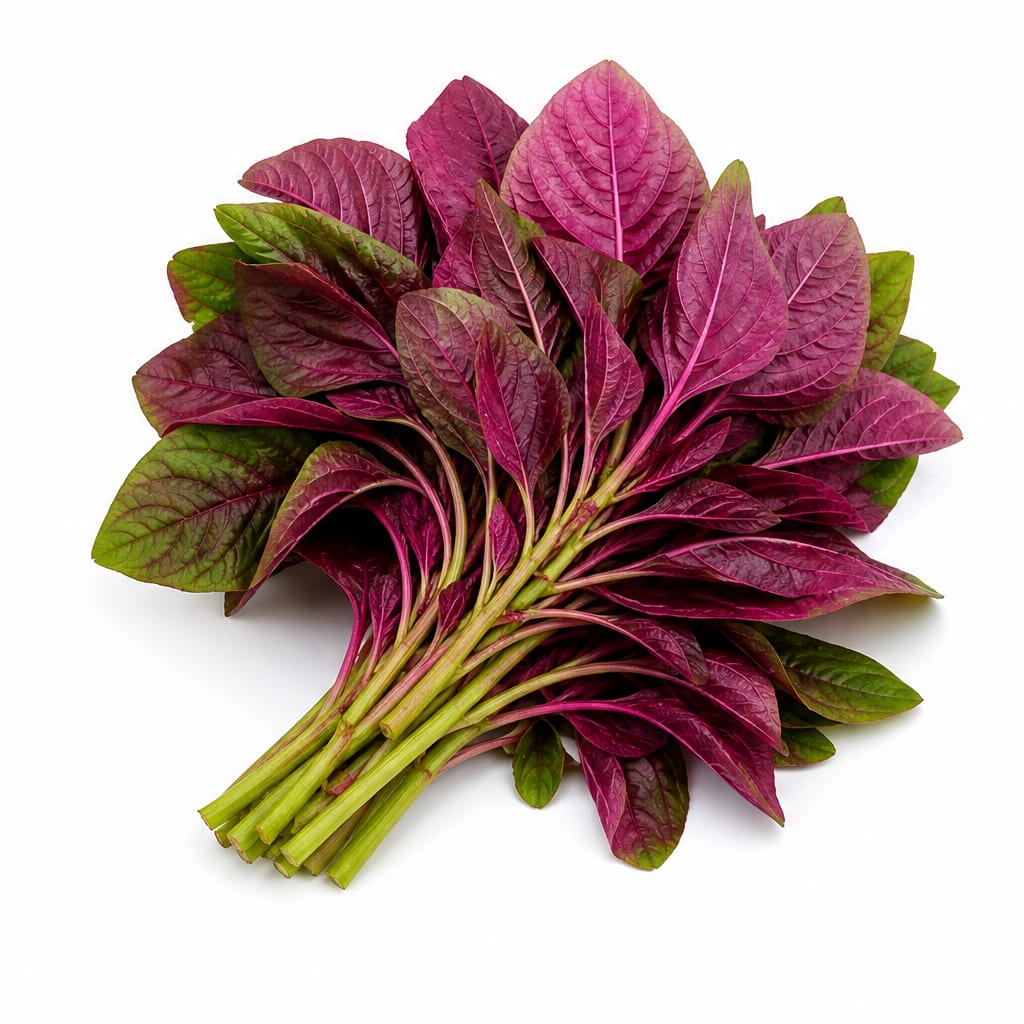
Compare with
Amaranth
Amaranth provides more protein and iron, while sorghum offers a milder flavor and better blood sugar stability.
Amaranth provides more protein and iron, while sorghum offers a milder flavor and better blood sugar stability.
This food
Sorghum
VS80% alike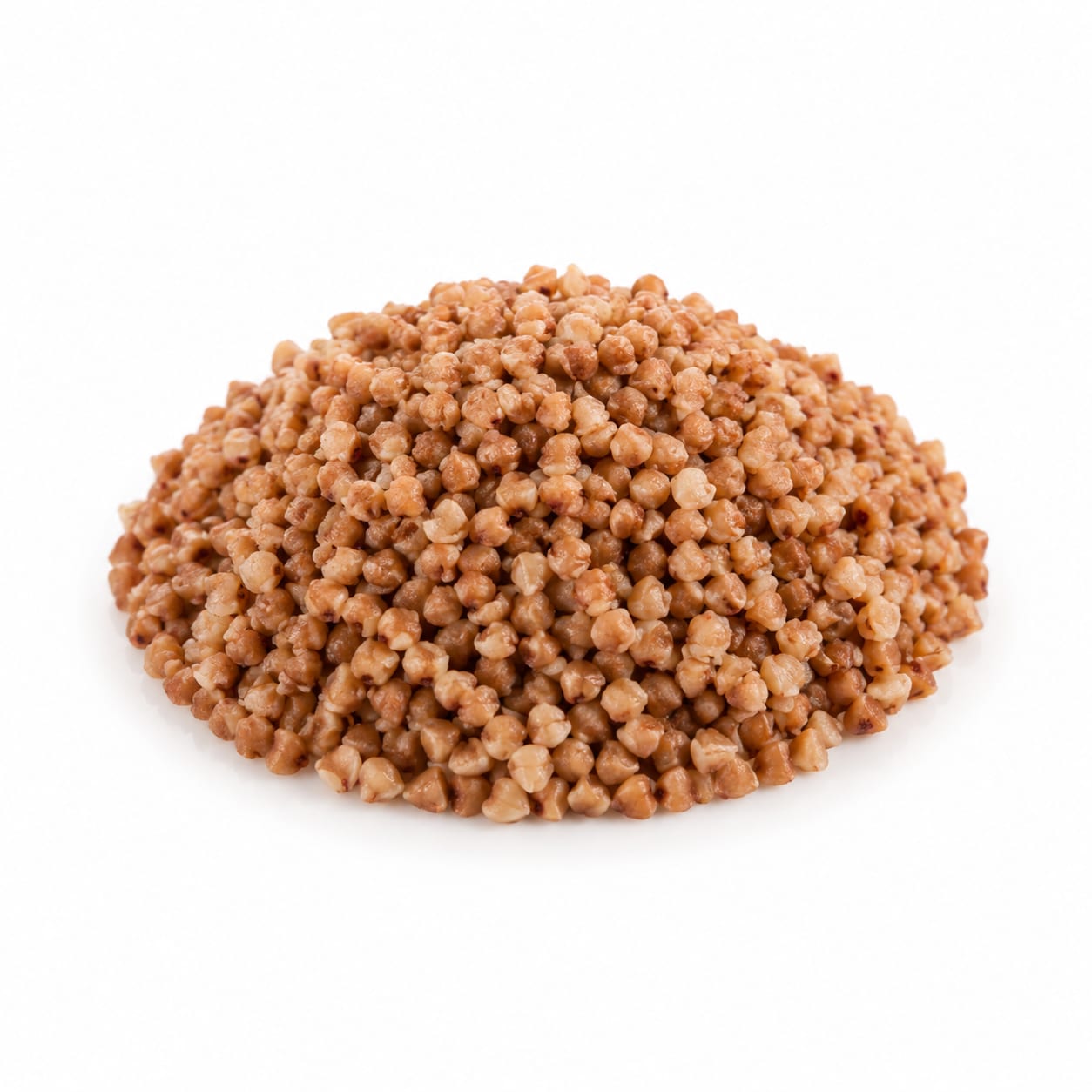
Compare with
Buckwheat
Buckwheat is richer in heart-healthy rutin, while sorghum provides more slow-digesting resistant starch.
Buckwheat is richer in heart-healthy rutin, while sorghum provides more slow-digesting resistant starch.
This food
Sorghum
VS70% alike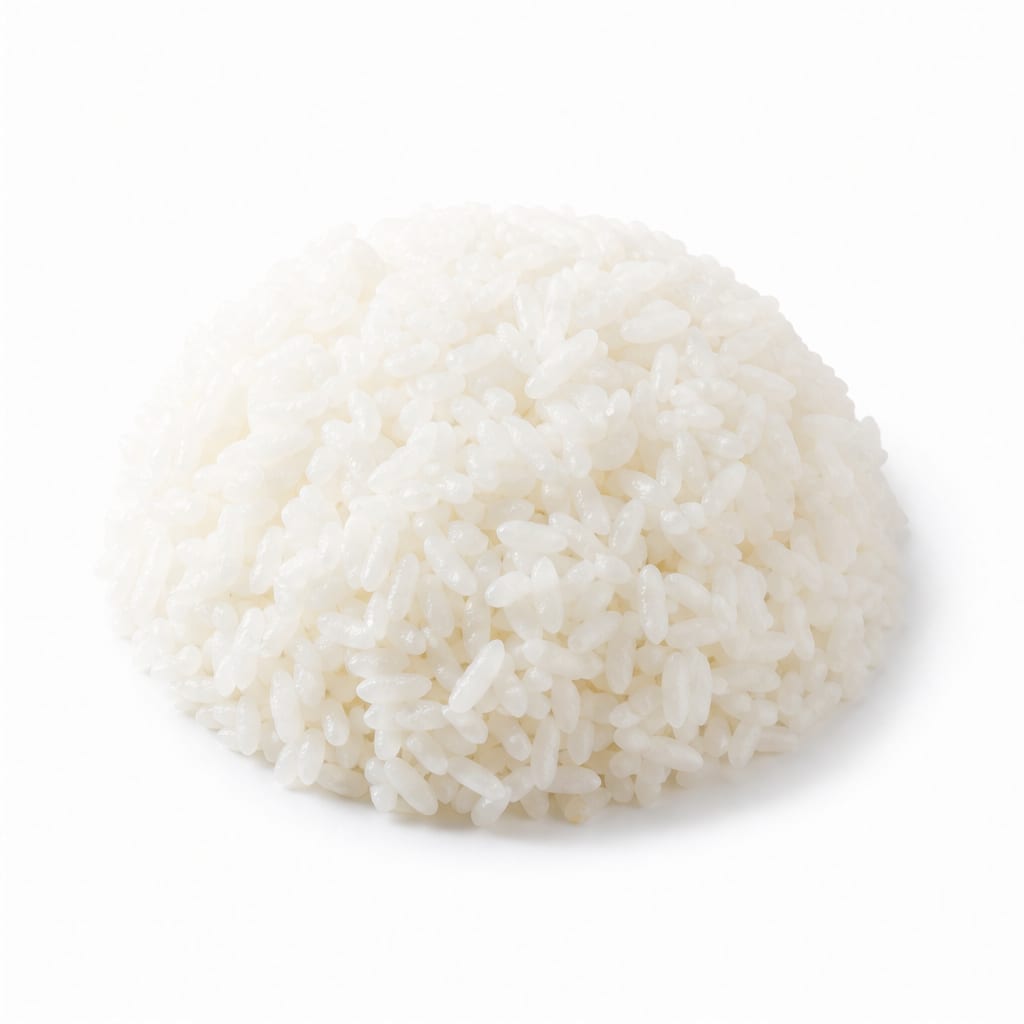
Compare with
White Rice
Sorghum completely outperforms white rice in fiber, protein, and micronutrients, offering sustained energy without the crash.
Sorghum completely outperforms white rice in fiber, protein, and micronutrients, offering sustained energy without the crash.
This food
Sorghum
VS80% alike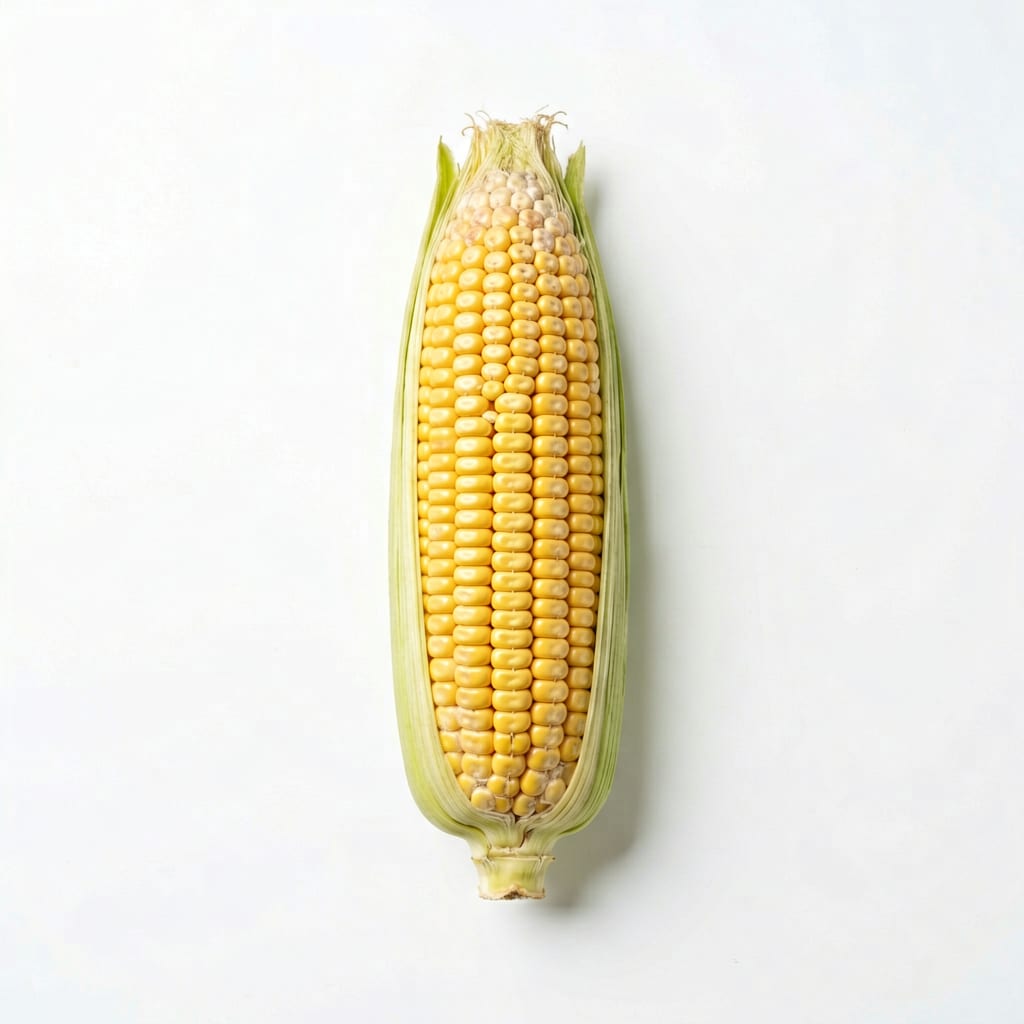
Compare with
Corn
Sorghum is lower in starch and higher in certain antioxidants than corn, making it slightly better for blood sugar management.
Sorghum is lower in starch and higher in certain antioxidants than corn, making it slightly better for blood sugar management.
Common questions
FAQ
Answers aligned with how people search for this food.
Is sorghum good for weight loss?
Yes, its high fiber and resistant starch content increase satiety and reduce overall calorie intake by keeping you full longer.
Is sorghum gluten-free?
Yes, sorghum is naturally 100% gluten-free and safe for those with celiac disease or gluten intolerance.
Is sorghum better for you than rice?
Sorghum contains more fiber, protein, and antioxidants than white rice, making it a more nutrient-dense choice for blood sugar control.
Can diabetics eat sorghum?
Yes, sorghum has a moderate glycemic index and its tannins slow carbohydrate absorption, aiding in stable blood sugar management.
Can you eat sorghum on a keto diet?
No, sorghum is high in carbohydrates and not suitable for a strict ketogenic diet.
What does sorghum taste like?
Whole sorghum has a mild, slightly earthy, and nutty flavor that absorbs seasonings and dressings well.
Does sorghum cause bloating?
Like other whole grains, eating large amounts suddenly can cause bloating due to high fiber content; it is best to increase intake gradually.
Is sorghum inflammatory?
No, sorghum contains antioxidants like phenolic compounds that may help reduce inflammation in the body.
Can you pop sorghum like popcorn?
Yes, whole sorghum grains can be popped in a hot pan or air popper, making a mini popcorn-like gluten-free snack.
Is sorghum syrup healthy?
Sorghum syrup is a natural sweetener but is high in sugar and lacks the fiber of whole sorghum, so it should be used in moderation.
Transparency
Data confidence
Estimated confidence for nutrition data, interpretation, safety notes, and comparisons.
Nutrition data
Health analysis
Food safety
Comparisons