
Nutrition comparison
Barley vs Sorghum: Nutrition, Gluten, and Health Benefits Compared
Compare Barley vs Sorghum to find out which ancient grain is better for blood sugar, heart health, and gluten-free diets. Discover the nutritional tradeoffs.
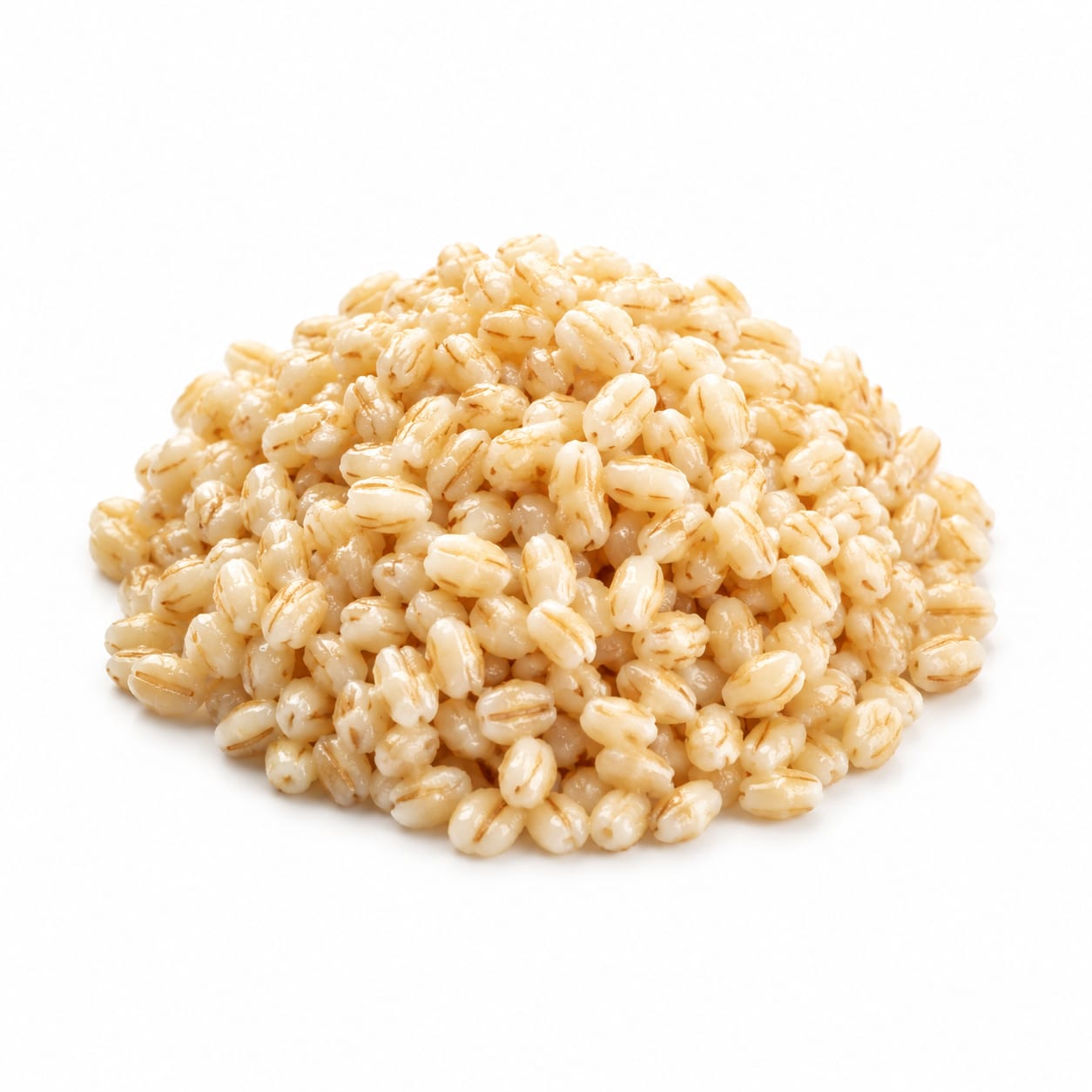
Barley
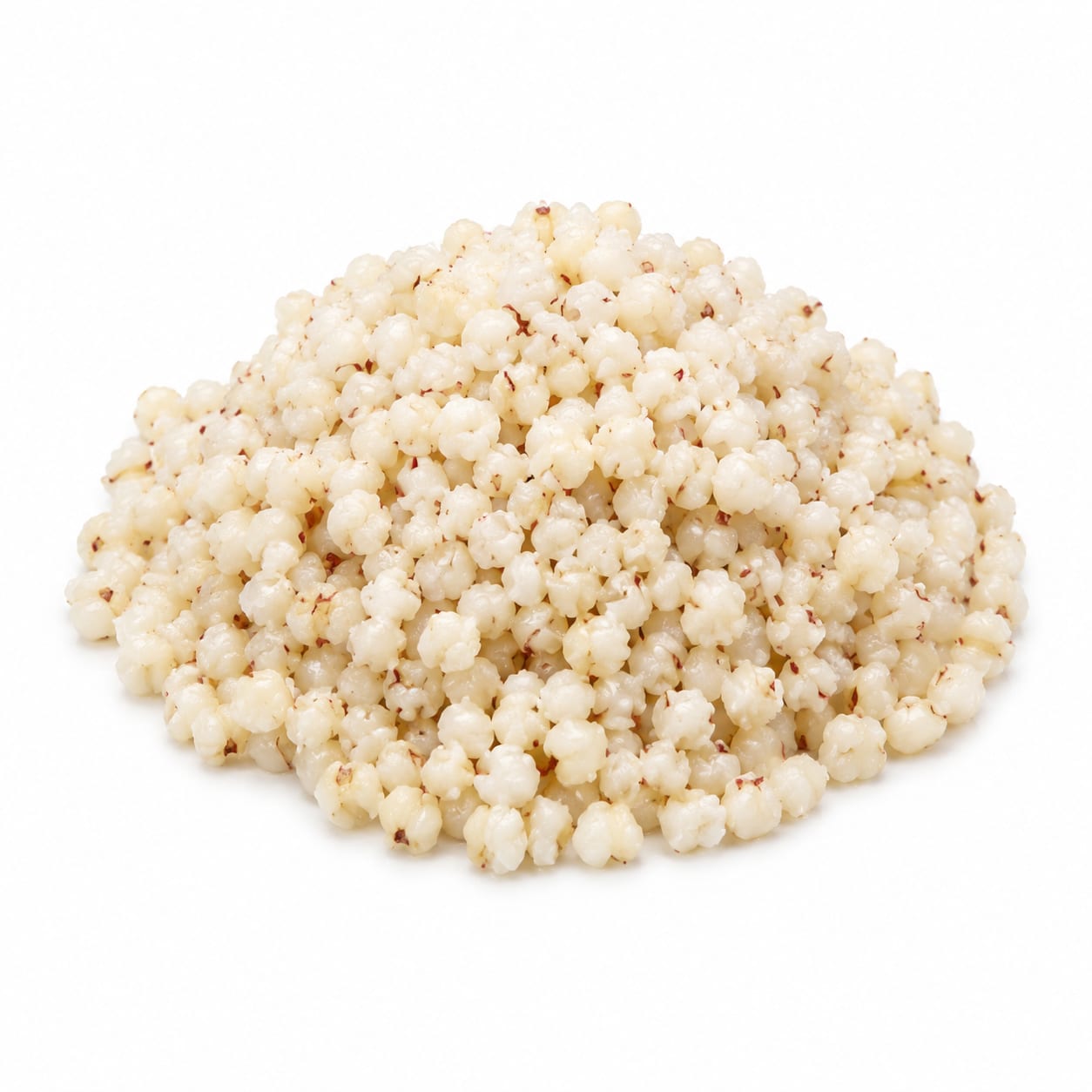
Sorghum
Barley wins for metabolic health and cholesterol, while Sorghum dominates for gluten-free safety and antioxidant power.
Barley scores slightly higher for its unmatched metabolic benefits, but Sorghum stays close due to its gluten-free advantage and superior antioxidants. The winner depends entirely on your gluten tolerance.
You trade Barley's proven cholesterol-lowering beta-glucan for Sorghum's gluten-free safety and cellular antioxidants.
At a glance
Executive summary
Overall
It depends
Healthier
It depends
More practical
Sorghum
Daily use
It depends
Key comparison lenses
Gluten tolerance and digestive safety
Barley contains gluten, making Sorghum the automatic choice for celiacs and the gluten-sensitive.
Blood sugar and cholesterol management
Barley is uniquely rich in beta-glucan, a powerful soluble fiber for metabolic health that Sorghum lacks.
Antioxidant intake and cellular defense
Sorghum, especially darker varieties, offers exceptional antioxidants that Barley does not match.
Culinary versatility and recipe adaptation
Sorghum can be popped, baked into flour, or boiled, while Barley is mostly limited to soups and bowls.
Best choice for
Barley
- People actively trying to lower LDL cholesterol
- Those seeking maximum blood sugar stability
- Anyone wanting a highly filling grain for weight management
Sorghum
- People with celiac disease or gluten sensitivity
- Those looking for a versatile gluten-free flour alternative
- Anyone prioritizing high antioxidant intake
Least suitable for
Barley
- People with celiac disease or non-celiac gluten sensitivity
- Those on a strict gluten-free diet
Sorghum
- People looking for a quick-cooking weeknight grain
- Those who specifically want the cholesterol-lowering effects of beta-glucan
Deep comparison
Dimension by dimension
Each lens scores both foods and breaks down who each option suits.
- Dimension 1 · Priority 95Barley
Blood Sugar & Heart Health
Barley · 92Sorghum · 75Barley contains beta-glucan, a soluble fiber clinically proven to lower cholesterol and stabilize blood sugar. Sorghum is a solid whole grain, but lacks this specific powerful compound.
Tradeoff
You gain heart-specific benefits with Barley, but sacrifice the gluten-free safety of Sorghum.
Why it matters
Beta-glucan acts like a sponge for cholesterol and slows sugar absorption, making Barley a top-tier grain for metabolic health.
Real-world impact
Eating Barley regularly can lead to noticeably steadier afternoon energy and improved cholesterol panels over time.
Barley
- Lowering LDL cholesterol
- Preventing blood sugar spikes
Better for
- Celiacs
- Gluten-sensitive individuals
Worse for
Sorghum
- Maintaining steady energy without gluten
Better for
- Targeted cholesterol reduction
- Maximum blood sugar flattening
Worse for
- Dimension 2 · Priority 90Sorghum
Digestive Tolerance & Gut Safety
Barley · 55Sorghum · 95Sorghum is naturally gluten-free, making it a safe and soothing choice for anyone with celiac disease or gluten intolerance. Barley contains gluten, which triggers severe issues for many.
Tradeoff
Choosing Sorghum means zero gluten risk, but you miss out on Barley's soluble fiber benefits.
Why it matters
For the growing population with gluten sensitivity, eating Barley can cause bloating, fatigue, and gut damage.
Real-world impact
Sorghum leaves you feeling light and comfortable after meals, whereas Barley might cause digestive distress if you are sensitive to gluten.
Barley
- Feeding gut bacteria with soluble fiber
Better for
- People with gluten intolerance
Worse for
Sorghum
- Avoiding gut inflammation
- Preventing celiac flare-ups
Better for
- Those needing high soluble fiber for gut motility
Worse for
- Dimension 3 · Priority 80Sorghum
Antioxidant & Anti-inflammatory Power
Barley · 70Sorghum · 88Sorghum, especially darker varieties, is packed with unique antioxidants like tannins and anthocyanins that fight cellular damage. Barley offers antioxidants but generally in lower concentrations.
Tradeoff
Sorghum provides stronger cellular defense against oxidative stress, while Barley focuses more on metabolic defense.
Why it matters
Antioxidants from Sorghum help reduce chronic inflammation and protect cells from everyday wear and tear.
Real-world impact
Regularly eating Sorghum can contribute to better long-term cellular health and reduced inflammation markers.
Barley
- Reducing metabolic inflammation via blood sugar control
Better for
- Those seeking high antioxidant concentrations
Worse for
Sorghum
- Fighting free radicals
- Reducing oxidative stress
Better for
- Those prioritizing metabolic over cellular defense
Worse for
- Dimension 4 · Priority 75Sorghum
Culinary Versatility & Convenience
Barley · 65Sorghum · 85Sorghum can be popped like popcorn, ground into gluten-free flour, or cooked as a whole grain. Barley is mostly limited to soups, stews, and grain bowls, and takes a long time to cook.
Tradeoff
Sorghum adapts to more recipes and cooking methods, while Barley is more of a one-trick comfort grain.
Why it matters
Versatility makes it easier to stick with a healthy ingredient long-term without getting bored.
Real-world impact
You can use Sorghum flour for baking, pop it for a snack, or boil it for salads, giving you more ways to enjoy it throughout the week.
Barley
- Adding creamy texture to soups
- Making hearty comfort food
Better for
- Baking
- Quick meals
Worse for
Sorghum
- Gluten-free baking
- Fun snacking when popped
- Grain bowls
Better for
- Creamy soups and stews
Worse for
Timeline
Health impact over time
Short-term
Hours to days
Barley
- Noticeable fullness after meals due to high soluble fiber
- Potential bloating or fatigue if you are gluten-sensitive
Sorghum
- Steady energy without digestive discomfort
- Light feeling after eating
Long-term
Months to years
Barley
- Lower LDL cholesterol levels
- Improved blood sugar management and insulin sensitivity
Sorghum
- Reduced cellular inflammation from high antioxidants
- Safe long-term gut health for those avoiding gluten
Risk profile
Safety & processing
Both Barley and Sorghum are whole grains typically sold with minimal processing. Hulled Barley is less processed than pearled Barley, while whole grain Sorghum naturally retains its bran and nutrients.
Barley
Gluten exposure
highContains gluten, which is strictly unsafe for anyone with celiac disease and can cause discomfort for those with non-celiac gluten sensitivity.
Sorghum
Mycotoxin contamination
lowLike all grains, Sorghum can occasionally harbor mold toxins if stored improperly, but this is rare in commercial products.
Who wins for whom
Audience fit
Same foods, different winners depending on your goal.
children
SorghumSorghum is gluten-free and can be popped like popcorn, making it a fun, safe, and easy snack for kids.
daily consumption
It dependsIf you tolerate gluten, Barley is superior for metabolic health. If you avoid gluten, Sorghum is an excellent everyday staple.
diabetes
BarleyThe beta-glucan in Barley is one of the most effective natural compounds for flattening blood sugar spikes after meals.
elderly
BarleyBarley's cholesterol-lowering and blood sugar-stabilizing effects are highly beneficial for aging metabolisms and heart health.
muscle gain
SorghumSorghum has slightly more protein per serving, making it a marginally better fuel for muscle repair.
weight loss
BarleyBarley's beta-glucan fiber creates a thick gel in the stomach, keeping you fuller for longer and reducing overall calorie intake.
Your move
Decision guide
Choose Barley
- You want to actively lower your cholesterol
- You need maximum blood sugar stability
- You are not sensitive to gluten
Choose Sorghum
- You have celiac disease or gluten sensitivity
- You want a versatile grain for baking and snacking
- You prioritize high antioxidant intake
Either works if
- You just want a hearty whole grain for a salad or bowl
- You are looking to increase your daily fiber intake
Avoid both if
- You are on a strict low-carb or keto diet
- You have severe grain allergies
Final recommendation
Choose Barley if heart health and blood sugar control are your top priorities and you tolerate gluten. Opt for Sorghum if you need a gluten-free lifestyle, want more culinary versatility, or are looking for a serious antioxidant boost.
Practical
Consumer tips
- 1
If buying Barley, choose hulled over pearled—hulled retains more fiber and nutrients.
- 2
Try popping Sorghum in a dry skillet for a fun, popcorn-like snack.
- 3
Soak Barley overnight to reduce cooking time and improve digestibility.
- 4
Use Sorghum flour as a 1:1 substitute in gluten-free baking for a mild, slightly sweet flavor.