
Nutrition comparison
Sorghum vs White Rice: Which Grain Is Actually Better for You?
Sorghum crushes white rice in fiber, protein, and blood sugar stability, but white rice wins on convenience and digestibility. Here is how to choose.
Overall winner · Sorghum
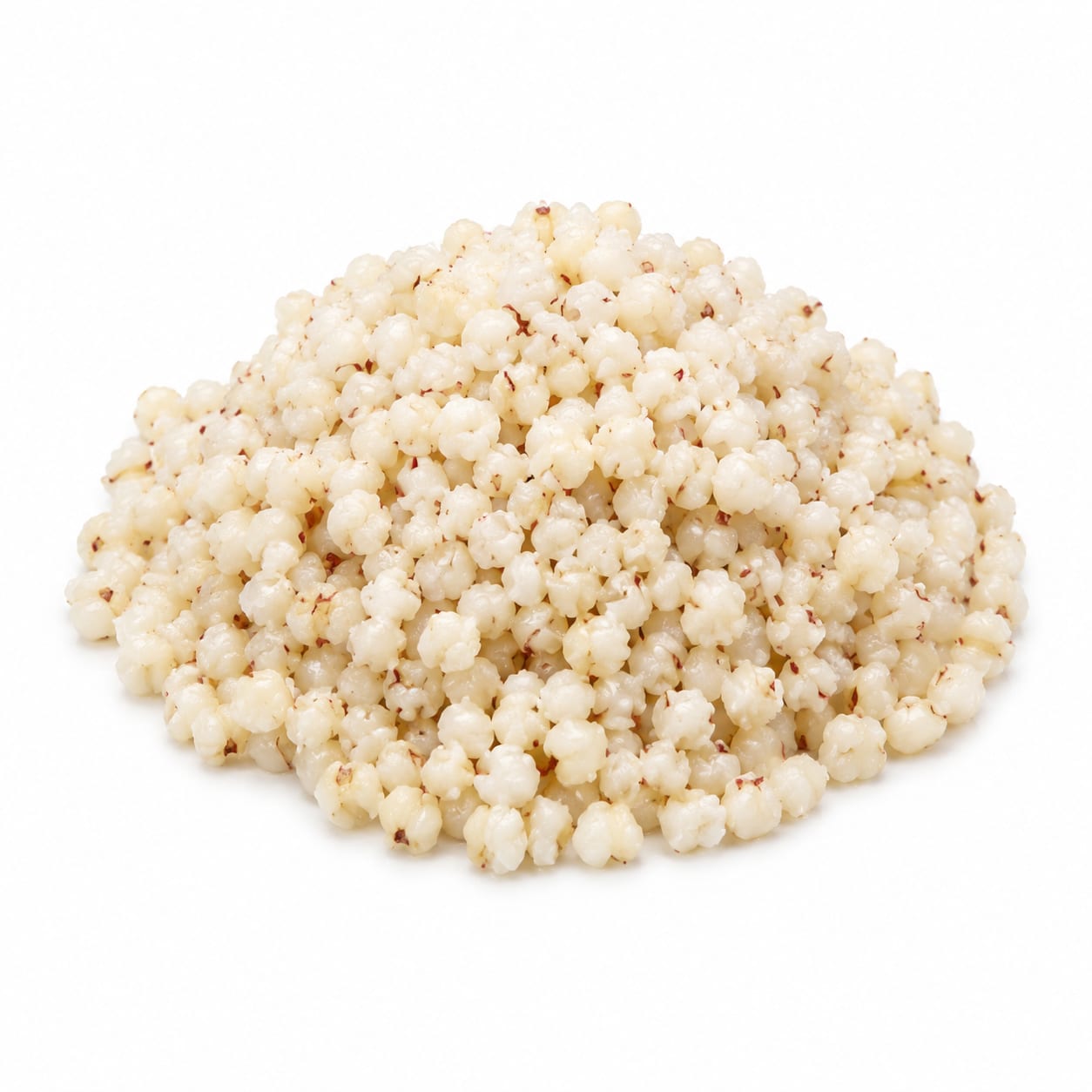
Sorghum
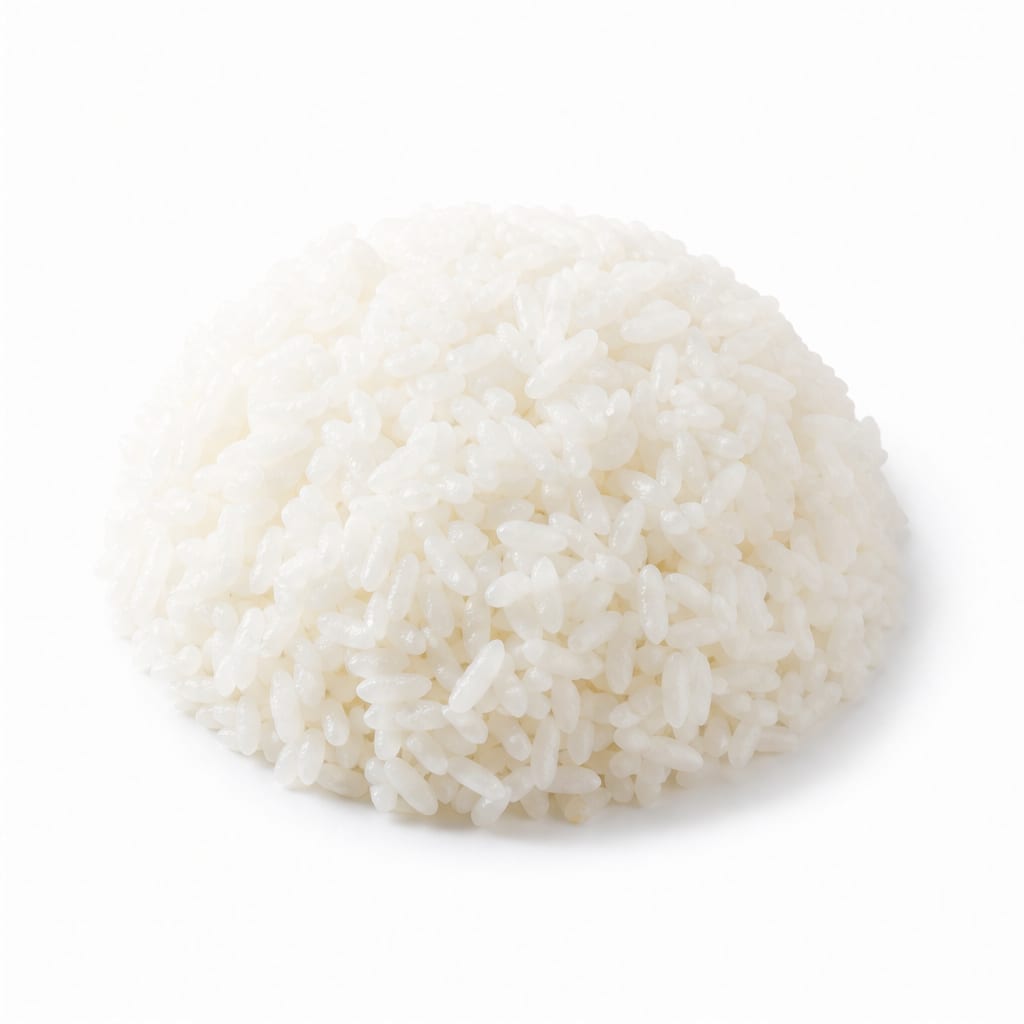
White Rice
Sorghum is the nutritionally superior grain in nearly every measurable way, but white rice wins on convenience and digestibility when your stomach needs a break.
Sorghum scores substantially higher due to its fiber, protein, mineral content, and blood sugar stability. White rice scores lower because refining removes most nutritional value, though it retains practical advantages that matter in specific situations.
You trade quick cooking and mild digestibility for dramatically better blood sugar control, fiber, and long-term health benefits.
At a glance
Executive summary
Overall
Sorghum
Healthier
Sorghum
More practical
White Rice
Daily use
Sorghum
Key comparison lenses
blood sugar management
Sorghum is a low-glycemic whole grain while white rice causes rapid blood sugar spikes, making this the most consequential difference for daily health
nutrient density tradeoff
Sorghum delivers significantly more fiber, protein, and minerals while white rice is largely stripped of nutrients during processing
convenience vs nutrition decision
White rice cooks in 15 minutes and is universally available; sorghum takes longer and requires more planning, creating a real lifestyle tension
weight management and satiety
Sorghum keeps you fuller longer due to fiber and protein, while white rice is easy to overeat because it lacks satiety signals
digestive sensitivity
White rice is gentle on upset stomachs and during illness recovery, while sorghum's fiber can be challenging for sensitive digestion
Best choice for
Sorghum
- People managing diabetes or prediabetes
- Anyone trying to eat more whole grains
- Weight-conscious eaters who want to stay full longer
- Those seeking gluten-free alternatives with real nutritional value
- Active people wanting steadier sustained energy
White Rice
- Recovering from stomach illness or digestive flare-ups
- Athletes needing quick carbohydrate refueling post-workout
- Busy households prioritizing fast meal prep
- Elderly individuals with reduced digestive capacity
- Anyone on a tight budget needing affordable calories
Least suitable for
Sorghum
- People with severe digestive sensitivities who struggle with high-fiber foods
- Those who need quick-cooking staples for time-pressed weeknights
- Anyone unfamiliar with cooking whole grains who might give up trying
White Rice
- People with diabetes or insulin resistance
- Those trying to lose weight or reduce cravings
- Anyone seeking nutrient-dense calories rather than empty carbs
Deep comparison
Dimension by dimension
Each lens scores both foods and breaks down who each option suits.
- Dimension 1 · Priority 95Sorghum
Blood Sugar Stability
Sorghum · 88White Rice · 25Sorghum provides slow, steady energy release. White rice causes rapid spikes followed by crashes that leave you hungry again within hours.
Tradeoff
White rice gives you quick energy when you need it fast, but you pay for it with rebound hunger and energy dips.
Why it matters
Blood sugar roller coasters drive cravings, fatigue, and long-term metabolic damage. Stable blood sugar makes healthy eating feel effortless.
Real-world impact
A sorghum bowl at lunch keeps you focused until dinner. White rice at lunch often has you reaching for a snack by 3pm.
Sorghum
- Diabetics and prediabetics
- Anyone trying to cut afternoon cravings
- People who want steady energy without caffeine
Better for
- Situations requiring immediate energy delivery
Worse for
White Rice
- Post-workout carb replenishment when fast absorption is the goal
- Endurance athletes mid-event who need quick glucose
Better for
- Sedentary meals where the sugar spike has nowhere to go
- Anyone prone to energy crashes after eating
Worse for
- Dimension 2 · Priority 90Sorghum
Nutrient Density
Sorghum · 85White Rice · 20Sorghum retains its bran and germ, delivering iron, magnesium, phosphorus, B vitamins, and antioxidants. White rice has most nutrients milled away.
Tradeoff
White rice is sometimes enriched with synthetic vitamins, but this does not replicate the full nutrient package of a whole grain.
Why it matters
Nutrient-dense foods nourish your body per calorie eaten. Empty calories leave you fed but undernourished, driving overeating.
Real-world impact
Eating sorghum means every bite contributes meaningful nutrition. White rice mostly contributes starch with trace nutrients.
Sorghum
- Anyone eating limited calories who needs maximum nutrition per bite
- Plant-based eaters relying on grains for minerals
- People with higher iron needs
Better for
- Rare cases where mineral restriction is medically required
Worse for
White Rice
- Situations where calories alone matter more than micronutrients
Better for
- Long-term daily consumption as a dietary staple without other nutrient sources
Worse for
- Dimension 3 · Priority 85Sorghum
Satiety and Fullness
Sorghum · 82White Rice · 30Sorghum's fiber and protein signal fullness naturally. White rice digests quickly, making portion control much harder.
Tradeoff
White rice's lightness can feel comfortable when you want a less heavy meal, but that lightness comes at the cost of lasting satisfaction.
Why it matters
Foods that keep you full reduce snacking, overeating, and the mental energy spent fighting hunger.
Real-world impact
A cup of sorghum feels substantial for hours. A cup of white rice disappears quickly, and you want seconds.
Sorghum
- Weight management
- Reducing between-meal snacking
- People who eat large portions and want to feel satisfied with less
Better for
- Right before intense exercise when you want an empty stomach
Worse for
White Rice
- Pre-workout meals where you want light digestion
- Hot days when heavy food feels unappealing
Better for
- Emotional eaters who struggle with portion control
- Late-night meals that should sustain you until morning
Worse for
- Dimension 4 · Priority 80White Rice
Convenience and Cooking
Sorghum · 35White Rice · 90White rice cooks in 15-20 minutes and is available everywhere. Sorghum takes 45-60 minutes and requires more planning or a pressure cooker.
Tradeoff
The time investment for sorghum is real, but batch cooking eliminates most of the inconvenience.
Why it matters
If a healthy food is too inconvenient, people default to less healthy options. Practicality determines what you actually eat on Tuesday night.
Real-world impact
White rice is a weeknight staple because it is effortless. Sorghum requires weekend meal prep or a pressure cooker to compete on convenience.
Sorghum
- Meal preppers who cook grains in bulk on weekends
- Anyone with a pressure cooker or Instant Pot
Better for
- Spontaneous weeknight cooking without prep
- Households without pressure cookers
Worse for
White Rice
- Last-minute dinner after a long workday
- Cooking for picky eaters unfamiliar with chewy grains
- Travel or situations with limited cooking equipment
Better for
- None related to convenience — white rice dominates here
Worse for
- Dimension 5 · Priority 70White Rice
Digestive Tolerance
Sorghum · 50White Rice · 85White rice is one of the most easily digested grains available. Sorghum's fiber can cause bloating or discomfort if your gut is not accustomed to it.
Tradeoff
Easy digestion is helpful during illness but contributes to the blood sugar problem. Fiber challenges the gut initially but strengthens it over time.
Why it matters
During illness, after surgery, or with conditions like IBS, easily digestible food is not a luxury — it is a necessity.
Real-world impact
White rice is a comfort food when your stomach is upset. Sorghum is the last thing you want during a digestive flare-up.
Sorghum
- Healthy guts that benefit from prebiotic fiber
- Long-term microbiome health
Better for
- Acute digestive distress
- Sudden increases in fiber intake without gradual adaptation
Worse for
White Rice
- Stomach flu recovery
- Post-surgical soft diets
- IBS flare-ups
- Transitioning to solid food after illness
Better for
- Chronic constipation from low-fiber diets
- Long-term gut microbiome health
Worse for
- Dimension 6 · Priority 65Sorghum
Antioxidant and Anti-inflammatory Potential
Sorghum · 80White Rice · 10Sorghum contains unique phenolic compounds and tannins with documented antioxidant activity. White rice has virtually none.
Tradeoff
Sorghum's tannins can slightly reduce mineral absorption, but the overall anti-inflammatory benefit far outweighs this concern.
Why it matters
Chronic inflammation underlies most age-related diseases. Antioxidant-rich grains are a low-effort way to fight this daily.
Real-world impact
Choosing sorghum over white rice is a small daily investment in long-term inflammation reduction that compounds over decades.
Sorghum
- Aging adults concerned about chronic disease
- Anyone with inflammatory conditions
- Long-term health optimizers
Better for
- Those who already consume high-antioxidant diets from other sources
Worse for
White Rice
- Situations where antioxidant intake is irrelevant to the immediate need
Better for
- People relying on grains as a primary antioxidant source
Worse for
Timeline
Health impact over time
Short-term
Hours to days
Sorghum
- Steadier energy without the post-meal crash
- Greater fullness that reduces snacking urges
- Possible mild bloating if your body is not used to high-fiber grains
White Rice
- Quick energy that hits fast but fades within a couple of hours
- Light feeling in the stomach that may trigger hunger sooner
- Easy digestion with no gastrointestinal discomfort
Long-term
Months to years
Sorghum
- Better blood sugar regulation and reduced diabetes risk
- Improved gut microbiome diversity from prebiotic fiber
- Lower chronic inflammation due to phenolic compounds
- More sustainable weight management from natural satiety signals
White Rice
- Higher risk of insulin resistance with frequent consumption
- Potential contribution to chronic low-grade inflammation
- Reduced fiber intake affecting gut health over years
- Increased likelihood of overeating due to low satiety
Risk profile
Safety & processing
Sorghum is a whole grain eaten essentially as grown. White rice has its bran and germ removed through milling, stripping away most fiber, vitamins, and minerals. Neither typically contains artificial additives, but white rice is fundamentally a refined product.
Sorghum
Arsenic contamination
lowSorghum accumulates far less arsenic than rice, making it a safer choice for regular consumption, especially for children.
Tannin interference with mineral absorption
lowSorghum contains tannins that can slightly reduce iron and zinc absorption, but this is only relevant if sorghum dominates your diet and you have existing deficiencies.
White Rice
Arsenic contamination
mediumRice is a known arsenic accumulator, particularly rice grown in certain regions. Regular daily consumption increases cumulative arsenic exposure, which is especially concerning for children and pregnant women.
Residual pesticide exposure
lowConventionally grown white rice may carry pesticide residues, though levels are typically within regulatory limits. Rinsing helps reduce surface residues.
Who wins for whom
Audience fit
Same foods, different winners depending on your goal.
children
It dependsSorghum offers better nutrition and lower arsenic risk, but white rice is easier for kids to chew and digest, and its mild flavor is more widely accepted.
daily consumption
SorghumSorghum's nutritional profile supports long-term health as a daily staple. White rice as a daily staple contributes to metabolic issues over time.
diabetes
SorghumSorghum's low glycemic index and high fiber slow glucose absorption. White rice is one of the worst grain choices for blood sugar management.
elderly
It dependsSorghum provides critical nutrients for aging bodies, but white rice is gentler on digestive systems that may be weakened. Context depends on individual health status.
muscle gain
White RiceWhite rice delivers fast-digesting carbs ideal for post-workout glycogen replenishment when quick nutrient delivery matters more than fiber.
weight loss
SorghumSorghum's fiber and protein create natural portion control by keeping you full. White rice's low satiety makes overeating easy.
Your move
Decision guide
Choose Sorghum
- You want steadier energy and fewer cravings throughout the day
- Blood sugar management is a health priority for you
- You are willing to batch cook or use a pressure cooker for meal prep
- You want more nutrition from every calorie you eat
- Arsenic exposure from regular rice consumption concerns you
- You are looking for a gluten-free grain with real substance
Choose White Rice
- You are recovering from illness and need gentle, easily digested food
- You need fast post-workout carb replenishment
- Convenience and speed are non-negotiable on busy weeknights
- You are cooking for people unfamiliar with or resistant to whole grains
- Budget is extremely tight and you need affordable calories
- You have a sensitive digestive system that struggles with high-fiber foods
Either works if
- You rotate grains and eat both as part of a varied diet
- You pair either grain with protein, healthy fats, and vegetables to balance the meal
- You cook in bulk so the time difference becomes irrelevant
Avoid both if
- You are on a strict low-carb or ketogenic diet
- You have a grain allergy or sensitivity to both
- You already consume excessive carbohydrates from other sources
Final recommendation
Make sorghum your default grain for everyday meals. Its advantages in blood sugar control, satiety, and nutrient density are too significant to ignore. Keep white rice as a backup for post-workout meals, illness recovery, or nights when convenience wins. The best approach is rotating both based on what your body needs that day.
Practical
Consumer tips
- 1
Cook sorghum in a pressure cooker or Instant Pot to cut cooking time from 60 minutes down to 20
- 2
Soak sorghum overnight to reduce cooking time and improve digestibility
- 3
Batch cook sorghum on weekends and refrigerate portions for quick weeknight meals
- 4
If transitioning from white rice, start with a 50/50 mix to let your palate and digestion adjust
- 5
Rinse white rice thoroughly before cooking to reduce surface arsenic
- 6
Pair white rice with vinegar (like sushi rice) to slightly lower its glycemic impact
- 7
Look for parboiled white rice if you choose white rice — it retains more nutrients than regular milled rice
- 8
Freeze cooked sorghum in portion bags so it is as convenient as reaching for leftover rice