
Nutrition comparison
Sorghum vs Oats: Which Grain is Healthier?
Compare Sorghum vs Oats for blood sugar, heart health, and gluten-free diets. Discover which ancient grain or breakfast staple is right for you.
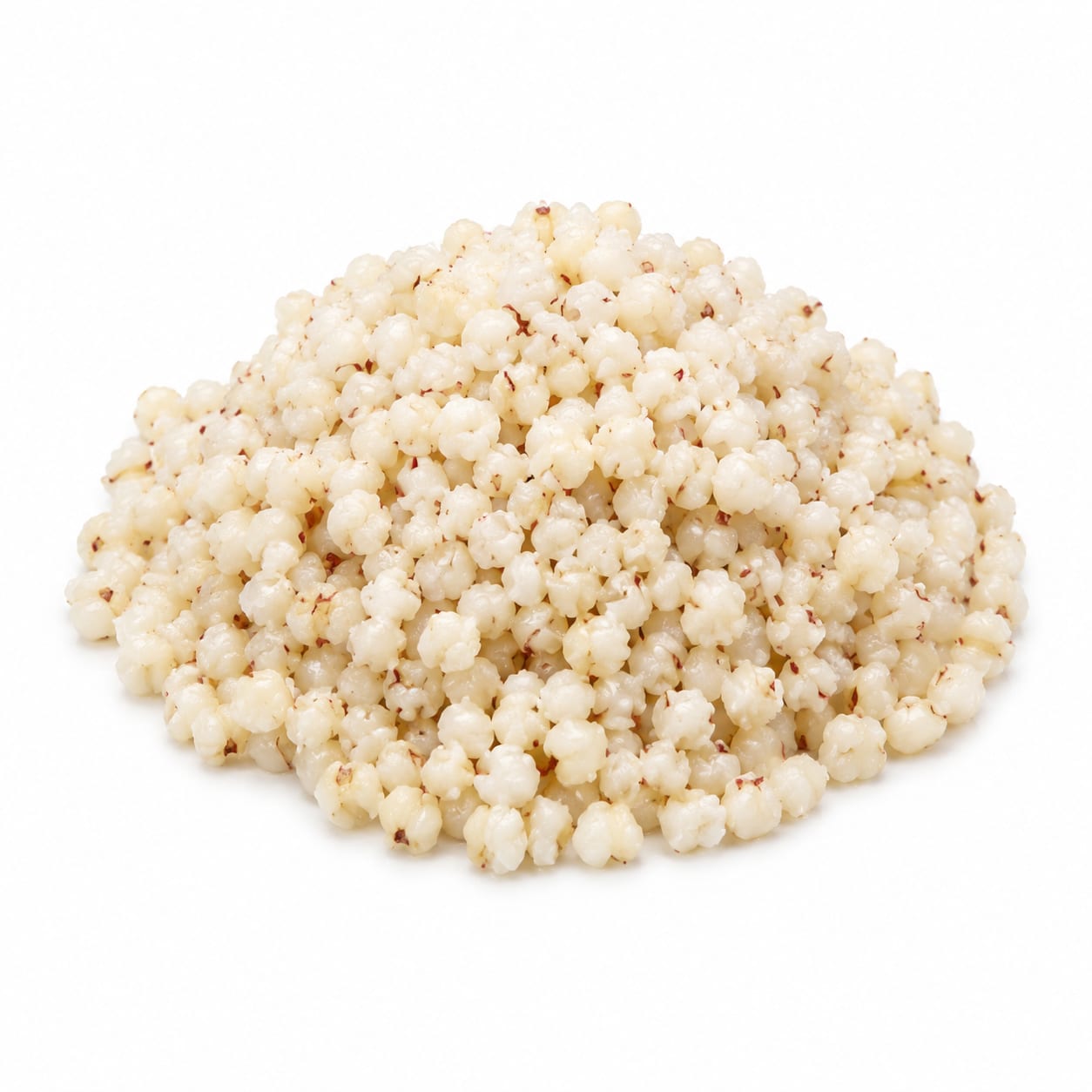
Sorghum
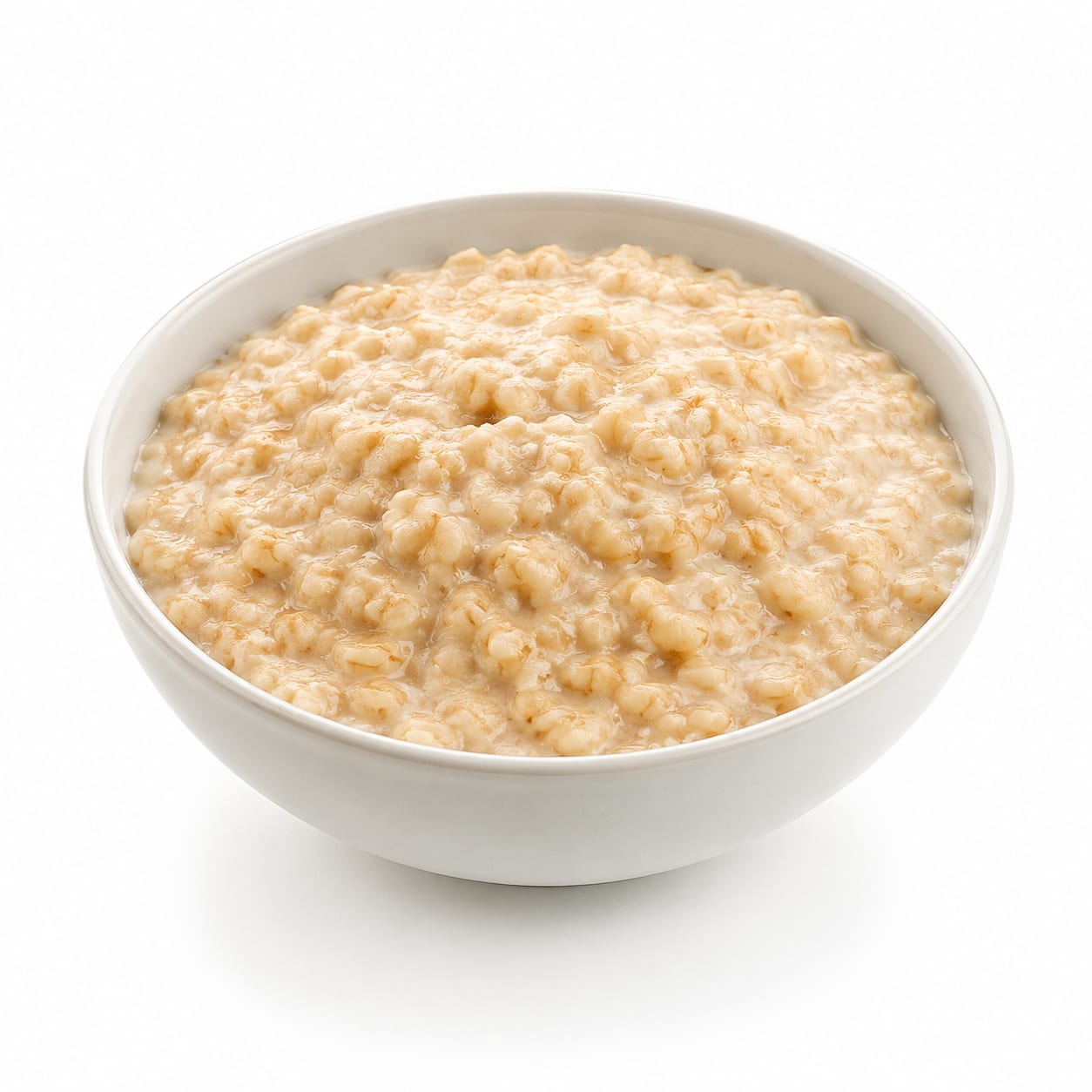
Oats
Oats are the everyday champion for heart health and convenience, while Sorghum is the unsung hero for blood sugar control and gluten-free diets.
Oats score slightly higher due to superior practical convenience and well-documented heart health benefits, but Sorghum remains an excellent choice with specific advantages for blood sugar and gluten avoidance.
Oats give you unmatched cholesterol-lowering fiber and quick cooking, but Sorghum delivers steadier energy and a safer gluten-free profile.
At a glance
Executive summary
Overall
It depends
Healthier
It depends
More practical
Oats
Daily use
Oats
Key comparison lenses
Gluten-free grain alternatives
Sorghum is naturally 100% gluten-free, while oats carry cross-contamination risks and contain avenin, which bothers some with celiac disease.
Blood sugar management
Sorghum has a lower glycemic index and digests slower, making it a key point of comparison for sustained energy.
Heart health and cholesterol
Oats are famous for beta-glucan, a soluble fiber that powerfully lowers cholesterol, a benefit Sorghum cannot match.
Convenience and everyday practicality
Oats cook in minutes, whereas Sorghum requires longer prep times, heavily influencing daily dietary adherence.
Antioxidant density
Sorghum is surprisingly rich in unique antioxidants, offering a distinct health benefit over oats.
Best choice for
Sorghum
- People with celiac disease or gluten sensitivity
- Those managing blood sugar spikes or insulin resistance
- Anyone seeking high-antioxidant ancient grains
Oats
- People focused on lowering cholesterol
- Busy individuals needing quick, comforting meals
- Those wanting a widely available, affordable whole grain
Least suitable for
Sorghum
- People who need quick-cooking breakfasts on busy mornings
- Those unfamiliar with cooking ancient grains
Oats
- Highly sensitive celiacs due to cross-contamination risks
- People strictly limiting carbohydrate intake
Deep comparison
Dimension by dimension
Each lens scores both foods and breaks down who each option suits.
- Dimension 1 · Priority 90Sorghum
Blood Sugar Stability
Sorghum · 88Oats · 72Sorghum digests slower than oats, leading to a more gradual rise in blood sugar.
Tradeoff
You trade the quick energy of oats for longer-lasting, steadier fuel with Sorghum.
Why it matters
Prevents the mid-morning crash that can happen after eating higher-GI breakfasts.
Real-world impact
You stay full and focused until lunch without reaching for a snack.
Sorghum
- Diabetics
- Pre-diabetics
- People prone to energy crashes
Better for
- Those needing rapid carbohydrate replenishment post-workout
Worse for
Oats
- Athletes needing quick pre-workout fuel
Better for
- People trying to avoid blood sugar spikes
Worse for
- Dimension 2 · Priority 88Oats
Heart Health & Cholesterol
Sorghum · 70Oats · 95Oats are packed with beta-glucan, a specific soluble fiber clinically proven to lower LDL cholesterol.
Tradeoff
Sorghum has heart-healthy antioxidants, but lacks the potent cholesterol-lowering fiber of oats.
Why it matters
Daily beta-glucan intake is one of the most effective dietary ways to protect your heart.
Real-world impact
A bowl of oatmeal a day can meaningfully improve your cholesterol panel over time.
Sorghum
- People whose cholesterol is already optimal
Better for
- Those actively trying to lower cholesterol through diet
Worse for
Oats
- People with high LDL cholesterol
- Those with a family history of heart disease
Better for
- People avoiding soluble fiber due to IBS
Worse for
- Dimension 3 · Priority 85Sorghum
Digestive Tolerance & Gluten
Sorghum · 95Oats · 68Sorghum is naturally 100% gluten-free, while oats are frequently cross-contaminated and contain avenin, which bothers some with celiac disease.
Tradeoff
Sorghum offers total peace of mind for the gluten-free community, whereas oats require careful sourcing.
Why it matters
Even trace gluten can trigger severe inflammation in sensitive individuals.
Real-world impact
You can eat Sorghum without worrying about hidden gluten or mysterious digestive upset.
Sorghum
- Celiacs
- People with non-celiac gluten sensitivity
Better for
- None specifically regarding gluten
Worse for
Oats
- People without any gluten sensitivity
Better for
- Highly sensitive celiacs
- Those with oat intolerance
Worse for
- Dimension 4 · Priority 75Sorghum
Antioxidant Density
Sorghum · 90Oats · 70Sorghum, especially the darker varieties, is incredibly rich in unique antioxidants like 3-deoxyanthocyanidins.
Tradeoff
Oats provide avenanthramides, but Sorghum offers a broader, more potent antioxidant profile overall.
Why it matters
Antioxidants fight cellular damage and reduce chronic inflammation.
Real-world impact
Regularly eating Sorghum can help lower systemic inflammation and protect long-term cellular health.
Sorghum
- People fighting chronic inflammation
- Those seeking anti-aging benefits from food
Better for
- Those who only eat refined white grains anyway
Worse for
Oats
- People looking for skin-soothing antioxidants
Better for
- Those wanting the absolute highest antioxidant grain option
Worse for
- Dimension 5 · Priority 80Oats
Convenience & Versatility
Sorghum · 55Oats · 93Oats cook in minutes and are universally available, while Sorghum takes longer to prepare and is harder to find.
Tradeoff
Sorghum requires soaking or longer cooking times, making it less ideal for quick mornings.
Why it matters
The easier a healthy food is to prepare, the more likely you are to eat it consistently.
Real-world impact
Oats can be a 2-minute microwave breakfast; Sorghum requires weekend meal prep.
Sorghum
- Meal preppers
- Slow cooker enthusiasts
Better for
- People with 5 minutes to cook in the morning
Worse for
Oats
- Busy professionals
- Students
- Anyone needing fast breakfasts
Better for
- Those who enjoy longer, mindful cooking sessions
Worse for
Timeline
Health impact over time
Short-term
Hours to days
Sorghum
- Steady, sustained energy without a sugar crash
- Reliable fullness that lasts for hours
Oats
- Quick satiety from soluble fiber
- Rapid energy availability for morning activities
Long-term
Months to years
Sorghum
- Reduced systemic inflammation from high antioxidants
- Safe long-term grain option for celiacs
Oats
- Significantly lower LDL cholesterol from daily beta-glucan
- Improved gut microbiome diversity from soluble fiber
Risk profile
Safety & processing
Both Sorghum and whole oats are minimally processed whole grains when bought in their raw form. However, instant oat packets often contain added sugars and flavorings, so plain rolled or steel-cut oats are the best choice.
Sorghum
Pesticide residue
lowAs a naturally pest-resistant crop, Sorghum typically requires fewer pesticides than many other grains.
Oats
Gluten cross-contamination
mediumCommercial oats are frequently processed in facilities that handle wheat, making them risky for celiacs unless certified gluten-free.
Glyphosate residue
mediumOats are often sprayed with glyphosate as a pre-harvest desiccant, so buying organic is advisable.
Who wins for whom
Audience fit
Same foods, different winners depending on your goal.
children
OatsOats are milder in flavor, quicker to prepare, and have a softer texture that kids generally prefer.
daily consumption
OatsOats are easier to integrate into a daily routine due to quick cooking times and widespread availability.
diabetes
SorghumThe slower carbohydrate absorption of Sorghum prevents sharp blood sugar spikes.
elderly
OatsThe soft texture of cooked oats is easier to chew and digest, and the cholesterol benefits are crucial for older adults.
muscle gain
OatsOats provide faster-digesting carbohydrates that are ideal for fueling workouts and replenishing glycogen stores.
weight loss
SorghumSorghum's slower digestion and lower glycemic index help control hunger and cravings more effectively than oats.
Your move
Decision guide
Choose Sorghum
- You have celiac disease or gluten sensitivity
- You are trying to manage diabetes or insulin resistance
- You want to increase your antioxidant intake
- You are willing to meal-prep your grains for the week
Choose Oats
- You want to lower your cholesterol
- You need a quick, convenient breakfast on busy mornings
- You want a cheap, accessible whole grain
- You need pre-workout carbohydrates
Either works if
- You are looking for healthy whole-grain alternatives to wheat
- You want to increase your daily fiber intake
Avoid both if
- You are on a strict ketogenic or very low-carb diet
- You have a severe grain allergy
Final recommendation
Keep oats as your daily staple for heart health and convenience, but rotate in Sorghum a few times a week for its blood sugar benefits and antioxidant power. If you are strictly gluten-free, Sorghum is your safer and more nutritious bet.
Practical
Consumer tips
- 1
Soak Sorghum overnight to cut down on its long cooking time.
- 2
Always buy certified gluten-free oats if you have a gluten sensitivity.
- 3
Choose steel-cut or rolled oats over instant oatmeal to avoid added sugars.
- 4
Try popping Sorghum like popcorn for a fun, antioxidant-rich snack.
- 5
Opt for organic oats to avoid glyphosate exposure.