
Nutrition comparison
Sorghum vs Quinoa: Which Ancient Grain Is Healthier?
Compare Sorghum vs Quinoa for protein, fiber, blood sugar impact, and cooking time. Find out which gluten-free grain is best for your health goals.
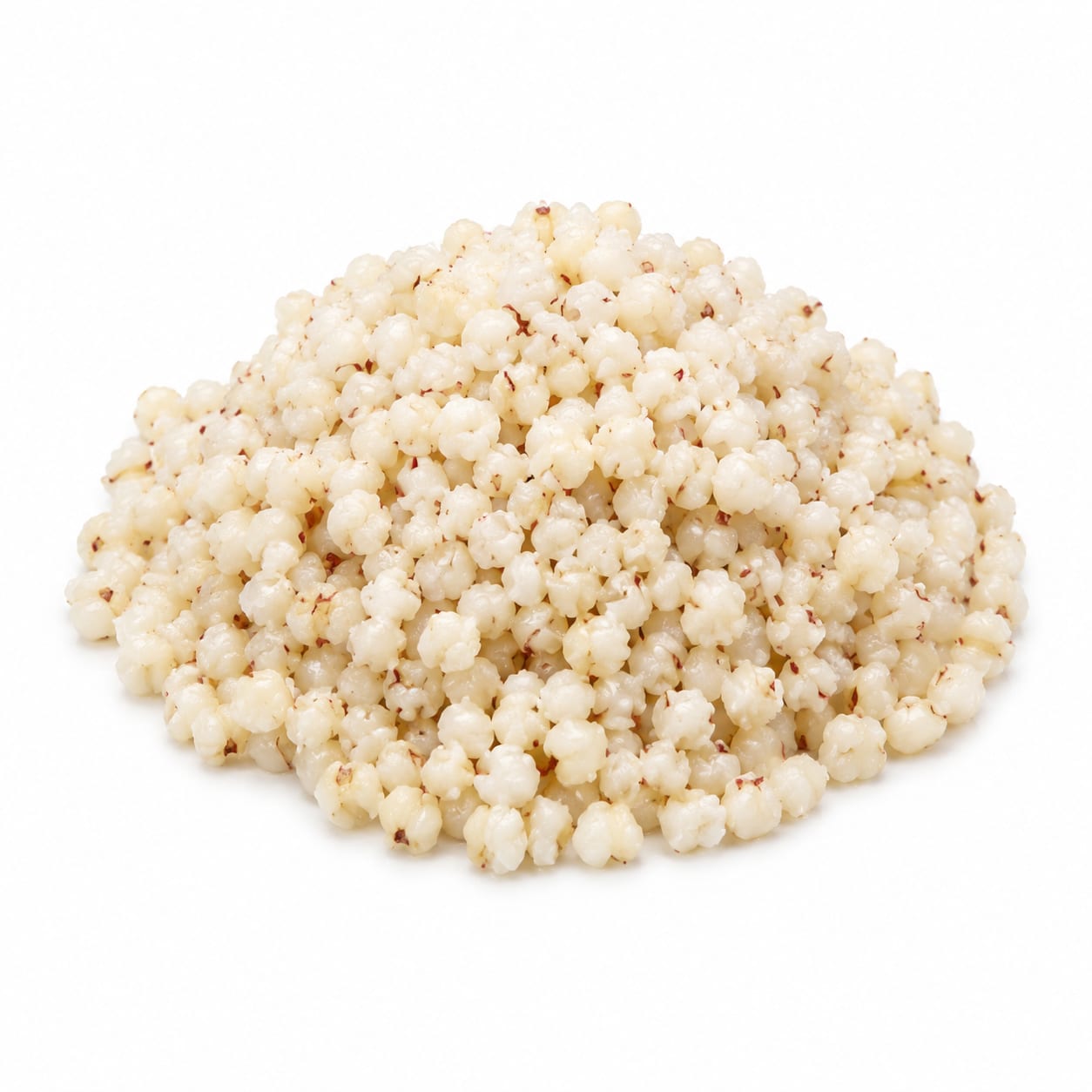
Sorghum
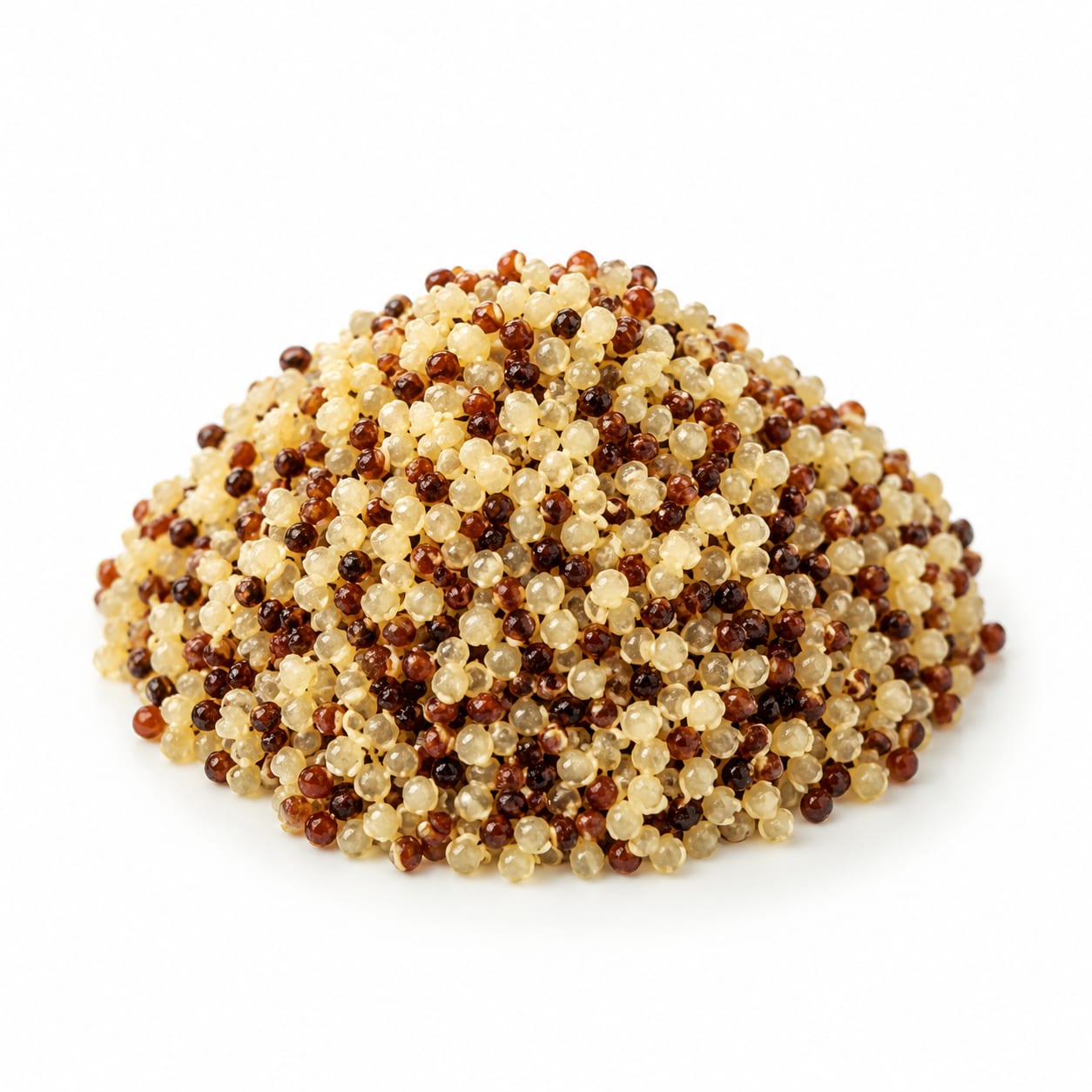
Quinoa
Quinoa wins on protein quality and micronutrients, while Sorghum excels in fiber, blood sugar control, and cost-effectiveness.
Quinoa scores slightly higher due to its complete protein profile and richer micronutrient content, but Sorghum remains a strong contender for blood sugar and gut health.
Complete protein and faster cooking versus steadier energy and higher resistant starch.
At a glance
Executive summary
Overall
It depends
Healthier
It depends
More practical
Quinoa
Daily use
It depends
Key comparison lenses
Gluten-free ancient grain selection
Both are popular gluten-free grains often compared as base carbs for healthy meals.
Protein quality vs fiber content
Quinoa is prized for complete protein, while Sorghum is valued for its high resistant starch and fiber.
Blood sugar management
Sorghum digests slower, making it a key point of comparison for those monitoring glucose.
Practicality and cooking convenience
Quinoa cooks quickly while whole sorghum takes much longer, impacting daily meal choices.
Best choice for
Sorghum
- Blood sugar management
- Budget-conscious meal prep
- High-fiber diets
- Resistant starch benefits
Quinoa
- Complete plant protein needs
- Quick weeknight meals
- Iron and magnesium boosting
- Vegan diets
Least suitable for
Sorghum
- Those needing quick-cooking grains
- People seeking high complete protein from a single source
Quinoa
- People sensitive to saponins
- Very low-carb diets
Deep comparison
Dimension by dimension
Each lens scores both foods and breaks down who each option suits.
- Dimension 1 · Priority 90Quinoa
Protein Quality & Muscle Support
Sorghum · 65Quinoa · 90Quinoa is one of the few plant foods with all nine essential amino acids, making it a superior protein source.
Tradeoff
Sorghum provides decent protein but lacks sufficient lysine, requiring pairing with beans or legumes for a complete profile.
Why it matters
Complete proteins support muscle repair and maintenance without needing food combining.
Real-world impact
A quinoa bowl after a workout gives you balanced amino acids; a sorghum bowl needs added beans to hit the same marks.
Sorghum
- Moderate protein needs with complementary foods
Better for
- Reliance on a single grain for protein
Worse for
Quinoa
- Vegans needing complete protein
- Post-workout recovery meals
- Muscle maintenance
Better for
- Those who find the texture or flavor unappealing
Worse for
- Dimension 2 · Priority 85Sorghum
Blood Sugar Stability & Satiety
Sorghum · 88Quinoa · 75Sorghum digests slowly and is rich in resistant starch, leading to steadier blood sugar levels compared to Quinoa.
Tradeoff
Quinoa has a moderate glycemic index, but Sorghum's high fiber and resistant starch keep you full longer and prevent energy crashes.
Why it matters
Stable blood sugar reduces cravings and sustains energy between meals.
Real-world impact
Eating Sorghum at lunch makes the 3 PM energy slump less likely than eating Quinoa.
Sorghum
- Diabetics
- Long work shifts without breaks
- Sustained energy needs
Better for
- Those needing rapid carbohydrate fueling
Worse for
Quinoa
- Pre-workout quick energy
Better for
- People prone to blood sugar spikes from carbs
Worse for
- Dimension 3 · Priority 80Quinoa
Micronutrient Density
Sorghum · 70Quinoa · 88Quinoa packs more iron, magnesium, folate, and B-vitamins per serving than Sorghum.
Tradeoff
While Sorghum has unique antioxidants, Quinoa delivers a broader and more potent spectrum of everyday essential minerals.
Why it matters
Minerals like iron and magnesium are commonly deficient and crucial for energy and sleep.
Real-world impact
Regularly choosing Quinoa makes a bigger dent in your daily iron and magnesium needs.
Sorghum
- Antioxidant-focused diets
Better for
- Those relying on a single grain for mineral needs
Worse for
Quinoa
- Anemia-prone individuals
- Magnesium supplementation through food
- Pregnancy folate needs
Better for
- People who overcook it, leaching water-soluble vitamins
Worse for
- Dimension 4 · Priority 75Sorghum
Digestive Tolerance & Gut Health
Sorghum · 85Quinoa · 70Sorghum's resistant starch feeds beneficial gut bacteria, whereas Quinoa's natural saponins can irritate sensitive stomachs if not washed.
Tradeoff
Quinoa is lighter and easier to digest quickly, but Sorghum acts as a prebiotic powerhouse if your gut tolerates heavy fiber.
Why it matters
Gut health impacts everything from immunity to mood, and resistant starch is a top-tier prebiotic.
Real-world impact
Sorghum feeds your gut microbiome over time, but unwashed Quinoa can cause bloating or stomach upset today.
Sorghum
- Prebiotic benefits
- Microbiome diversity
- Constipation relief
Better for
- Acute digestive flare-ups from high fiber
Worse for
Quinoa
- Lighter meals
- Sensitive stomachs (if thoroughly washed)
Better for
- Saponin sensitivity causing bloating
Worse for
- Dimension 5 · Priority 70Quinoa
Practicality & Preparation
Sorghum · 55Quinoa · 85Quinoa cooks in 15 minutes, while whole Sorghum takes up to an hour unless you use pearled or cracked varieties.
Tradeoff
Sorghum is cheaper and great for batch cooking, but Quinoa is far more convenient for quick weeknight dinners.
Why it matters
Convenience heavily dictates what people actually cook on busy days.
Real-world impact
You can throw Quinoa into a weeknight meal effortlessly; Sorghum requires weekend meal prep or a pressure cooker.
Sorghum
- Batch cooking
- Budget grocery trips
- Slow cooker recipes
Better for
- Impromptu cooking
- Weeknight time crunches
Worse for
Quinoa
- Quick dinners
- Last-minute meal prep
- Time-constrained cooking
Better for
- Tight grocery budgets
Worse for
Timeline
Health impact over time
Short-term
Hours to days
Sorghum
- Prolonged fullness
- Steady energy without a crash
- Potential heaviness if overeaten
Quinoa
- Quick satisfying meal
- Faster digestion
- Possible bloating if saponins aren't rinsed
Long-term
Months to years
Sorghum
- Improved gut microbiome from resistant starch
- Better blood sugar regulation
- Consistent weight management
Quinoa
- Improved iron status
- Better muscle maintenance
- Stronger bone health from magnesium
Risk profile
Safety & processing
Both Sorghum and Quinoa are whole, minimally processed ancient grains with no artificial additives when bought in their natural form.
Sorghum
Mycotoxin contamination
lowLike all stored grains, Sorghum can develop mold if stored improperly, but commercial supplies are well-regulated.
Quinoa
Saponin irritation
mediumQuinoa's natural coating can cause digestive upset and a bitter taste if not thoroughly rinsed before cooking.
Who wins for whom
Audience fit
Same foods, different winners depending on your goal.
children
QuinoaQuinoa is softer, cooks faster, and provides essential amino acids and iron crucial for growing bodies.
daily consumption
It dependsRotating both provides the best balance—Quinoa for protein and minerals, Sorghum for fiber and blood sugar stability.
diabetes
SorghumSorghum has a lower glycemic index and higher resistant starch, preventing sharp blood sugar spikes.
elderly
QuinoaQuinoa is easier to chew and digest, plus its higher magnesium and iron content supports aging bones and blood health.
muscle gain
QuinoaQuinoa provides a complete protein profile, which is essential for muscle repair and growth.
weight loss
SorghumSorghum's resistant starch and higher fiber keep you fuller for longer, naturally reducing overall calorie intake.
Your move
Decision guide
Choose Sorghum
- You want steadier energy and fewer cravings throughout the day
- You are managing diabetes or insulin resistance
- You do batch cooking on weekends and want a budget-friendly grain
- You want to boost your gut microbiome with resistant starch
Choose Quinoa
- You need a quick-cooking grain for busy weeknights
- You follow a vegan diet and need complete plant protein
- You want to boost your iron or magnesium intake
- You prefer a lighter, fluffier texture in your grain bowls
Either works if
- You need a gluten-free base for salads or bowls
- You want to diversify your whole grain intake
Avoid both if
- You are on a strict ketogenic or very low-carb diet
- You have severe grain sensitivities beyond gluten
Final recommendation
Keep both in your pantry. Use Quinoa for quick, protein-packed meals and Sorghum for batch-cooked, fiber-rich dishes that keep your blood sugar steady.
Practical
Consumer tips
- 1
Rinse Quinoa thoroughly under cold water for 30 seconds to remove bitter saponins and prevent stomach upset.
- 2
Use a pressure cooker or instant pot for whole Sorghum to cut cooking time from 60 minutes down to 20.
- 3
Look for pearled or cracked Sorghum if you want faster cooking times on the stovetop.
- 4
Pop Sorghum like popcorn in a hot dry pan for a fun, high-fiber snack.
- 5
Pair Sorghum with black beans or lentils to create a complete protein profile.