
Nutrition comparison
Sorghum vs Wheat Berries: Which Whole Grain Is Better for You?
Compare sorghum and wheat berries on gluten safety, protein, blood sugar impact, and antioxidants. Find out which grain fits your health goals and diet.
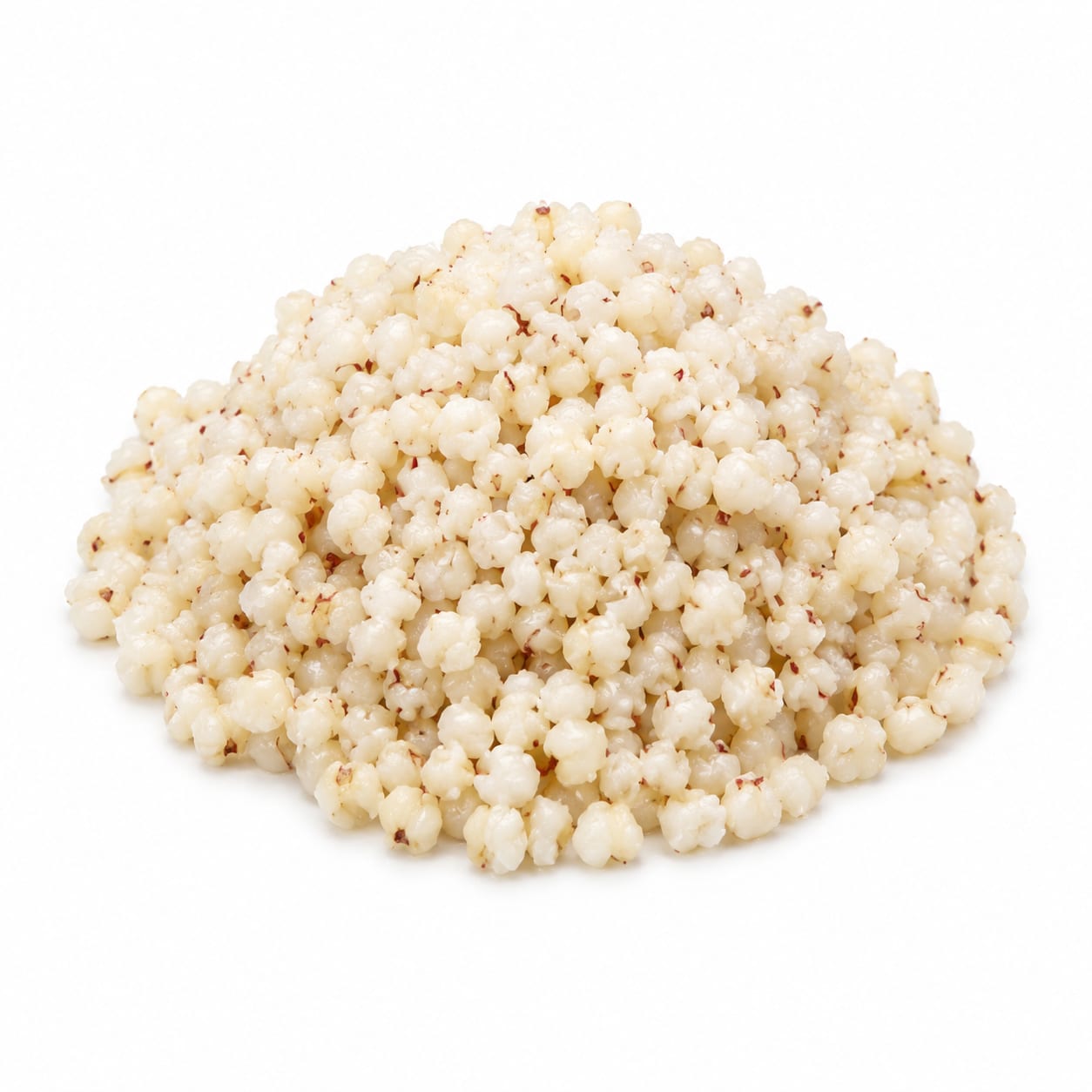
Sorghum
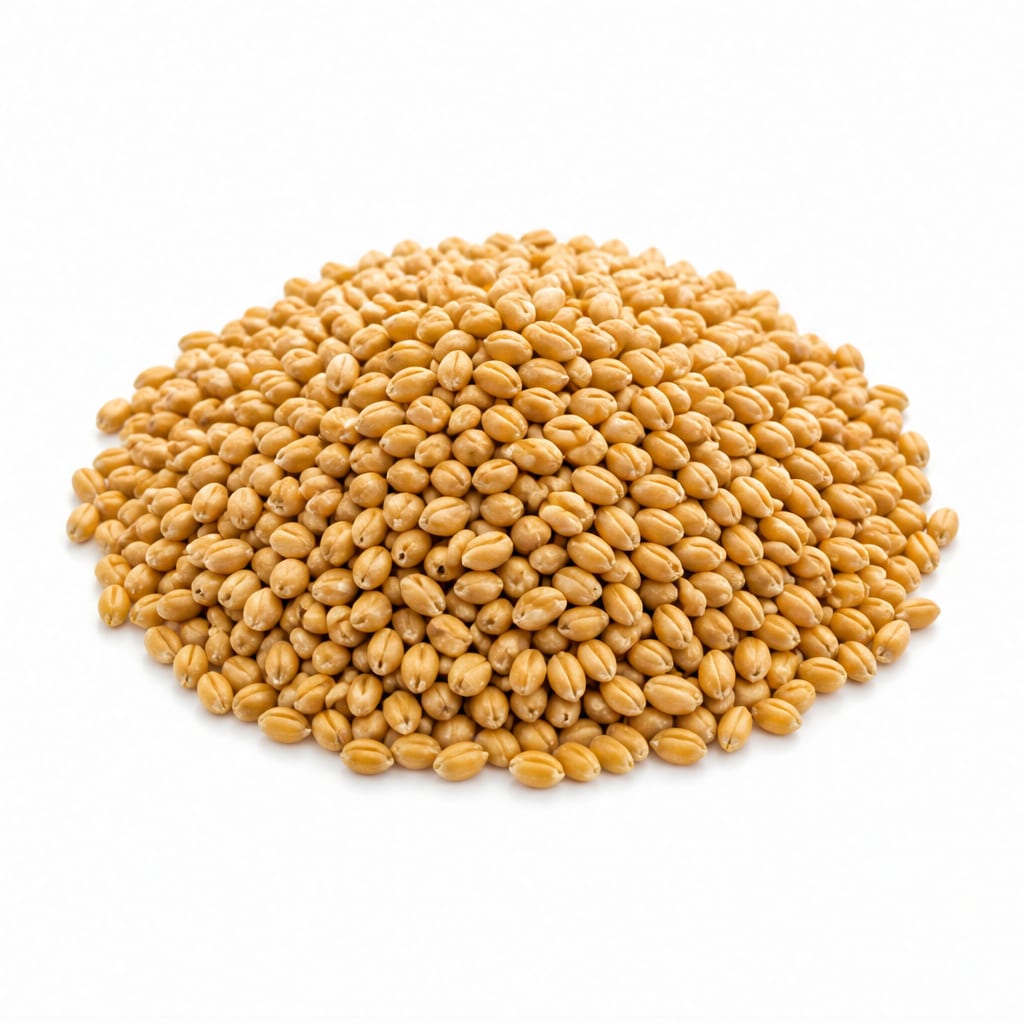
Wheat Berries
Sorghum wins for gluten-sensitive eaters and antioxidant seekers; wheat berries win for higher protein and broader availability.
Nearly identical overall, but sorghum's gluten-free advantage and antioxidant edge give it a slight lead. Wheat berries counter with more protein and easier availability. The real deciding factor is whether you tolerate gluten.
Gluten freedom and unique antioxidants versus more protein and easier sourcing.
At a glance
Executive summary
Overall
It depends
Healthier
It depends
More practical
Wheat Berries
Daily use
It depends
Key comparison lenses
gluten safety and digestive tolerance
Sorghum is naturally gluten-free while wheat berries contain significant gluten, making this the single most decisive factor for many consumers
blood sugar management
Both are whole grains with moderate glycemic impact, but sorghum has a slightly lower glycemic index, relevant for diabetes-conscious users
antioxidant and phytonutrient profile
Sorghum uniquely contains tannins and anthocyanins especially in darker varieties, offering antioxidant benefits wheat berries lack
protein quality and quantity
Wheat berries typically edge out sorghum in protein content, relevant for plant-based eaters tracking intake
cooking practicality and accessibility
Both require long cooking times but wheat berries are more widely available in standard grocery stores
Best choice for
Sorghum
- Celiac or gluten-intolerant individuals
- Anyone seeking diverse antioxidant protection
- People managing blood sugar who want a lower-GI grain
- Those rotating grains to avoid wheat overexposure
Wheat Berries
- Gluten-tolerant people wanting maximum protein from grains
- Meal preppers who value wide grocery availability
- Anyone building hearty grain bowls or salads where chewy texture shines
- Budget-conscious shoppers buying in bulk
Least suitable for
Sorghum
- Anyone needing quick-cooking weeknight grains
- People unfamiliar with cooking ancient grains who may waste it
- Shoppers in areas with limited specialty grain access
Wheat Berries
- Anyone with celiac disease or gluten sensitivity
- People with wheat allergies
- Those actively reducing gluten intake for inflammation concerns
Deep comparison
Dimension by dimension
Each lens scores both foods and breaks down who each option suits.
- Dimension 1 · Priority 95Sorghum
Gluten Safety and Digestive Tolerance
Sorghum · 100Wheat Berries · 25Sorghum is naturally gluten-free and safe for celiacs. Wheat berries contain gluten and are unsuitable for anyone with gluten disorders.
Tradeoff
Choosing sorghum means giving up the slightly higher protein of wheat berries, but gaining complete gluten safety.
Why it matters
For the estimated 7% of people with gluten-related disorders, this alone decides the comparison.
Real-world impact
Sorghum lets you enjoy grain bowls without bloating, brain fog, or intestinal damage if you're gluten-sensitive.
Sorghum
- Celiac disease management
- IBS symptom avoidance
- Gluten-free meal planning
Better for
Wheat Berries
- Celiac safety
- Gluten-free diets
- Digestive comfort for sensitive individuals
Worse for
- Dimension 2 · Priority 82Sorghum
Blood Sugar Stability
Sorghum · 78Wheat Berries · 72Sorghum has a slightly lower glycemic index than wheat berries, leading to steadier blood sugar after meals.
Tradeoff
The difference is modest. Both are far better than refined grains, so this matters most for strict glycemic control.
Why it matters
Even small GI differences add up when you eat grains daily, especially for prediabetes or insulin resistance.
Real-world impact
Sorghum may help you avoid that 2 PM energy dip slightly better than wheat berries after a lunch bowl.
Sorghum
- Prediabetes management
- Steady afternoon energy
- Low-GI meal building
Better for
Wheat Berries
- Post-workout recovery where faster glycogen replenishment helps
Better for
- Tight blood sugar control
- Frequent glucose spiking concerns
Worse for
- Dimension 3 · Priority 78Sorghum
Antioxidant and Phytonutrient Content
Sorghum · 85Wheat Berries · 65Sorghum especially darker varieties contains unique tannins and anthocyanins that wheat berries simply lack.
Tradeoff
Wheat berries offer more lignans and certain phenolic acids, but sorghum's antioxidant diversity is broader.
Why it matters
Diverse antioxidant intake protects cells from oxidative damage and supports long-term disease prevention.
Real-world impact
Choosing black or red sorghum gives you antioxidant protection closer to what you'd get from berries, but in a grain.
Sorghum
- Long-term cellular protection
- Anti-inflammatory diets
- Color-diverse eating patterns
Better for
Wheat Berries
- Lignan-specific benefits like hormonal balance support
Better for
- Maximizing antioxidant variety
- Anti-inflammatory meal planning
Worse for
- Dimension 4 · Priority 75Wheat Berries
Protein Content and Quality
Sorghum · 68Wheat Berries · 78Wheat berries typically contain 2-3 more grams of protein per cooked cup than sorghum.
Tradeoff
Neither is a complete protein, so both need pairing with legumes or other sources for balanced amino acids.
Why it matters
For plant-based eaters, every gram of protein counts toward satiety and muscle maintenance.
Real-world impact
A wheat berry bowl keeps you slightly fuller for slightly longer than a sorghum bowl, all else equal.
Sorghum
- Maximizing protein per serving
- Plant-based muscle gain
Worse for
Wheat Berries
- Plant-based protein optimization
- Higher satiety meals
- Athletic meal planning
Better for
- Dimension 5 · Priority 70Wheat Berries
Mineral Density
Sorghum · 70Wheat Berries · 78Wheat berries provide more iron and zinc per serving. Sorghum offers more phosphorus and comparable magnesium.
Tradeoff
The iron and zinc advantage in wheat berries matters more for vegetarians and women prone to deficiency.
Why it matters
Iron and zinc are the most commonly deficient minerals, and whole grains are a key plant-based source.
Real-world impact
If you rely on grains for iron, wheat berries give you a meaningful edge over sorghum.
Sorghum
- Phosphorus intake for bone health
Better for
- Iron-deficiency risk
- Zinc intake optimization
Worse for
Wheat Berries
- Iron-deficiency prevention
- Zinc support for immunity
- Vegetarian mineral optimization
Better for
- Dimension 6 · Priority 70Wheat Berries
Cooking Convenience and Accessibility
Sorghum · 55Wheat Berries · 68Both require long cooking, but wheat berries are easier to find and have more established cooking instructions available.
Tradeoff
Sorghum can be popped like popcorn for quick use, but most preparations still require 45-60 minutes of simmering.
Why it matters
Grains you can't find or cook confidently tend to sit in your pantry unused.
Real-world impact
Wheat berries appear in most bulk sections. Sorghum often requires a specialty store or online order.
Sorghum
- Quick snacking when popped
- Novel recipe exploration
Better for
- Spontaneous weeknight cooking
- Beginner grain cooks
Worse for
Wheat Berries
- Reliable grocery availability
- Established cooking resources
- Familiar ingredient for meal prep
Better for
Timeline
Health impact over time
Short-term
Hours to days
Sorghum
- Steady energy without gluten-related bloating if you're sensitive
- Mild blood sugar stabilization compared to refined grains
- Good satiety from fiber, though slightly less filling than wheat berries
Wheat Berries
- More immediate fullness from higher protein content
- Possible bloating or digestive discomfort if gluten-sensitive
- Sustained energy from complex carbohydrates
Long-term
Months to years
Sorghum
- Unique antioxidant protection from tannins and anthocyanins may reduce chronic disease risk
- Gluten-free safety prevents cumulative intestinal damage for celiacs
- Diverse grain rotation supports a healthier gut microbiome
Wheat Berries
- Higher iron and zinc intake supports long-term deficiency prevention
- Consistent whole grain consumption reduces cardiovascular risk
- Gluten exposure may trigger progressive inflammation in susceptible individuals
Risk profile
Safety & processing
Both sorghum and wheat berries are whole, intact grains with minimal processing. Neither typically contains additives. The main concern is pesticide residue on conventionally grown wheat, which tends to receive more chemical treatment than sorghum.
Sorghum
Pesticide residue
lowSorghum is typically grown with fewer pesticides than wheat, but organic is still preferable.
Mycotoxin contamination
lowPossible with poor storage, but no more risky than other whole grains.
Wheat Berries
Gluten-mediated autoimmune damage
highFor celiacs, even trace gluten causes intestinal damage. Not relevant for gluten-tolerant people.
Pesticide residue
mediumConventionally grown wheat is heavily treated. Choosing organic wheat berries significantly reduces exposure.
Wheat allergy reaction
mediumTrue wheat allergy is separate from celiac and can cause hives, swelling, or anaphylaxis.
Who wins for whom
Audience fit
Same foods, different winners depending on your goal.
children
Wheat BerriesWheat berries offer more iron and zinc for growing bodies, assuming the child tolerates gluten well.
daily consumption
It dependsGluten-tolerant people benefit from wheat berries' protein and minerals. Gluten-sensitive people should choose sorghum without hesitation.
diabetes
SorghumSorghum's lower glycemic index provides steadier blood sugar, which matters most when managing diabetes daily.
elderly
SorghumGluten sensitivity increases with age, and sorghum's easier digestion and antioxidant content support healthy aging.
muscle gain
Wheat BerriesMore protein per serving supports muscle repair, though both should be paired with complete protein sources.
weight loss
Wheat BerriesWheat berries' higher protein content provides slightly more satiety per calorie, helping with portion control.
Your move
Decision guide
Choose Sorghum
- You have celiac disease, gluten sensitivity, or wheat allergy
- You want to diversify your grain intake beyond wheat
- You're focused on antioxidant-rich eating patterns
- You're managing blood sugar and want the lowest-GI option
- You enjoy experimenting with popping sorghum for snacks
Choose Wheat Berries
- You tolerate gluten well and want maximum protein from grains
- You need reliable grocery availability without specialty shopping
- You're focused on iron and zinc intake from plant sources
- You want a chewy, satisfying grain for meal prep bowls
- You're buying in bulk on a budget
Either works if
- You're simply trying to eat more whole grains instead of refined ones
- You enjoy rotating different grains throughout the week
- You're building grain bowls with diverse toppings and proteins
- You want a hearty side dish for roasted vegetables
Avoid both if
- You're on a strict low-carb or ketogenic diet
- You need quick-cooking grains for weeknight dinners and don't want to meal prep
- You have severe grain allergies beyond gluten
Final recommendation
Let gluten tolerance decide. If you're gluten-sensitive, sorghum is the clear choice and an excellent grain in its own right. If you tolerate wheat, wheat berries offer slightly more protein and minerals. Both are outstanding whole grains far superior to anything refined. The best choice is whichever you'll actually cook and eat regularly.
Practical
Consumer tips
- 1
Soak both grains overnight to cut cooking time roughly in half and improve digestibility
- 2
Try popping sorghum in a hot dry pan for a popcorn-like snack that takes only 3 minutes
- 3
Buy organic wheat berries to significantly reduce pesticide exposure
- 4
Use a pressure cooker or Instant Pot for either grain to skip the long stovetop simmer
- 5
Pair either grain with legumes like chickpeas or black beans to create a complete protein profile
- 6
Store both in airtight containers in a cool dark place; they keep for months without going rancid
- 7
Start with wheat berries if you're new to whole grains since recipes and guidance are more abundant
- 8
Choose dark red or black sorghum varieties when available for maximum antioxidant benefit