
Nutrition comparison
Sorghum vs Corn: Which Grain is Better for Blood Sugar and Nutrition?
Compare Sorghum vs Corn to discover which grain offers better blood sugar control, higher antioxidants, and safer GMO profiles. Find out which is best for your diet.
Overall winner · Sorghum
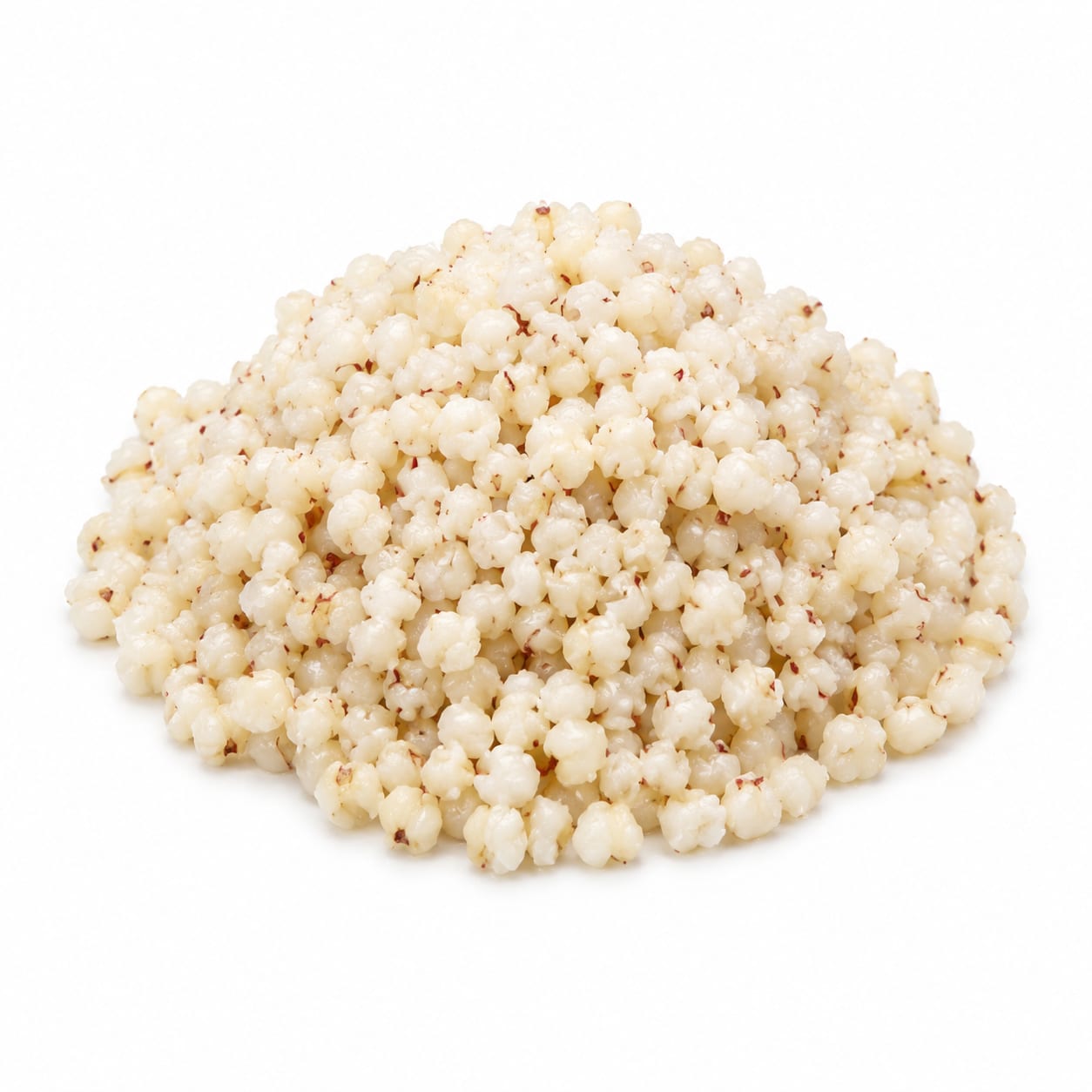
Sorghum
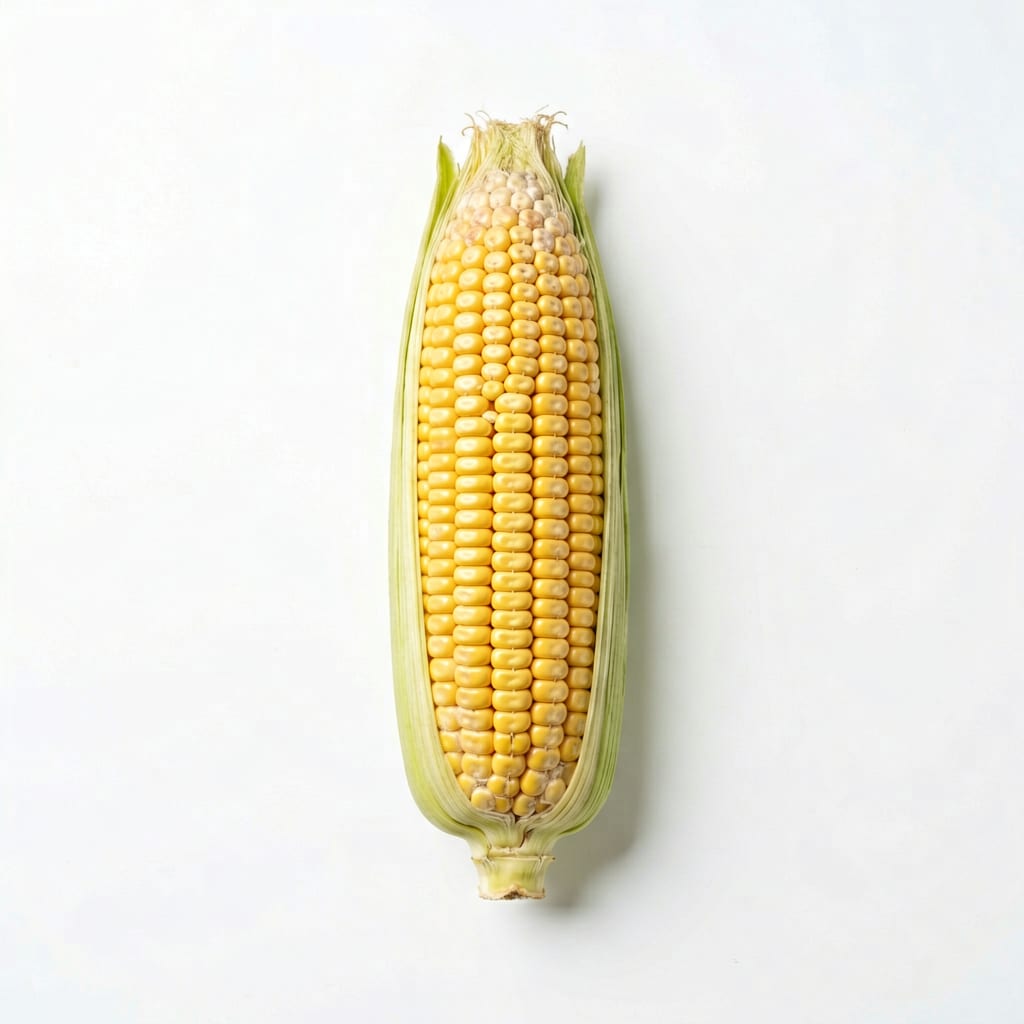
Corn
Sorghum edges out corn for its steadier energy, superior antioxidants, and lower glycemic impact, though corn remains the more practical and versatile everyday staple.
Sorghum scores higher due to its superior micronutrient profile, higher protein, and lower glycemic index. Corn remains competitive because of its accessibility, affordability, and culinary convenience, but falls behind on metabolic and processing concerns.
You trade the widespread availability and easy cooking of corn for the deeper nutritional profile and blood sugar stability of sorghum.
At a glance
Executive summary
Overall
Sorghum
Healthier
Sorghum
More practical
Corn
Daily use
It depends
Key comparison lenses
Blood sugar management
Sorghum has a significantly lower glycemic index than corn, making it a critical differentiator for metabolic health.
Gluten-free grain alternatives
Both are naturally gluten-free, but users often compare them when seeking safe carbohydrate bases.
Antioxidant and nutrient density
Sorghum is uniquely high in tannins and phenolic compounds, while corn offers carotenoids like lutein.
GMO and pesticide exposure
Corn is predominantly genetically modified in many regions, whereas sorghum is almost entirely non-GMO.
Best choice for
Sorghum
- People managing diabetes or insulin resistance
- Those seeking high-antioxidant gluten-free grains
- Individuals avoiding GMOs
- Anyone needing long-lasting satiety
Corn
- Active individuals needing quick accessible carbs
- Families wanting an affordable, kid-friendly staple
- People with limited time for cooking whole grains
- Those needing a versatile flour for baking
Least suitable for
Sorghum
- People who need quick-cooking weeknight grains
- Those on a very tight grocery budget
- Anyone unfamiliar with cooking ancient grains
Corn
- People with severe blood sugar fluctuations
- Those strictly avoiding GMO crops
- Individuals looking to maximize protein per calorie
Deep comparison
Dimension by dimension
Each lens scores both foods and breaks down who each option suits.
- Dimension 1 · Priority 95Sorghum
Blood Sugar Stability
Sorghum · 88Corn · 55Sorghum digests slowly, providing a gentle rise in blood sugar. Corn, especially sweet corn or refined corn products, causes sharper spikes.
Tradeoff
Sorghum requires longer cooking to achieve that slow-digesting benefit, while corn offers quicker energy but less metabolic stability.
Why it matters
Steadier blood sugar means fewer afternoon energy crashes and reduced cravings.
Real-world impact
Eating sorghum instead of corn with lunch makes you less likely to crave a snack at 3 PM.
Sorghum
- Diabetics
- Pre-diabetics
- Low-carb dieters cycling carbs
Better for
- Someone needing immediate post-workout glycogen replenishment
Worse for
Corn
- Endurance athletes needing fast fuel
- Underweight individuals needing easy calories
Better for
- Sedentary individuals prone to sugar crashes
Worse for
- Dimension 2 · Priority 85Sorghum
Antioxidant Power
Sorghum · 92Corn · 65Sorghum is packed with rare tannins and phenolic compounds that act as potent antioxidants. Corn offers lutein and zeaxanthin, which are great for eyes, but fewer total antioxidants.
Tradeoff
Sorghum provides broader cellular protection, while corn specifically targets eye health.
Why it matters
Higher antioxidant intake helps reduce silent inflammation and supports long-term cellular health.
Real-world impact
Choosing sorghum gives your body more tools to fight off daily oxidative stress from pollution and stress.
Sorghum
- People with chronic inflammation
- Those seeking anti-aging dietary support
Better for
- Those who specifically need ocular nutrition support
Worse for
Corn
- Older adults prioritizing macular degeneration prevention
- People lacking colorful vegetables in their diet
Better for
- People needing robust systemic antioxidant defense
Worse for
- Dimension 3 · Priority 80Corn
Everyday Practicality
Sorghum · 50Corn · 90Corn is cheap, ubiquitous, quick to cook, and easy to find in any form. Sorghum is harder to source, pricier, and takes over an hour to cook.
Tradeoff
Corn fits seamlessly into a busy lifestyle, while sorghum requires meal prep planning.
Why it matters
The healthiest grain only matters if you actually have the time and budget to eat it.
Real-world impact
You can throw frozen corn into a salad in two minutes; sorghum requires soaking and simmering like dried beans.
Sorghum
- Meal preppers who cook grains in bulk on Sundays
Better for
- Anyone needing a 15-minute weeknight dinner
Worse for
Corn
- Busy parents
- Students with limited cooking facilities
- Budget-conscious shoppers
Better for
- Those willing to invest time for higher nutritional returns
Worse for
- Dimension 4 · Priority 75Sorghum
Satiety and Fullness
Sorghum · 85Corn · 65Sorghum has more protein and fiber per serving, keeping you full longer. Corn is lighter and less satiating.
Tradeoff
Sorghum feels heavier and more filling, which is great for weight management but less ideal when you want a light meal.
Why it matters
Staying full between meals prevents overeating and helps maintain a healthy weight effortlessly.
Real-world impact
A sorghum bowl at noon will easily keep you satisfied until dinner, whereas a corn-based meal might leave you hunting for snacks by 4 PM.
Sorghum
- People trying to lose weight
- Those with long gaps between meals
Better for
- Anyone wanting a light pre-workout snack
Worse for
Corn
- Those with small appetites
- People eating multiple small meals a day
Better for
- Emotional eaters who need high-volume satiety
Worse for
Timeline
Health impact over time
Short-term
Hours to days
Sorghum
- Provides sustained, jitter-free energy for hours
- Feels heavy and filling, reducing snacking urges
Corn
- Offers quick, accessible energy for active days
- Can cause a blood sugar dip an hour or two after eating
Long-term
Months to years
Sorghum
- Supports better insulin sensitivity over time
- High tannins may help protect against chronic cellular damage
Corn
- Regular consumption of non-organic corn may increase pesticide exposure
- Lutein supports long-term vision health
Risk profile
Safety & processing
Both whole grains are naturally minimally processed, but corn is heavily associated with ultra-processed byproducts like high-fructose corn syrup and refined cornmeal. Sorghum is almost entirely consumed in its whole or lightly milled form, making it easier to avoid accidental ultra-processing.
Sorghum
Mycotoxin contamination
lowLike all grains, sorghum can harbor mold if stored improperly, but it is generally less susceptible than corn.
Corn
GMO exposure
mediumThe vast majority of conventional field corn is genetically modified, which concerns some consumers despite regulatory safety approvals.
Pesticide residue
mediumConventional corn is often treated with harsh pesticides; choosing organic mitigates this risk.
Who wins for whom
Audience fit
Same foods, different winners depending on your goal.
children
CornCorn is sweeter, milder in flavor, and much easier for kids to eat and enjoy, making mealtime less of a struggle.
daily consumption
It dependsSorghum is nutritionally superior for daily use, but corn's convenience makes it more realistic for the average household.
diabetes
SorghumSorghum's slow digestion and low glycemic index prevent the dangerous blood sugar spikes associated with corn.
elderly
It dependsSorghum is better for blood sugar and inflammation, but corn is easier to chew and offers crucial eye-health nutrients.
muscle gain
CornCorn provides faster-digesting carbohydrates that are highly effective for replenishing glycogen after heavy lifting.
weight loss
SorghumSorghum's higher fiber and protein combination keeps hunger at bay longer, making it easier to stick to a calorie deficit.
Your move
Decision guide
Choose Sorghum
- You are managing diabetes, insulin resistance, or metabolic syndrome
- You want a nutrient-dense, high-antioxidance grain to replace rice or quinoa
- You strictly avoid GMOs and prefer a naturally pest-resistant crop
- You struggle with afternoon cravings and need meals that keep you full
Choose Corn
- You need affordable, accessible calories for a large family
- You are an athlete requiring quick carbohydrate energy
- You want an easy-to-cook grain for busy weeknights
- You are focusing on increasing dietary lutein for eye health
Either works if
- You need a gluten-free carbohydrate base for bowls or salads
- You are rotating grains to diversify your microbiome
- You want a whole-grain alternative to wheat or white rice
Avoid both if
- You are strictly following a ketogenic or very low-carb diet
- You have severe grain intolerances that extend beyond gluten
Final recommendation
If your priority is metabolic health and deep nutrition, Sorghum is the clear winner. If your priority is convenience, budget, and quick energy, Corn is the better fit. For the best of both worlds, keep Sorghum for meal-prep days and Corn for quick, active-day meals.
Practical
Consumer tips
- 1
Soak sorghum overnight to cut down its lengthy cooking time and improve digestibility.
- 2
Always choose organic corn to avoid GMOs and pesticide residues.
- 3
Pop sorghum like popcorn for a fun, antioxidant-rich snack that is smaller and easier to eat.
- 4
Use sorghum flour for denser, nutrient-packed gluten-free baking; use cornmeal for lighter textures.
- 5
If buying canned corn, check for added sodium and rinse thoroughly before eating.