
Nutrition comparison
Sorghum vs Amaranth: Which Ancient Grain Is Better for You?
Compare Sorghum and Amaranth nutrition, protein, blood sugar impact, and mineral content. Find out which ancient grain fits your health goals best.
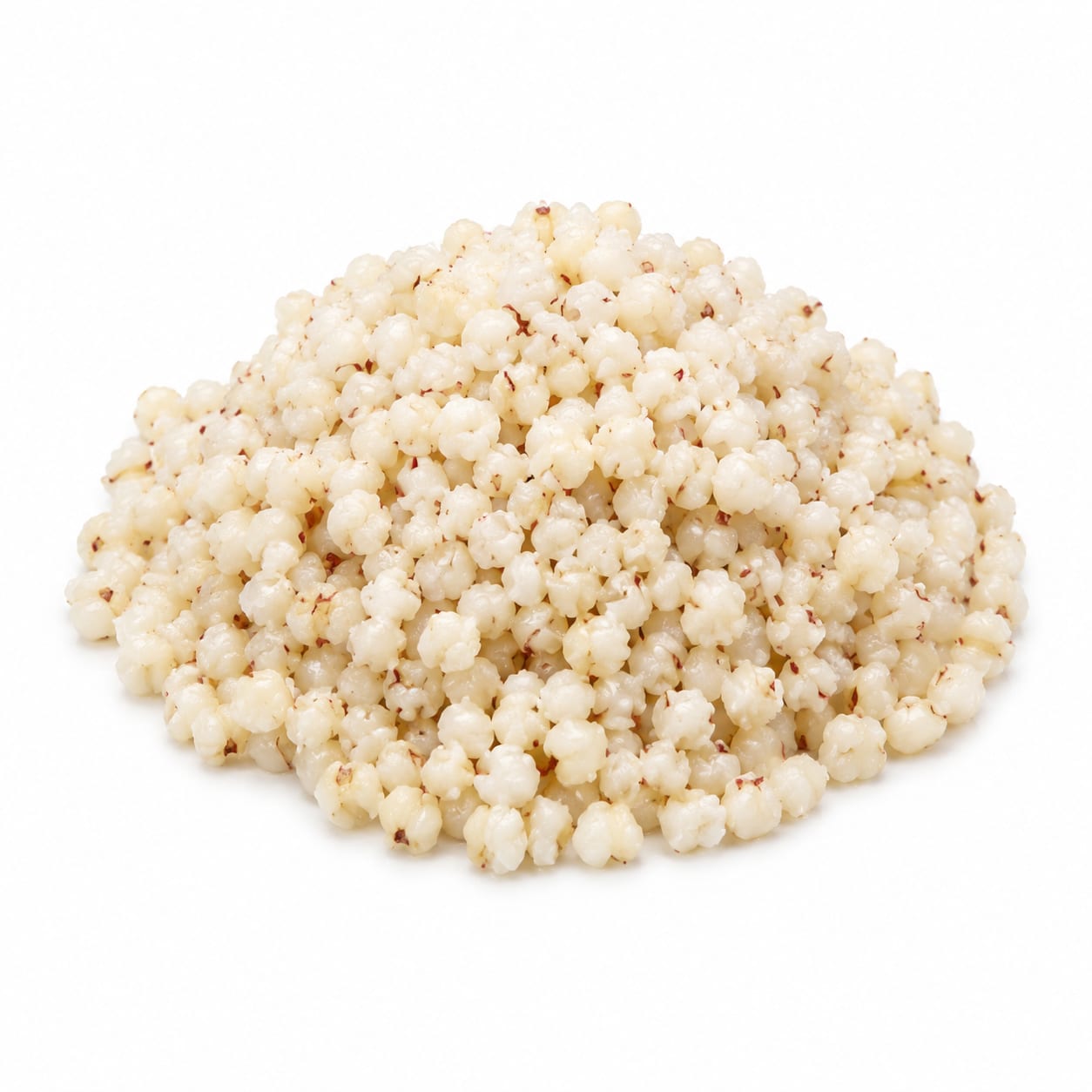
Sorghum
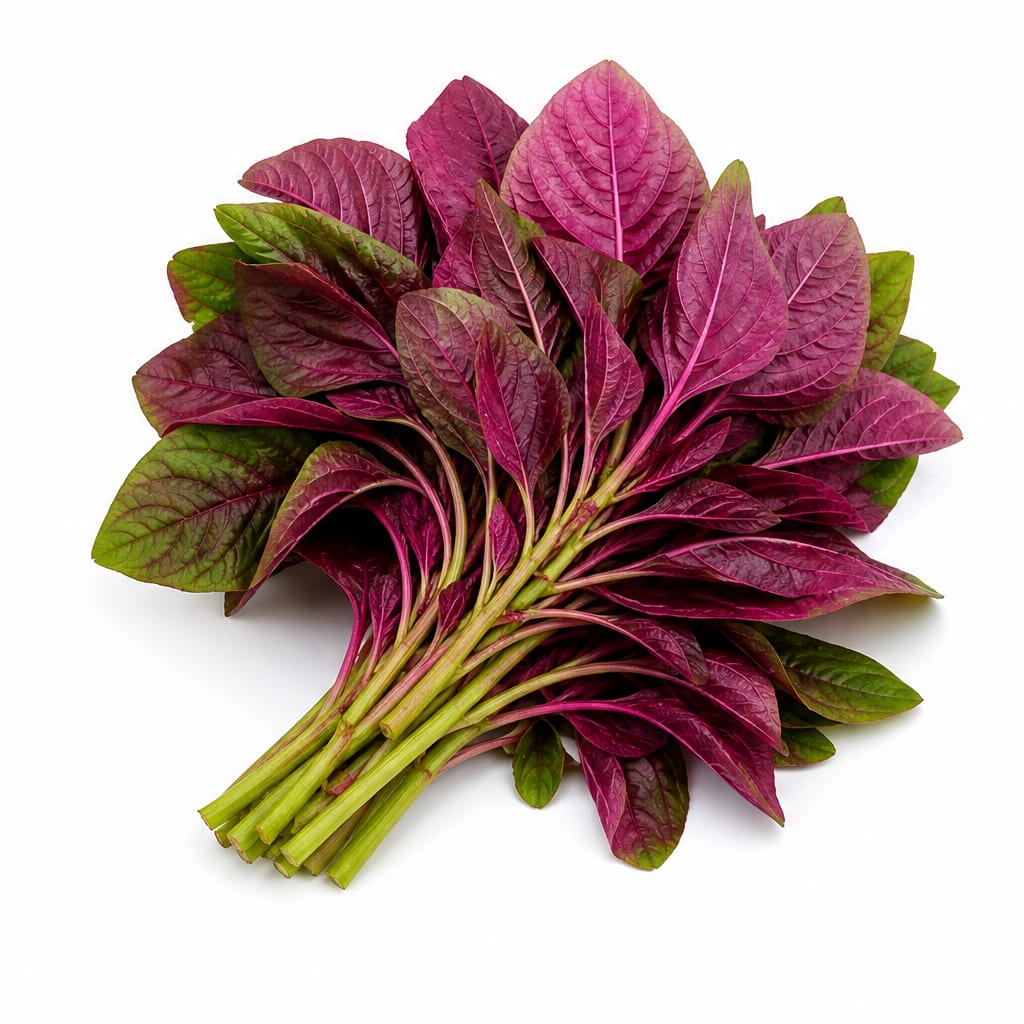
Amaranth
Amaranth wins on protein and minerals; Sorghum wins on blood sugar control and calorie efficiency. Pick based on your priority.
Amaranth edges ahead on nutritional density and protein completeness, but Sorghum stays competitive through superior blood sugar management and lower calorie density. The gap is small because both are strong choices.
Complete protein and iron richness versus steadier blood sugar and lighter calorie load.
At a glance
Executive summary
Overall
It depends
Healthier
It depends
More practical
Sorghum
Daily use
Sorghum
Key comparison lenses
ancient grain nutritional superiority
Both are ancient gluten-free grains often chosen as nutritional upgrades over rice or wheat
protein quality for plant based diets
Amaranth is a rare complete plant protein, making this a critical differentiator
blood sugar management
Sorghum has a notably lower glycemic index, relevant for diabetes and energy stability
mineral density and deficiency prevention
Amaranth delivers significantly more iron and calcium, crucial for vegans and women
digestive tolerance and antinutrients
Both contain compounds that can impair nutrient absorption, but in different ways
Best choice for
Sorghum
- People managing diabetes or insulin resistance
- Those seeking steady energy without crashes
- Calorie-conscious eaters wanting volume
- Anyone wanting a mild-flavored grain substitute for rice
- Individuals with sensitive digestion who find amaranth too rich
Amaranth
- Vegans and vegetarians needing complete protein
- Women concerned about iron and calcium intake
- Athletes requiring higher protein from plant sources
- Recovering from illness and needing nutrient density
- Growing children who need mineral-rich foods
Least suitable for
Sorghum
- Those needing maximum protein from grains alone
- People with severe iron deficiency relying on food sources
- Vegans who need lysine-rich foods
- Anyone bored by mild flavors wanting bolder taste
Amaranth
- People strictly monitoring calorie intake
- Those with oxalate sensitivity or kidney stone history
- Diabetics needing the lowest glycemic option
- Anyone who finds the earthy flavor off-putting
Deep comparison
Dimension by dimension
Each lens scores both foods and breaks down who each option suits.
- Dimension 1 · Priority 95Amaranth
Protein Quality and Quantity
Sorghum · 55Amaranth · 90Amaranth delivers roughly 30% more protein and contains all nine essential amino acids, making it a complete protein. Sorghum is adequate but lacks sufficient lysine.
Tradeoff
You gain complete protein with Amaranth but take on more calories per serving to get it.
Why it matters
For plant-based eaters, getting complete protein from a single grain is rare and valuable. Sorghum requires pairing with legumes to fill its lysine gap.
Real-world impact
A bowl of Amaranth at lunch keeps you fuller longer without needing added protein sources. Sorghum may leave you reaching for a snack sooner.
Sorghum
- Lighter meals where protein isn't the priority
Better for
- Meals relied upon as the primary protein source
Worse for
Amaranth
- Post-workout recovery meals
- Vegan lunch bowls needing protein completeness
- Breakfast porridge that sustains you until noon
Better for
- Low-calorie meal plans where every calorie must be justified
Worse for
- Dimension 2 · Priority 88Sorghum
Blood Sugar Stability
Sorghum · 82Amaranth · 62Sorghum digests slowly and has a lower glycemic index, producing gentler blood sugar curves. Amaranth raises blood sugar more noticeably.
Tradeoff
Sorghum gives you steadier energy but less protein per bite. Amaranth gives you more nutrients but with a faster glucose response.
Why it matters
If you experience afternoon energy crashes, irritability between meals, or have prediabetes, this difference is daily-life significant.
Real-world impact
Sorghum at breakfast means no 10:30 AM slump. Amaranth may require pairing with healthy fats or fiber to slow the glucose rise.
Sorghum
- Morning meals before long work stretches
- Pre-diabetic or insulin-resistant individuals
- Anyone tired of energy rollercoasters
Better for
- Situations where quick energy replenishment is needed
Worse for
Amaranth
- Post-exercise meals where faster glycogen replenishment helps
Better for
- Sedentary evenings when blood sugar spikes are least useful
Worse for
- Dimension 3 · Priority 85Amaranth
Mineral Density
Sorghum · 52Amaranth · 88Amaranth dramatically outperforms Sorghum in iron, calcium, and magnesium. This matters especially for populations at risk of deficiencies.
Tradeoff
Amaranth's mineral richness comes with phytates that partially block absorption. Sorghum has fewer minerals but also fewer absorption blockers.
Why it matters
Iron deficiency is the world's most common nutrient gap. If you don't eat red meat, Amaranth is a meaningful ally.
Real-world impact
Regular Amaranth consumption can move the needle on iron and calcium intake in ways Sorghum simply cannot match.
Sorghum
- Diets already rich in minerals from other sources
Better for
- Plant-based diets relying on grains as a primary mineral source
Worse for
Amaranth
- Vegans and vegetarians at risk for iron deficiency
- Women with heavy menstrual cycles needing iron
- Adolescents building bone mass who need calcium
Better for
- Oxalate-sensitive individuals prone to kidney stones
Worse for
- Dimension 4 · Priority 75Sorghum
Calorie Efficiency
Sorghum · 80Amaranth · 60Sorghum provides more food volume per calorie, making it easier to eat satisfying portions without overconsuming.
Tradeoff
You eat more physical food with Sorghum for the same calories, but get fewer nutrients per bite.
Why it matters
For weight management, volume eating helps with compliance. For nutrient density, Amaranth delivers more per calorie.
Real-world impact
A Sorghum bowl feels like a full meal. An equivalent-calorie Amaranth portion looks smaller and may feel less satisfying visually.
Sorghum
- Weight loss phases requiring portion satisfaction
- Volume eaters who need full plates to feel content
Better for
- When you need maximum nutrition in small portions
Worse for
Amaranth
- Underweight individuals needing nutrient density
- Endurance athletes packing nutrition into limited stomach capacity
Better for
- Calorie-counting that leaves you hungry
Worse for
- Dimension 5 · Priority 72Sorghum
Digestive Tolerance
Sorghum · 78Amaranth · 65Sorghum is generally easier on the digestive system. Amaranth's higher fat and protein content can feel heavy, and its oxalates may bother sensitive individuals.
Tradeoff
Sorghum is gentler but contains tannins that can slightly reduce nutrient absorption. Amaranth is richer but can cause bloating in sensitive people.
Why it matters
If you have IBS, oxalate sensitivity, or simply a delicate stomach, this difference affects whether you actually enjoy eating the grain regularly.
Real-world impact
Sorghum feels light and comfortable after eating. Amaranth can sit heavy, especially in larger portions.
Sorghum
- Sensitive digestion or IBS-prone individuals
- People new to ancient grains who need a gentle introduction
Better for
- Situations where tannin interference with iron absorption is problematic
Worse for
Amaranth
- Robust digestion that handles rich foods well
Better for
- Oxalate-sensitive individuals
- Anyone prone to post-meal bloating
Worse for
- Dimension 6 · Priority 68Sorghum
Versatility and Kitchen Practicality
Sorghum · 80Amaranth · 70Sorghum works as rice, porridge, flour, and even popped snacks. Amaranth is excellent as porridge or popped but can become gummy in other preparations.
Tradeoff
Sorghum adapts to more dishes with a neutral flavor. Amaranth has a distinctive earthy taste that enhances some dishes and limits others.
Why it matters
The grain you actually cook with weekly beats the one that sits in your pantry. Versatility drives real-world consistency.
Real-world impact
Sorghum substitutes seamlessly for rice in stir-fries, bowls, and soups. Amaranth works best when its flavor is featured, not hidden.
Sorghum
- Meal preppers wanting one grain for multiple recipes
- Families needing a rice replacement everyone accepts
Better for
- Recipes where a nutty, distinctive grain flavor is desired
Worse for
Amaranth
- Adventurous cooks who love earthy, distinctive flavors
- Breakfast porridge enthusiasts
Better for
- Picky eaters who dislike strong-tasting grains
- Dishes requiring a fluffy, separated grain texture
Worse for
Timeline
Health impact over time
Short-term
Hours to days
Sorghum
- Steady energy without sugar crashes
- Light, comfortable digestion after meals
- Moderate satiety that may require protein pairing
Amaranth
- Stronger and longer-lasting fullness from higher protein
- Possible bloating if you're not used to high-fiber rich foods
- More noticeable blood sugar rise and fall
Long-term
Months to years
Sorghum
- Better glycemic control with regular consumption
- Lower risk of overeating due to calorie efficiency
- Possible iron deficiency if relied upon as sole grain without varied diet
Amaranth
- Improved iron and calcium status over time
- Better muscle maintenance from complete protein intake
- Potential kidney stone risk in oxalate-sensitive individuals with heavy consumption
Risk profile
Safety & processing
Both Sorghum and Amaranth are whole, minimally processed ancient grains typically sold with no additives. Neither raises ultra-processing concerns. Choose whichever form suits your cooking needs.
Sorghum
Tannin interference with iron absorption
lowSorghum contains tannins, especially darker varieties, which can reduce iron absorption from the meal. Not a safety threat but nutritionally relevant over time.
Contamination with arsenic in certain growing regions
lowLike all grains, Sorghum can absorb soil contaminants. Sourcing from reputable suppliers minimizes this concern significantly.
Amaranth
Oxalate content and kidney stone potential
mediumAmaranth contains moderate oxalates. Individuals with a history of calcium oxalate kidney stones should moderate intake and ensure adequate hydration.
Phytate reduction of mineral absorption
lowPhytates in Amaranth partially block absorption of its own minerals. Soaking or cooking reduces this effect but doesn't eliminate it entirely.
Who wins for whom
Audience fit
Same foods, different winners depending on your goal.
children
AmaranthAmaranth's superior calcium and iron content supports growing bones and blood, and its porridge texture appeals to kids.
daily consumption
SorghumSorghum's neutral flavor, digestive ease, and blood sugar stability make it more sustainable as an everyday staple without fatigue.
diabetes
SorghumSorghum's lower glycemic index and slower digestion create gentler blood sugar responses, making it the safer staple grain.
elderly
SorghumSorghum's easier digestion and steadier blood sugar are gentler on aging systems, and its lower oxalate load is safer for aging kidneys.
muscle gain
AmaranthAmaranth's complete protein profile and higher protein content per serving better support muscle repair and growth.
weight loss
SorghumLower calorie density and steadier blood sugar make Sorghum easier to fit into a calorie deficit without hunger or crashes.
Your move
Decision guide
Choose Sorghum
- You want steady energy without blood sugar spikes
- Calorie efficiency and portion satisfaction matter most
- You need a rice substitute that disappears into any dish
- You have sensitive digestion or oxalate concerns
- You're managing diabetes, prediabetes, or insulin resistance
Choose Amaranth
- You're vegan and need complete protein from grains
- Iron or calcium deficiency is a real concern for you
- You want maximum nutrition per calorie consumed
- You enjoy bold, earthy flavors in your grain bowls
- You're feeding growing children who need mineral density
Either works if
- You're gluten-free and want alternatives to rice and quinoa
- You rotate grains for microbiome diversity
- You're generally healthy and just want nutrient-dense whole foods
Avoid both if
- You have severe grain allergies or sensitivities beyond gluten
- You require a very low-fiber diet for medical reasons
- You can't tolerate either flavor profile consistently enough to eat regularly
Final recommendation
Keep both in your pantry if possible. Use Sorghum as your everyday base grain for meals where you want steadiness and versatility. Use Amaranth a few times weekly as a protein and mineral booster, especially at breakfast or post-workout. If you must pick one, choose based on your weakest link: blood sugar issues point to Sorghum, nutrient gaps point to Amaranth.
Practical
Consumer tips
- 1
Soak Amaranth for 8 hours before cooking to reduce phytates and improve mineral absorption
- 2
Pop Sorghum like popcorn for a fun, high-fiber snack that kids enjoy
- 3
Pair Sorghum with lentils or beans to compensate for its lysine shortfall
- 4
Toast Amaranth dry in a pan before cooking to deepen its nutty flavor and reduce gumminess
- 5
Mix both grains together in porridge for a balance of protein completeness and gentle digestion
- 6
Rinse both grains thoroughly before cooking to remove surface debris and reduce bitterness
- 7
If switching from white rice, start with Sorghum since its texture and mild flavor make the transition easier