
Nutrition comparison
Sorghum vs Buckwheat: Which Gluten-Free Grain Is Better for You?
Compare sorghum and buckwheat nutrition, protein quality, blood sugar impact, and cooking convenience. Find out which gluten-free grain fits your health goals and lifestyle better.
Overall winner · Buckwheat
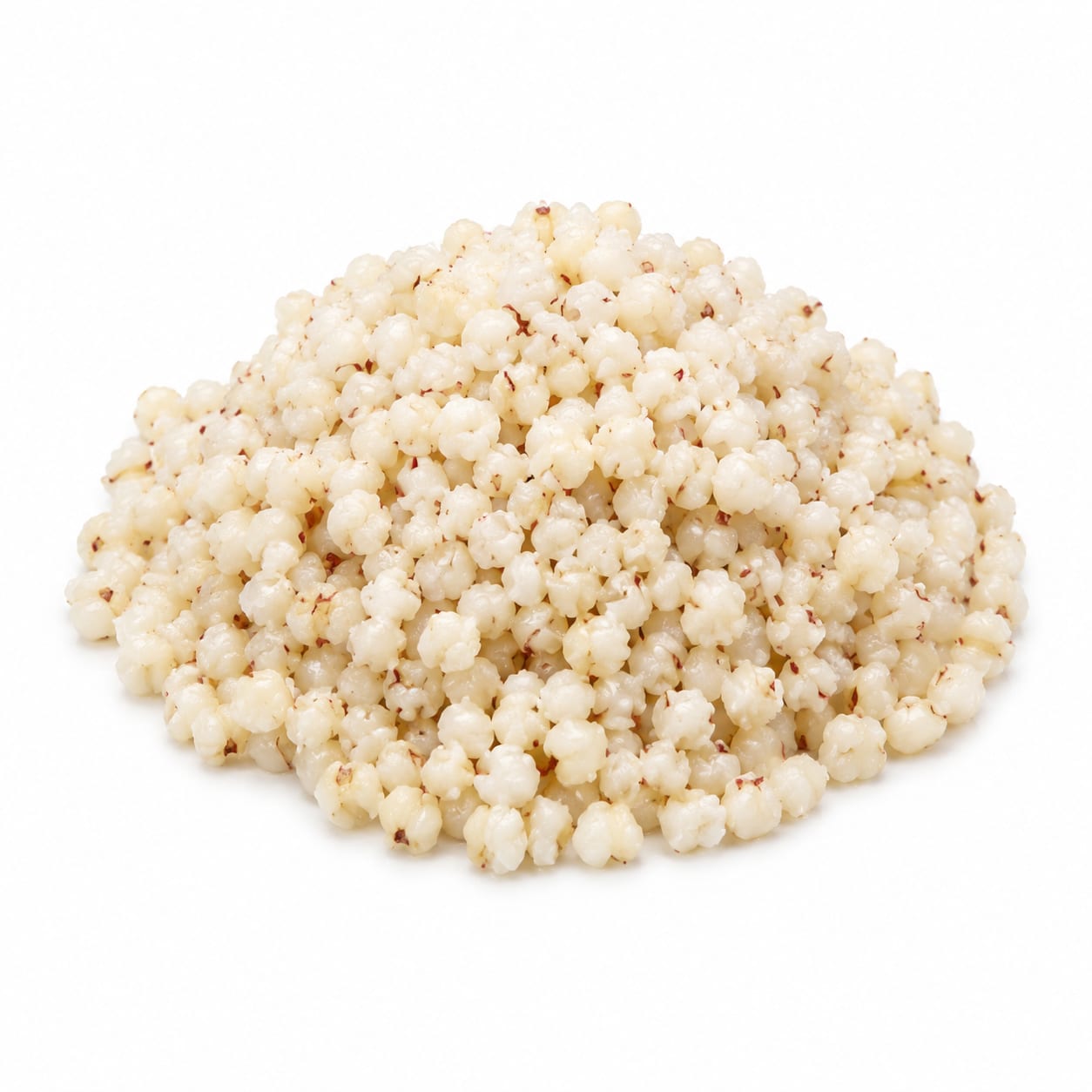
Sorghum
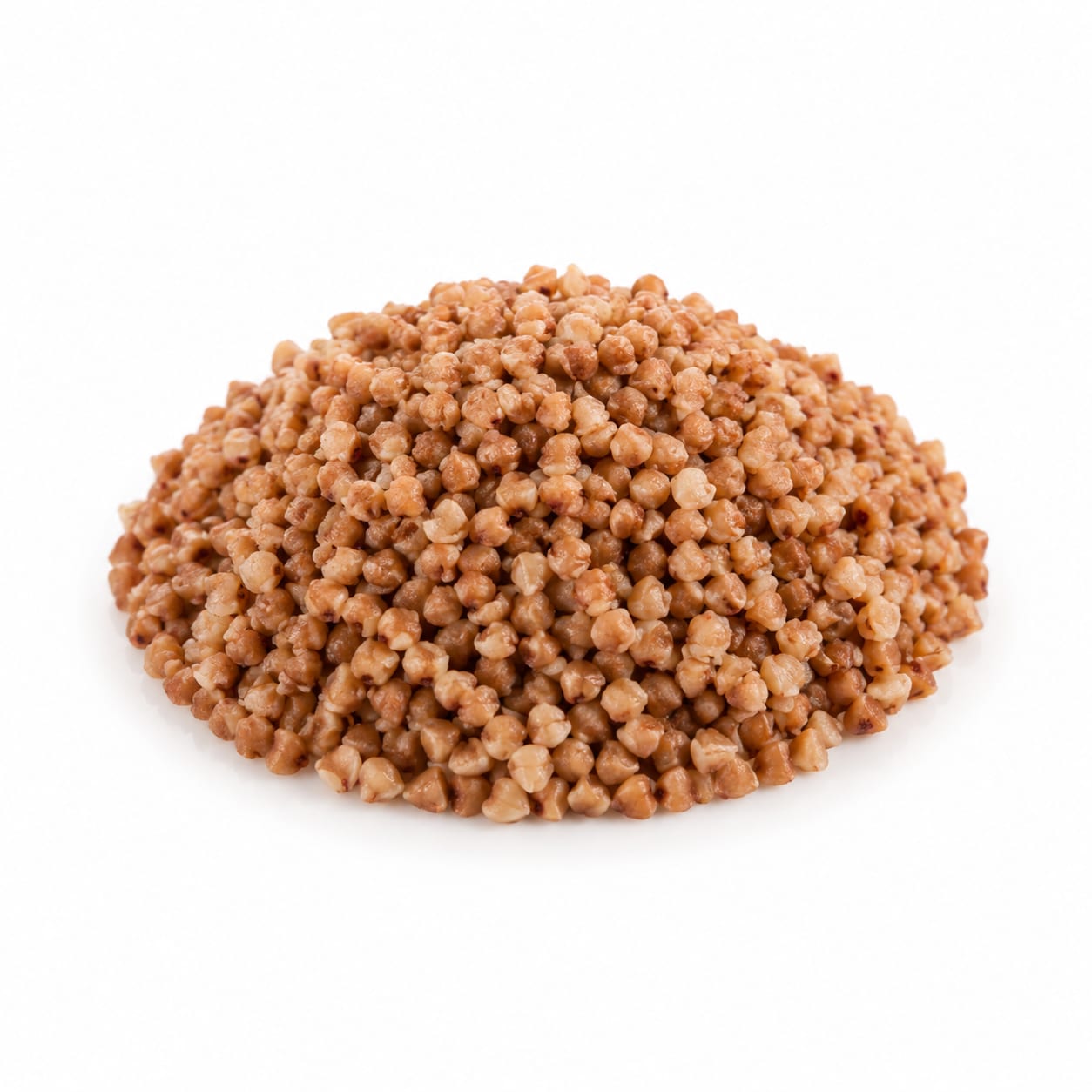
Buckwheat
Buckwheat edges ahead with complete protein, faster cooking, and unique heart-protective rutin, but sorghum offers slower-releasing energy and higher iron for those who prioritize endurance and mineral intake.
Buckwheat scores higher due to its complete amino acid profile, rutin content for cardiovascular benefits, and significantly faster cooking time. Sorghum remains a strong choice with advantages in iron content and slower energy release, but the practical and nutritional edge goes to buckwheat for most everyday scenarios.
Buckwheat gives you quicker meals and better protein quality; sorghum gives you steadier energy and more iron per serving.
At a glance
Executive summary
Overall
Buckwheat
Healthier
Buckwheat
More practical
Buckwheat
Daily use
Buckwheat
Key comparison lenses
gluten-free grain alternative comparison
Both are naturally gluten-free and commonly sought as wheat substitutes, making this the primary decision driver for most users
blood sugar management
Both are low-glycemic options popular among people managing diabetes or seeking steady energy
protein quality and completeness
Buckwheat offers a rare complete plant protein, while sorghum provides solid but incomplete protein
heart and vascular health
Buckwheat's rutin content specifically supports blood vessel integrity, a unique differentiator
cooking convenience and everyday practicality
Buckwheat cooks significantly faster, affecting real-world adoption and meal prep routines
Best choice for
Sorghum
- People needing sustained energy for long workdays or endurance training
- Anyone with iron deficiency concerns seeking plant-based iron sources
- Those who prefer a milder, more neutral-tasting grain for versatile cooking
- Individuals with buckwheat allergy or sensitivity
Buckwheat
- People seeking a complete plant protein source, especially vegans and vegetarians
- Anyone focused on heart health and blood vessel strength
- Busy cooks wanting a nutritious grain that prepares in under 15 minutes
- Those managing blood sugar who want maximum nutritional payoff per calorie
Least suitable for
Sorghum
- Impatient cooks or those with limited meal prep time
- People prioritizing protein completeness from a single grain source
- Anyone unfamiliar with cooking whole sorghum, which can remain chewy if undercooked
Buckwheat
- People with buckwheat allergy, which is more common than sorghum sensitivity
- Those who dislike the earthy, slightly bitter flavor profile
- Individuals on low-oxalate diets due to kidney stone concerns
Deep comparison
Dimension by dimension
Each lens scores both foods and breaks down who each option suits.
- Dimension 1 · Priority 90Buckwheat
Blood Sugar Stability
Sorghum · 76Buckwheat · 83Both are low-glycemic, but buckwheat's resistant starch and D-chiro-inositol give it a measurable edge for glucose control.
Tradeoff
Sorghum digests even more slowly, which can feel heavy before exercise, while buckwheat provides steady energy without feeling like a brick in your stomach.
Why it matters
For anyone watching blood sugar, even small differences in glycemic response compound over thousands of meals across years.
Real-world impact
Buckwheat is less likely to cause that sluggish feeling 30 minutes after eating, while still keeping you full for hours.
Sorghum
- Very long stretches between meals where maximum slow-release matters
Better for
- Situations requiring quick but sustained energy availability
Worse for
Buckwheat
- Post-meal energy and alertness
- Diabetes management with documented glucose benefits
- Pre-workout meals where you need fuel without heaviness
Better for
- Ultra-endurance events where the slowest possible digestion is preferred
Worse for
- Dimension 2 · Priority 85Buckwheat
Protein Quality
Sorghum · 62Buckwheat · 86Buckwheat is one of the rare plant foods with all nine essential amino acids, making it a genuinely complete protein. Sorghum's protein is solid but lacks sufficient lysine.
Tradeoff
You would need to pair sorghum with a lysine-rich food like beans to match buckwheat's protein quality, adding meal complexity.
Why it matters
Complete protein matters most for vegans, vegetarians, and anyone relying heavily on grains as a protein source rather than eating animal products alongside.
Real-world impact
A buckwheat bowl alone covers your amino acid bases. A sorghum bowl needs a side of legumes to do the same job.
Sorghum
- Meals already paired with beans or lentils where protein complementation is handled
Better for
- Plant-based eaters relying on a single grain for protein
Worse for
Buckwheat
- Vegan and vegetarian meals needing standalone protein completeness
- Simpler one-pot meals where adding complementary proteins is impractical
Better for
- Situations where protein complementation is already planned and lysine is covered
Worse for
- Dimension 3 · Priority 82Buckwheat
Heart and Vascular Health
Sorghum · 70Buckwheat · 88Buckwheat contains rutin, a flavonoid that strengthens blood vessel walls and improves circulation. This is a genuinely rare and clinically meaningful nutrient advantage.
Tradeoff
Sorghum offers heart benefits through antioxidants and cholesterol-lowering fiber, but lacks the specific vascular-targeted compound that makes buckwheat exceptional.
Why it matters
Rutin specifically supports capillary strength and reduces hypertension risk, which is a leading preventable health concern worldwide.
Real-world impact
Regular buckwheat consumption is associated with measurably better blood pressure and vascular function in population studies, especially in Eastern Europe and Asia where it is a staple.
Sorghum
- General antioxidant support without specific vascular focus
Better for
- Targeted cardiovascular and blood pressure management
Worse for
Buckwheat
- Anyone with hypertension or family history of cardiovascular disease
- People seeking food-based support for circulation and vein health
- Older adults where vascular integrity becomes increasingly important
Better for
- Those already on blood-thinning medications who should consult their doctor about high-rutin foods
Worse for
- Dimension 4 · Priority 78Sorghum
Mineral Density
Sorghum · 82Buckwheat · 74Sorghum delivers more iron and phosphorus per serving, while buckwheat leads in magnesium and copper. For most people, iron is the harder mineral to get from plant foods, giving sorghum the edge.
Tradeoff
Sorghum's tannins can reduce iron absorption, partially offsetting its higher iron content. Buckwheat's minerals are slightly more bioavailable.
Why it matters
Iron deficiency is the most common nutrient deficiency globally, and plant-based eaters especially struggle to get enough.
Real-world impact
If you are borderline anemic or plant-based, sorghum paired with vitamin C gives you a meaningful iron boost. For general mineral balance, both are strong contributors.
Sorghum
- Iron-deficient individuals seeking plant-based iron sources
- Those who eat vitamin C-rich foods alongside grains to boost absorption
Better for
- Meals without vitamin C where tannins may block iron uptake
Worse for
Buckwheat
- People prioritizing magnesium for sleep, muscle recovery, or stress management
- Anyone needing better copper intake for connective tissue health
Better for
- Those specifically targeting iron intake from a single grain source
Worse for
- Dimension 5 · Priority 75Buckwheat
Cooking Convenience
Sorghum · 55Buckwheat · 82Buckwheat groats cook in 10-15 minutes. Whole sorghum takes 45-60 minutes and can stay chewy if not cooked long enough. This is a major practical difference for weeknight cooking.
Tradeoff
Sorghum's longer cook time means you can batch-cook it for the week, but it requires planning. Buckwheat works for spontaneous meals.
Why it matters
The healthiest grain only matters if you actually cook it. Convenience directly impacts how often a food makes it onto your plate.
Real-world impact
On a Tuesday night after work, buckwheat is ready almost as fast as pasta. Sorghum requires either a pressure cooker, pre-soaking, or weekend meal prep.
Sorghum
- Weekend meal prep sessions where you cook large batches
- Slow cooker or pressure cooker owners who can automate the long cook time
Better for
- Last-minute meal situations
- People without pressure cookers who find long stovetop cooking impractical
Worse for
Buckwheat
- Weeknight dinners with limited time
- Beginners exploring gluten-free grains for the first time
- Anyone who cooks spontaneously without weekly planning
Better for
- Batch cooking where the small time difference becomes negligible
Worse for
- Dimension 6 · Priority 72Buckwheat
Digestive Tolerance
Sorghum · 68Buckwheat · 78Buckwheat is generally easier to digest for most people. Sorghum's tannins and tougher outer layer can cause mild digestive discomfort in sensitive individuals, especially if undercooked.
Tradeoff
Sorghum's tannins have health benefits as antioxidants but come with a digestive cost for some. Buckwheat is gentler but contains oxalates, which can trouble kidney stone formers.
Why it matters
A nutritious food that causes bloating or discomfort gets abandoned quickly, undermining long-term dietary adherence.
Real-world impact
If you have a sensitive stomach, buckwheat is the safer first choice. Sorghum may require a gradual introduction period.
Sorghum
- People without digestive sensitivity who benefit from tannin antioxidants
Better for
- People prone to bloating or gas from high-tannin foods
Worse for
Buckwheat
- Those with sensitive digestion or IBS tendencies
- Anyone transitioning from refined grains who needs a gentler introduction to whole grains
Better for
- Individuals with a history of calcium oxalate kidney stones
Worse for
Timeline
Health impact over time
Short-term
Hours to days
Sorghum
- Provides long-lasting satiety due to slow digestion, reducing between-meal snacking
- May feel heavy in the stomach if undercooked or eaten before physical activity
- Iron content provides a noticeable energy support when paired with vitamin C foods
Buckwheat
- Delivers quick but sustained energy without the heavy feeling, ideal for active days
- Rutin may contribute to a sense of improved circulation during physical exertion
- Complete protein supports better post-meal satisfaction and reduced cravings
Long-term
Months to years
Sorghum
- Consistent consumption supports improved iron status, particularly valuable for plant-based eaters
- Antioxidant tannins may contribute to reduced chronic disease risk over decades
- Slow-releasing carbohydrates support stable blood sugar patterns that reduce diabetes risk
Buckwheat
- Regular rutin intake is associated with lower blood pressure and stronger capillary walls over time
- Complete protein from a grain source simplifies long-term dietary planning for vegans
- Resistant starch feeds beneficial gut bacteria, supporting microbiome diversity with consistent consumption
Risk profile
Safety & processing
Both sorghum and buckwheat are whole, minimally processed foods when purchased as whole grains or groats. Neither typically contains additives in their natural form. The main processing concern is buckwheat flour, which can be refined and stripped of bran, and sorghum syrup, which is a concentrated sweetener rather than a whole grain. Stick to whole groats or whole grain flour for both.
Sorghum
Tannin interference with nutrient absorption
lowSorghum's tannins can reduce iron and protein absorption, but this is manageable by pairing with vitamin C foods and is not a safety concern for most people.
Undercooking leading to digestive discomfort
lowWhole sorghum that is not fully cooked can be quite chewy and difficult to digest, causing bloating. This is a preparation issue rather than a contamination risk.
Buckwheat
Buckwheat allergy
mediumBuckwheat allergy is more common than many realize, especially in parts of Asia and Eastern Europe. Reactions can be severe, including anaphylaxis in sensitive individuals. Always test a small amount first if you have never eaten it.
Oxalate content
lowBuckwheat contains moderate oxalates, which can contribute to kidney stone formation in susceptible individuals. This is only a concern for people with a history of calcium oxalate stones.
Cross-contamination with wheat
mediumBuckwheat is often processed in facilities that handle wheat. Those with celiac disease or severe gluten sensitivity should seek certified gluten-free buckwheat to avoid cross-contamination.
Who wins for whom
Audience fit
Same foods, different winners depending on your goal.
children
BuckwheatBuckwheat's softer texture when cooked, milder preparation requirements, and complete protein make it more practical for children's meals. Sorghum's chewiness can be a texture issue for picky eaters.
daily consumption
BuckwheatFaster cooking, easier digestion, and broader nutrient coverage make buckwheat more sustainable as a daily staple. Sorghum works well in rotation but requires more effort to maintain as a daily grain.
diabetes
BuckwheatBuckwheat's D-chiro-inositol has documented glucose-lowering effects, and its resistant starch improves insulin sensitivity. Both are strong choices, but buckwheat has more clinical evidence for diabetes management.
elderly
BuckwheatBuckwheat's rutin supports vascular health, which becomes critical with aging. Its easier digestibility and softer cooked texture also suit older digestive systems better.
muscle gain
BuckwheatComplete protein with all essential amino acids makes buckwheat more useful for muscle repair, though neither grain is a primary protein source for serious muscle building.
weight loss
BuckwheatBuckwheat's complete protein and resistant starch provide better satiety per calorie, and its faster cooking makes it easier to consistently prepare at home rather than ordering takeout.
Your move
Decision guide
Choose Sorghum
- You need maximum iron from plant sources and regularly eat vitamin C-rich foods alongside your grains
- You want the slowest possible energy release for long workdays or endurance activities
- You find buckwheat's earthy flavor off-putting and prefer a milder, more neutral grain
- You have a buckwheat allergy or sensitivity
- You own a pressure cooker and can easily batch-cook sorghum for the week
Choose Buckwheat
- You want a complete protein grain, especially important for plant-based diets
- Heart health and blood pressure management are top priorities for you
- You value quick cooking and weeknight convenience
- You are new to gluten-free grains and want the easiest entry point
- You enjoy the nutty, earthy flavor and find it satisfying
Either works if
- You are simply rotating through healthy whole grains for dietary diversity
- Both are available and affordable in your area
- You eat a varied diet with legumes, vegetables, and other protein sources that complement either grain
Avoid both if
- You have a diagnosed grain or seed allergy to either food
- You are on a strict low-carb or ketogenic diet, as both are carbohydrate-dense
- You have severe oxalate sensitivity and need to limit both buckwheat and certain preparation methods of sorghum
Final recommendation
Start with buckwheat for its convenience, complete protein, and heart-protective rutin. Add sorghum as a rotation grain when you want slower energy release, more iron, or flavor variety. Both deserve a place in a well-stocked pantry, but if you can only choose one for daily use, buckwheat fits more lifestyles more easily.
Practical
Consumer tips
- 1
Buy whole buckwheat groats rather than roasted kasha if you want a milder flavor and more nutrient retention
- 2
Soak sorghum overnight or use a pressure cooker to cut cooking time from 60 minutes to 20 minutes
- 3
Always check for certified gluten-free labels on buckwheat products if you have celiac disease, as cross-contamination with wheat is common
- 4
Toast buckwheat groats in a dry pan for 3 minutes before boiling to enhance the nutty flavor and reduce bitterness
- 5
Pair sorghum with bell peppers, tomatoes, or citrus to boost iron absorption by counteracting tannin interference
- 6
Try buckwheat as a hot breakfast porridge with cinnamon and berries for an easy, nutrient-dense start to the day
- 7
Use sorghum flour for gluten-free baking when you want a lighter texture than buckwheat flour provides
- 8
Store both grains in airtight containers in a cool, dark place. Buckwheat's higher fat content means it can go rancid faster than sorghum, so use it within a few months of opening