
Nutrition comparison
Sorghum vs Brown Rice: Which Grain Is Healthier for Daily Use?
Compare sorghum and brown rice on arsenic risk, blood sugar impact, protein, antioxidants, and convenience. Find out which whole grain is better for your health goals.
Overall winner · Sorghum
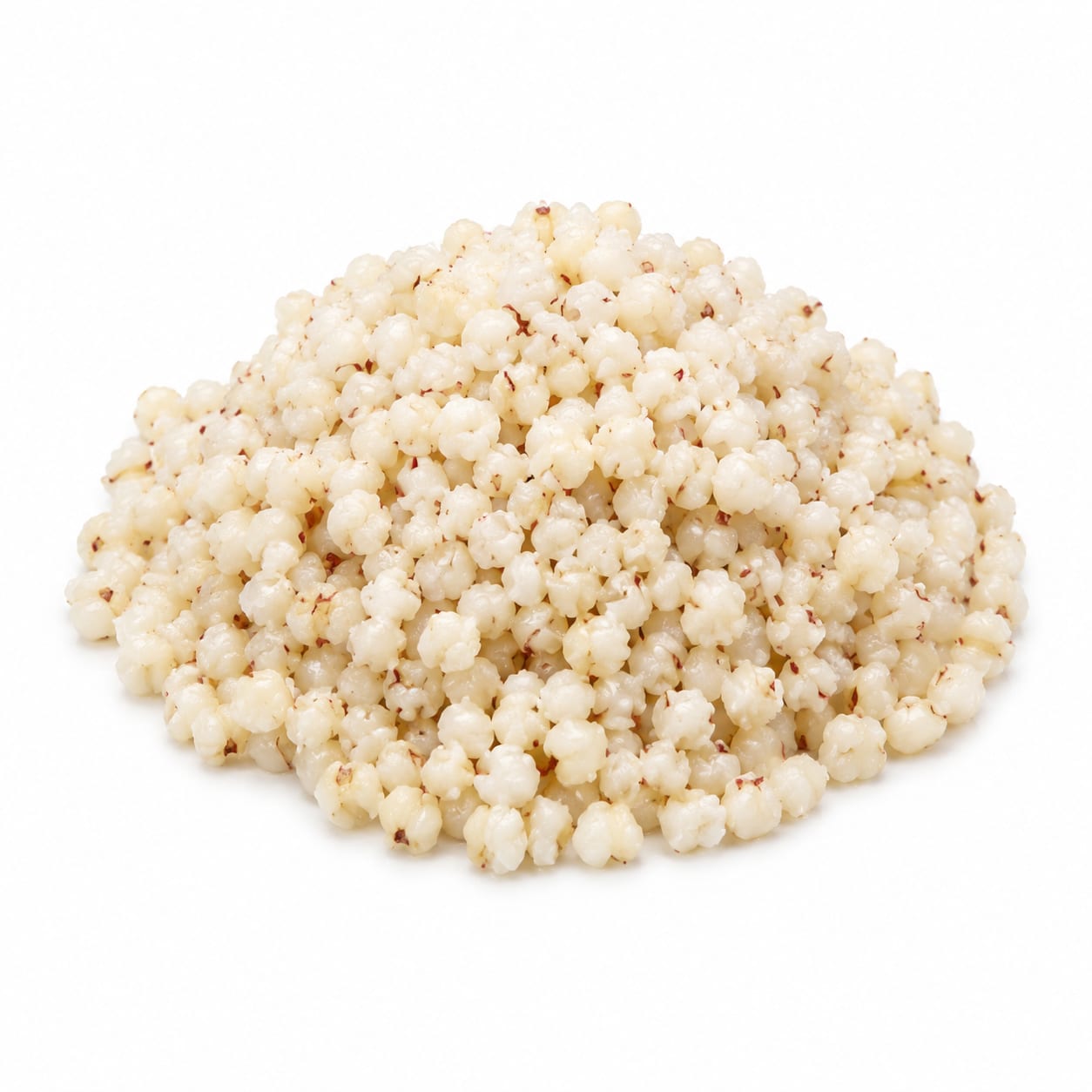
Sorghum
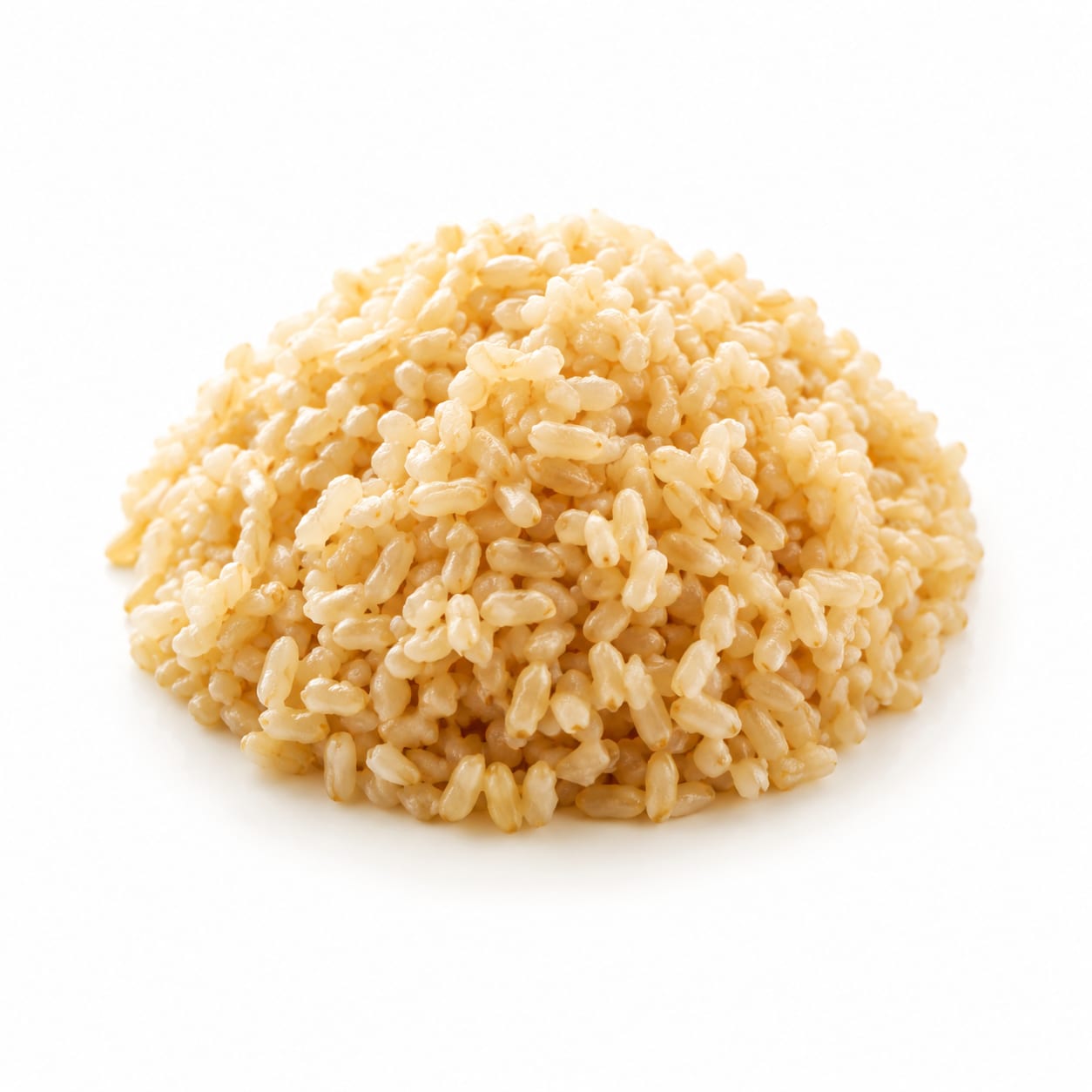
Brown Rice
Sorghum edges out brown rice on nutrition and safety, but brown rice wins on convenience and familiarity.
Sorghum scores higher due to superior antioxidant content, lower glycemic impact, better protein, and zero arsenic risk. Brown rice stays competitive through accessibility, familiarity, and easier digestion, but its arsenic concern and lower nutrient density create a meaningful gap.
You gain antioxidants, protein, and arsenic-free safety with sorghum, but sacrifice the easy availability and quick familiarity of brown rice.
At a glance
Executive summary
Overall
Sorghum
Healthier
Sorghum
More practical
Brown Rice
Daily use
Sorghum
Key comparison lenses
gluten-free grain selection for whole food diets
Both are popular gluten-free whole grains, and users often choose between them for meal prep or dietary rotation
blood sugar management and glycemic control
Sorghum has a notably lower glycemic index, making this a critical differentiator for diabetics and metabolic health
arsenic exposure and long-term safety
Brown rice is a known source of inorganic arsenic, which is a serious concern for daily consumers
antioxidant and phytonutrient density
Sorghum contains unique antioxidants like 3-deoxyanthocyanins that brown rice lacks entirely
practicality and everyday convenience
Brown rice is far more accessible and familiar, affecting real-world adherence and cooking habits
Best choice for
Sorghum
- People managing blood sugar or insulin resistance
- Families concerned about arsenic in daily grains
- Anyone seeking more antioxidants from staple carbs
- Gluten-sensitive individuals wanting nutrient density
Brown Rice
- Busy households needing a quick, familiar side dish
- People new to whole grains who want an easy transition
- Athletes who tolerate carbs well and need fast energy
- Those on a tight budget with limited store access
Least suitable for
Sorghum
- People who need instant or quick-cooking grains
- Anyone unfamiliar with cooking ancient grains
- Those with sensitive digestion who struggle with tannins
Brown Rice
- Daily consumers worried about arsenic accumulation
- People with diabetes needing tighter glycemic control
- Those seeking maximum nutrient density per calorie
Deep comparison
Dimension by dimension
Each lens scores both foods and breaks down who each option suits.
- Dimension 1 · Priority 92Sorghum
Blood Sugar Stability
Sorghum · 82Brown Rice · 62Sorghum digests more slowly, giving you steadier energy without the crash that brown rice can trigger.
Tradeoff
Brown rice provides faster energy replenishment after intense exercise, but at the cost of a sharper glucose spike.
Why it matters
If you get sleepy or hungry 90 minutes after a carb-heavy meal, sorghum may solve that problem more reliably.
Real-world impact
A sorghum bowl at lunch keeps you focused through the afternoon. Brown rice may leave you reaching for a snack by 3pm.
Sorghum
- Insulin-resistant individuals
- Afternoon energy crash sufferers
- Prediabetics managing post-meal spikes
Better for
- Situations requiring rapid refueling
- Immediate post-marathon recovery
Worse for
Brown Rice
- Endurance athletes needing quick glycogen
- Post-workout recovery meals
- Underweight individuals needing easy calories
Better for
- Sedentary office workers
- Late dinners close to bedtime
Worse for
- Dimension 2 · Priority 85Sorghum
Antioxidant and Phytonutrient Density
Sorghum · 88Brown Rice · 42Sorghum is loaded with unique antioxidants that brown rice simply does not offer, especially in darker varieties.
Tradeoff
You give up some manganese and selenium found in brown rice, but gain far more protective plant compounds overall.
Why it matters
Daily antioxidant intake from staple foods adds up significantly over years, influencing inflammation and disease risk.
Real-world impact
Choosing sorghum as your daily grain is like taking a mild antioxidant supplement with every meal, effortlessly.
Sorghum
- People with chronic inflammation
- Anyone eating limited fruit and vegetable variety
- Older adults needing extra cellular protection
Better for
- Situations where mineral density matters more
Worse for
Brown Rice
- Those already eating antioxidant-rich diets
- People prioritizing mineral intake over phytonutrients
Better for
- Long-term disease prevention strategies
- People with family history of inflammatory conditions
Worse for
- Dimension 3 · Priority 88Sorghum
Arsenic and Contamination Safety
Sorghum · 95Brown Rice · 48Sorghum is essentially arsenic-free, while brown rice is one of the most arsenic-concentrated common foods.
Tradeoff
You can mitigate brown rice arsenic by rinsing and cooking in excess water, but you cannot eliminate it entirely.
Why it matters
Chronic low-level arsenic exposure from daily brown rice consumption is linked to increased cancer and heart disease risk.
Real-world impact
Eating brown rice daily for years could meaningfully increase arsenic burden. Sorghum removes this worry entirely.
Sorghum
- Children and pregnant women
- Daily grain consumers
- Anyone with compromised detox pathways
Better for
- No significant safety downside
Worse for
Brown Rice
- Occasional eaters where arsenic load stays low
- People who thoroughly rinse and cook rice in excess water
Better for
- Families eating rice multiple times daily
- Infants and toddlers receiving rice-based foods
Worse for
- Dimension 4 · Priority 78Sorghum
Protein and Satiety
Sorghum · 76Brown Rice · 58Sorghum has noticeably more protein per serving, keeping you fuller for longer with less urge to snack.
Tradeoff
Sorghum's tannins can slightly reduce protein absorption, so the net protein advantage is smaller than it appears on paper.
Why it matters
Higher protein staples reduce overall calorie intake naturally by curbing hunger between meals.
Real-world impact
A sorghum-based dinner may keep you satisfied until morning. Brown rice might trigger a late-night fridge raid.
Sorghum
- Weight-conscious eaters
- Vegetarians needing protein from grains
- People who skip snacks between meals
Better for
- Anyone with tannin sensitivity affecting digestion
Worse for
Brown Rice
- Those who eat frequent protein-rich snacks anyway
- People with lower protein needs
Better for
- Reliance on extra protein sources to feel full
Worse for
- Dimension 5 · Priority 75Brown Rice
Availability and Cooking Convenience
Sorghum · 45Brown Rice · 82Brown rice is available everywhere and most people already know how to cook it. Sorghum requires more effort to find and prepare.
Tradeoff
Sorghum takes longer to cook and may need soaking, but meal prepping a large batch solves this for the whole week.
Why it matters
The healthiest grain only matters if you actually eat it. Convenience often determines what ends up on your plate.
Real-world impact
You can grab brown rice at any grocery store and cook it without thinking. Sorghum may require a specialty store trip and recipe lookup.
Sorghum
- Meal preppers who cook once per week
- Adventurous home cooks enjoying new ingredients
Better for
- Last-minute meal situations
- Households with picky eaters resistant to new textures
Worse for
Brown Rice
- Weeknight dinners when time is short
- People living in areas with limited grocery options
- Beginners learning to cook whole grains
Better for
- No significant convenience downside
Worse for
- Dimension 6 · Priority 70Brown Rice
Digestive Tolerance
Sorghum · 60Brown Rice · 78Brown rice is gentler on sensitive stomachs. Sorghum's tannins and tougher fiber can cause bloating in some people.
Tradeoff
Sorghum's resistant starch feeds beneficial gut bacteria better long-term, but the adjustment period can be uncomfortable.
Why it matters
A grain that causes bloating or discomfort will not stay in your rotation regardless of its nutritional merits.
Real-world impact
Switching to sorghum may cause a few days of adjustment. Starting with small portions and soaking helps significantly.
Sorghum
- People with healthy gut microbiomes seeking prebiotic benefits
- Those already accustomed to high-fiber diets
Better for
- First-time users eating large portions immediately
Worse for
Brown Rice
- Individuals with IBS or sensitive digestion
- People recovering from gastrointestinal illness
- Anyone transitioning from white rice to whole grains
Better for
- Long-term gut microbiome optimization
Worse for
Timeline
Health impact over time
Short-term
Hours to days
Sorghum
- More sustained energy with less post-meal sleepiness
- Possible mild bloating during the first week of switching
- Greater fullness after meals, reducing between-meal snacking
Brown Rice
- Faster energy availability after eating
- Easier digestion with less adjustment needed
- Possibly hungrier sooner after meals compared to sorghum
Long-term
Months to years
Sorghum
- Lower cumulative arsenic exposure over decades
- Better inflammatory marker profiles from consistent antioxidant intake
- Improved gut microbiome diversity from resistant starch
- Potentially lower type 2 diabetes risk from stable glycemic load
Brown Rice
- Possible arsenic accumulation with daily consumption, especially in regions with contaminated water
- Decent mineral intake from manganese and selenium
- Moderate fiber benefits for cardiovascular health
- Higher long-term diabetes risk if consumed in large frequent portions
Risk profile
Safety & processing
Both grains are whole, minimally processed foods with no additives when purchased in their basic form. Sorghum is often less commercially modified overall, as it has escaped the industrial optimization that rice has undergone.
Sorghum
Tannin interference with nutrient absorption
lowSorghum contains tannins that can slightly reduce iron and protein absorption. Soaking or cooking reduces this effect meaningfully.
Mycotoxin contamination in storage
lowLike all stored grains, sorghum can develop mold toxins if kept in humid conditions. Proper storage eliminates this risk.
Brown Rice
Inorganic arsenic accumulation
highBrown rice is a leading dietary source of inorganic arsenic, which accumulates with regular consumption and is linked to cancer, cardiovascular disease, and developmental risks. Rinsing and cooking in excess water reduces but does not eliminate this.
Pesticide residue on conventional crops
mediumRice paddies can concentrate pesticides from water. Choosing organic brown rice significantly reduces this concern.
Who wins for whom
Audience fit
Same foods, different winners depending on your goal.
children
SorghumLower arsenic exposure is especially critical for developing bodies, making sorghum the safer staple grain for kids.
daily consumption
SorghumDaily consumption amplifies arsenic risk from brown rice, while sorghum remains safe as an everyday staple long-term.
diabetes
SorghumSorghum's lower glycemic index and slower glucose release make it significantly safer for blood sugar management.
elderly
It dependsSorghum offers better anti-inflammatory protection and blood sugar control, but brown rice is easier to chew and digest for those with dental or gastrointestinal issues.
muscle gain
It dependsBrown rice offers faster-digesting carbs ideal post-workout, while sorghum provides more protein per serving. Choose based on timing: brown rice after training, sorghum at other meals.
weight loss
SorghumSorghum's higher protein and fiber create stronger satiety, naturally reducing overall calorie intake without conscious restriction.
Your move
Decision guide
Choose Sorghum
- You eat grain as a daily staple and want maximum long-term safety
- Blood sugar control is a personal or family health priority
- You enjoy cooking and are open to exploring new ingredients
- You want more antioxidants and protein from your carb sources
- You are feeding children and want to minimize arsenic exposure
Choose Brown Rice
- You eat grain only occasionally and arsenic accumulation is minimal
- You need a familiar, widely available option for family meals
- You have sensitive digestion and find high-fiber grains uncomfortable
- You are an athlete needing quick-access carbohydrate energy
- You live somewhere where sorghum is unavailable or prohibitively expensive
Either works if
- You rotate grains regularly and do not rely on just one staple
- You are generally healthy with no specific metabolic concerns
- You enjoy variety and cook both depending on the recipe
Avoid both if
- You are on a strict very-low-carb or ketogenic diet
- You have severe grain allergies or sensitivities beyond gluten
- You are eliminating all whole grains for a specific elimination protocol
Final recommendation
Make sorghum your default daily grain for the safety and nutritional edge, but keep brown rice in rotation for convenience and variety. If you eat brown rice, rinse it thoroughly, cook in excess water, and limit it to a few times per week to manage arsenic exposure. The best approach is rotating both grains rather than relying exclusively on either one.
Practical
Consumer tips
- 1
Soak sorghum overnight to reduce cooking time and improve digestibility significantly
- 2
Rinse brown rice thoroughly and cook in 6 parts water to 1 part rice, then drain, to remove up to 60% of arsenic
- 3
Buy organic brown rice from regions with lower arsenic soil, such as California or India, rather than the southern United States
- 4
Try popping sorghum like popcorn for a crunchy, antioxidant-rich snack that takes only minutes
- 5
Cook a large batch of sorghum on Sunday and refrigerate portions for quick meals throughout the week
- 6
If transitioning from white rice, start with brown rice before moving to sorghum to adjust your palate gradually
- 7
Pair sorghum with vitamin C rich foods like tomatoes or bell peppers to offset any tannin-related iron absorption reduction