
Nutrition comparison
Millet vs Sorghum: Which Ancient Grain Is Better for You?
Compare millet and sorghum nutrition, thyroid safety, blood sugar impact, and digestibility. Find out which gluten-free grain fits your health goals best.
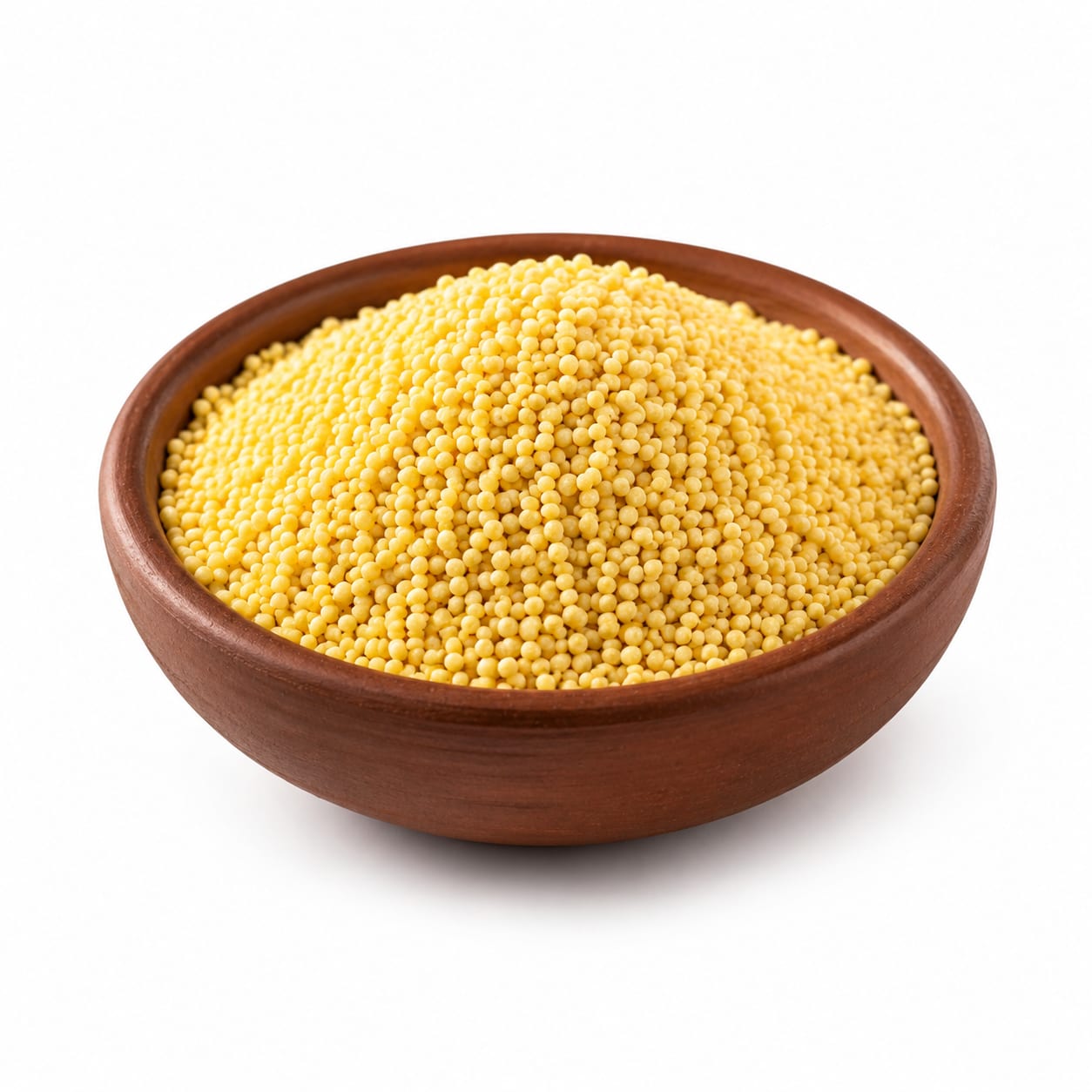
Millet
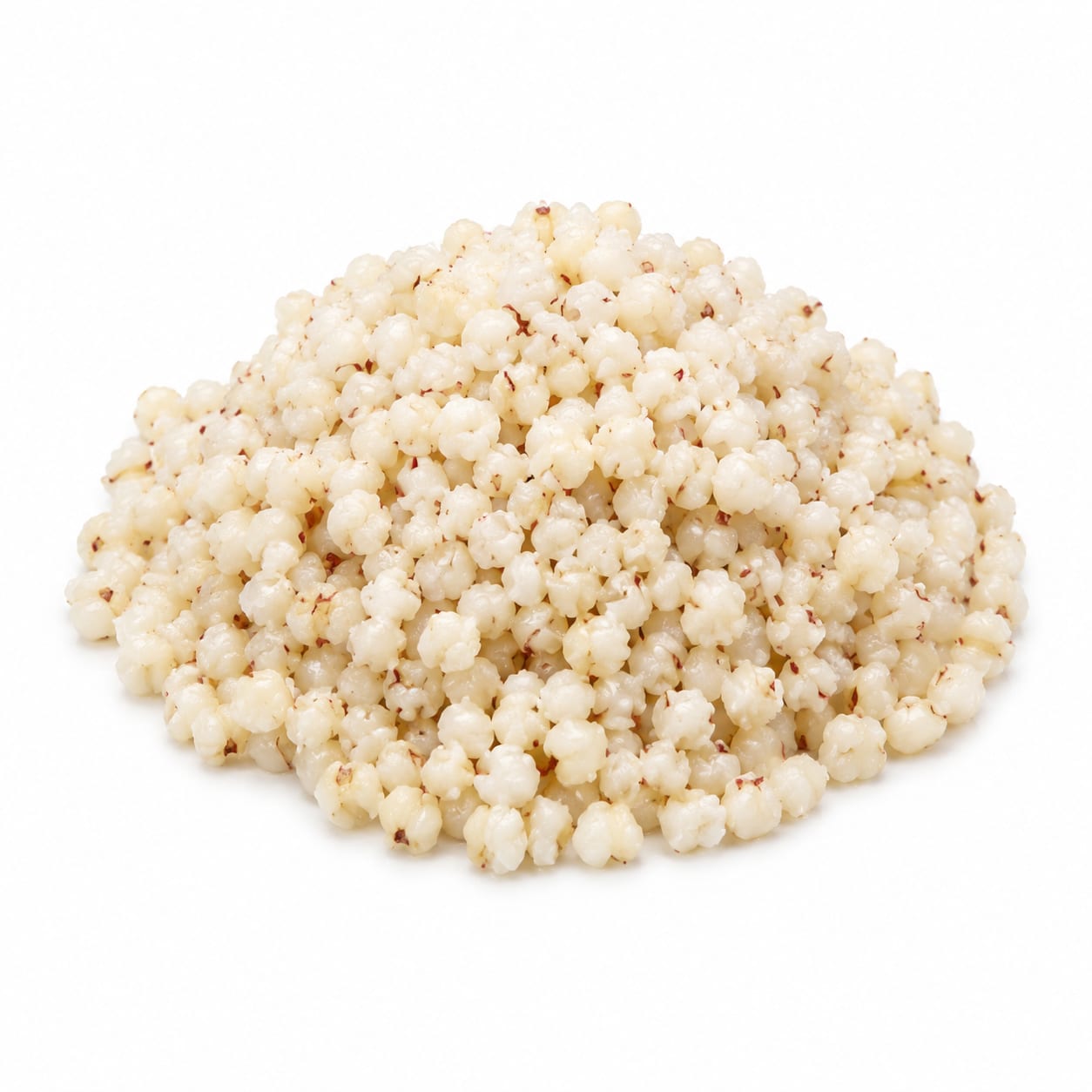
Sorghum
Millet is lighter and better for blood sugar control, while Sorghum is more filling and richer in protein and antioxidants. Your thyroid status should decide this one.
Sorghum edges ahead due to higher protein, better thyroid safety, and stronger antioxidant content. Millet remains excellent for blood sugar and digestion but the goitrogen concern with daily use pulls its score down.
Millet gives you steadier energy and easier digestion, but Sorghum gives you more protein, better satiety, and no thyroid concerns.
At a glance
Executive summary
Overall
It depends
Healthier
It depends
More practical
Millet
Daily use
Sorghum
Key comparison lenses
gluten-free grain selection for daily staples
Both are top gluten-free ancient grains people choose between for roti, porridge, or rice alternatives
blood sugar management and diabetes suitability
Glycemic differences between these grains significantly impact glucose control decisions
thyroid safety with regular consumption
Millet contains goitrogens that can interfere with thyroid function when eaten daily
weight management and satiety
Calorie density and protein differences affect fullness and portion control
digestive comfort and tolerance
Light vs heavy grain feel matters for people with sensitive digestion
Best choice for
Millet
- People managing diabetes or insulin resistance
- Those with sensitive digestion who prefer lighter grains
- Anyone wanting a quick-cooking rice substitute
- People in hot climates who find heavy grains uncomfortable
Sorghum
- People with thyroid concerns or iodine deficiency
- Athletes needing more protein from grain sources
- Anyone wanting longer-lasting fullness from meals
- People looking to increase iron intake naturally
Least suitable for
Millet
- People with hypothyroidism eating millet daily
- Those needing high protein from their grain serving
- People who find light grains unsatisfying
Sorghum
- People who find heavy grains difficult to digest
- Those wanting a quick-cooking weeknight grain
- Anyone strictly managing calorie intake per portion
Deep comparison
Dimension by dimension
Each lens scores both foods and breaks down who each option suits.
- Dimension 1 · Priority 95Millet
Blood Sugar Stability
Millet · 82Sorghum · 68Millet has a lower glycemic index and creates less glucose spiking than Sorghum.
Tradeoff
Millet keeps blood sugar steadier, but Sorghum's higher protein and fiber content helps too — just not as effectively.
Why it matters
For anyone watching glucose levels, this difference shows up within an hour after eating.
Real-world impact
After a millet meal, you are less likely to feel that afternoon energy crash. Sorghum may leave you with a slightly heavier feeling and slower energy return.
Millet
- Diabetics needing tighter glucose control
- People prone to energy crashes after carbs
Better for
- Those who find low-GI meals unsatisfying and end up snacking
Worse for
Sorghum
- Active people who need sustained energy over longer periods
Better for
- People sensitive to blood sugar fluctuations
Worse for
- Dimension 2 · Priority 88Sorghum
Protein and Satiety
Millet · 58Sorghum · 78Sorghum delivers noticeably more protein per serving, keeping you fuller for longer.
Tradeoff
Sorghum fills you up better but feels heavier in the stomach. Millet is lighter but you may get hungry sooner.
Why it matters
Protein from your grain serving reduces the need for additional protein sides, simplifying meals.
Real-world impact
A sorghum bowl at lunch can keep you satisfied until dinner. A millet bowl might have you reaching for a snack by 4pm.
Millet
- People who prefer eating smaller, more frequent meals
- Those who find heavy lunches kill afternoon productivity
Better for
- People relying on grain as a primary protein source
Worse for
Sorghum
- Anyone trying to reduce between-meal snacking
- Athletes needing more protein throughout the day
Better for
- Those who feel sluggish after heavy meals
Worse for
- Dimension 3 · Priority 90Sorghum
Thyroid Safety
Millet · 45Sorghum · 90Millet contains goitrogens that can interfere with thyroid hormone production when consumed regularly. Sorghum does not.
Tradeoff
Millet is safe in moderation, but daily consumption is risky for those with thyroid issues. Sorghum has no such concern.
Why it matters
This is the single most important differentiator. Many people are unaware of millet's goitrogenic effect.
Real-world impact
If you have hypothyroidism and eat millet daily as a rice replacement, you may worsen your condition over months without realizing why.
Millet
- People with healthy thyroid function eating millet a few times per week
Better for
- People with iodine deficiency
- Those on thyroid medication
Worse for
Sorghum
- Anyone with diagnosed hypothyroidism
- People with family history of thyroid disorders
- Those eating gluten-free grains as daily staples
Better for
- Dimension 4 · Priority 78Millet
Digestive Comfort
Millet · 82Sorghum · 65Millet is lighter and easier on the stomach. Sorghum can feel heavy and takes more effort to digest.
Tradeoff
Millet is gentler on digestion but less filling. Sorghum is more substantial but can cause bloating in sensitive people.
Why it matters
If you have IBS, bloating, or a sensitive gut, grain heaviness directly affects your comfort after meals.
Real-world impact
Millet porridge feels comforting and light for breakfast. Sorghum porridge can feel like a brick in your stomach if you are not used to it.
Millet
- People with IBS or sensitive digestion
- Those recovering from illness who need gentle foods
- Anyone who prefers light breakfasts
Better for
- Those who interpret lightness as not enough food
Worse for
Sorghum
- People with strong digestion who enjoy hearty meals
Better for
- People prone to bloating or heaviness after grain meals
Worse for
- Dimension 5 · Priority 75Sorghum
Antioxidant and Micronutrient Density
Millet · 62Sorghum · 80Sorghum is richer in antioxidants, especially in darker varieties, and provides more iron and phosphorus.
Tradeoff
Sorghum's tannins can reduce mineral absorption, partially offsetting its higher nutrient content. Millet has fewer antioxidants but better mineral bioavailability.
Why it matters
Antioxidant differences matter for long-term inflammation and aging, but tannins mean you absorb less than the label suggests.
Real-world impact
Over years, regular sorghum consumption may offer better protection against chronic disease. But in the short term, the difference is subtle.
Millet
- People concerned about mineral absorption efficiency
- Those eating a varied diet where antioxidant contribution from grain matters less
Better for
- Those relying heavily on one grain for micronutrients
Worse for
Sorghum
- Anyone wanting to maximize antioxidant intake from staples
- People with higher iron needs, such as menstruating women
Better for
- People already taking iron supplements who do not need extra
Worse for
- Dimension 6 · Priority 70Millet
Cooking Convenience
Millet · 80Sorghum · 60Millet cooks faster and has a fluffier texture similar to couscous. Sorghum takes longer and benefits from soaking.
Tradeoff
Millet is weeknight-friendly. Sorghum requires planning ahead but rewards you with a chewier, more substantial texture.
Why it matters
If cooking takes too long, you will abandon the grain and reach for white rice instead.
Real-world impact
Millet is ready in 20 minutes on a Tuesday night. Sorghum needs soaking and 45+ minutes — more of a weekend grain unless you use a pressure cooker.
Millet
- Busy professionals cooking on weeknights
- Meal preppers wanting quick batch cooking
Better for
- Those who prefer chewier, more substantial grain textures
Worse for
Sorghum
- Slow cooking enthusiasts who enjoy grain preparation
- Pressure cooker owners who can cut cooking time
Better for
- Anyone short on time who might abandon whole grain cooking
Worse for
Timeline
Health impact over time
Short-term
Hours to days
Millet
- Lighter post-meal feeling with less bloating
- Steadier energy without sugar crash
- Possible mild thyroid suppression if eaten in large quantities consecutively
Sorghum
- Stronger feeling of fullness lasting several hours
- Heavier digestion that may cause initial bloating if unaccustomed
- More sustained energy for physical activity
Long-term
Months to years
Millet
- Better blood sugar control with regular consumption
- Risk of thyroid disruption if consumed daily without iodine compensation
- Easier weight maintenance due to lower calorie density
Sorghum
- Higher antioxidant intake supporting reduced inflammation
- Better protein intake supporting muscle maintenance with age
- Improved iron status over time, particularly beneficial for women
Risk profile
Safety & processing
Both millet and sorghum are whole ancient grains typically sold with minimal processing. Neither commonly contains additives, preservatives, or artificial ingredients when purchased as whole grain.
Millet
Goitrogenic compounds
mediumMillet contains goitrogens that can suppress thyroid function when consumed daily, especially in people with existing thyroid issues or iodine deficiency. Cooking reduces but does not eliminate this risk.
Phytic acid reducing mineral absorption
lowLike most whole grains, millet contains phytic acid that can reduce iron, zinc, and calcium absorption. Soaking before cooking mitigates this significantly.
Sorghum
Tannin content reducing nutrient absorption
lowSorghum contains tannins, especially darker varieties, which can reduce protein digestibility and iron absorption. Soaking and cooking reduces tannin levels.
Potential pesticide residue
lowConventionally grown sorghum may carry pesticide residues. Choosing organic reduces this concern, though sorghum typically requires fewer pesticides than many crops.
Who wins for whom
Audience fit
Same foods, different winners depending on your goal.
children
MilletMillet is easier to digest, cooks into softer textures, and is less likely to cause bloating or heaviness in small stomachs.
daily consumption
SorghumSorghum is safer for daily use due to no goitrogenic compounds. Millet is best rotated with other grains rather than eaten every single day.
diabetes
MilletMillet's lower glycemic index provides better post-meal glucose control, which is critical for diabetes management.
elderly
It dependsMillet is gentler on aging digestion, but Sorghum's higher protein helps prevent muscle loss. Choose based on whether digestion or protein is the bigger concern.
muscle gain
SorghumSorghum provides more protein per serving, supporting muscle maintenance and growth when combined with other protein sources.
weight loss
MilletMillet has lower calorie density and a lighter profile that makes portion control easier. You can eat a satisfying volume without overconsuming calories.
Your move
Decision guide
Choose Millet
- You have diabetes or insulin resistance and need better glucose control
- You have sensitive digestion and prefer lighter meals
- You want a quick-cooking grain for busy weeknights
- You live in a hot climate and heavy grains feel uncomfortable
- You are willing to rotate grains and not eat millet every day
Choose Sorghum
- You have hypothyroidism or thyroid concerns in your family
- You want a grain you can safely eat every day as a staple
- You need more protein and iron from your grain serving
- You enjoy hearty, chewy grain textures
- You want longer-lasting fullness between meals
Either works if
- You are simply looking for a gluten-free rice alternative
- You plan to rotate between multiple grains anyway
- You have no thyroid issues and eat a varied diet
- You are cooking for a family with mixed preferences
Avoid both if
- You have a specific grain allergy to either
- You are looking for a complete protein source — neither grain provides all essential amino acids alone
Final recommendation
If you have no thyroid concerns, alternate between both for the broadest nutritional benefit. If you must pick one daily staple, Sorghum is the safer long-term choice. If blood sugar is your primary concern, Millet is the better option — just not every single day.
Practical
Consumer tips
- 1
Soak both grains for 6-8 hours before cooking to reduce phytic acid and tannins, improving mineral absorption significantly
- 2
If you have thyroid issues but love millet, limit it to 2-3 times per week and ensure adequate iodine intake from seafood or iodized salt
- 3
Use a pressure cooker for sorghum to cut cooking time from 45 minutes to 15 minutes
- 4
Pair either grain with vitamin C-rich vegetables to boost iron absorption from the meal
- 5
Dark sorghum varieties have more antioxidants but also more tannins — choose white sorghum if nutrient absorption is your priority
- 6
Toast millet dry in the pan for 2-3 minutes before adding water for a nuttier flavor and fluffier texture