
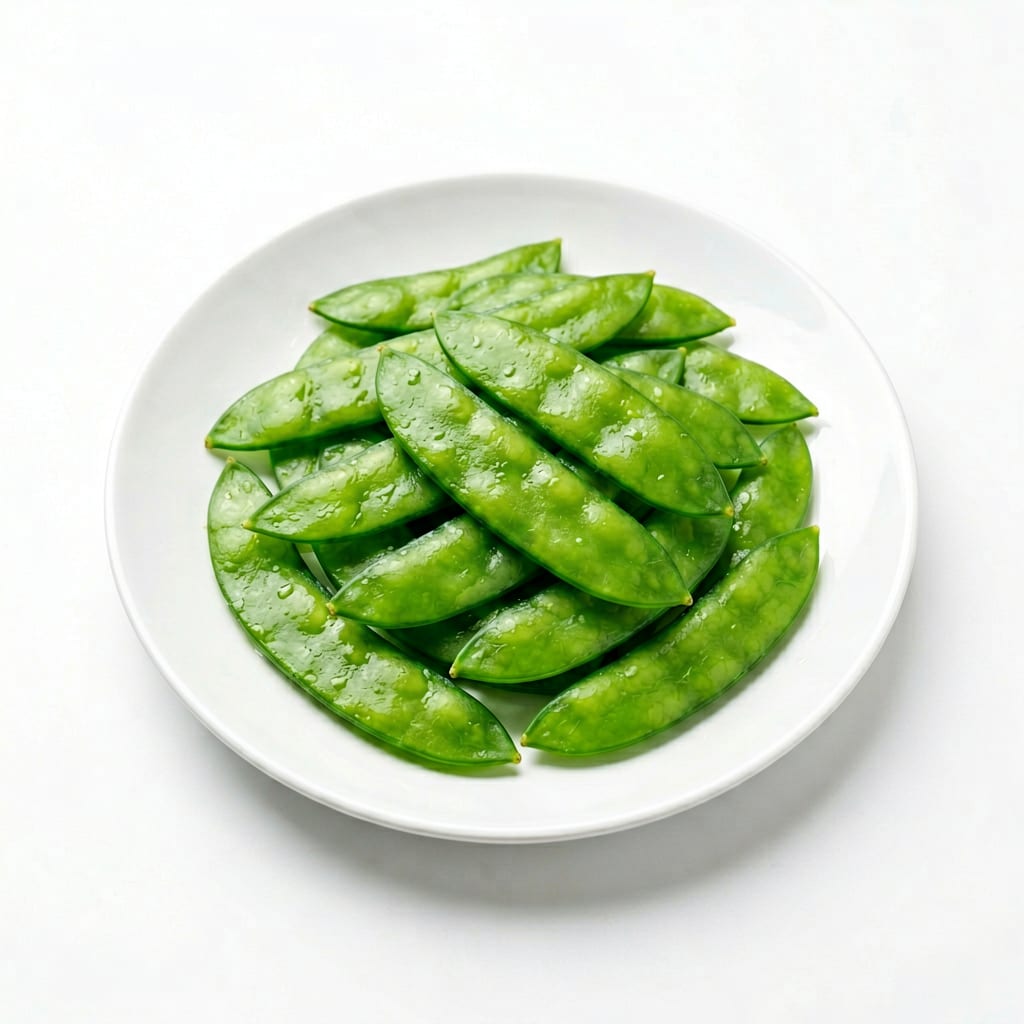
Vegetable
Snow Pea
A flat, edible-pod pea eaten whole, known for its crisp texture and mild sweetness.
Snow peas are a type of edible-pod pea with flat pods and tiny seeds, eaten whole while still unripe. They are crisp, mildly sweet, and commonly used in stir-fries and salads.
high-volume low-calorie vegetable
Typical serving · 98g
Common varieties · Oregon Sugar Pod, Mammoth Melting Sugar, Dwarf Gray Sugar, Carouby de Maussane
Overall context score across nutrition, safety, and diet fit
At a glance
Quick facts
Simple indicators based on nutrition, processing, and diet fit.
The story
What makes it unique
Snow peas are digesting moderately slowly due to their fiber content and cellular structure, providing steady energy release. Their macronutrient profile is dominated by carbohydrates with minimal fat and protein. As a minimally processed whole food, they retain their natural matrix of vitamins, minerals, and phytonutrients.
Varieties: Oregon Sugar Pod · Mammoth Melting Sugar · Dwarf Gray Sugar · Carouby de Maussane
Per 100g
Nutrition breakdown
Macro balance and key metrics at a glance.
Energy
Density 0.42 kcal/g
Protein
Carbs
Fat
Fiber
Sugar
4 g
Sodium
4 mg
Potassium
200 mg
Glycemic index
25
Glycemic load
2
Water content
88%
Standout compounds
Nutrient highlights
Vitamin C
moderateSupports immune function and collagen synthesis
Vitamin K
moderateEssential for blood clotting and bone metabolism
Dietary Fiber
moderatePromotes digestive regularity and gut health
Iron
lowRequired for oxygen transport in the blood
Wellness map
Health scores & processing
NOVA processing scale
minimally_processed · Whole food
Whole, unprocessed edible pod pea typically sold fresh or frozen with no added ingredients.
Diet compatibility
- Weight loss
- Muscle gain
- Diabetes
- Gut health
- Low carb
- High protein
- Heart health
Relative standing
Food rankings
Qualitative ranks compared to similar whole foods.
- Satietygood
- Blood sugarexcellent
- Nutrient densitygood
- Fitness fuelmoderate
- Processing qualityexcellent
Eat with confidence
Food safety profile
Generally very safe. Primary concern is pesticide residue from conventional farming, which can be mitigated by washing or choosing organic.
Evidence confidence 90%
- Pesticidesmoderate
- Antibioticslow
- Heavy metalslow
- Contaminationlow
Watch for
- pesticide residue
- soil bacteria
Safer choices
Organic snow peas
Prep tips
Rinse thoroughly under cold running water and trim the ends, removing the tough string along the pod's edge if present.
Standard produce pesticide monitoring applies; frequently found on conventional produce lists requiring washing.
Deep dive
Health analysis
How this food may fit different goals and preparation choices.
Weight loss
Extremely low energy density allows large portions for minimal calories, promoting fullness without caloric excess.
Blood sugar
Very low glycemic index and load; fiber content prevents blood sugar spikes, making them safe for glucose management.
Fitness & energy
Provides micronutrient support for metabolic functions but lacks the dense carbs or protein needed as a primary workout fuel.
Gut health
Dietary fiber and polyphenols in the pod support healthy gut bacteria and regular digestion.
Processing quality
Whole, unprocessed plant food with maximal nutrient retention when fresh or properly frozen.
Food safety
Low risk overall; washing effectively removes potential pesticide residue and soil microbes.
Common mistakes
Overcooking until mushy, which destroys vitamin C and ruins the signature crisp texture.
Best preparation
Quick stir-fry, light steaming, or eating raw to preserve heat-sensitive vitamins and crunch.
Practical guide
Best use cases
When and how this food fits real eating patterns.
healthy stir-fry base
Adds bulk, crunch, and nutrients to stir-fries without adding significant calories.
low-calorie snacking
Can be eaten raw with hummus or dip as a crunchy, hydrating alternative to chips.
salad topping
Provides fresh texture and a mild, sweet flavor to green salads.
Balance sheet
Pros & cons
Upsides
- Very low in calories and carbohydrates
- High water content promotes hydration and fullness
- Minimal impact on blood sugar levels
- Versatile for raw or cooked applications
- Good source of vitamin C and vitamin K
Trade-offs
- Relatively low in protein and healthy fats
- Can become mushy and lose nutrients if overcooked
- String on the pod requires trimming for best texture
- Conventional crops may carry pesticide residue
Fit check
Who is it for?
Great match
- weight loss diets
- diabetic meal plans
- high-volume eating
- low-carb snacking
Consider alternatives
- strict ketogenic diets
- high-protein diets
- heavy calorie bulking
Side by side
How it compares
Open the full head-to-head analysis for nutrition, safety, and practical tradeoffs.
This food
Snow Pea
VS95% alike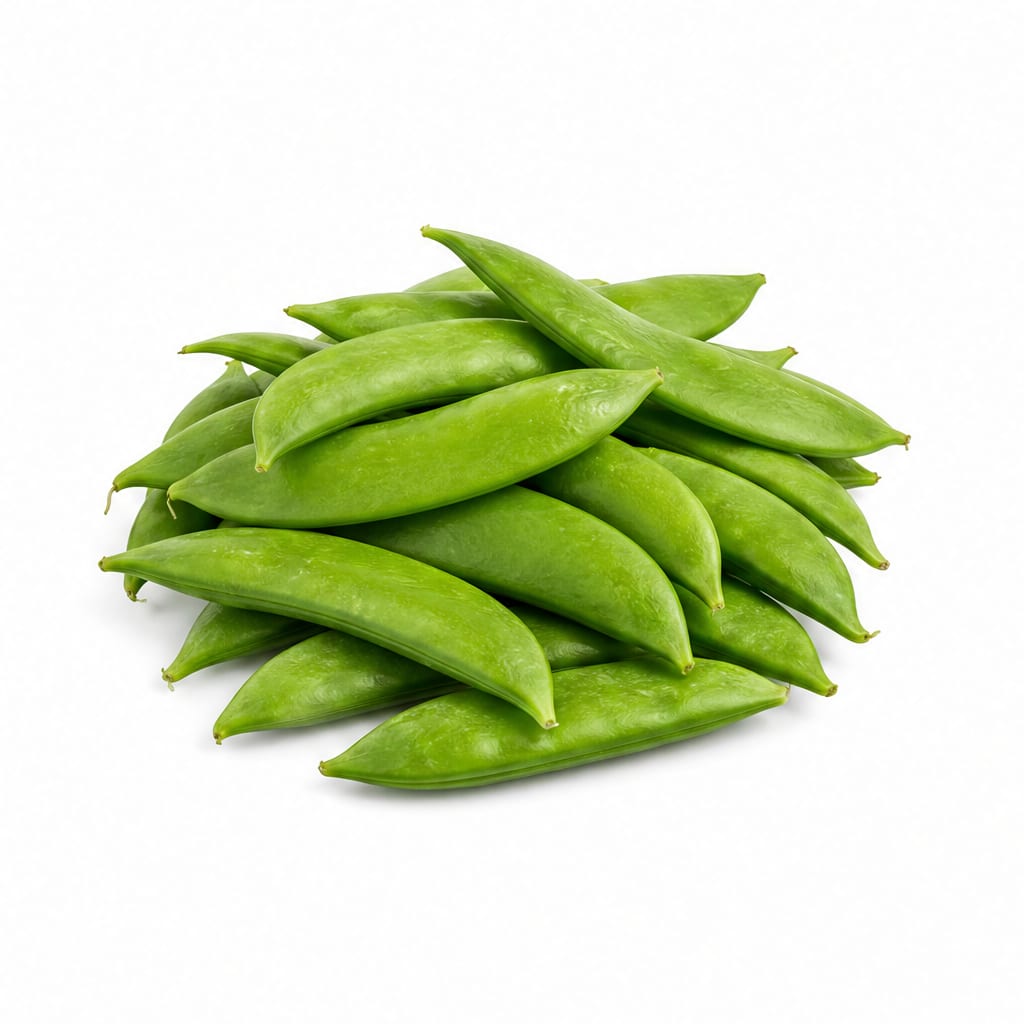
Compare with
Snap Peas
Snap peas are plumper and sweeter, while snow peas are flatter and more delicate.
Snow peas are slightly lower in calories and carbs, while snap peas offer a sweeter crunch and marginally more fiber per serving.
This food
Snow Pea
VS90% alike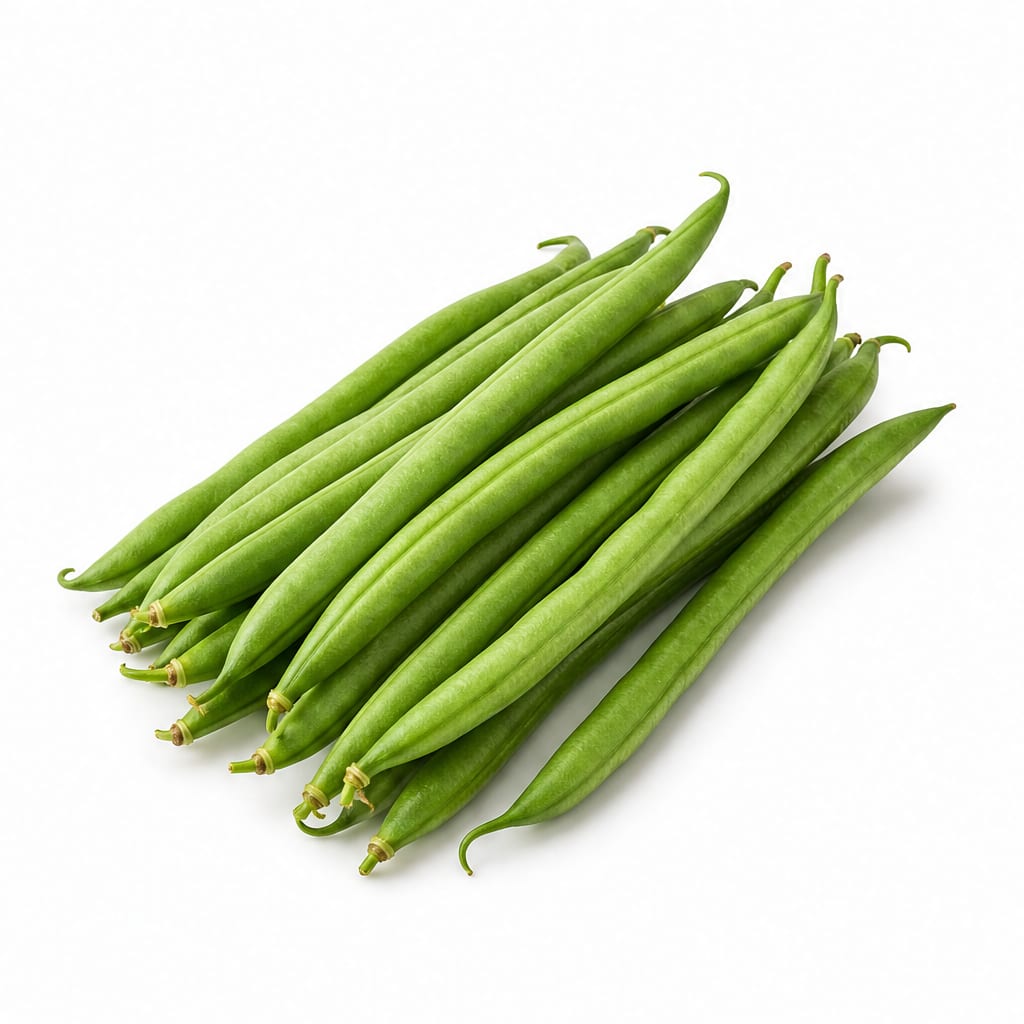
Compare with
Green Beans
Green beans are slightly lower in sugar and carbohydrates compared to snow peas.
Green beans are slightly lower in carbs and sugar, making them marginally better for strict blood sugar control, while snow peas offer a sweeter flavor.
This food
Snow Pea
VS75% alike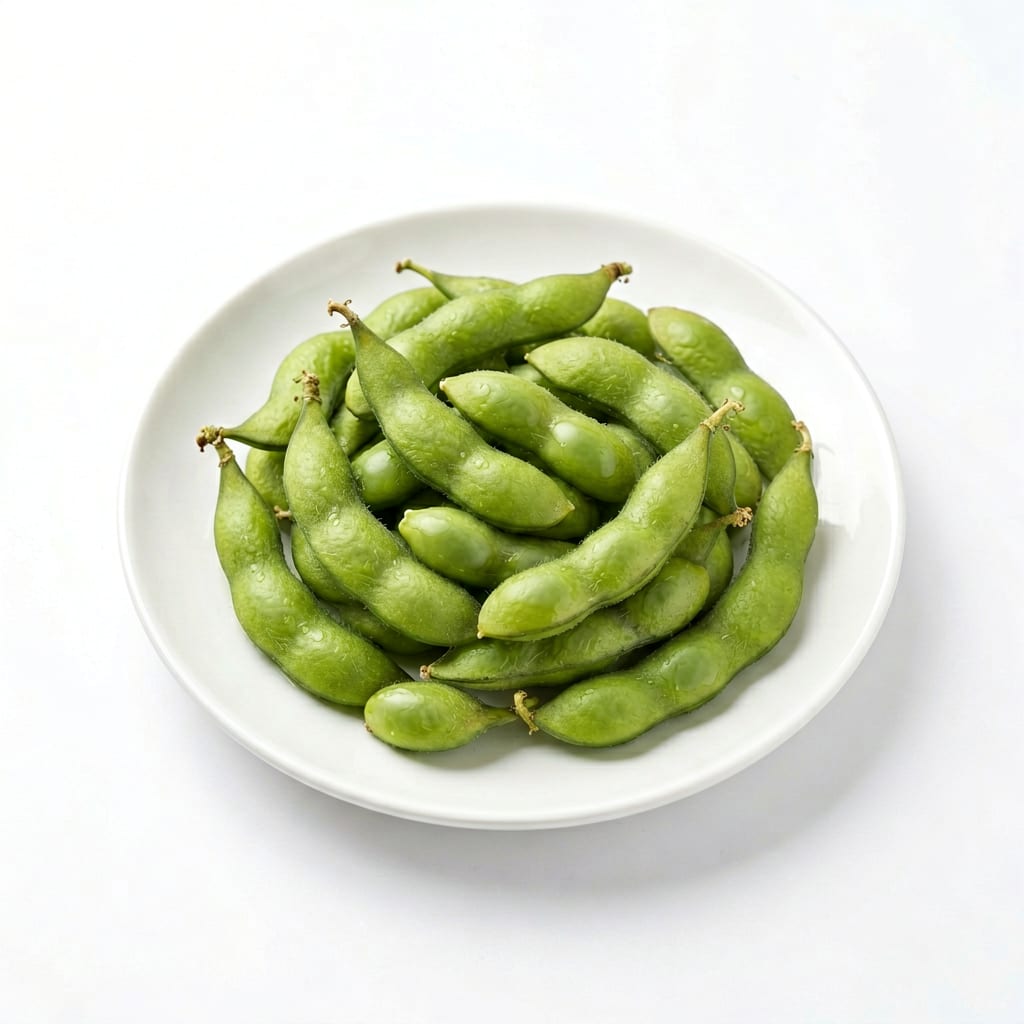
Compare with
Edamame
Edamame is a high-protein shelled soybean, whereas snow peas are a low-calorie pod.
Edamame delivers significantly more protein and healthy fats for muscle recovery, while snow peas are much lower in calories and carbs.
This food
Snow Pea
VS80% alike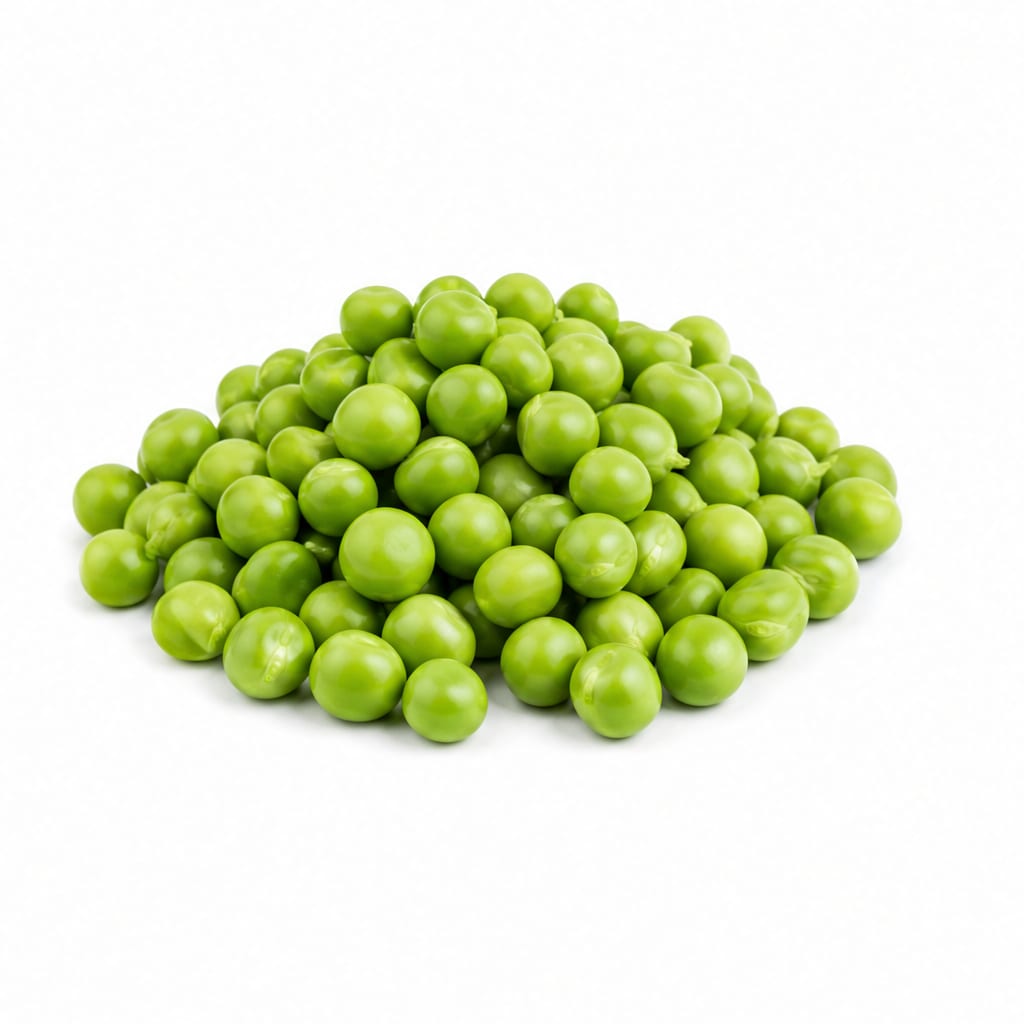
Compare with
Garden Peas
Garden peas are shelled and starchier, while snow peas are eaten whole and lower in calories.
Snow peas are much lower in calories and carbs than garden peas, which are denser, starchier, and higher in protein.
This food
Snow Pea
VS85% alike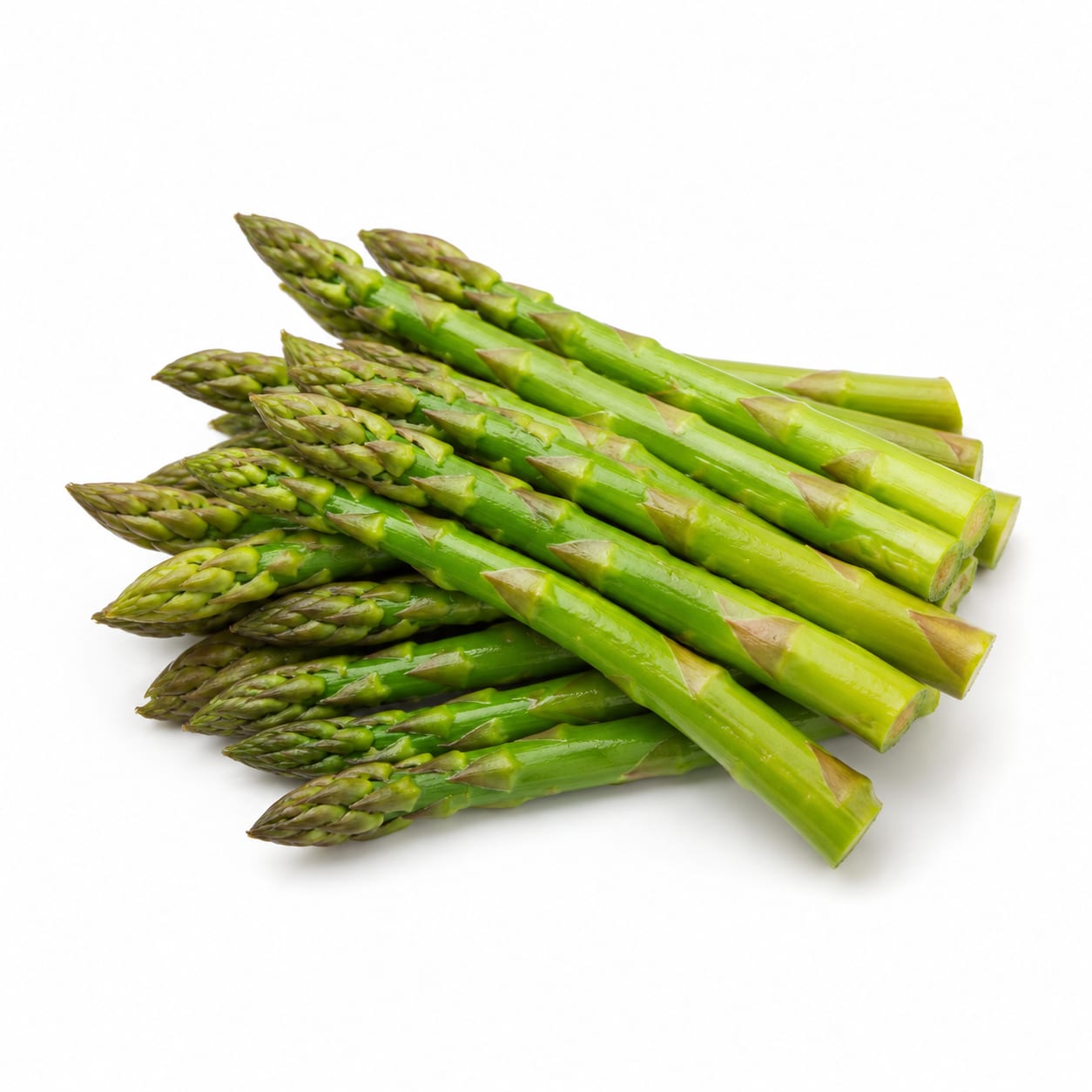
Compare with
Asparagus
Asparagus is richer in folate and has a distinct earthy flavor, while snow peas are sweeter and crisper.
Both are excellent low-calorie choices; asparagus provides more folate, while snow peas offer a sweeter, crunchier bite.
This food
Snow Pea
VS80% alike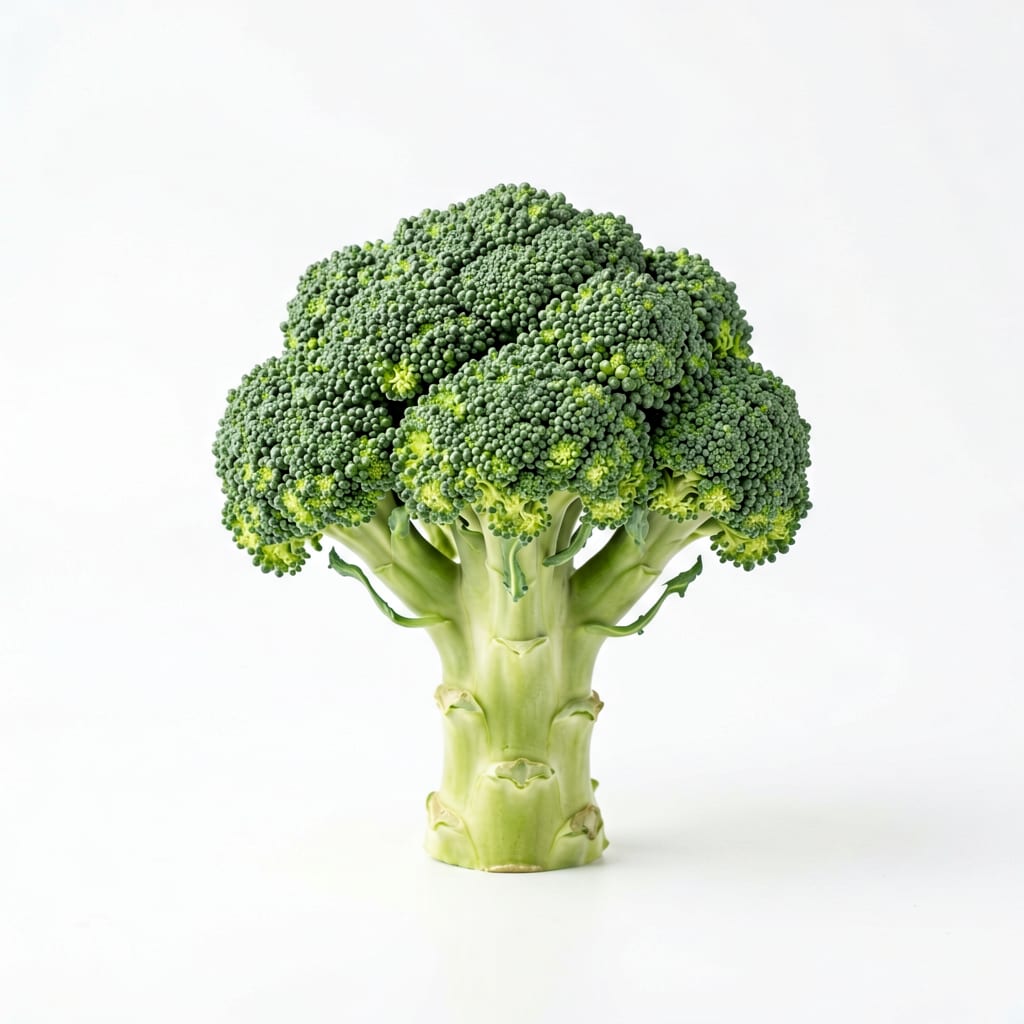
Compare with
Broccoli
Broccoli is denser in vitamins and cancer-fighting compounds, while snow peas are lighter and sweeter.
Broccoli packs more vitamin C and fiber per serving, while snow peas provide a lighter, sweeter crunch for fewer calories.
This food
Snow Pea
VS85% alike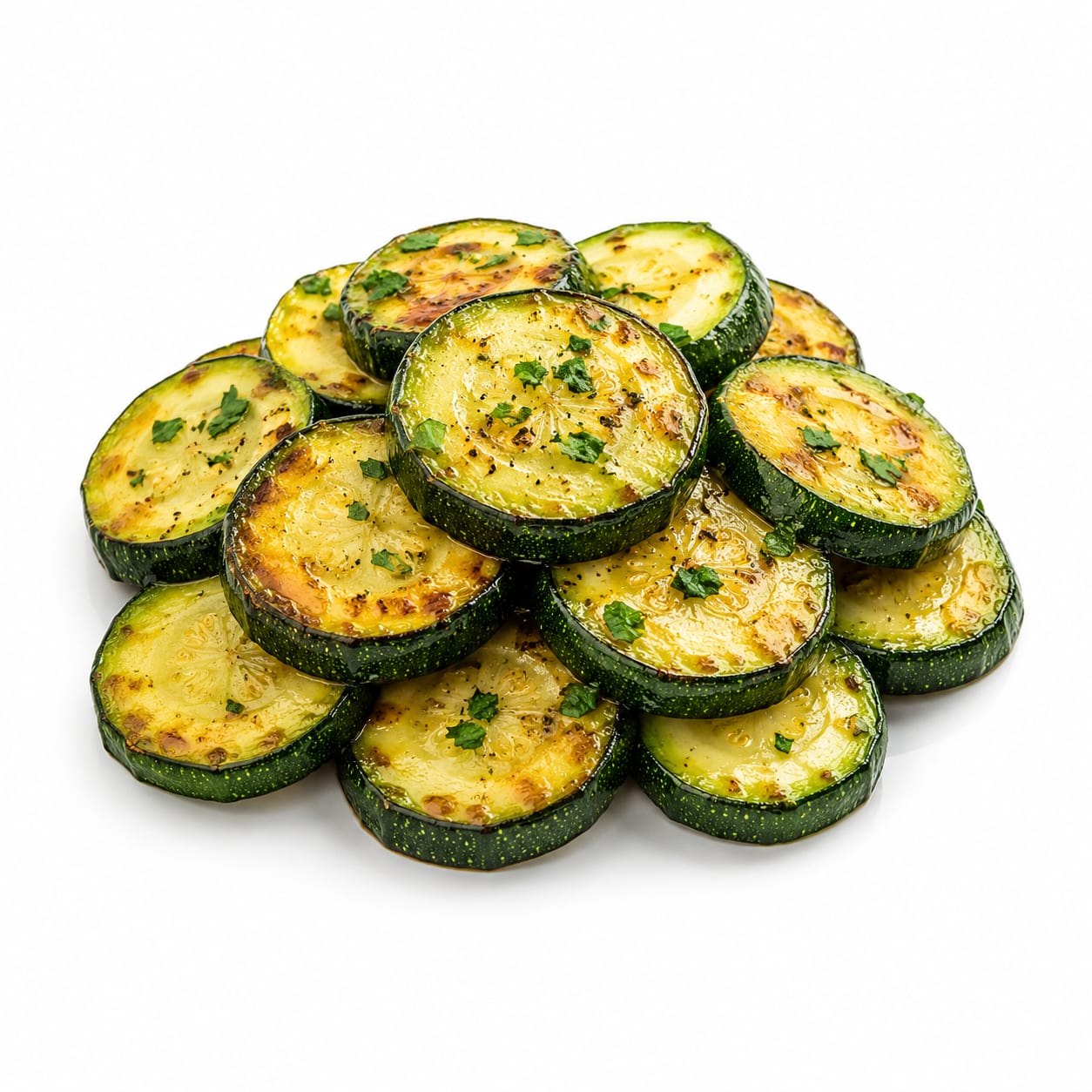
Compare with
Zucchini
Zucchini is even lower in carbs and calories, but snow peas offer more crispness and vitamin C.
Zucchini is slightly lower in carbs and calories, but snow peas provide a superior crunch and more vitamin C.
This food
Snow Pea
VS85% alike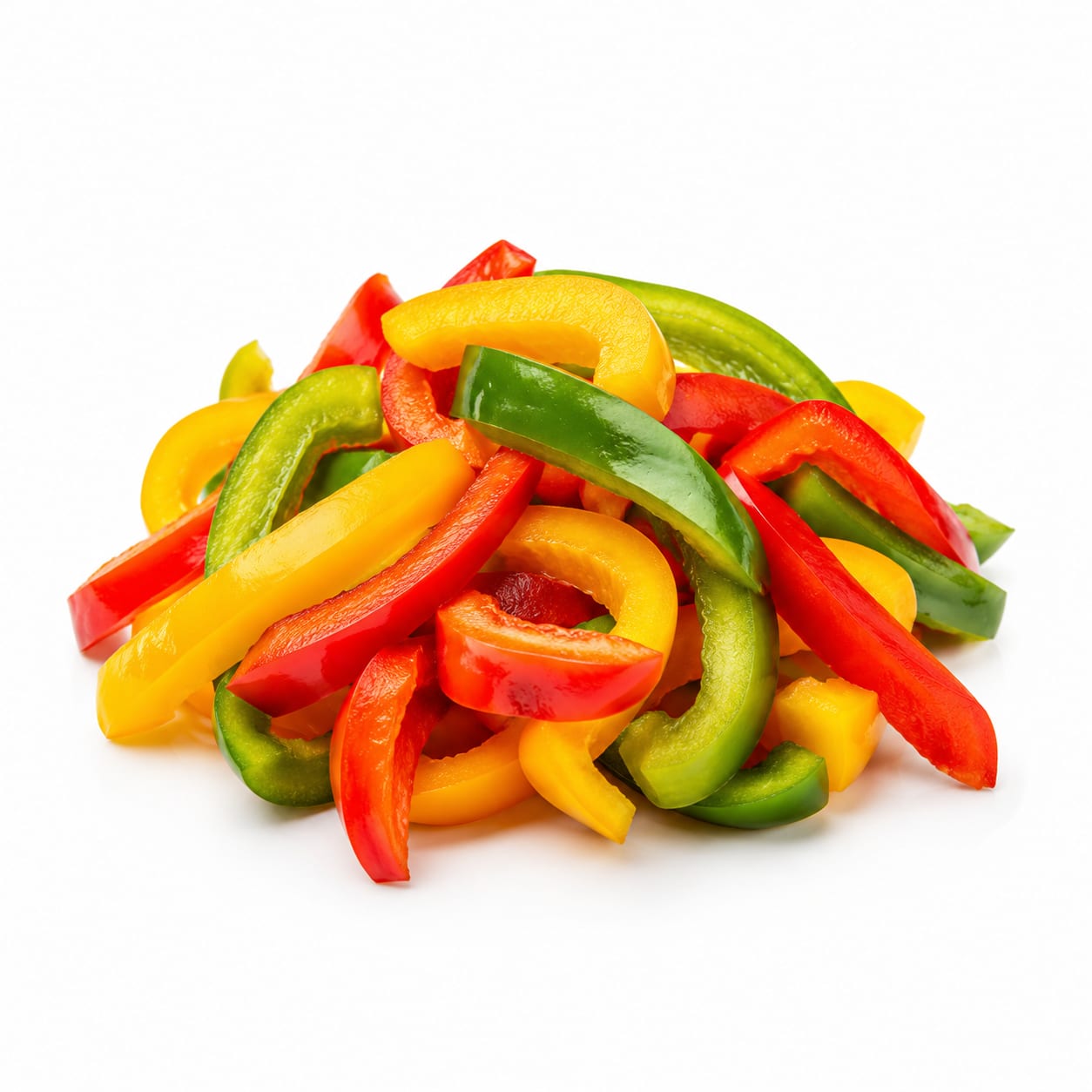
Compare with
Bell Peppers
Bell peppers are much higher in vitamin C and sugar, while snow peas are lower in carbs.
Bell peppers offer a massive vitamin C boost and sweeter taste, while snow peas are lower in sugar and better for strict low-carb diets.
This food
Snow Pea
VS88% alike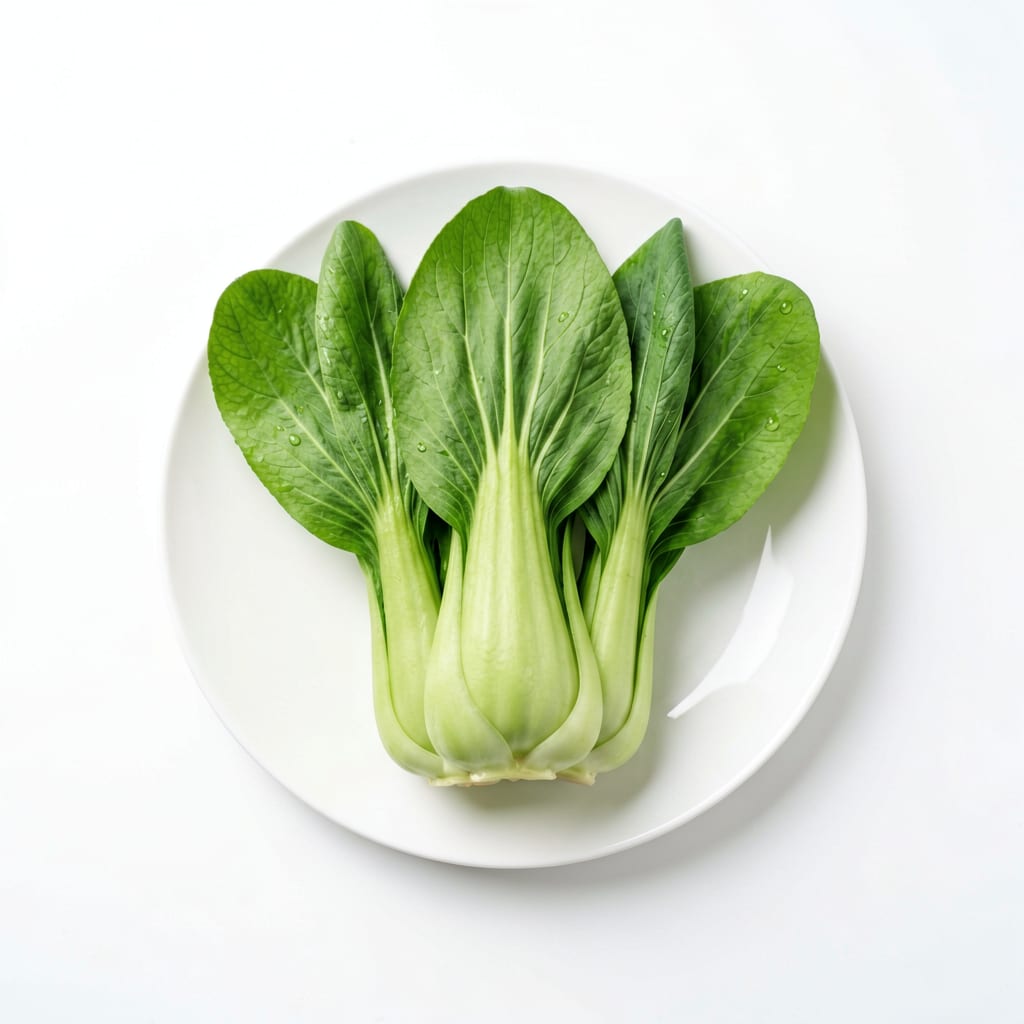
Compare with
Bok Choy
Bok choy is a leafy green with more vitamin A, while snow peas are a crisp pod with more carbs.
Bok choy is lower in calories and carbs with more vitamin A, while snow peas contribute a satisfying crunch and slightly more energy.
This food
Snow Pea
VS82% alike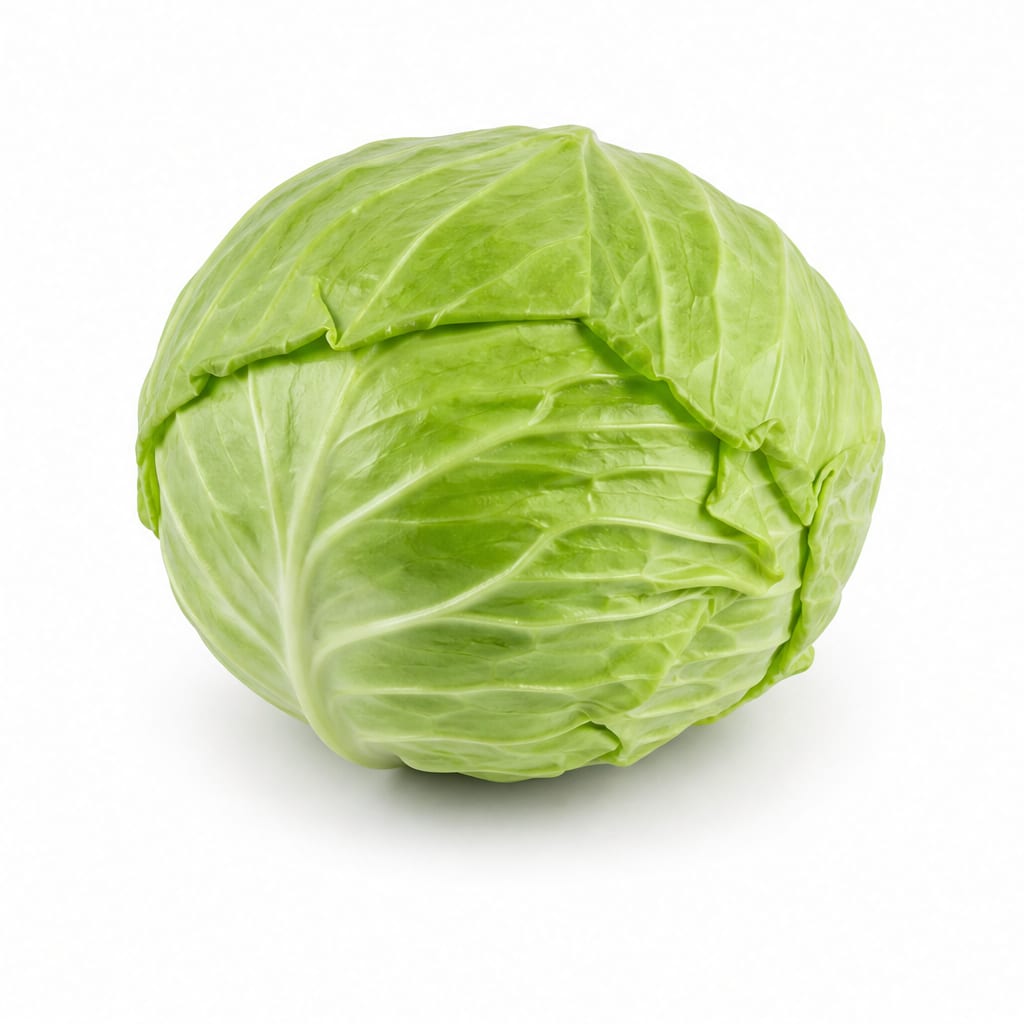
Compare with
Green Cabbage
Cabbage is denser and tougher, requiring longer cooking, while snow peas are tender and quick-cooking.
Cabbage is slightly lower in calories and sugar with more fiber, but snow peas cook faster and offer a sweeter, more delicate flavor.
Common questions
FAQ
Answers aligned with how people search for this food.
Are snow peas good for weight loss?
Yes, they are very low in calories and high in water and fiber, helping you feel full without overeating.
Can diabetics eat snow peas?
Yes, snow peas have a very low glycemic index and load, meaning they will not cause significant blood sugar spikes.
What is the difference between snow peas and snap peas?
Snow peas have flat pods with tiny peas inside, while snap peas have plump pods and are slightly sweeter and crunchier.
Do you eat the whole snow pea?
Yes, the entire pod is edible, though the tough string along the edge is often removed before eating for better texture.
Are snow peas healthier raw or cooked?
Raw snow peas retain more vitamin C, but light cooking like steaming or stir-frying makes certain antioxidants more absorbable while keeping fiber intact.
Are snow peas keto-friendly?
In moderation, yes. They contain about 5 grams of net carbs per 100g, which can fit into a low-carb or lazy keto diet.
How many calories are in a cup of snow peas?
One cup (about 98 grams) of raw snow peas contains roughly 41 calories.
Transparency
Data confidence
Estimated confidence for nutrition data, interpretation, safety notes, and comparisons.
Nutrition data
Health analysis
Food safety
Comparisons