
Nutrition comparison
Snow Peas vs Snap Peas: Which Is Healthier and Better for Snacking?
Compare snow peas and snap peas on fiber, protein, snacking satisfaction, and cooking versatility. Find out which pea is better for weight loss, digestion, and daily use.
Overall winner · Snap Peas
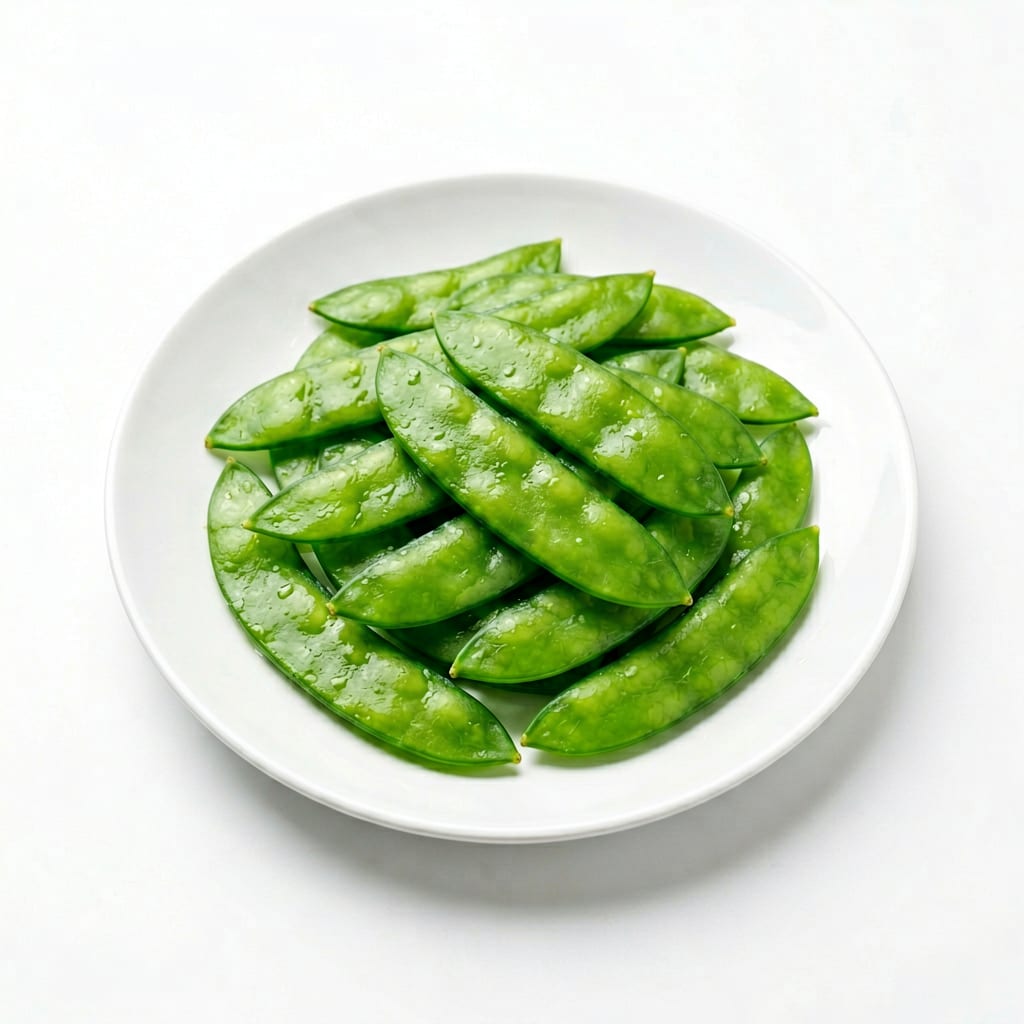
Snow Pea
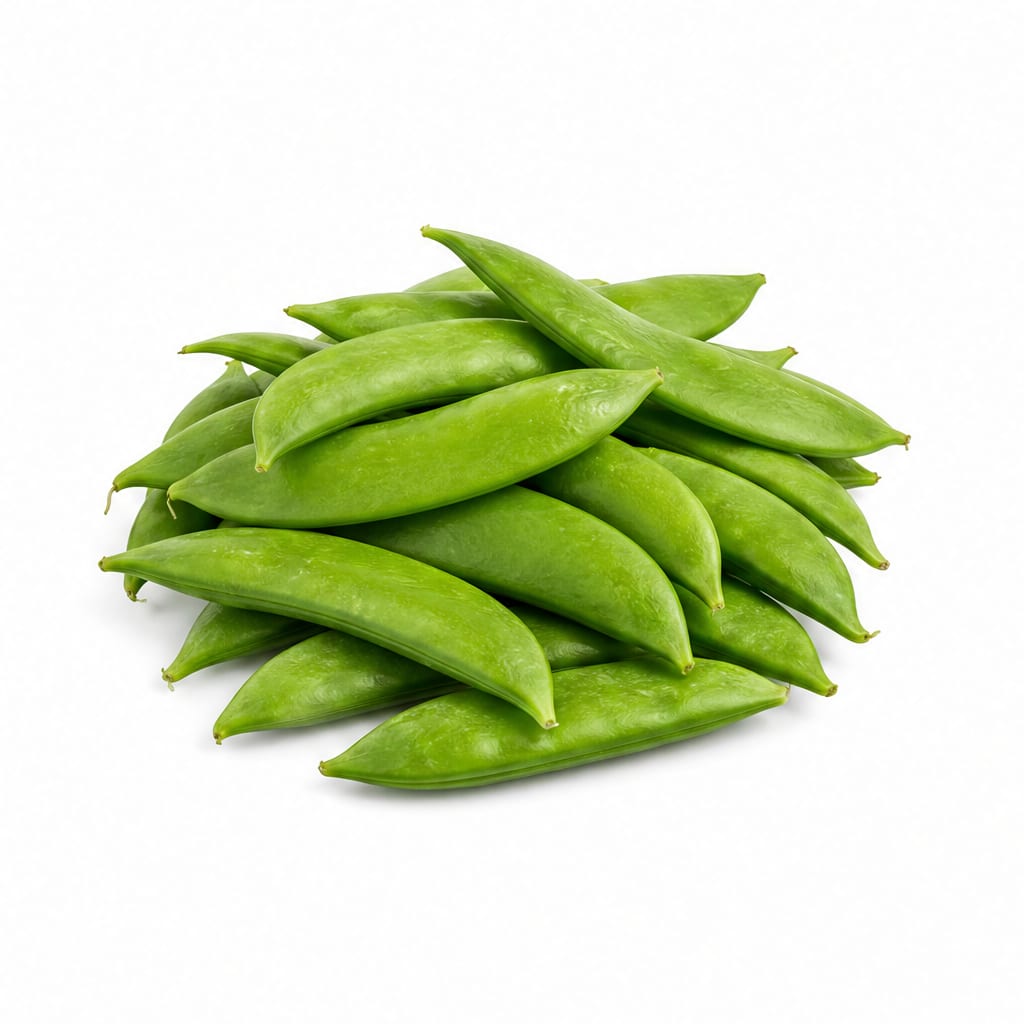
Snap Peas
Snap peas edge ahead with more fiber, protein, and a crunchier texture that makes them a more satisfying snack, though snow peas win for delicate cooking applications.
Snap peas score higher due to superior fiber, protein, and snacking satisfaction, but snow peas remain excellent for cooking and lighter meals. The gap reflects snap peas being more nutritionally substantial, not snow peas being poor.
Snap peas are more filling and nutrient-dense but snow peas are gentler on digestion and better suited for hot dishes where you want tenderness over crunch.
At a glance
Executive summary
Overall
Snap Peas
Healthier
Snap Peas
More practical
It depends
Daily use
Snap Peas
Key comparison lenses
snacking satisfaction and raw eating quality
These are commonly eaten raw or lightly cooked, so crunch and eating experience matter enormously
fiber and fullness comparison
Snap peas have noticeably more fiber from developed peas inside, affecting satiety significantly
cooking versatility and texture retention
Snow peas are preferred in stir-fries while snap peas shine raw, making preparation context critical
nutrient density per calorie
Both are low-calorie vegetables but snap peas pack more nutrition per serving due to mature seeds
digestive tolerance and gut comfort
Snap peas have more fiber which can cause bloating in sensitive individuals, while snow peas are gentler
Best choice for
Snow Pea
- Stir-fry and hot dish enthusiasts
- People with sensitive digestion or IBS
- Anyone wanting a lighter, less filling side vegetable
- Home cooks prioritizing tender texture in cooked dishes
Snap Peas
- Raw snackers and crudité platter builders
- People tracking fiber intake
- Anyone wanting more protein from vegetables
- Meal preppers wanting a crunch that holds up in lunchboxes
Least suitable for
Snow Pea
- People seeking high-fiber snacks to stay full
- Those wanting substantial raw vegetable crunch
- Anyone looking to maximize protein from plant sources
Snap Peas
- People with severe fiber sensitivity or bloating
- Dishes requiring delicate, flat pod texture
- Anyone wanting the lightest possible vegetable addition to meals
Deep comparison
Dimension by dimension
Each lens scores both foods and breaks down who each option suits.
- Dimension 1 · Priority 92Snap Peas
fiber and fullness
Snow Pea · 58Snap Peas · 82Snap peas deliver roughly double the fiber thanks to their plump, mature seeds inside the pod.
Tradeoff
More fiber means better fullness but can trigger bloating in sensitive people.
Why it matters
Fiber is the difference between a snack that holds you for an hour versus one that leaves you hungry again in twenty minutes.
Real-world impact
A handful of snap peas with hummus feels like a real snack. Snow peas feel more like a garnish.
Snow Pea
- Light eaters who get full easily
- People managing fiber-related bloating
Better for
- Those relying on vegetables for satiety
Worse for
Snap Peas
- Anyone trying to stay full between meals
- People tracking daily fiber goals
Better for
- People with IBS or fiber sensitivity
Worse for
- Dimension 2 · Priority 90Snap Peas
raw snacking experience
Snow Pea · 62Snap Peas · 88Snap peas are crunchier, sweeter, and more satisfying to eat raw, making them the go-to for snacking and dips.
Tradeoff
Snow peas are edible raw but their flatter, softer pods feel less substantial and satisfying.
Why it matters
If a vegetable is pleasant to eat raw, you will actually reach for it instead of chips.
Real-world impact
Snap peas disappear from the veggie tray first. Snow peas often get left behind or cooked instead.
Snow Pea
- Anyone who prefers softer, more delicate textures
Better for
- Raw snackers wanting satisfying crunch
Worse for
Snap Peas
- Kids who need crunch to enjoy vegetables
- Office snackers wanting something crisp and refreshing
- Dip lovers wanting a sturdy vehicle for hummus or ranch
Better for
- People who find very crunchy raw vegetables tiresome to chew
Worse for
- Dimension 3 · Priority 85Snow Pea
cooking versatility
Snow Pea · 86Snap Peas · 72Snow peas are the stir-fry champion, cooking quickly into tender-crisp perfection without getting tough or wrinkled.
Tradeoff
Snap peas can toughen or wrinkle when cooked and their thicker pods sometimes cook unevenly.
Why it matters
The wrong pea in a hot wok either disappears into mush or stays stubbornly crunchy in the wrong way.
Real-world impact
Snow peas in a stir-fry look elegant and taste tender. Snap peas can look wrinkled and feel inconsistently cooked.
Snow Pea
- Stir-fry cooks wanting quick, even cooking
- Anyone making Asian-inspired dishes at home
- People who want vegetables that cook in under two minutes
Better for
- Recipes where you want the pea seeds to be a visible, plump element
Worse for
Snap Peas
- Quick-blanching recipes where crunch is desired
- Salads where a light steam is the only cooking
Better for
- High-heat stir-frying
- Dishes requiring delicate, flat visual presentation
Worse for
- Dimension 4 · Priority 75Snap Peas
protein content
Snow Pea · 52Snap Peas · 70Snap peas contain noticeably more protein per serving because the developed peas inside contribute concentrated protein.
Tradeoff
Neither is a protein powerhouse, but snap peas offer a modest edge that adds up in plant-forward diets.
Why it matters
For vegetarians and vegans, every gram of protein from whole vegetables matters across the day.
Real-world impact
A cup of snap peas gives you roughly 2 more grams of protein than snow peas, which is small but not nothing over a full day of eating.
Snow Pea
- Meals where protein comes primarily from other sources
Better for
- Vegans relying on vegetables for protein contribution
Worse for
Snap Peas
- Plant-based eaters maximizing protein from all sources
- Athletes wanting every gram to count
Better for
- Anyone expecting significant protein from a single vegetable serving
Worse for
- Dimension 5 · Priority 78Snap Peas
vitamin and mineral density
Snow Pea · 68Snap Peas · 80Snap peas offer more vitamin C, vitamin K, and iron per serving due to the mature seeds inside the pod.
Tradeoff
Both are excellent sources of micronutrients, so the difference is meaningful but not dramatic.
Why it matters
Vitamin C from snap peas supports immune function and iron absorption, making them a smart daily choice.
Real-world impact
Eating snap peas regularly gives you a slightly better vitamin insurance policy, especially for vitamin C and K.
Snow Pea
- Anyone already eating a varied, nutrient-rich diet
Better for
- Those counting on peas as a significant vitamin source
Worse for
Snap Peas
- People relying on fewer food sources for micronutrients
- Anyone wanting to maximize vitamin C from vegetables
Better for
- People taking multivitamins who may not notice the difference
Worse for
- Dimension 6 · Priority 72Snow Pea
digestive comfort
Snow Pea · 82Snap Peas · 64Snow peas are gentler on the digestive system with less fiber and smaller pea seeds to break down.
Tradeoff
Easier digestion comes at the cost of less fiber benefit, which most people actually need more of.
Why it matters
For people with IBS, SIBO, or general bloating tendencies, the wrong vegetable can mean hours of discomfort.
Real-world impact
After a bowl of snow peas, your stomach feels light. After a bowl of snap peas, you may feel pleasantly full or slightly puffy depending on your gut.
Snow Pea
- People with IBS or sensitive digestion
- Anyone recovering from gastrointestinal illness
- Those new to eating vegetables who need a gentler entry point
Better for
- People specifically trying to increase fiber intake
Worse for
Snap Peas
- People with robust digestion who benefit from more fiber
- Anyone trying to improve gut microbiome diversity
Better for
- Anyone prone to bloating or gas from legumes
Worse for
- Dimension 7 · Priority 68Snow Pea
calorie efficiency
Snow Pea · 80Snap Peas · 74Snow peas are slightly lower in calories per cup, making them the marginally better choice for volume eating.
Tradeoff
The calorie difference is small and snap peas offer more nutrition per calorie, making them arguably more efficient overall.
Why it matters
If you eat large volumes of vegetables to feel full, even small calorie differences per cup add up.
Real-world impact
Three cups of snow peas save you roughly 15-20 calories versus snap peas, which is negligible unless you are in a strict deficit.
Snow Pea
- Strict calorie counters eating large vegetable volumes
- Anyone in an aggressive cutting phase
Better for
- Those who would benefit more from the extra nutrition than the saved calories
Worse for
Snap Peas
- People who prioritize nutrient density over calorie minimization
- Anyone not in a severe calorie deficit
Better for
- Extremely calorie-restricted dieters counting every single calorie
Worse for
Timeline
Health impact over time
Short-term
Hours to days
Snow Pea
- Light, comfortable fullness without bloating
- Quick energy from easily digestible carbohydrates
- Minimal digestive discomfort even in sensitive individuals
Snap Peas
- More sustained fullness from higher fiber content
- Steadier blood sugar response due to fiber slowing absorption
- Possible mild bloating or gas if you eat a large portion quickly
Long-term
Months to years
Snow Pea
- Consistent gentle fiber intake supporting regular digestion
- Low calorie load helps maintain healthy weight when eaten regularly
- Antioxidant support from vitamin C and carotenoids
Snap Peas
- Superior fiber intake supporting gut microbiome diversity over time
- Better long-term blood sugar regulation from consistent high-fiber intake
- Stronger immune support from higher vitamin C content with regular consumption
Risk profile
Safety & processing
Both snow peas and snap peas are whole, unprocessed vegetables sold fresh in their natural state. Neither typically contains additives, preservatives, or artificial ingredients. Choose organic if pesticide residue concerns you, as both can appear on seasonal watch lists.
Snow Pea
Pesticide residue on outer pod
mediumSnow peas are often consumed whole with the pod, so any pesticide residue on the surface is eaten directly. Washing helps but does not eliminate all residue.
Snap Peas
Pesticide residue on outer pod
mediumLike snow peas, snap peas are eaten pod and all, meaning surface pesticides are consumed. The thicker pod may retain slightly more residue.
String removal choking hazard
lowSnap peas have a string along the seam that should be removed, especially for children. Unremoved strings can be a mild choking or gagging risk.
Who wins for whom
Audience fit
Same foods, different winners depending on your goal.
children
Snap PeasKids love the sweet crunch of snap peas raw, making them an easy sell as a snack vegetable. Just remove the strings first.
daily consumption
Snap PeasSnap peas offer more nutritional value per serving and work well both raw and lightly cooked, making them the more versatile daily choice for most people.
diabetes
Snap PeasHigher fiber content in snap peas slows glucose absorption more effectively, leading to steadier blood sugar responses after eating.
elderly
Snow PeaSnow peas are gentler on digestion and easier to chew when lightly cooked, making them more suitable for aging digestive systems and dental concerns.
muscle gain
Snap PeasNeither is a significant protein source, but snap peas offer slightly more protein per calorie, marginally better for supporting muscle maintenance in plant-based diets.
weight loss
Snap PeasSnap peas provide more fiber and protein per serving, keeping you fuller longer and reducing the urge to snack on higher-calorie foods.
Your move
Decision guide
Choose Snow Pea
- You cook stir-fries or Asian dishes regularly and want tender-crisp texture
- You have a sensitive stomach or IBS and need gentler fiber
- You prefer lighter, less filling vegetable sides with meals
- You want the most delicate visual presentation in cooked dishes
Choose Snap Peas
- You snack on raw vegetables and want something satisfying and crunchy
- You are trying to increase your daily fiber intake
- You pack lunchboxes and want a vegetable that holds its texture for hours
- You want more protein and vitamins from your vegetable choices
Either works if
- You are adding peas to a salad where both work fine
- You are making a vegetable platter and want visual variety
- You are simply trying to eat more vegetables overall and both are available
- You rotate between raw snacking and cooked dishes throughout the week
Avoid both if
- You have a severe legume allergy, as peas are legumes
- You are on a very low-fiber diet prescribed by a doctor for acute digestive conditions
- You have FODMAP sensitivity and are in the elimination phase, as both contain moderate FODMAPs
Final recommendation
Keep both in your kitchen if possible. Use snap peas for raw snacking, lunchboxes, and salads. Use snow peas for stir-fries, quick sautés, and dishes where tenderness matters. If you must choose one, snap peas give you more nutrition and versatility overall, but snow peas deserve a permanent spot in any cook's vegetable drawer.
Practical
Consumer tips
- 1
Buy snap peas that feel plump and firm with no soft spots or wrinkling, which indicates age
- 2
Choose snow peas with flat, smooth pods that snap cleanly when bent, avoiding any that feel limp
- 3
Store both in a perforated bag in the crisper drawer and use within 4-5 days for best texture
- 4
Remove the string from snap peas before eating by snapping the stem end and pulling downward
- 5
Wash both thoroughly right before eating, not before storing, as excess moisture speeds spoilage
- 6
Organic matters more for both than many vegetables since you eat the entire pod surface
- 7
Blanch snap peas for 60 seconds before adding to salads for brighter color and sweeter flavor
- 8
Add snow peas to stir-fries in the last 90 seconds of cooking to preserve their crunch and bright color