
Nutrition comparison
Snow Peas vs Green Beans: Nutrition, Fiber, and Best Uses
Compare Snow Peas vs Green Beans to see which is better for weight loss, blood sugar, and cooking. Learn the nutritional differences and best uses for each.
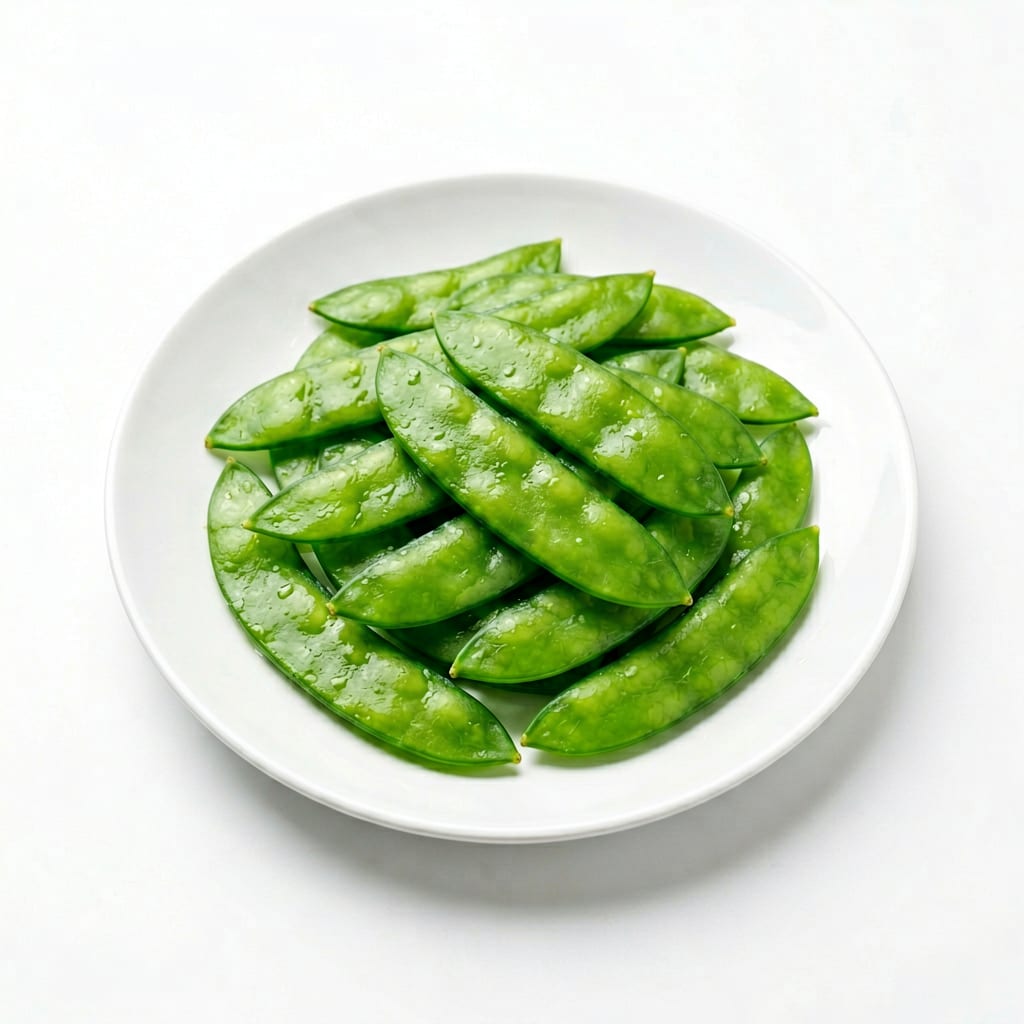
Snow Pea
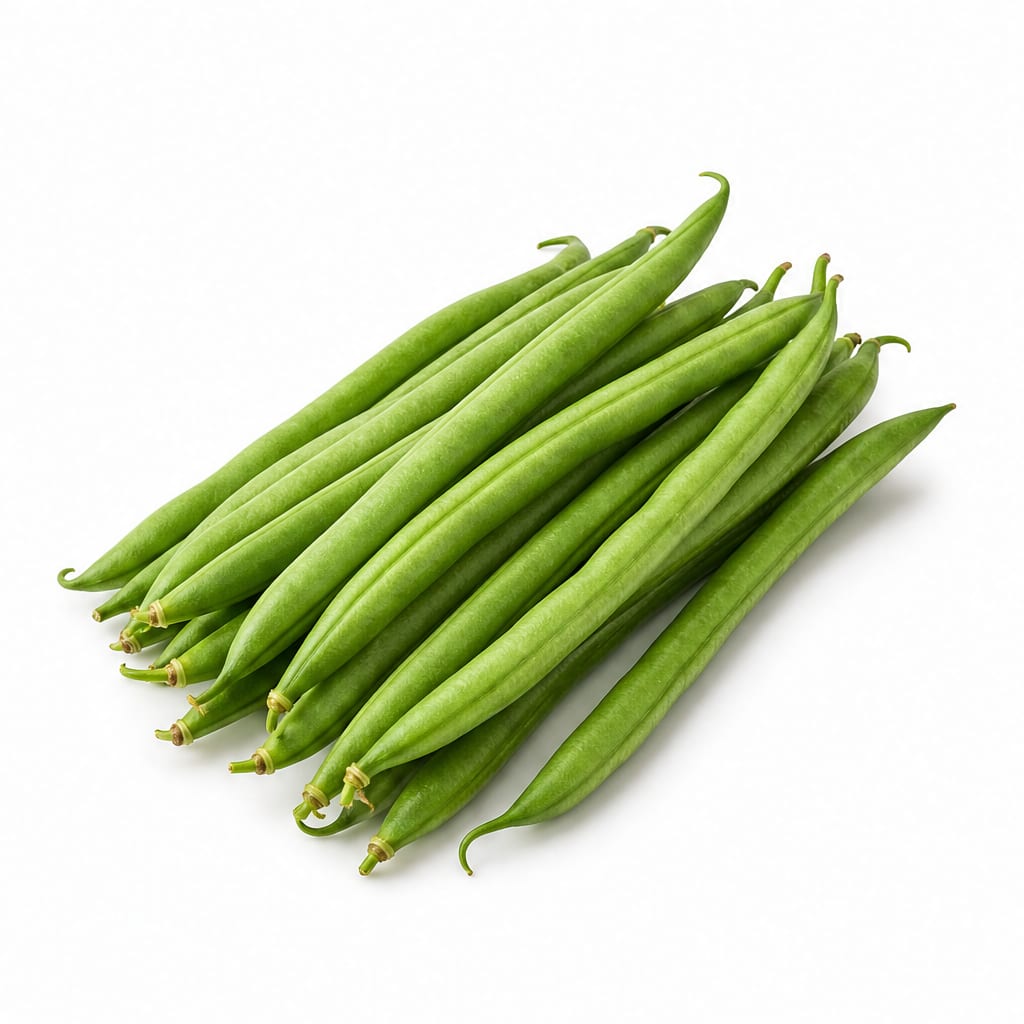
Green Beans
Snow Peas offer a sweeter crunch and more Vitamin C, while Green Beans provide more fiber and fewer calories for steadier energy.
Green Beans score slightly higher due to a better fiber-to-carbohydrate ratio and lower sugar content, making them more versatile for daily metabolic health, though Snow Peas remain an excellent nutrient-dense choice.
Sweetness and raw snackability versus lower sugar and higher fiber for satiety.
At a glance
Executive summary
Overall
It depends
Healthier
It depends
More practical
Green Beans
Daily use
Green Beans
Key comparison lenses
Blood sugar impact and carbohydrate quality
Snow Peas are noticeably sweeter and higher in sugar, while Green Beans offer a better fiber-to-carb ratio for glucose stability.
Culinary use and snackability
Snow Peas are excellent raw or in stir-fries, whereas Green Beans are typically cooked, changing how they fit into daily meals.
Vitamin density and immune support
Snow Peas provide significantly more Vitamin C, making them a stronger choice for immune support and skin health.
Best choice for
Snow Pea
- Raw snacking and dipping
- Stir-fries and Asian cuisine
- Boosting Vitamin C intake
Green Beans
- Daily cooked side dishes
- Blood sugar management
- Low-calorie volume eating
Least suitable for
Snow Pea
- Strict low-sugar diets
- Those needing high fiber from vegetables
Green Beans
- Raw vegetable platters
- Satisfying sweet cravings healthily
Deep comparison
Dimension by dimension
Each lens scores both foods and breaks down who each option suits.
- Dimension 1 · Priority 92Green Beans
Blood Sugar & Fiber
Snow Pea · 75Green Beans · 88Green Beans have less sugar and more fiber per serving, making them much more stabilizing for blood sugar.
Tradeoff
You lose the sweet flavor of Snow Peas but gain steadier energy and better digestive regularity.
Why it matters
Fiber slows sugar absorption, preventing the energy spikes and crashes that drive afternoon fatigue.
Real-world impact
Eating Green Beans with dinner keeps you satisfied without the subtle blood sugar rise that Snow Peas might cause.
Snow Pea
- Quick pre-workout energy
Better for
- Insulin resistance
- Keto diets
Worse for
Green Beans
- Diabetes management
- Sustained energy
- Gut health
Better for
- Need for fast carbohydrate fuel
Worse for
- Dimension 2 · Priority 80Snow Pea
Vitamin & Antioxidant Density
Snow Pea · 88Green Beans · 80Snow Peas pack significantly more Vitamin C and iron, supporting immune function and oxygen transport.
Tradeoff
You get a stronger antioxidant boost from Snow Peas, but slightly less Vitamin K than Green Beans.
Why it matters
Vitamin C is crucial for skin repair and immunity, and since it degrades with heat, raw Snow Peas deliver it efficiently.
Real-world impact
Snacking on Snow Peas can help you hit your Vitamin C targets more easily than relying on cooked Green Beans.
Snow Pea
- Immune support
- Skin health
- Iron absorption
Better for
- Severe Vitamin K deficiency
Worse for
Green Beans
- Bone health
- Blood clotting
Better for
- Recovering from illness
Worse for
- Dimension 3 · Priority 85It depends
Snackability & Culinary Versatility
Snow Pea · 86Green Beans · 84Snow Peas shine raw or in quick stir-fries, while Green Beans excel roasted, steamed, or in casseroles.
Tradeoff
Choose Snow Peas for cold crunch and Asian dishes, Green Beans for hearty Western sides.
Why it matters
A vegetable you actually enjoy eating daily is better than a theoretically perfect one you avoid.
Real-world impact
Snow Peas are perfect for busy lunches with hummus, while Green Beans are ideal for a warm, comforting dinner side.
Snow Pea
- Quick cold snacks
- Stir-fries
- Lunchboxes
Better for
- Long roasting recipes
Worse for
Green Beans
- Roasted vegetable medleys
- Casseroles
- Thanksgiving sides
Better for
- Raw dipping
Worse for
- Dimension 4 · Priority 78Green Beans
Satiety & Caloric Efficiency
Snow Pea · 76Green Beans · 86Green Beans offer more fiber and fewer calories per cup, keeping you full longer on less energy.
Tradeoff
Snow Peas are more moreish due to their sweetness, which might lead to eating larger portions.
Why it matters
Higher fiber density physically fills the stomach and triggers satiety hormones more effectively.
Real-world impact
A large bowl of steamed Green Beans feels like a substantial side without adding significant calories to your meal.
Snow Pea
- Light snacking
Better for
- Mindless overeating
Worse for
Green Beans
- Weight loss
- Volume eating
- Controlling portions
Better for
- High-calorie bulking
Worse for
Timeline
Health impact over time
Short-term
Hours to days
Snow Pea
- Quick, light energy from natural sugars
- Hydrating crunch that satisfies snack cravings
Green Beans
- Steady digestion without bloating
- Comforting fullness from fiber
Long-term
Months to years
Snow Pea
- Stronger immunity from consistent Vitamin C intake
- Better iron status for energy levels
Green Beans
- Improved gut regularity from high fiber
- Stable blood sugar control reducing metabolic risk
Risk profile
Safety & processing
Both Snow Peas and Green Beans are whole, natural vegetables typically sold fresh or frozen without additives.
Snow Pea
Pesticide residue
mediumSnow Peas are often grown with pesticides and the entire pod is eaten, making washing or choosing organic important.
Green Beans
Pesticide residue
mediumGreen Beans frequently appear on the Environmental Working Group's Dirty Dozen list due to pesticide residues; washing thoroughly or buying organic is advised.
Who wins for whom
Audience fit
Same foods, different winners depending on your goal.
children
Snow PeaThe sweet taste and fun crunch of Snow Peas make them much more appealing to kids as a raw snack.
daily consumption
Green BeansGreen Beans integrate more seamlessly into warm daily dinners and offer better metabolic consistency.
diabetes
Green BeansGreen Beans have a lower sugar content and higher fiber ratio, preventing glucose spikes.
elderly
Green BeansCooked Green Beans are easier to chew and their high fiber supports common digestive slowdowns in older adults.
muscle gain
Snow PeaSnow Peas contain slightly more protein per serving, though neither is a primary muscle-building food.
weight loss
Green BeansGreen Beans provide more stomach-filling fiber for fewer calories, making it easier to stay in a deficit.
Your move
Decision guide
Choose Snow Pea
- You want a sweet, crunchy raw snack to replace chips
- You are making a stir-fry or Asian-inspired dish
- You need a natural Vitamin C boost
Choose Green Beans
- You want a low-calorie, high-fiber side for dinner
- You are managing blood sugar or trying to lose weight
- You prefer cooked vegetables over raw
Either works if
- You just need a nutritious green vegetable to fill your plate
- You want to increase your daily fiber intake
Avoid both if
- You have a severe legume allergy
Final recommendation
Keep both in your rotation: Snow Peas for raw lunch snacking and Vitamin C, Green Beans for filling, low-calorie dinner sides. If you must pick one for overall metabolic health, Green Beans edge out the win due to their superior fiber and lower sugar.
Practical
Consumer tips
- 1
Buy organic for both to avoid high pesticide residues, especially for Green Beans.
- 2
Do not overcook Snow Peas; they should retain a bright color and crisp snap.
- 3
Roast Green Beans with a little olive oil and garlic at 400°F for 15 minutes for an incredibly flavorful, easy side.
- 4
Wash both thoroughly under running water, even if you plan to cook them.