
Nutrition comparison
Snow Peas vs Edamame: Which is Better for Protein and Weight Loss?
Compare snow peas and edamame for nutrition, protein, weight loss, and snacking. Find out which healthy legume fits your diet goals best.
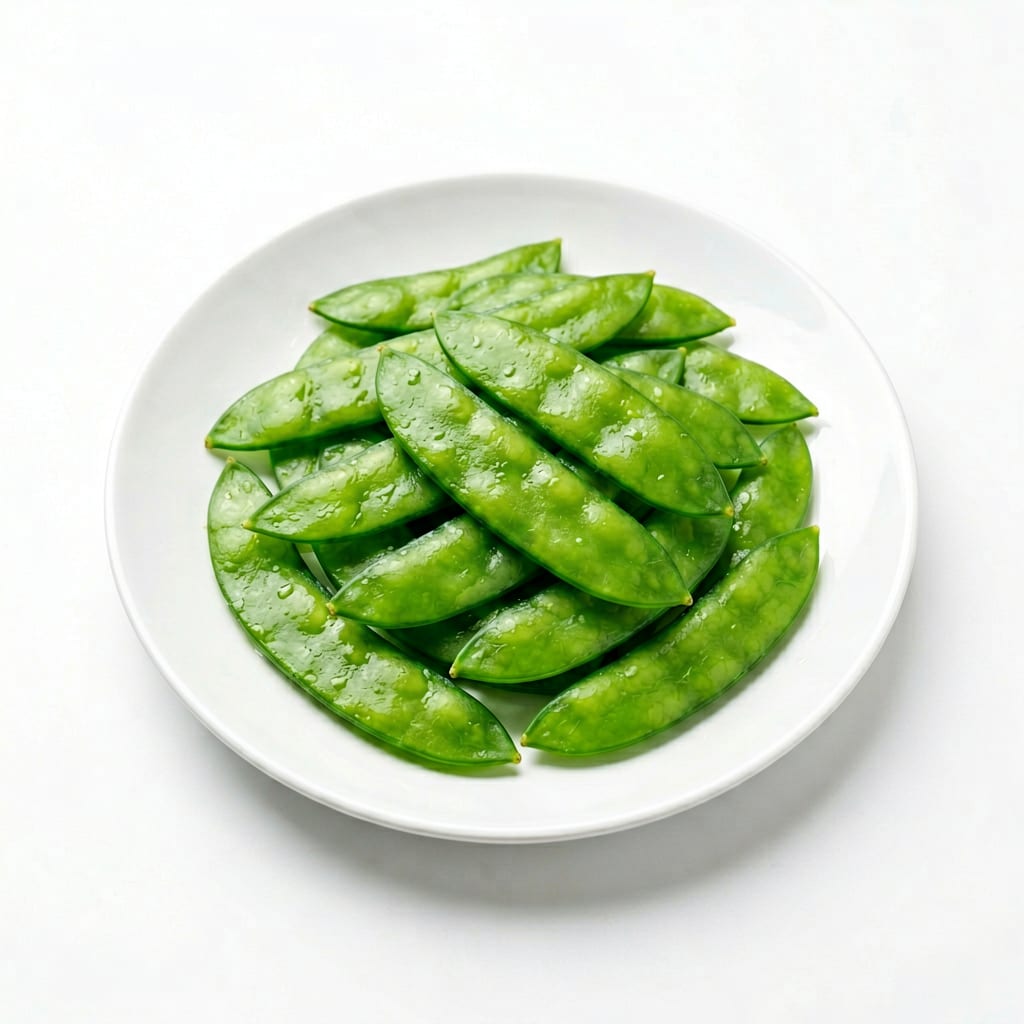
Snow Pea
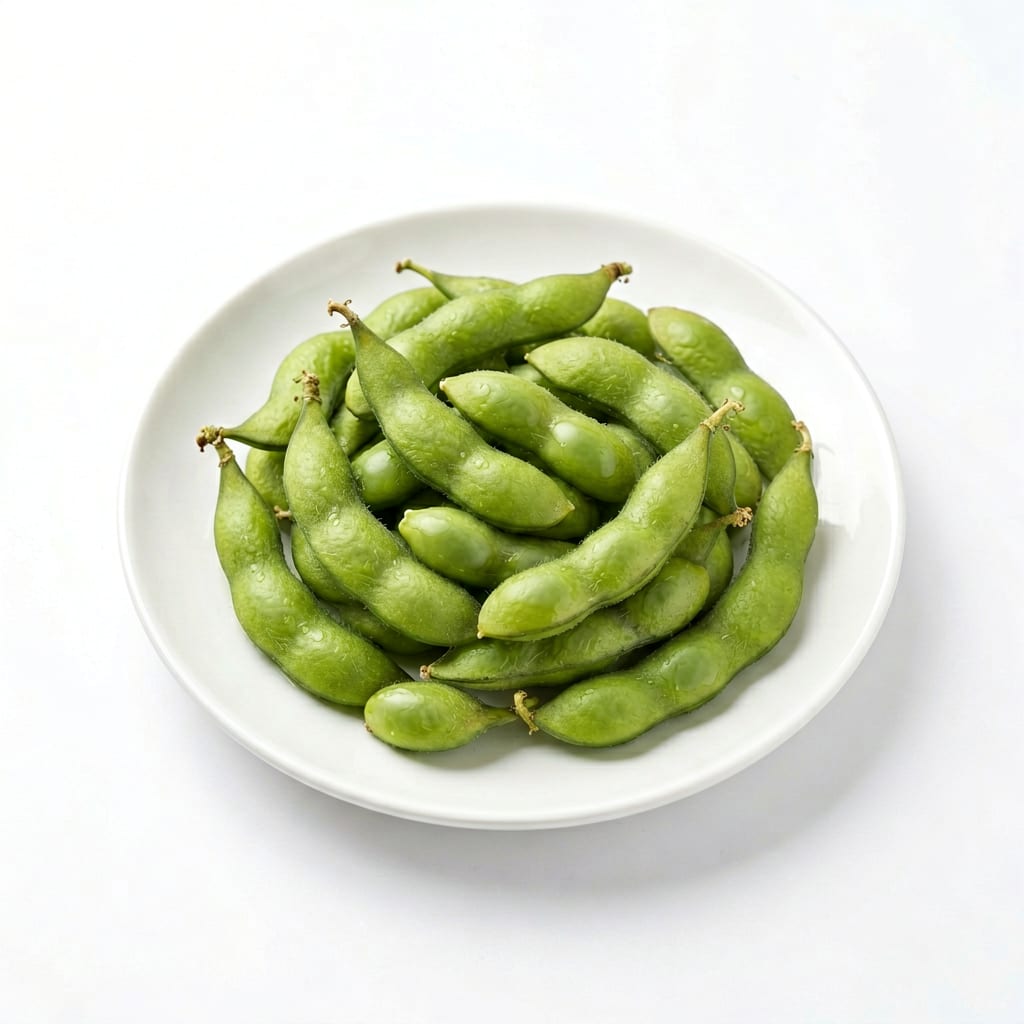
Edamame
Edamame delivers filling protein and healthy fats, while snow peas offer massive volume for very few calories.
Edamame scores higher overall due to its exceptional protein content and satiety value, making it a more nutritionally complete food. Snow peas are excellent but function more as a low-calorie side than a nutritional powerhouse.
Satiety and protein versus calorie density and crunch.
At a glance
Executive summary
Overall
It depends
Healthier
It depends
More practical
Edamame
Daily use
It depends
Key comparison lenses
Plant-based protein vs low-calorie vegetable snacking
Edamame is prized for its high protein content while snow peas are valued as a low-calorie crunchy vegetable.
Satiety and blood sugar management
The macronutrient difference significantly impacts how full you feel and how your blood sugar responds.
Soy consumption and allergen concerns
Edamame is a soy product, bringing potential allergen and GMO considerations that snow peas avoid entirely.
Best choice for
Snow Pea
- Volume eaters wanting maximum food size for minimal calories
- Those avoiding soy due to allergies or preferences
- People looking for a quick-cooking stir-fry addition
Edamame
- Plant-based eaters needing a protein boost
- People wanting a satisfying standalone snack
- Those seeking steady blood sugar between meals
Least suitable for
Snow Pea
- People needing significant protein from their snacks
- Those looking for a filling standalone meal component
Edamame
- People with soy allergies
- Those strictly counting every calorie and preferring high volume
Deep comparison
Dimension by dimension
Each lens scores both foods and breaks down who each option suits.
- Dimension 1 · Priority 95Edamame
Satiety & Fullness
Snow Pea · 40Edamame · 90Edamame keeps you full for hours, while snow peas are a light bite.
Tradeoff
You get more bites from snow peas, but edamame actually kills hunger.
Why it matters
A snack that doesn't fill you up often leads to overeating later.
Real-world impact
A bowl of edamame can easily bridge the gap between lunch and dinner. Snow peas might leave you hunting for another snack in an hour.
Snow Pea
- Light grazing before a meal
Better for
- Replacing a meal
Worse for
Edamame
- Afterschool or afternoon hunger pangs
- Post-workout recovery
Better for
- Eating right before a heavy meal when you want to save room
Worse for
- Dimension 2 · Priority 90Snow Pea
Calorie Efficiency & Weight Loss
Snow Pea · 95Edamame · 65Snow peas offer massive portion sizes for almost no calories.
Tradeoff
You can eat double the volume of snow peas for a fraction of the calories in edamame, but you get far less nutrition.
Why it matters
Volume eating helps you feel physically full without overconsuming calories.
Real-world impact
You can eat an entire heaping bowl of snow peas for under 50 calories. The same bowl of edamame would be over 300 calories.
Snow Pea
- Late-night mindless snacking
- Cutting calories while keeping portions large
Better for
- Recovering from intense exercise
Worse for
Edamame
- Getting enough calories on a whole-food plant-based diet
Better for
- Strict calorie restriction diets
Worse for
- Dimension 3 · Priority 85Edamame
Protein & Muscle Support
Snow Pea · 15Edamame · 95Edamame is a complete protein powerhouse; snow peas barely move the needle.
Tradeoff
Edamame provides all essential amino acids needed for muscle repair, while snow peas are mostly carbohydrates and water.
Why it matters
Getting enough protein is crucial for maintaining muscle, especially as you age or exercise.
Real-world impact
A cup of edamame gives you about 17 grams of protein. A cup of snow peas gives you less than 2 grams.
Snow Pea
- Light carb loading before endurance activity
Better for
- Anyone needing muscle repair
Worse for
Edamame
- Vegans and vegetarians needing protein
- Older adults preventing muscle loss
Better for
- Those on a very low-protein diet for kidney issues
Worse for
- Dimension 4 · Priority 80Edamame
Blood Sugar Stability
Snow Pea · 55Edamame · 85Edamame's protein and fat slow digestion, preventing sugar spikes.
Tradeoff
Snow peas are low carb but lack the macronutrients to anchor your blood sugar long-term.
Why it matters
Steady blood sugar means fewer energy crashes and cravings.
Real-world impact
Eating edamame as a snack leads to a slow, steady energy release. Snow peas alone might cause a quicker drop-off in energy.
Snow Pea
- A quick, light carb boost
Better for
- Going long hours without eating
Worse for
Edamame
- Managing afternoon energy crashes
- Diabetics needing stable glucose
Better for
- Immediate pre-workout energy when you need quick fuel
Worse for
Timeline
Health impact over time
Short-term
Hours to days
Snow Pea
- Light, refreshing feeling after eating
- Very low risk of digestive heaviness
- Quick but short-lasting energy
Edamame
- Strong feeling of fullness and satisfaction
- Stable energy for several hours
- Potential for mild bloating if you aren't used to high-fiber soy
Long-term
Months to years
Snow Pea
- Excellent for maintaining low caloric intake
- Supports hydration due to high water content
- May require additional protein sources to maintain muscle mass
Edamame
- Supports muscle maintenance and metabolic health
- May help lower cholesterol due to soy isoflavones
- Provides sustained nutrient density for plant-based diets
Risk profile
Safety & processing
Both foods are whole, minimally processed plants. Fresh or frozen, they are about as close to nature as you can get.
Snow Pea
Pesticide residue
mediumBecause you eat the pod, snow peas can retain pesticide spray. Washing thoroughly or buying organic reduces this risk.
Edamame
GMO exposure
mediumMost soy grown globally is genetically modified. Choosing organic edamame guarantees it is non-GMO.
Soy allergy
highSoy is a top 8 allergen. Reactions can range from mild hives to severe anaphylaxis.
Who wins for whom
Audience fit
Same foods, different winners depending on your goal.
children
EdamameKids benefit greatly from the protein and healthy fats in edamame for growth, and the pods are a fun food to eat. Just ensure there is no soy allergy.
daily consumption
It dependsEdamame is better as a daily protein staple, while snow peas are better as a daily low-calorie veggie side. They serve entirely different dietary roles.
diabetes
EdamameThe high protein and fat content in edamame slows carbohydrate absorption, leading to much steadier blood sugar levels.
elderly
EdamameOlder adults need higher protein to prevent age-related muscle loss, making edamame a far better daily choice.
muscle gain
EdamameEdamame provides a robust 17 grams of complete plant protein per cup, essential for muscle repair and growth.
weight loss
Snow PeaSnow peas allow for massive portion sizes with almost no caloric impact, making it easier to stick to a calorie deficit.
Your move
Decision guide
Choose Snow Pea
- You want a crunchy, low-calorie snack to munch on freely
- You are avoiding soy due to an allergy or dietary preference
- You need a quick-cooking vegetable for stir-fries
Choose Edamame
- You need a filling snack that actually tides you over
- You are plant-based and need high-quality protein
- You want a post-workout recovery food
Either works if
- You want a whole-food, minimally processed addition to your diet
- You are looking for fiber to support digestion
Avoid both if
- You have severe digestive issues with high-fiber foods and need a low-residue diet
Final recommendation
Keep both in your rotation. Use snow peas when you want volume and crunch without the calories, and rely on edamame when you need real hunger satisfaction and protein. They complement each other perfectly in a balanced diet.
Practical
Consumer tips
- 1
Buy frozen organic edamame to guarantee non-GMO soy and convenience.
- 2
Wash snow peas thoroughly under running water to remove pod pesticide residues.
- 3
Toss snow peas into a wok for just 1-2 minutes to keep their satisfying crunch.
- 4
Sprinkle sea salt and chili flakes on edamame for a filling, savory afternoon snack.