
Nutrition comparison
Snow Peas vs Bell Peppers: Nutrition, Pesticides, and Which to Choose
Compare Snow Peas and Bell Peppers on vitamin C, fiber, pesticide risk, and daily usability. Find out which vegetable fits your health goals and shopping budget better.
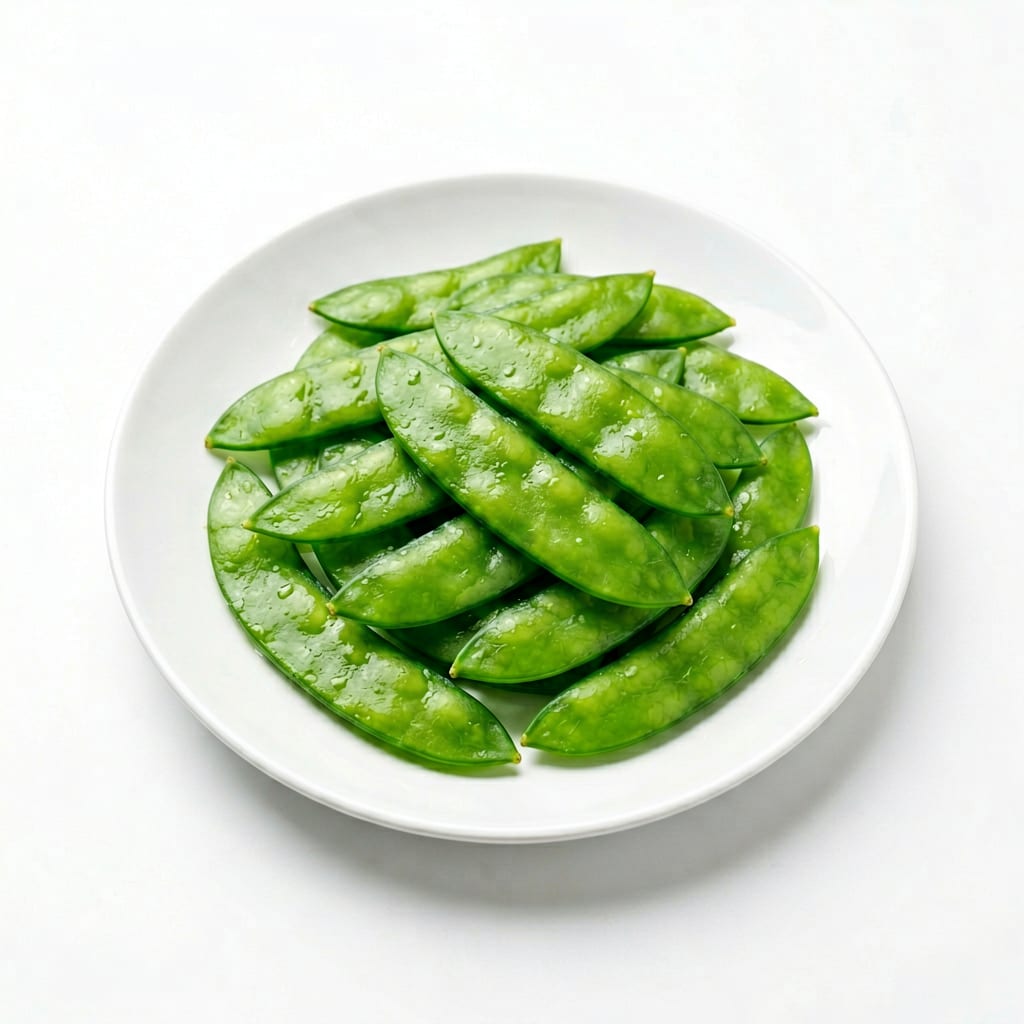
Snow Pea
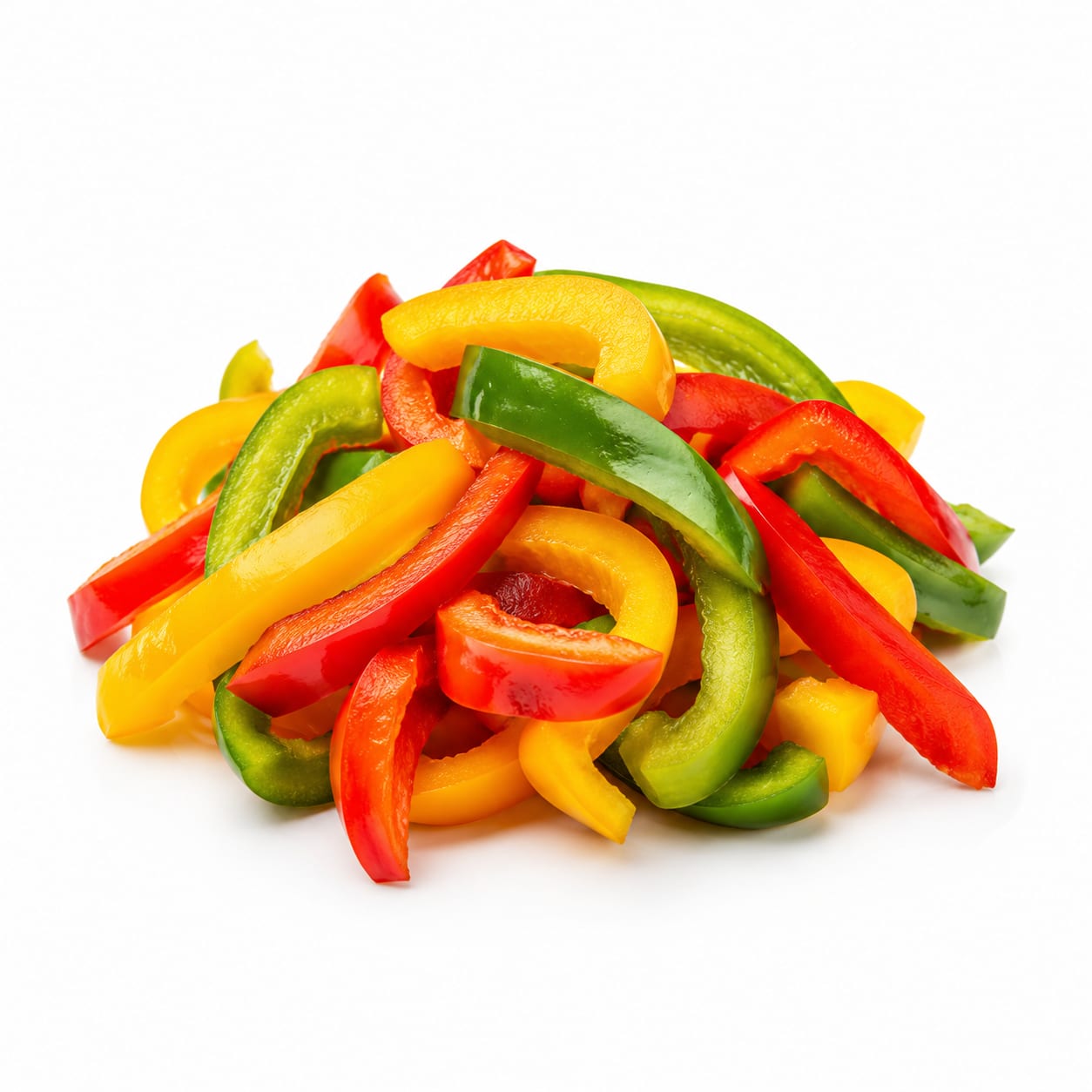
Bell Peppers
Bell Peppers dominate on vitamin C and antioxidants, while Snow Peas win on protein, fiber, and lower pesticide risk. Both are excellent low-calorie vegetables worth rotating.
Bell Peppers score slightly higher due to their exceptional vitamin C content and broader culinary versatility, but Snow Peas remain competitive thanks to better protein, fiber, and a cleaner pesticide profile. The gap is small because both are genuinely healthy vegetables.
Maximum vitamin C and visual appeal versus better satiety and cleaner pesticide profile
At a glance
Executive summary
Overall
It depends
Healthier
It depends
More practical
Bell Peppers
Daily use
Bell Peppers
Key comparison lenses
vitamin C and antioxidant comparison
Bell Peppers are famously rich in vitamin C while Snow Peas offer a more modest but still meaningful amount, making this the starkest nutritional difference
low-calorie vegetable snacking and meal prep
Both are popular crunchy, low-calorie vegetables often used interchangeably in stir-fries and salads, so practical daily use matters
fiber and satiety for weight management
Snow Peas edge ahead in protein and fiber per calorie, making them slightly more filling despite similar calorie counts
pesticide exposure and food safety
Bell Peppers frequently appear on the EWG Dirty Dozen list for pesticide residues, while Snow Peas generally carry lower concern
cooking versatility and flavor role
Bell Peppers bring sweetness and bold color to dishes, while Snow Peas offer delicate crunch and a lighter presence
Best choice for
Snow Pea
- People prioritizing satiety and fullness from vegetables
- Those concerned about pesticide exposure who cannot buy organic
- Anyone wanting more protein from plant sources
- Stir-fry and Asian cuisine enthusiasts
Bell Peppers
- Anyone needing a vitamin C boost, especially in winter
- People seeking vibrant color and sweetness in meals
- Those wanting maximum antioxidant variety
- Meal preppers who need vegetables that store well longer
Least suitable for
Snow Pea
- People who need high vitamin C from a single vegetable source
- Those who find the stringy texture off-putting
- Anyone wanting a vegetable that roasts well on its own
Bell Peppers
- People strictly avoiding even moderate natural sugars
- Those with nightshade sensitivities or inflammation concerns
- Shoppers unable to find organic options who worry about pesticides
Deep comparison
Dimension by dimension
Each lens scores both foods and breaks down who each option suits.
- Dimension 1 · Priority 92Bell Peppers
Vitamin C and Antioxidant Power
Snow Pea · 55Bell Peppers · 97Bell Peppers are one of the richest vegetable sources of vitamin C, especially red varieties which can exceed 150mg per cup. Snow Peas provide a respectable but much smaller amount.
Tradeoff
Choosing Snow Peas means getting only about a third of the vitamin C you would from Bell Peppers, which matters if you rely on vegetables as your primary vitamin C source.
Why it matters
Vitamin C supports immune function, skin health, and iron absorption. A single cup of red Bell Peppers can meet more than your daily requirement.
Real-world impact
If you are fighting off a cold or eating mostly plant-based and need iron absorption support, Bell Peppers are the clearly superior choice.
Snow Pea
- Mild antioxidant support without overdoing it
Better for
- Inadequate as a sole vitamin C source
Worse for
Bell Peppers
- Immune system support during cold season
- Enhancing iron absorption from plant meals
- Skin health and collagen production
Better for
- Excessive vitamin C is rarely harmful but unnecessary at very high intakes
Worse for
- Dimension 2 · Priority 80Snow Pea
Satiety and Fullness
Snow Pea · 78Bell Peppers · 65Snow Peas contain more protein and slightly more fiber per calorie, making them a more filling snack or side despite both being low-calorie vegetables.
Tradeoff
Bell Peppers are lighter and less filling, which can be a pro or con depending on whether you want to feel satisfied or keep things light.
Why it matters
Vegetables that keep you fuller for longer help reduce overall calorie intake and curb snacking between meals.
Real-world impact
A cup of Snow Peas as an afternoon snack will stick with you longer than a cup of Bell Peppers, which may leave you reaching for something else within an hour.
Snow Pea
- Afternoon snacking when you need lasting energy
- Adding bulk to stir-fries without extra calories
- People who feel hungry soon after eating vegetables alone
Better for
- Not ideal when you want a light, refreshing bite before a meal
Worse for
Bell Peppers
- Light pre-workout snacking when you want something fresh but not heavy
- Large volume eating without feeling stuffed
Better for
- May not satisfy hunger on its own as a standalone snack
Worse for
- Dimension 3 · Priority 75Snow Pea
Pesticide Exposure Risk
Snow Pea · 82Bell Peppers · 48Bell Peppers consistently rank on the EWG Dirty Dozen list for high pesticide residue, while Snow Peas typically test with lower and fewer residues.
Tradeoff
If you cannot afford or find organic produce, Snow Peas are the safer bet. Organic Bell Peppers eliminate this concern but cost significantly more.
Why it matters
Chronic low-level pesticide exposure is linked to hormonal disruption and neurological concerns, especially relevant for children and pregnant women.
Real-world impact
A family eating conventionally grown Bell Peppers several times a week is getting meaningfully more pesticide exposure than one eating Snow Peas at the same frequency.
Snow Pea
- Budget-conscious shoppers who cannot buy organic
- Families with young children wanting to minimize exposure
Better for
- Minimal concern even when conventionally grown
Worse for
Bell Peppers
- No advantage here unless organic is available
Better for
- High pesticide residue risk when conventionally grown
- Organic options are often expensive and less available
Worse for
- Dimension 4 · Priority 70Bell Peppers
Culinary Versatility
Snow Pea · 62Bell Peppers · 88Bell Peppers work raw, roasted, grilled, sautéed, stuffed, and blended into sauces. Snow Peas shine in stir-fries and salads but have a narrower range.
Tradeoff
Snow Peas excel in their niche but cannot match the range of cooking methods and flavor roles Bell Peppers play across cuisines.
Why it matters
A vegetable you can use in more dishes gets eaten more often and reduces food waste, which directly impacts your actual nutritional intake.
Real-world impact
Bell Peppers can be the star of a stuffed pepper dinner, the crunch in a salad, or the sweetness in a pasta sauce. Snow Peas are mostly limited to Asian-inspired dishes and raw snacking.
Snow Pea
- Quick stir-fry meals where fast cooking preserves crunch
- Raw crudités platters with dip
Better for
- Do not roast or grill well
- Limited to mostly Asian flavor profiles
- Become mushy if overcooked
Worse for
Bell Peppers
- Meal prepping across multiple cuisines
- Roasting and grilling applications
- Adding natural sweetness to dishes without sugar
- Visual appeal with multiple color options
Better for
- Can dominate dishes with their strong flavor when you want subtlety
Worse for
- Dimension 5 · Priority 72Snow Pea
Blood Sugar Friendliness
Snow Pea · 85Bell Peppers · 72Both vegetables have low glycemic loads, but Snow Peas have slightly less sugar and more fiber per serving, giving them a marginal edge for blood sugar stability.
Tradeoff
The difference is small enough that both are excellent choices for blood sugar management, but Snow Peas are the slightly safer bet for very sensitive individuals.
Why it matters
Even small sugar differences matter for people with diabetes or insulin resistance who are monitoring post-meal glucose closely.
Real-world impact
For most people, either vegetable works perfectly fine. For someone wearing a continuous glucose monitor and optimizing every meal, Snow Peas may produce a marginally flatter glucose curve.
Snow Pea
- People with diabetes wanting the most blood-stable vegetable option
- Those pairing vegetables with carb-heavy meals
Better for
- No meaningful downside for blood sugar
Worse for
Bell Peppers
- Still perfectly fine for most blood sugar management needs
Better for
- Slightly higher natural sugar content, especially red varieties
Worse for
Timeline
Health impact over time
Short-term
Hours to days
Snow Pea
- Quick crunch satisfaction with minimal calories
- Moderate vitamin C boost but not enough to be a primary source
- Gentle fiber that supports digestion without bloating
Bell Peppers
- Rapid vitamin C delivery supporting immediate immune and energy needs
- Hydrating and refreshing, especially raw
- Natural sweetness can satisfy sugar cravings without a blood sugar spike
Long-term
Months to years
Snow Pea
- Consistent fiber intake supporting gut health and regularity
- Lower pesticide exposure when eating conventionally grown produce long-term
- Modest but steady protein contribution from a vegetable source
Bell Peppers
- Sustained high vitamin C intake supporting skin aging and immune resilience
- Carotenoid accumulation from red and orange varieties supporting eye health
- Potential pesticide exposure risk if consistently eating conventional versions
Risk profile
Safety & processing
Both Snow Peas and Bell Peppers are whole, minimally processed vegetables typically eaten fresh or lightly cooked. Neither carries meaningful additive concerns when purchased fresh. Frozen versions of both are also clean, with no additives needed for freezing.
Snow Pea
Pesticide residues
lowConventionally grown Snow Peas typically show moderate pesticide residues but far fewer than Bell Peppers. Washing reduces most surface residues effectively.
Foodborne illness
lowSnow Peas have been occasionally linked to salmonella outbreaks in pre-packaged sprout and pea mixes, but this is rare with fresh whole Snow Peas.
Bell Peppers
Pesticide residues
highBell Peppers are consistently on the EWG Dirty Dozen list, frequently testing positive for multiple pesticide residues including neurotoxic insecticides. Organic is strongly recommended when possible.
Nightshade sensitivity
lowBell Peppers belong to the nightshade family, which can trigger joint pain or digestive discomfort in sensitive individuals, though this affects a small minority.
Cross-contamination in pre-cut packages
mediumPre-cut Bell Peppers have been involved in multiple recalls due to listeria and salmonella contamination. Whole peppers are significantly safer.
Who wins for whom
Audience fit
Same foods, different winners depending on your goal.
children
Bell PeppersBell Peppers are sweeter, more colorful, and available in fun shapes, making them more appealing to kids. The vitamin C boost is especially valuable for growing immune systems. Choose organic to address pesticide concerns.
daily consumption
Bell PeppersBell Peppers offer broader nutritional coverage and more culinary variety, making them easier to eat daily without fatigue. Just prioritize organic to manage pesticide exposure.
diabetes
Snow PeaLower sugar content and slightly more fiber give Snow Peas a small but real edge for blood sugar stability, though both are excellent choices.
elderly
Bell PeppersThe high vitamin C and carotenoid content in Bell Peppers supports immune health and eye health, both critical concerns for older adults. Red varieties are particularly beneficial for vision.
muscle gain
It dependsNeither vegetable is a meaningful protein source for muscle gain. Snow Peas have marginally more protein, but the difference is negligible in the context of a muscle-building diet.
weight loss
Snow PeaSnow Peas provide slightly more protein and fiber per calorie, keeping you fuller longer with minimal calories, which supports better portion control across the day.
Your move
Decision guide
Choose Snow Pea
- You cannot buy organic and want to minimize pesticide exposure
- You want a more filling vegetable snack that curbs hunger
- You cook a lot of Asian-inspired stir-fries
- You have diabetes and want the most blood-sugar-stable option
Choose Bell Peppers
- You want maximum vitamin C from a single vegetable
- You can access organic Bell Peppers or are less concerned about pesticide residues
- You need a versatile vegetable that works across many cuisines and cooking methods
- You want to add natural sweetness and vibrant color to meals
- You are feeding children who respond better to sweet, crunchy vegetables
Either works if
- You simply want more vegetables in your diet and enjoy both
- You are building a salad or crudité platter and want variety
- You are meal prepping and want color and texture diversity
Avoid both if
- You have a specific allergy to legumes (Snow Peas) or nightshades (Bell Peppers)
- You are on a very strict very-low-carb diet and counting every gram of carbohydrate
Final recommendation
Eat both, but let your priorities guide the ratio. If you buy organic, lean toward Bell Peppers for their unmatched vitamin C and versatility. If you buy conventional, lean toward Snow Peas for the cleaner pesticide profile and better satiety. Rotating between the two gives you the broadest nutritional coverage and keeps meals interesting.
Practical
Consumer tips
- 1
Wash Bell Peppers thoroughly even if organic, as their smooth skin holds residues tenaciously
- 2
Choose red or orange Bell Peppers over green for significantly more vitamin C and beta-carotene
- 3
Snap off the ends of Snow Peas and pull the string before eating for better texture
- 4
Buy organic Bell Peppers when possible, as the pesticide difference is substantial and meaningful
- 5
Freeze sliced Bell Peppers for easy meal prep additions to omelets, stir-fries, and sauces
- 6
Snow Peas spoil faster than Bell Peppers, so use them within 2-3 days of purchase for best crunch
- 7
Both vegetables lose vitamin C when cooked, so raw or lightly steamed preserves the most nutrients