
Nutrition comparison
Snow Pea vs Bok Choy: Which Low-Calorie Vegetable is Better?
Compare Snow Peas vs Bok Choy for weight loss, keto, and nutrition. Learn which is better for fiber, blood sugar, and daily snacking.
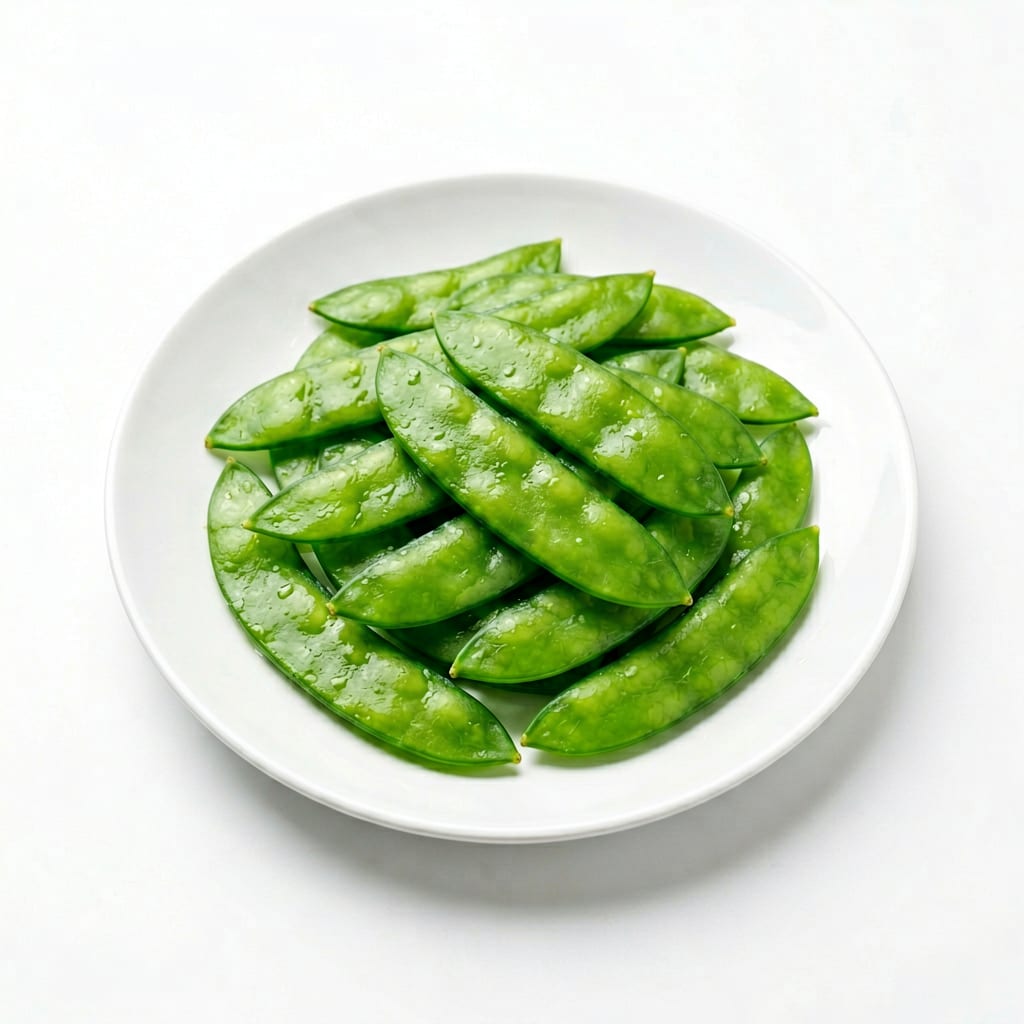
Snow Pea
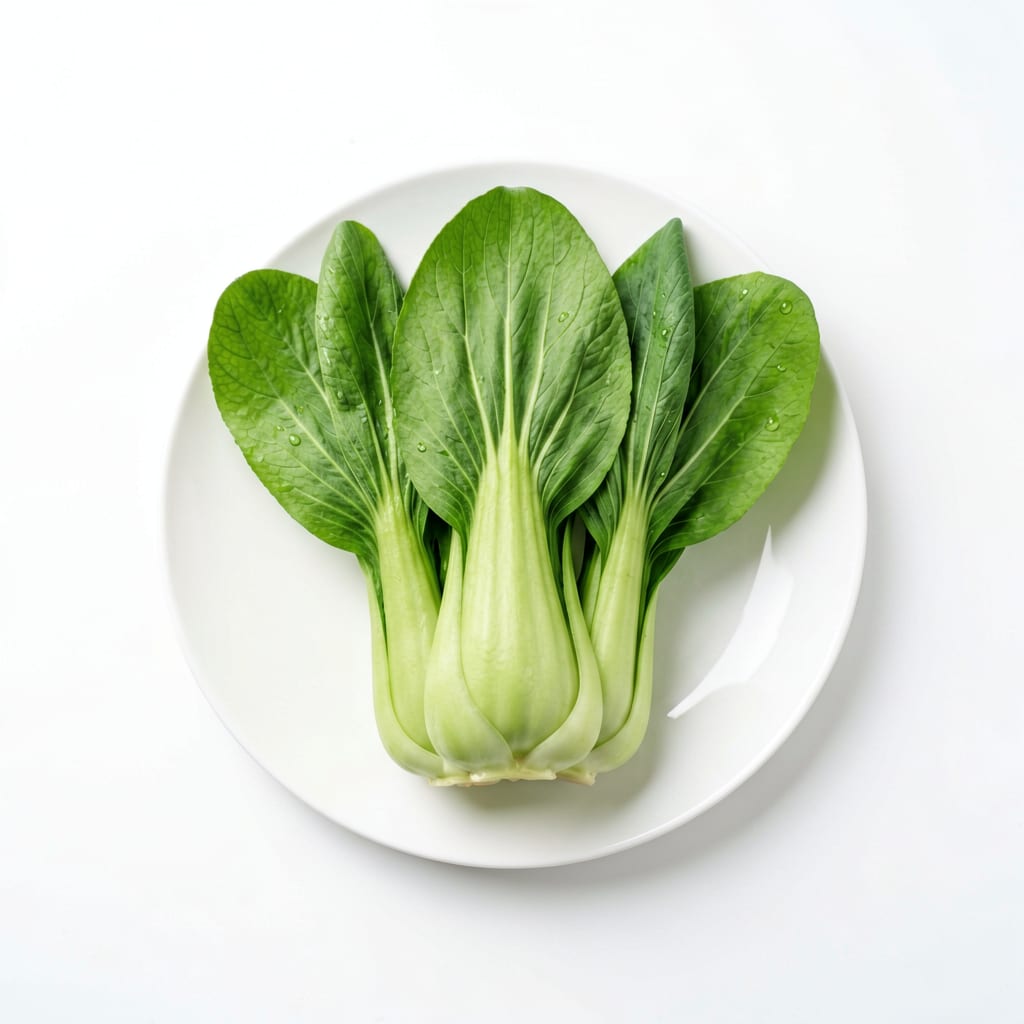
Bok Choy
Bok Choy is the ultimate low-calorie volume food, while Snow Peas deliver a more satisfying crunch and better fiber.
Bok Choy edges ahead due to its unmatched nutrient density per calorie and near-zero carb profile, but Snow Peas remain an excellent high-fiber choice.
Carbs and fiber versus near-zero calories and Vitamin A density.
At a glance
Executive summary
Overall
It depends
Healthier
It depends
More practical
Snow Pea
Daily use
Bok Choy
Key comparison lenses
low carb diet compatibility
Bok Choy is nearly carb-free, making it a keto staple, while Snow Peas carry more carbs from their sweet pods.
nutrient density per calorie
Bok Choy offers an exceptional micronutrient-to-calorie ratio, especially for Vitamin A and Calcium.
fiber and satiety
Snow Peas provide significantly more fiber, making them more filling and better for digestive regularity.
culinary versatility and snacking
Snow Peas are excellent raw as a snack, whereas Bok Choy almost always requires cooking.
Best choice for
Snow Pea
- People needing a crunchy, portable raw snack
- Kids who resist leafy greens but enjoy sweet crunch
- Anyone needing help staying regular due to low fiber intake
Bok Choy
- Strict keto or very-low-carb dieters
- Volume eaters wanting maximum food size for minimal calories
- People focusing on bone health and immune support
Least suitable for
Snow Pea
- Those strictly limiting carbohydrate intake
- People on a low-FODMAP diet for IBS
Bok Choy
- Those looking for a quick, ready-to-eat raw snack
- People who need high fiber to feel full
Deep comparison
Dimension by dimension
Each lens scores both foods and breaks down who each option suits.
- Dimension 1 · Priority 90Bok Choy
Nutrient Density Per Calorie
Snow Pea · 70Bok Choy · 95Bok Choy delivers massive amounts of Vitamin A, C, and K for almost zero calories, while Snow Peas spread their nutrients across more calories from carbs.
Tradeoff
You get more bulk and sweetness from Snow Peas, but Bok Choy provides more vitamins per bite.
Why it matters
If you are watching your calorie intake closely, Bok Choy lets you eat a huge volume of food without blowing your budget.
Real-world impact
A massive bowl of cooked Bok Choy has fewer calories than a handful of raw Snow Peas, making dieting feel less restrictive.
Snow Pea
- Getting sustained energy with your vitamins
Better for
- Calorie-conscious volume eaters
Worse for
Bok Choy
- Maximizing vitamin intake on a strict calorie deficit
Better for
- Those who feel unsatisfied by watery, low-calorie foods
Worse for
- Dimension 2 · Priority 85Snow Pea
Fiber and Satiety
Snow Pea · 85Bok Choy · 55Snow Peas contain nearly double the fiber of Bok Choy, making them much more effective at keeping you full.
Tradeoff
The fiber in Snow Peas comes with more carbs, while Bok Choy keeps carbs minimal at the cost of fullness.
Why it matters
Higher fiber means steadier digestion and fewer cravings between meals.
Real-world impact
Snacking on Snow Peas in the afternoon will keep hunger at bay much longer than a side of Bok Choy.
Snow Pea
- Staying full between meals
- Improving digestive regularity
Better for
- Those with acute digestive flare-ups needing low-fiber foods
Worse for
Bok Choy
- Light meals that won't make you feel bloated
Better for
- Anyone relying on veggies alone to stay satiated
Worse for
- Dimension 3 · Priority 88Bok Choy
Blood Sugar and Low-Carb Compatibility
Snow Pea · 60Bok Choy · 98Bok Choy has virtually no digestible carbs, making it perfect for keto. Snow Peas have enough natural sugar to require tracking on strict low-carb plans.
Tradeoff
Snow Peas offer a mild sweetness that Bok Choy lacks, but they can nudge your carb count up.
Why it matters
For diabetics or keto dieters, even small amounts of carbs from vegetables can add up quickly.
Real-world impact
You can eat Bok Choy freely without spiking blood sugar, while Snow Peas should be portioned if you are carb-sensitive.
Snow Pea
- Providing a mild, sweet flavor without a sugar crash
Better for
- Carb-restricted diets
Worse for
Bok Choy
- Strict ketogenic diets
- Managing insulin resistance
Better for
- Active athletes needing quick carb fuel
Worse for
- Dimension 4 · Priority 70Snow Pea
Convenience and Raw Snackability
Snow Pea · 92Bok Choy · 45Snow Peas are a natural finger food—sweet, crunchy, and ready to eat raw. Bok Choy is tough and bitter raw, requiring cooking.
Tradeoff
Snow Peas are grab-and-go, while Bok Choy demands prep but absorbs flavors beautifully when cooked.
Why it matters
The easier a healthy food is to eat, the more likely you are to actually eat it.
Real-world impact
Tossing Snow Peas in a lunchbox is effortless; Bok Choy requires a cutting board and a stove.
Snow Pea
- Quick, no-prep snacking
- Packing in lunches without heating
Better for
- Hot, comforting meals
Worse for
Bok Choy
- Hearty, warm cooked dishes like soups and stir-fries
Better for
- Busy people with zero time to cook
Worse for
Timeline
Health impact over time
Short-term
Hours to days
Snow Pea
- Quick crunch satisfaction that curbs the urge for chips
- Steadier energy from fiber slowing down natural sugars
Bok Choy
- Feeling very light and hydrated after eating
- Minimal blood sugar fluctuation
Long-term
Months to years
Snow Pea
- Improved digestive regularity from consistent fiber intake
- Better weight management from high-satiety snacking
Bok Choy
- Stronger bones from high Vitamin K and calcium absorption
- Lower risk of chronic disease due to glucosinolates and massive Vitamin A intake
Risk profile
Safety & processing
Both are whole, natural vegetables. The only concern is pesticide residue, as both are commonly sprayed crops, so washing is essential.
Snow Pea
Pesticide Residue
mediumSnow Peas often retain pesticide spray on their edible pods, making thorough washing necessary.
FODMAP Sensitivity
mediumSnow Peas contain galacto-oligosaccharides which can trigger bloating in people with IBS.
Bok Choy
Pesticide Residue
mediumLeafy greens like Bok Choy can trap pesticides in their tight leaves; soak and rinse well.
Goitrogenic Effect
lowRaw Bok Choy contains compounds that can interfere with thyroid function if consumed in extreme, unrealistic amounts. Cooking neutralizes this.
Who wins for whom
Audience fit
Same foods, different winners depending on your goal.
children
Snow PeaKids are far more likely to accept the sweet, crunchy pop of a raw Snow Pea than the slightly bitter, leafy Bok Choy.
daily consumption
Bok ChoyBok Choy is easier to eat in large quantities daily without accumulating too many carbs or calories.
diabetes
Bok ChoyBok Choy has virtually zero impact on blood sugar, while Snow Peas contain moderate carbs that require insulin management.
elderly
Bok ChoyBok Choy is easier to chew when cooked and provides critical calcium and Vitamin K for bone density in older adults.
muscle gain
Snow PeaSnow Peas offer slightly more carbohydrates to fuel workouts and aid recovery, though neither is a primary muscle-building food.
weight loss
Bok ChoyBok Choy allows for massive portion sizes with almost no caloric impact, making it easier to sustain a deficit.
Your move
Decision guide
Choose Snow Pea
- You want a crunchy, sweet snack to replace chips
- You need more fiber to stay regular
- You are packing a lunchbox for a child
- You are an active person needing moderate carbs
Choose Bok Choy
- You are on a keto or very-low-carb diet
- You want to eat a huge volume of food for very few calories
- You are making a warm stir-fry or soup
- You want to boost your Vitamin A and calcium intake
Either works if
- You just need more green vegetables in your diet
- You are making a mixed vegetable stir-fry
- You want low-calorie crunch or bulk for your meals
Avoid both if
- You have severe digestive issues requiring a strict low-fiber or low-residue diet
Final recommendation
Keep both in your rotation. Use Snow Peas for raw snacking and lunchbox convenience, and rely on Bok Choy for low-carb cooked meals where you want massive volume and micronutrient density.
Practical
Consumer tips
- 1
Wash Snow Peas thoroughly under running water to remove pod pesticides, even if buying organic.
- 2
Soak Bok Choy in a bowl of cold water for a few minutes to loosen dirt and pesticide residue trapped near the stem.
- 3
If you have IBS, cook Snow Peas instead of eating them raw to reduce FODMAP load, or swap them for Bok Choy which is low-FODMAP.
- 4
Lightly sautéing Bok Choy with garlic and a splash of soy sauce makes the leaves tender and neutralizes mild goitrogens.