
Nutrition comparison
Snow Pea vs Broccoli: Which is Healthier?
Compare snow peas and broccoli to see which green vegetable wins for nutrition, snacking, and your health goals.
Overall winner · Broccoli
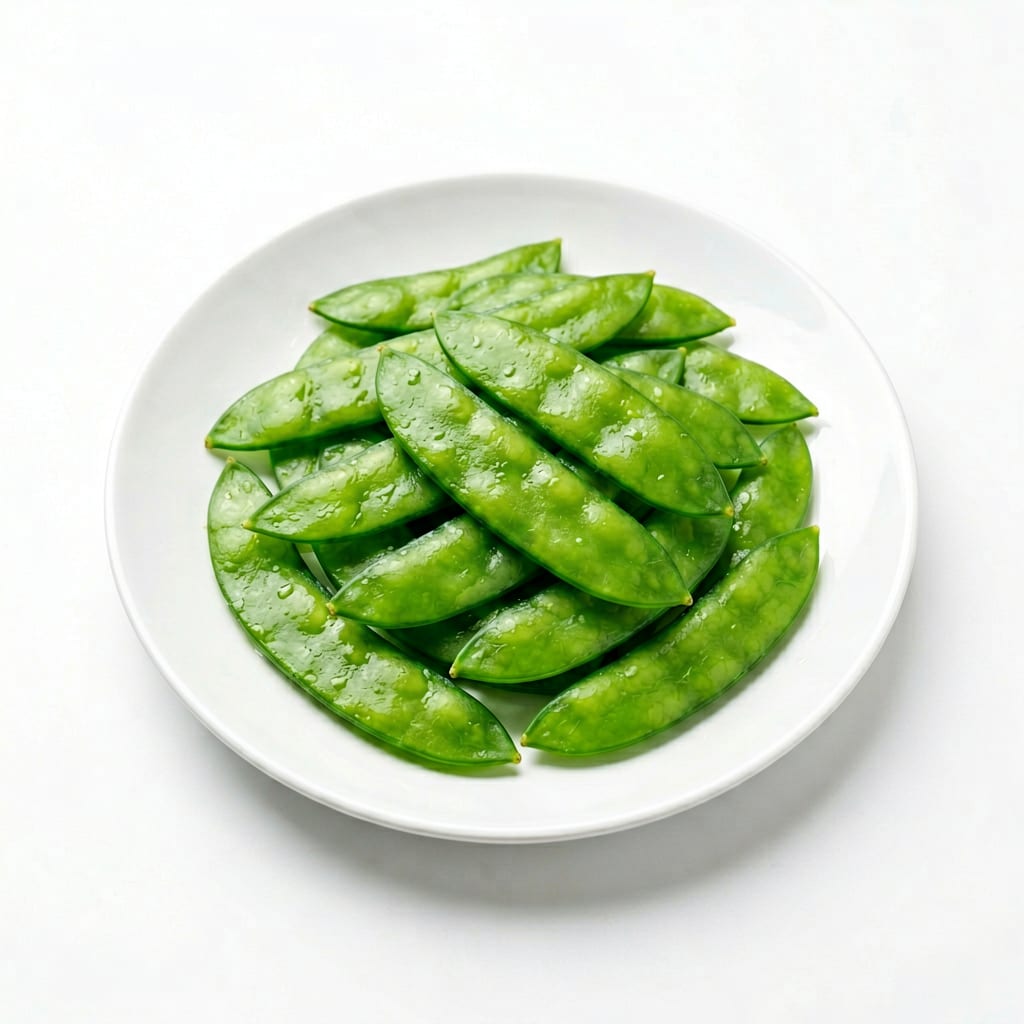
Snow Pea
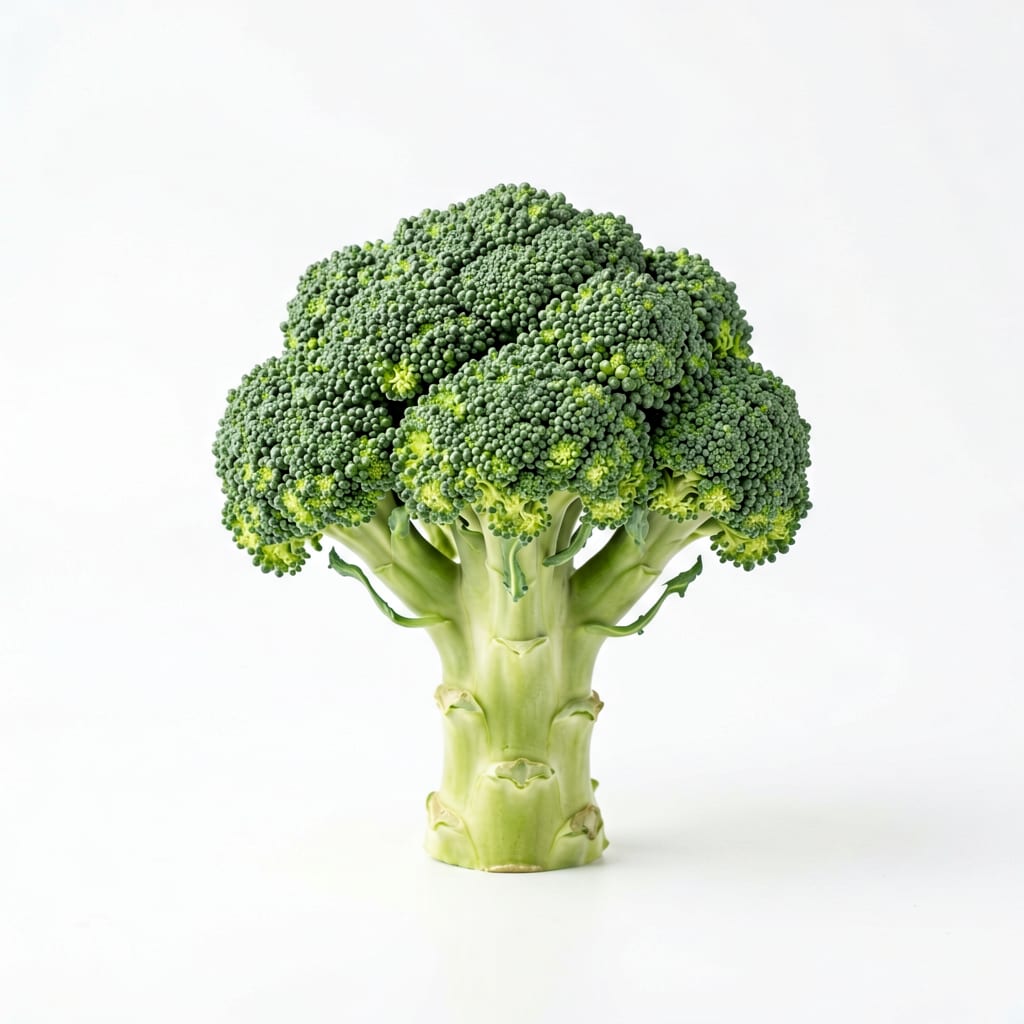
Broccoli
Broccoli delivers a heavier nutritional punch and more filling fiber, while snow peas offer a sweeter, crunchier, and more snackable experience.
Broccoli scores higher due to its exceptional nutrient density and cancer-fighting compounds, but snow peas remain a strong, practical choice for everyday eating.
You choose between broccoli's superior vitamin and antioxidant density and snow peas' raw convenience and gentler digestion.
At a glance
Executive summary
Overall
Broccoli
Healthier
Broccoli
More practical
Snow Pea
Daily use
Broccoli
Key comparison lenses
Nutrient density and vitamin load
Users often compare green vegetables to see which offers more health benefits per bite
Raw snacking and convenience
Snow peas are naturally snack-ready, while broccoli usually requires prep or cooking
Digestive tolerance and gut comfort
Cruciferous vegetables like broccoli can cause bloating, making digestibility a key concern
Weight loss and satiety
Both are low-calorie, but fiber volume and crunch factor affect how filling they are
Best choice for
Snow Pea
- Quick raw snacking without dressing
- Stir-fries where crunch and sweetness are desired
- Picky eaters or kids who dislike bitter flavors
Broccoli
- Maximizing vitamin C and K intake
- Meal prep and batch cooking
- Boosting fiber to stay full longer
Least suitable for
Snow Pea
- Strict very-low-carb diets due to higher sugar content
- Those relying on a single vegetable for iron and calcium
Broccoli
- People highly sensitive to cruciferous bloating
- Quick on-the-go snacking without cooking or dipping
Deep comparison
Dimension by dimension
Each lens scores both foods and breaks down who each option suits.
- Dimension 1 · Priority 90Broccoli
Nutrient Density & Vitamin Load
Snow Pea · 65Broccoli · 92Broccoli absolutely dominates in vitamins C and K, offering far more immune and bone support per calorie than snow peas.
Tradeoff
Snow peas are lighter on the stomach but also much lighter on actual micronutrients.
Why it matters
If you are eating greens primarily for health insurance, broccoli gives you significantly more return per bite.
Real-world impact
Eating a cup of broccoli covers your daily vitamin C needs, while snow peas only put a small dent in it.
Snow Pea
- Getting gentle hydration and a light vitamin boost
Better for
- Relying on it as a primary vitamin source
Worse for
Broccoli
- Fighting off colds with high vitamin C
- Supporting bone density with massive vitamin K
Better for
- Getting nutrients without feeling overly full
Worse for
- Dimension 2 · Priority 85Snow Pea
Snackability & Raw Appeal
Snow Pea · 90Broccoli · 60Snow peas are naturally sweet, crisp, and ready to eat raw, making them a superior hand-held snack.
Tradeoff
Broccoli raw can feel dry and harsh to chew, often requiring a dip to make it palatable.
Why it matters
The best healthy food is the one you actually want to eat. Snow peas rarely require effort to enjoy.
Real-world impact
You can easily pack snow peas for a road trip; raw broccoli florets might come back untouched in the lunchbox.
Snow Pea
- Effortless raw snacking
- Adding a refreshing crunch to salads
Better for
- Satisfying a craving for warm, comforting food
Worse for
Broccoli
- Dipping into hummus or guacamole if you want a hearty snack
Better for
- Eating plain raw without feeling like you are forcing it
Worse for
- Dimension 3 · Priority 80Broccoli
Fiber & Satiety
Snow Pea · 70Broccoli · 88Broccoli provides significantly more fiber, making it much better at keeping you full and stabilizing blood sugar.
Tradeoff
That extra fiber can cause uncomfortable gas if you aren't used to it, whereas snow peas are gentler.
Why it matters
Staying full between meals prevents mindless snacking and helps maintain a healthy weight effortlessly.
Real-world impact
A side of broccoli with dinner will keep you full until morning; snow peas might leave you hunting for a late-night snack.
Snow Pea
- A lighter stomach feel after meals
- Eating a large volume without feeling bloated
Better for
- Feeling hungry again shortly after eating
Worse for
Broccoli
- Killing hunger pangs for hours
- Improving bowel regularity
Better for
- Dealing with gassiness if you eat a large portion
Worse for
- Dimension 4 · Priority 88Broccoli
Antioxidant & Disease-Fighting Power
Snow Pea · 55Broccoli · 95Broccoli contains sulforaphane and other potent compounds linked to cancer prevention, which snow peas simply lack.
Tradeoff
To get these benefits, broccoli must be chewed thoroughly or lightly cooked, while snow peas are beneficial raw but less impactful.
Why it matters
Long-term health isn't just about vitamins; it's about cellular defense against chronic disease.
Real-world impact
Regular broccoli consumption is strongly linked to lower risks of certain cancers, offering benefits beyond basic nutrition.
Snow Pea
- Getting mild antioxidant support from vitamin C
Better for
- Providing targeted disease-fighting compounds
Worse for
Broccoli
- Activating cellular detox pathways
- Reducing long-term inflammation
Better for
- Getting those benefits if you severely overcook it into mush
Worse for
- Dimension 5 · Priority 75Snow Pea
Digestive Tolerance
Snow Pea · 85Broccoli · 60Snow peas are much easier on the digestive system, causing less bloating and gas than broccoli.
Tradeoff
Broccoli's roughage is great for the gut microbiome but can be a nightmare for sensitive stomachs.
Why it matters
A healthy food that causes you discomfort isn't sustainable to eat, no matter how nutritious it is.
Real-world impact
If you have a sensitive stomach or IBS, snow peas are a much safer side dish for date night.
Snow Pea
- Avoiding awkward bloating before social events
- Gentle fiber for sensitive digestive tracts
Better for
- Providing the deep gut-cleansing sweep of high roughage
Worse for
Broccoli
- Feeding gut bacteria with prebiotic fiber if you tolerate it well
Better for
- Eating a large portion without experiencing gas
Worse for
Timeline
Health impact over time
Short-term
Hours to days
Snow Pea
- Provides quick, light hydration
- Delivers a mild energy lift from natural sugars
- Easy on the stomach with minimal bloating
Broccoli
- Creates a strong feeling of fullness
- Can trigger gas or stomach rumbling if eaten raw in large amounts
- Boosts immediate vitamin C intake for immune support
Long-term
Months to years
Snow Pea
- Supports general health and regularity
- Helps maintain a low-calorie snacking habit
- Provides moderate cardiovascular support
Broccoli
- Strongly protects against chronic diseases via sulforaphane
- Improves gut microbiome diversity
- Supports bone density and joint health through high vitamin K
Risk profile
Safety & processing
Both snow peas and broccoli are whole, natural vegetables typically eaten in their unprocessed state, making them equally clean choices.
Snow Pea
Pesticide residue
mediumSnow peas often retain pesticide spray on their edible pods, making thorough washing or buying organic important.
Broccoli
Pesticide residue
mediumBroccoli florets can trap pesticides in their tight heads, requiring a soaking rinse to clean properly.
Who wins for whom
Audience fit
Same foods, different winners depending on your goal.
children
Snow PeaSnow peas are sweeter, crunchier, and more fun to eat raw, making them an easier sell to picky kids.
daily consumption
BroccoliBroccoli offers a wider array of daily health protections, provided your stomach handles the fiber well.
diabetes
BroccoliBroccoli has less sugar and more fiber, leading to a steadier blood sugar response.
elderly
BroccoliThe high vitamin K and calcium in broccoli are crucial for preserving bone density in older adults.
muscle gain
BroccoliBroccoli has slightly more protein per calorie and provides the micronutrients needed for recovery.
weight loss
BroccoliBroccoli's high fiber content keeps you fuller longer, making it easier to resist overeating.
Your move
Decision guide
Choose Snow Pea
- You want a low-effort, refreshing raw snack
- You are prone to bloating from cruciferous vegetables
- You are making a stir-fry and want a sweet crunch
Choose Broccoli
- You want maximum nutrition and disease-fighting power per calorie
- You need a filling side dish to prevent overeating
- You are meal-prepping for the week
Either works if
- You just need to add more green vegetables to your diet
- You are building a vegetable platter for a party
Avoid both if
- You are on a strict zero-fiber or low-residue diet for a medical procedure
Final recommendation
Keep both in your rotation. Use broccoli as your nutritional anchor at dinner, and rely on snow peas for guilt-free afternoon snacking.
Practical
Consumer tips
- 1
Wash snow peas thoroughly under running water to remove pod pesticides, or buy organic
- 2
Lightly steam broccoli instead of boiling it to preserve the cancer-fighting sulforaphane
- 3
Pair snow peas with a protein-rich dip like hummus to make the snack more satisfying
- 4
If broccoli causes bloating, try roasting it with a little olive oil, which can make it easier to digest