
Nutrition comparison
Snow Peas vs Zucchini: Nutrition, Carbs, and Which to Choose
Compare snow peas and zucchini side by side. Find out which is better for keto, weight loss, snacking, and daily cooking. Full nutritional tradeoffs explained.
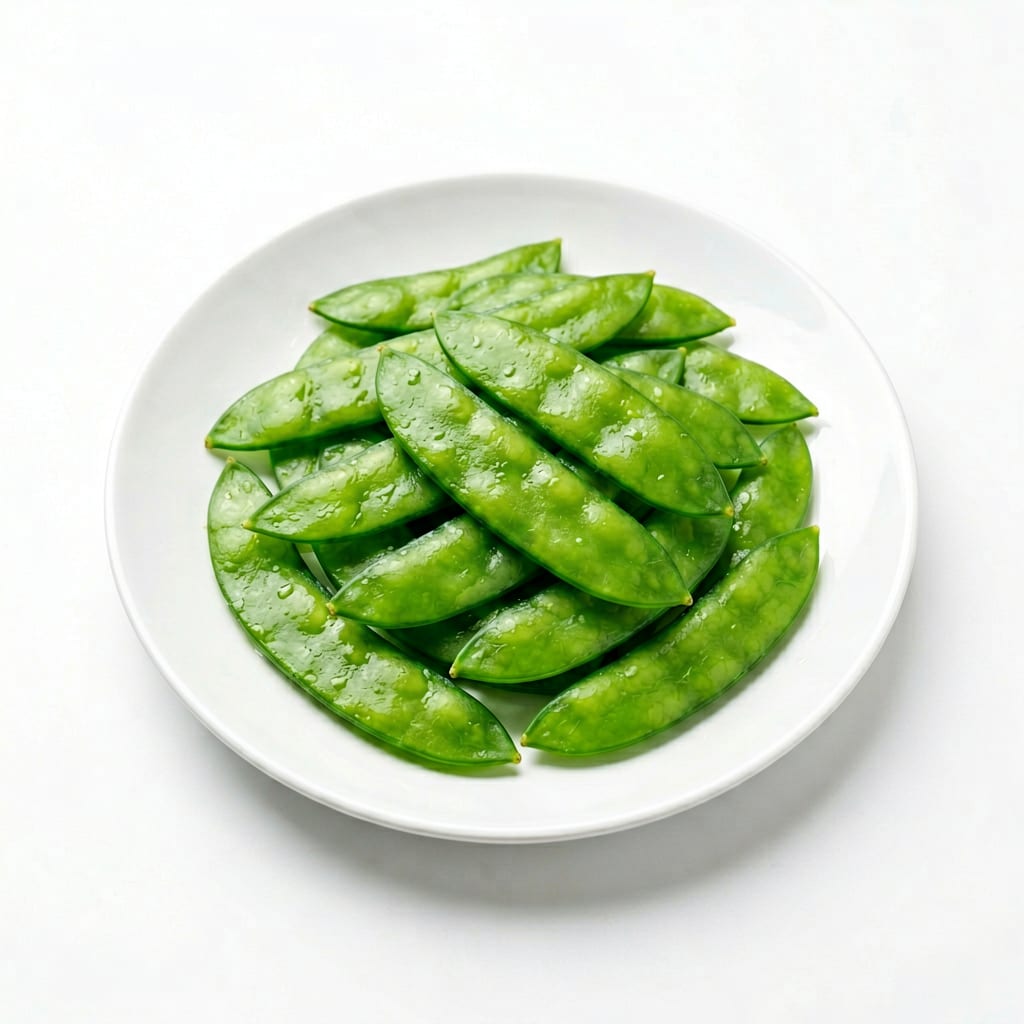
Snow Pea
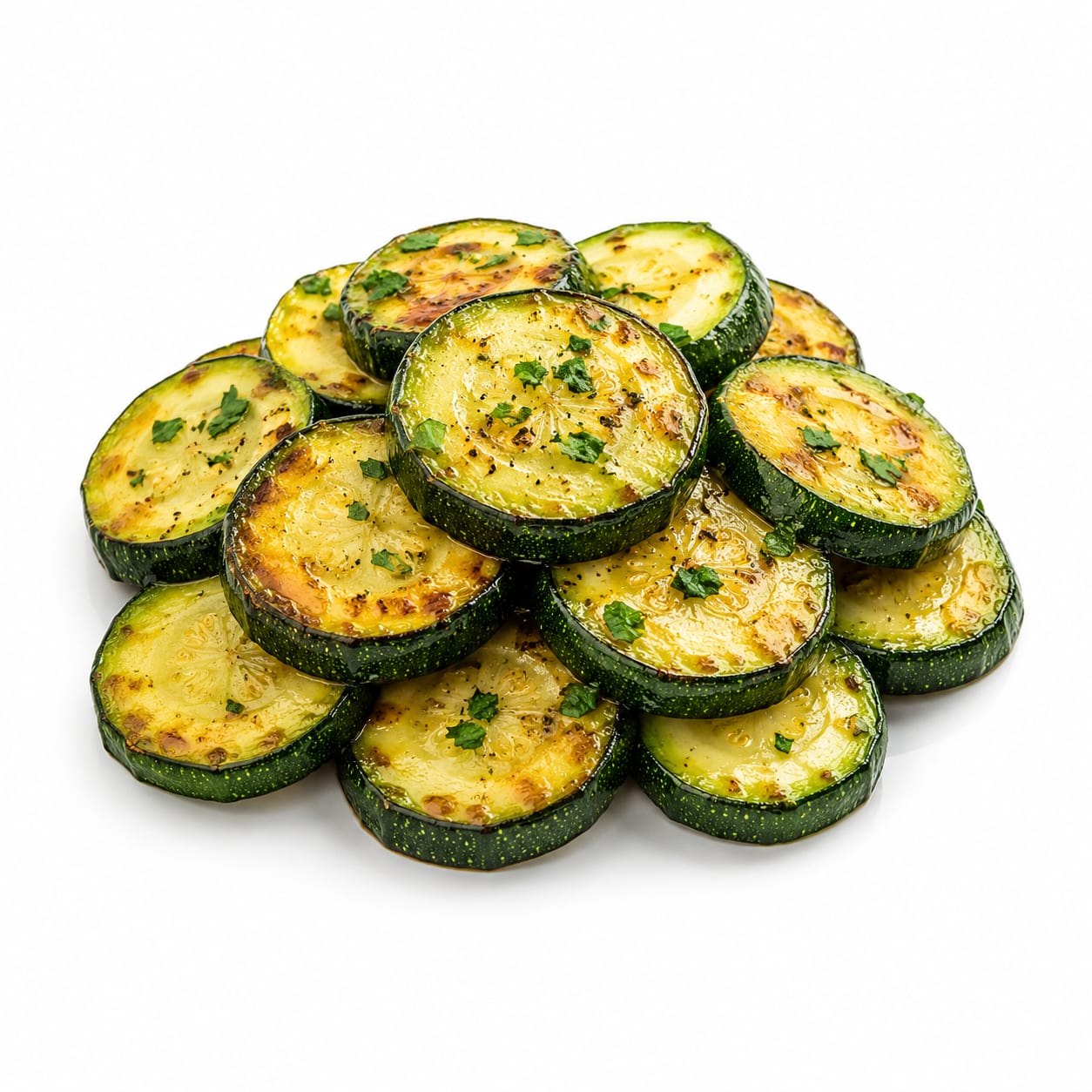
Zucchini
Zucchini wins for low-carb flexibility and kitchen versatility; snow peas win for protein, iron, and satisfying crunch as a raw snack.
Zucchini edges ahead slightly due to broader versatility and near-zero carbs, but snow peas are nutritionally richer per bite. The close scores reflect that neither dominates the other across all contexts.
Snow peas offer more protein and iron per bite but come with triple the carbs. Zucchini is nearly carb-free and endlessly adaptable but less nutritionally interesting on its own.
At a glance
Executive summary
Overall
It depends
Healthier
It depends
More practical
Zucchini
Daily use
Zucchini
Key comparison lenses
low carb diet compatibility
Zucchini is a go-to low-carb staple while snow peas carry more carbohydrates from their inner seeds
nutrient density per calorie
Both are very low calorie but deliver different micronutrient profiles worth comparing
cooking versatility
Zucchini can substitute for pasta or grains while snow peas are more niche in stir-fries and salads
blood sugar impact
Carb difference matters for anyone monitoring glucose or following keto
satiety and snacking
Both are crunchy raw snacks but snow peas feel more filling due to protein and fiber
Best choice for
Snow Pea
- People following a moderate-carb diet who want a filling raw snack
- Anyone needing more plant-based iron and vitamin K
- Stir-fry enthusiasts wanting sweet crunch without extra prep
- Those seeking higher protein from vegetables
Zucchini
- Keto and very-low-carb dieters needing underappreciated carb room
- Meal preppers wanting a versatile base for multiple dishes
- Anyone replacing pasta or grains with vegetable alternatives
- Budget-conscious shoppers wanting more volume per dollar
Least suitable for
Snow Pea
- Strict keto followers who need every carb gram counted
- People sensitive to legumes or lectins
- Those wanting a neutral-flavored bulk vegetable for bulk cooking
Zucchini
- Anyone looking for a protein-containing vegetable side
- People wanting a satisfying standalone raw snack
- Those who find watery vegetables unappealing
Deep comparison
Dimension by dimension
Each lens scores both foods and breaks down who each option suits.
- Dimension 1 · Priority 92Zucchini
carbohydrate_load_and_keto_fit
Snow Pea · 45Zucchini · 95Snow peas contain roughly 7g carbs per cup while zucchini sits around 3g. That difference matters enormously on keto.
Tradeoff
Snow peas give you more nutrients alongside those carbs, but zucchini frees up your carb budget for other foods.
Why it matters
On a 20-30g daily keto carb limit, 4 extra grams from snow peas could crowd out avocado, nuts, or berries.
Real-world impact
Choosing zucchini means you can add cheese sauce or olive oil freely. Snow peas require more careful carb accounting.
Snow Pea
- Moderate-carb eaters who can afford 7g per serving
- Anyone not tracking carbs closely
Better for
- Strict ketogenic meal plans
- Very low-carb phases of dieting
Worse for
Zucchini
- Keto dieters
- Anyone counting macros precisely
- People wanting carb room for other foods
Better for
- Scenarios where you actually want carbs for energy replenishment
Worse for
- Dimension 2 · Priority 85Snow Pea
protein_and_iron_content
Snow Pea · 82Zucchini · 35Snow peas deliver roughly double the protein and significantly more iron than zucchini per serving.
Tradeoff
You get meaningful micronutrient density from snow peas, but the protein still falls short of what a dedicated protein source provides.
Why it matters
For vegetarians and vegans, every gram of plant protein and iron matters. Snow peas contribute more meaningfully toward daily targets.
Real-world impact
A cup of snow peas adds about 2.5g protein toward your day. Zucchini adds barely 1g. Neither is a protein powerhouse, but snow peas pull more weight.
Snow Pea
- Plant-based eaters maximizing vegetable protein
- Women needing dietary iron support
- Anyone building nutrient-dense snack plates
Better for
- Expecting snow peas to serve as a primary protein source
Worse for
Zucchini
- Situations where protein comes from other plate components anyway
Better for
- Meals where the vegetable is expected to contribute meaningful protein
Worse for
- Dimension 3 · Priority 88Zucchini
cooking_versatility
Snow Pea · 55Zucchini · 92Zucchini transforms into noodles, bakes into bread, grills as steaks, and stuffs easily. Snow peas are mostly a stir-fry and salad ingredient.
Tradeoff
Zucchini adapts to nearly any cuisine or technique but can feel watery and bland without help. Snow peas have a distinct sweet crunch that limits where they fit but shines where they belong.
Why it matters
If you buy vegetables to cook multiple ways throughout the week, zucchini gives you far more options before it spoils.
Real-world impact
Sunday meal prep with zucchini can yield zoodles, grilled rounds, and baked fritters. Snow peas mostly end up in one or two stir-fries.
Snow Pea
- Quick stir-fries where crunch and sweetness are the point
- Raw snack trays with dip
- Asian-inspired dishes specifically
Better for
- Pasta substitution attempts
- Baking applications
- Any dish requiring a neutral bulk vegetable
Worse for
Zucchini
- Low-carb pasta alternatives
- Grilling and rooking applications
- Baking into savory muffins or fritters
- Stuffing with cheese or meat fillings
- Soups and stews needing bulk
Better for
- Dishes where you want a sweet crisp bite
- Raw snacking without dip
Worse for
- Dimension 4 · Priority 78Snow Pea
raw_snack_satisfaction
Snow Pea · 88Zucchini · 52Snow peas are naturally sweet, crunchy, and satisfying to eat raw. Zucchini is edible raw but watery and bland without dressing.
Tradeoff
Snow peas work as a standalone snack you actually crave. Zucchini raw feels like a chore without hummus or ranch.
Why it matters
The best healthy snack is one you reach for voluntarily. Snow peas have that appeal; raw zucchini usually does not.
Real-world impact
Put both on a crudités platter and watch the snow peas disappear first. Their sweetness and snap make them genuinely enjoyable raw.
Snow Pea
- Office snack packs
- Lunchbox additions for kids and adults
- Appetizer platters
Better for
- Wanting a neutral base that absorbs dip flavor
Worse for
Zucchini
- Situations where you are adding strong dips anyway
Better for
- Standalone snacking without accompaniment
Worse for
- Dimension 5 · Priority 75Snow Pea
vitamin_and_antioxidant_profile
Snow Pea · 80Zucchini · 68Snow peas provide more vitamin K, vitamin C, and folate per serving. Zucchini offers decent vitamin C and some vitamin A but is less concentrated overall.
Tradeoff
Snow peas are micronutrient-dense for their calories, but zucchini still contributes meaningfully, especially vitamin A from the skin.
Why it matters
If you eat limited quantities of vegetables, snow peas pack more nutritional punch per bite.
Real-world impact
A cup of snow peas covers about 60% of your vitamin K needs versus 8% from zucchini. That gap is significant for bone and blood health.
Snow Pea
- Maximizing micronutrients from small portions
- Supporting bone health through vitamin K
- Pregnancy nutrition needing folate
Better for
- Situations where you eat large volumes and micronutrient density matters less
Worse for
Zucchini
- Getting vitamin A from the yellow-skinned varieties
- General antioxidant support when eating large volumes
Better for
- Restricted portion sizes where every bite must count nutritionally
Worse for
- Dimension 6 · Priority 72Zucchini
digestive_tolerance
Snow Pea · 55Zucchini · 85Zucchini is gentle on digestion and rarely causes bloating. Snow peas, as legumes, can trigger gas in sensitive people.
Tradeoff
Snow peas offer more fiber for gut health but that same fiber can backfire if your gut is sensitive. Zucchini is safer for delicate stomachs.
Why it matters
People with IBS or FODMAP sensitivities often tolerate zucchini well but react to snow peas.
Real-world impact
After a large snow pea stir-fry, some people feel bloated within hours. Zucchini rarely causes that complaint.
Snow Pea
- People with robust digestion wanting fiber benefits
- Those gradually increasing fiber intake
Better for
- FODMAP-restricted diets
- Sensitive stomachs during flare-ups
Worse for
Zucchini
- IBS and FODMAP-sensitive individuals
- Post-digestive-illness recovery eating
- Anyone prone to bloating from legumes
Better for
- Situations where you specifically want to challenge and strengthen gut bacteria with diverse fiber
Worse for
Timeline
Health impact over time
Short-term
Hours to days
Snow Pea
- Quick satisfying crunch that curbs hunger between meals
- Possible mild bloating if eaten in large quantities
- Natural sweetness can satisfy a sugar craving without actual sugar
Zucchini
- Very light on the stomach, easy to eat in volume
- Minimal blood sugar impact after eating
- Can feel unsatisfying alone without added fat or protein
Long-term
Months to years
Snow Pea
- Consistent vitamin K intake supports bone density over decades
- Iron contribution helps maintain healthy blood levels in plant-based eaters
- Fiber supports regularity and diverse gut microbiome
Zucchini
- Sustained very low carb intake supports insulin sensitivity
- High water content aids hydration and kidney function long-term
- Consistent use as a pasta substitute reduces refined grain consumption
Risk profile
Safety & processing
Both snow peas and zucchini are whole vegetables typically sold fresh and unprocessed. Neither carries additive concerns unless purchased pre-cut or frozen with sauces.
Snow Pea
Pesticide residue on pods
mediumSnow peas are on the EWG's Dirty Dozen list because the edible pod is sprayed directly and eaten whole. Washing helps but does not remove all residue. Organic is worth considering.
Lectin content
lowRaw snow peas contain low levels of lectins compared to mature legumes. Cooking reduces this further. Most people tolerate them fine raw.
Zucchini
Pesticide residue on skin
lowZucchini typically ranks lower for pesticide residue than snow peas. Still worth washing thoroughly, especially non-organic.
Bitter compound toxicity
lowRarely, zucchini can contain cucurbitacins causing extreme bitterness and stomach illness. If your zucchini tastes unusually bitter, discard it immediately.
Who wins for whom
Audience fit
Same foods, different winners depending on your goal.
children
Snow PeaKids often enjoy the sweet snap of raw snow peas as a snack. Zucchini is usually hidden in meals rather than enthusiastically eaten by children.
daily consumption
ZucchiniZucchini's versatility means you can eat it daily in different forms without tiring of it. Snow peas are more one-note and less adaptable to varied meals.
diabetes
ZucchiniZucchini has minimal impact on blood sugar. Snow peas are still low-glycemic but their higher carb content requires more awareness.
elderly
ZucchiniZucchini is softer when cooked, easier to chew and digest, and gentler on aging digestive systems. Snow peas require more chewing and can cause gas.
muscle gain
Snow PeaNeither is a muscle-building food, but snow peas contribute slightly more protein and iron which support muscle recovery in small ways.
weight loss
ZucchiniZucchini's near-zero calories and carb count make it easier to eat in large volumes while staying in a deficit. Snow peas are still low calorie but add up faster.
Your move
Decision guide
Choose Snow Pea
- You want a crunchy sweet snack you actually look forward to eating raw
- You are focused on maximizing iron and vitamin K from vegetables
- You cook a lot of stir-fries and Asian-inspired dishes
- You eat moderate carbs and want nutrient-dense vegetables
Choose Zucchini
- You are on keto or counting carbs carefully
- You want one vegetable that can become pasta, bread, or a grilled side
- You have digestive sensitivities and need gentle foods
- You meal prep and need an ingredient that works across multiple recipes
Either works if
- You just want more vegetables in your diet regardless of type
- You are building a balanced plate and need a green vegetable
- Both are in season and affordable at your farmers market
Avoid both if
- You need a substantial protein source for your meal
- You are looking for a calorie-dense food for weight gain
- You have a specific nightshade or legume allergy that limits your options
Final recommendation
Keep both in your rotation. Use zucchini as your daily workhorse vegetable for bulk, low carbs, and cooking flexibility. Add snow peas when you want a satisfying raw snack or a nutrient-dense crunch in stir-fries. They complement each other rather than compete.
Practical
Consumer tips
- 1
Buy organic snow peas when possible since the edible pod is heavily sprayed
- 2
If zucchini tastes unusually bitter, throw it out immediately to avoid cucurbitacin toxicity
- 3
Snow peas stay crisp for about 3 days in the fridge; zucchini lasts up to a week
- 4
Freeze zucchini for smoothies or baking but skip freezing snow peas as they turn mushy
- 5
Blanch snow peas for 60 seconds before adding to salads for brighter color and sweeter flavor
- 6
Salt zucchini slices and let them sit 15 minutes before cooking to draw out excess water