
Nutrition comparison
Snow Pea vs Green Cabbage: Nutrition, Health Benefits & Best Uses
Compare Snow Pea vs Green Cabbage to see which is better for weight loss, gut health, and meal prep. Discover the nutritional tradeoffs and best uses for each vegetable.
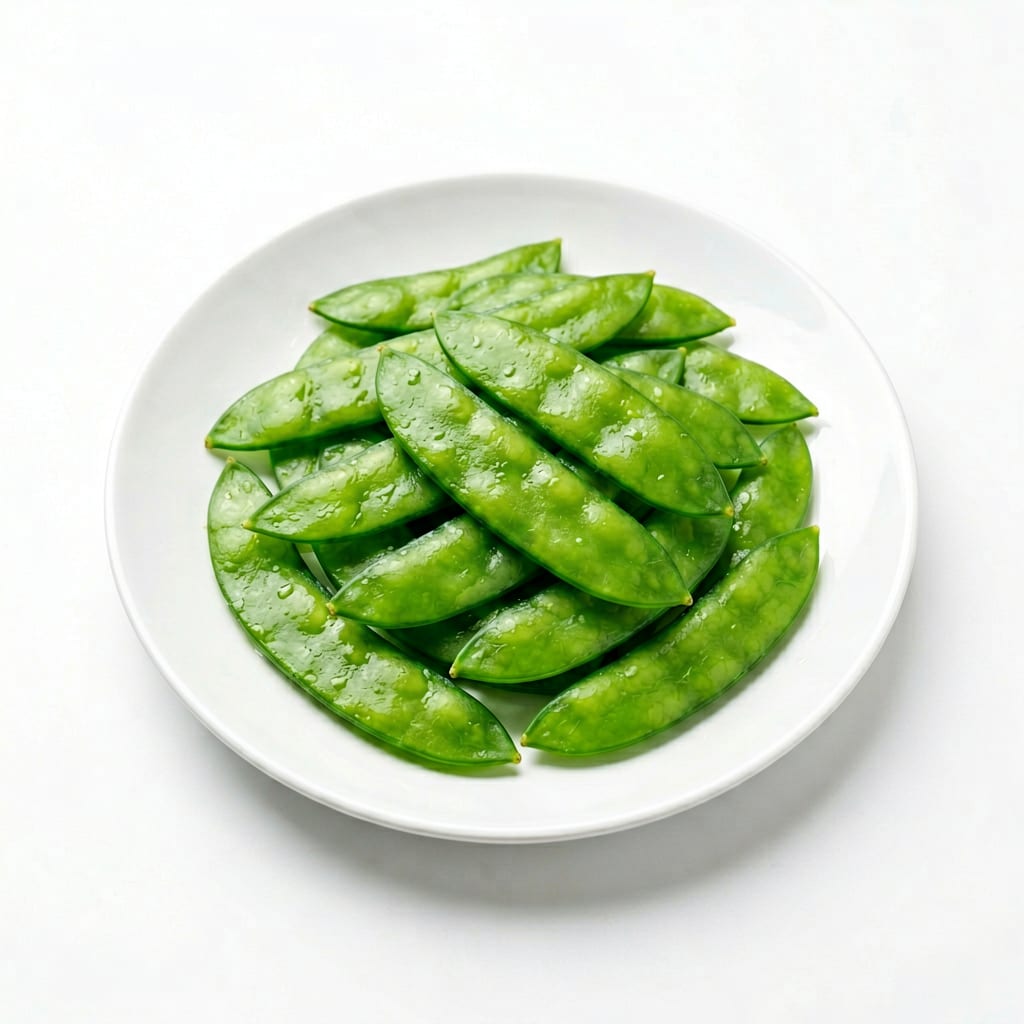
Snow Pea
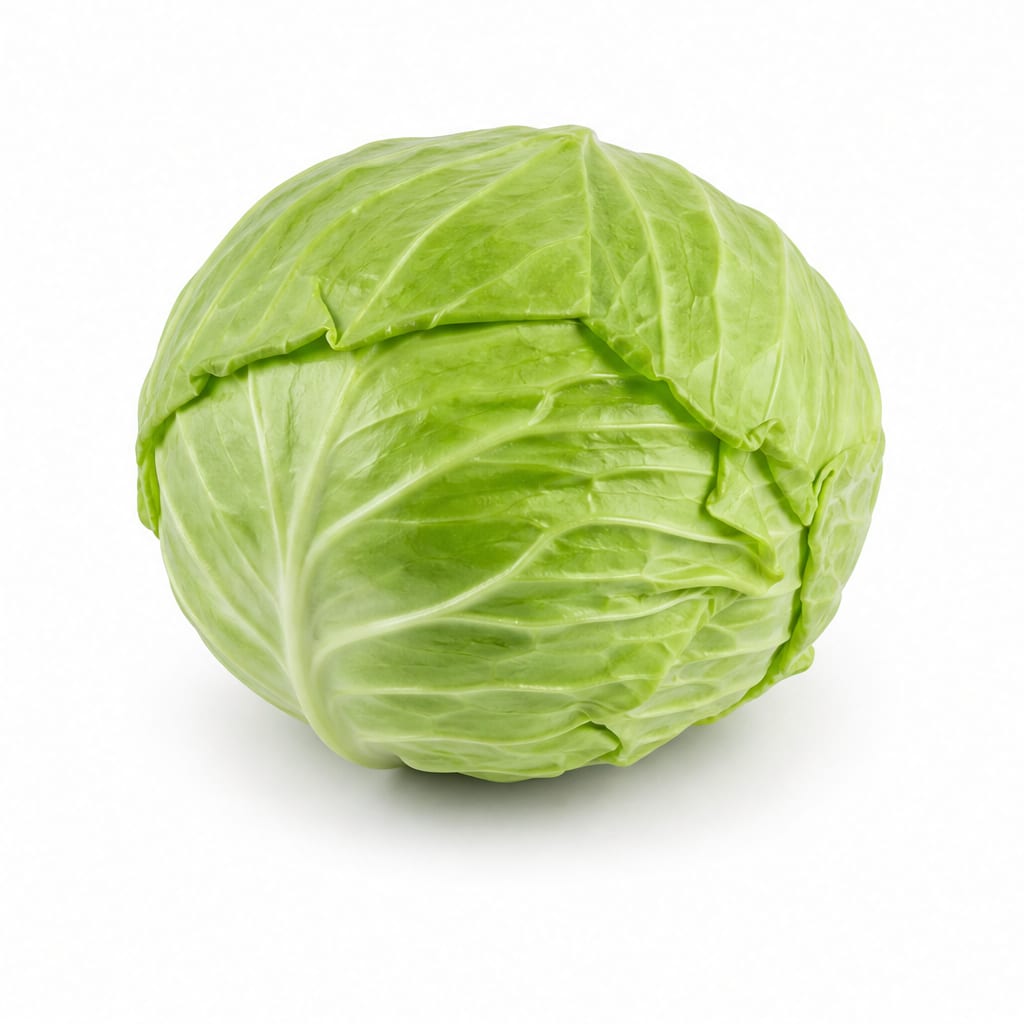
Green Cabbage
Snow Peas deliver a sweet, crisp bite with more Vitamin C, while Green Cabbage offers unbeatable calorie efficiency, shelf stability, and gut-healing fermentation potential.
Green Cabbage edges ahead due to its unmatched shelf life, lower sugar, and probiotic potential when fermented. Snow Peas win on convenience and raw appeal but spoil faster and cost more per calorie.
Quick, sweet crunch and convenience versus extreme volume, lower sugar, and long-term meal prep reliability.
At a glance
Executive summary
Overall
It depends
Healthier
It depends
More practical
Green Cabbage
Daily use
Green Cabbage
Key comparison lenses
Low-calorie diet vegetable selection
Both are staple vegetables for weight management but offer vastly different volume and calorie tradeoffs.
Gut health and digestion
Green Cabbage has powerful fermented applications, while Snow Peas offer gentle soluble fiber.
Culinary convenience and storage
Snow Peas are delicate and quick-cooking, whereas Green Cabbage is rugged and lasts weeks in the fridge.
Blood sugar management
The natural sugars in Snow Peas versus the near-zero sugar profile of Green Cabbage matter for diabetics.
Best choice for
Snow Pea
- Quick raw snacking
- Stir-fry night crunch
- Vitamin C immune boosts
Green Cabbage
- Budget-friendly bulk meals
- Gut health via fermentation
- High-volume low-calorie dieting
Least suitable for
Snow Pea
- Weekly meal prep without frequent shopping
- Strict zero-carb diets
Green Cabbage
- Craving a sweet, refreshing raw snack
- Quick cooking without chopping
Deep comparison
Dimension by dimension
Each lens scores both foods and breaks down who each option suits.
- Dimension 1 · Priority 90It depends
Micronutrient Density
Snow Pea · 82Green Cabbage · 80Snow Peas are richer in Vitamin C and folate, while Green Cabbage dominates in Vitamin K and Vitamin B6.
Tradeoff
Immune support and collagen production versus bone density and blood clotting support.
Why it matters
Your specific health goals dictate the winner here—fighting off a cold versus strengthening bones.
Real-world impact
Eating Snow Peas helps you bounce back from fatigue and keeps skin bright, while Green Cabbage quietly supports long-term bone and blood health.
Snow Pea
- Boosting immunity during cold season
- Supporting skin health and wound healing
Better for
- Those on blood thinners who need strict Vitamin K control
Worse for
Green Cabbage
- Supporting bone density as you age
- Improving blood clotting functions
Better for
- Situations requiring a quick Vitamin C hit without citrus
Worse for
- Dimension 2 · Priority 88Green Cabbage
Satiety & Digestion
Snow Pea · 70Green Cabbage · 88Green Cabbage provides far more physical volume per calorie and becomes a probiotic powerhouse when fermented.
Tradeoff
Light, crisp hydration versus dense, filling bulk and gut-healing potential.
Why it matters
If you are trying to stay full on fewer calories, volume is your best friend.
Real-world impact
A huge bowl of cabbage slaw will keep you full for hours; the same calorie amount of Snow Peas feels like a light appetizer.
Snow Pea
- Light snacking without feeling heavy
- Gentle fiber for sensitive stomachs
Better for
- When you need to feel physically stuffed on very few calories
Worse for
Green Cabbage
- Cutting calories while eating large portions
- Rebuilding gut flora with fermented versions like sauerkraut
Better for
- People with severe IBS triggered by cruciferous vegetables
Worse for
- Dimension 3 · Priority 82Green Cabbage
Blood Sugar Stability
Snow Pea · 75Green Cabbage · 92Green Cabbage has almost no sugar and a minuscule glycemic load, keeping blood sugar perfectly flat.
Tradeoff
A slightly sweeter taste that adds a tiny glucose bump versus zero-sugar steadiness.
Why it matters
Even small amounts of natural sugar can trigger cravings for people with severe insulin resistance.
Real-world impact
Green Cabbage is a worry-free food for diabetics, while Snow Peas require a bit more portion awareness if you are very carb-sensitive.
Snow Pea
- Post-workout when a tiny carb bump is actually welcome
Better for
- Strict ketogenic diets tracking every single carb gram
Worse for
Green Cabbage
- Managing diabetes or insulin resistance
- Preventing afternoon energy crashes
Better for
- During hypoglycemia when you need quick sugar immediately
Worse for
- Dimension 4 · Priority 85Green Cabbage
Culinary Versatility & Practicality
Snow Pea · 72Green Cabbage · 88Green Cabbage lasts weeks in the fridge, works in slaws, soups, and stir-fries, and ferments beautifully. Snow Peas spoil quickly and are best lightly cooked or raw.
Tradeoff
Delicate, ready-to-eat convenience versus rugged, long-lasting meal prep flexibility.
Why it matters
Food that goes bad in the fridge often ends up as wasted money and missed meals.
Real-world impact
You can buy Green Cabbage on Sunday and trust it for your meals all week. Snow Peas need to be eaten within a few days.
Snow Pea
- Quick pack-and-go lunch snacks
- No-prep stir-fry additions
Better for
- Living far from a grocery store with infrequent shopping
Worse for
Green Cabbage
- Weekly meal prep
- Budget grocery runs
- Long-term fridge storage
Better for
- Craving a quick, sweet, ready-to-eat raw bite without chopping
Worse for
Timeline
Health impact over time
Short-term
Hours to days
Snow Pea
- Quick hydration from high water content
- Light energy from natural sugars
- Satisfying crispness that curbs the urge to crunch on junk food
Green Cabbage
- Immediate fullness from physical volume
- Gentle digestive clearing from insoluble fiber
- Steady energy with no sugar spike or crash
Long-term
Months to years
Snow Pea
- Stronger collagen production for skin and joints
- Consistent antioxidant protection from Vitamin C
Green Cabbage
- Improved gut microbiome diversity from fermented forms
- Better bone density and metabolic health from Vitamin K
Risk profile
Safety & processing
Both are whole, natural vegetables with virtually no processing concerns when bought fresh or frozen.
Snow Pea
Pesticide residue
mediumSnow Peas are often treated with pesticides and are eaten whole with their pods, making thorough washing or buying organic important.
Green Cabbage
Goitrogen exposure
lowRaw Green Cabbage contains goitrogens that can interfere with thyroid function, but only if consumed in massive, unrealistic amounts daily.
Pesticide residue
lowThe tight, layered heads of Green Cabbage protect the inner leaves from pesticide exposure; discarding the outer leaves reduces risk significantly.
Who wins for whom
Audience fit
Same foods, different winners depending on your goal.
children
Snow PeaSnow Peas are sweeter, fun to eat with fingers, and have a much milder flavor that kids accept more readily than bitter cruciferous greens.
daily consumption
Green CabbageGreen Cabbage is cheaper, lasts much longer in the crisper drawer, and offers more versatile daily cooking applications from raw slaws to soups.
diabetes
Green CabbageGreen Cabbage has virtually no sugar and will not spike blood glucose, making it a safer staple for insulin management.
elderly
Green CabbageGreen Cabbage can be cooked down to be extremely soft for chewing difficulties, and its high Vitamin K supports bone health in aging populations.
muscle gain
It dependsNeither is a significant protein source, but Snow Peas offer slightly more usable carbohydrates for post-workout glycogen replenishment.
weight loss
Green CabbageGreen Cabbage provides massive physical volume for nearly zero calories, making it far easier to stay full while cutting weight.
Your move
Decision guide
Choose Snow Pea
- You want a sweet, crunchy raw snack
- You need a fast, colorful stir-fry addition
- You are looking for a Vitamin C boost
Choose Green Cabbage
- You are meal prepping on a tight budget
- You want maximum food volume for fewer calories
- You enjoy fermented foods like sauerkraut or kimchi
Either works if
- You need low-calorie fiber to fill out a meal
- You want to increase your daily vegetable intake
Avoid both if
- You have severe IBS and are highly sensitive to FODMAPs, specifically fructans in cabbage or galactans in peas
Final recommendation
Keep both in your rotation, but lean on Green Cabbage for budget-friendly, gut-healing bulk, and save Snow Peas for when you crave a sweet, crisp crunch.
Practical
Consumer tips
- 1
Wash Snow Peas thoroughly or buy organic to reduce pesticide exposure from the edible pods.
- 2
Use large Green Cabbage leaves as a low-carb wrap alternative for tacos or sandwiches.
- 3
Massage raw shredded cabbage with olive oil and salt to soften it for easier digestion in salads.
- 4
Snap the stem ends off Snow Peas and pull the string for the best texture before eating.
- 5
Store Green Cabbage whole and uncut in the crisper drawer to make it last for weeks.