
Nutrition comparison
Snow Peas vs Garden Peas: Nutrition, Protein, and Calorie Comparison
Snow peas are lighter and crunchier with fewer calories, while garden peas pack more protein, fiber, and iron. Find out which pea fits your health goals better.
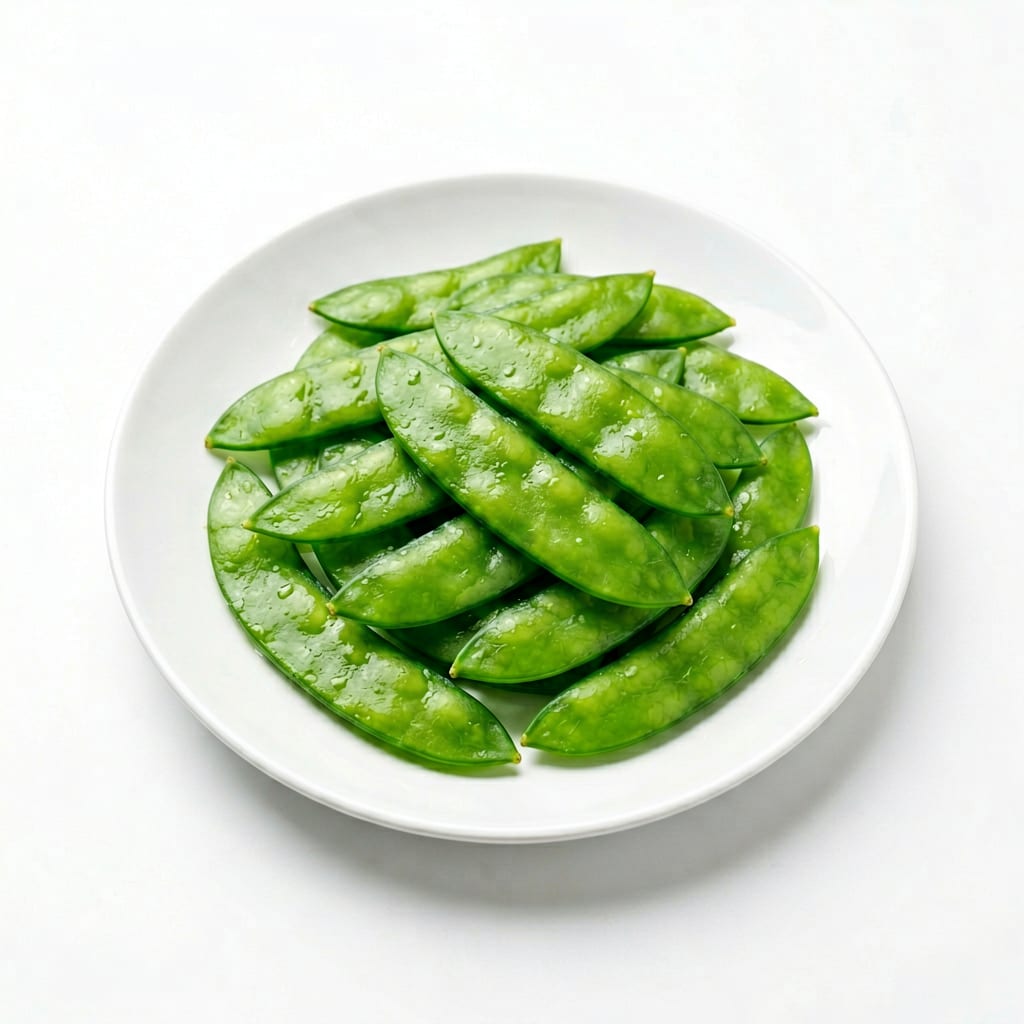
Snow Pea
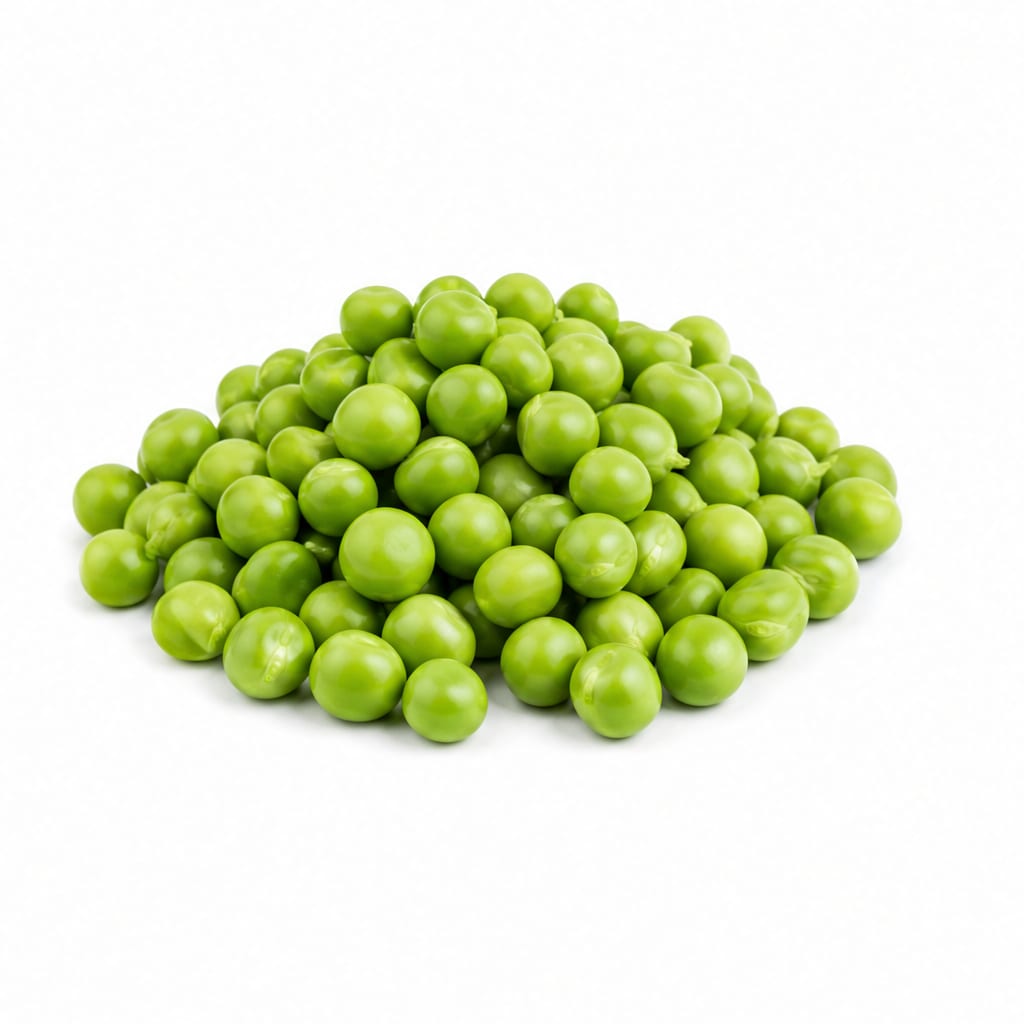
Garden Peas
Garden peas deliver more protein and minerals per serving, while snow peas offer more volume and crunch for fewer calories.
Garden peas score higher due to substantially more protein, fiber, and minerals per serving. Snow peas remain valuable for their low calorie density and convenience but offer less nutritional substance per bite.
Substance versus lightness — garden peas fill you up with protein and starch, snow peas let you eat more volume with less caloric commitment.
At a glance
Executive summary
Overall
It depends
Healthier
Garden Peas
More practical
Snow Pea
Daily use
It depends
Key comparison lenses
nutrient density per calorie
Users choosing between these peas want to know which delivers more nutrition for the calories consumed
protein and satiety comparison
Garden peas are notably higher in protein, making this a key differentiator for meal planning
weight management suitability
Both are low-calorie vegetables but with very different caloric density, affecting portion control strategies
cooking versatility and convenience
Snow peas require no shelling and cook faster, while garden peas need prep but suit different dishes
blood sugar impact
Garden peas carry more starch which affects glucose response differently than the lighter snow pea
Best choice for
Snow Pea
- Low-calorie snacking and volume eating
- Stir-fries and quick-cook meals
- People who want crunch without calories
- Raw vegetable platters and salads
Garden Peas
- Protein-boosting side dishes
- Soups, stews, and hearty meals
- Plant-based meal builders needing more protein
- Post-workout recovery meals
Least suitable for
Snow Pea
- Those needing significant protein from vegetables
- Very low-fiber diets requiring easy digestion
- People seeking calorie-dense plant foods
Garden Peas
- Strict calorie restriction below 1200 kcal
- Quick-prep weeknight cooking
- Raw snacking preferences
Deep comparison
Dimension by dimension
Each lens scores both foods and breaks down who each option suits.
- Dimension 1 · Priority 92Garden Peas
protein_content
Snow Pea · 35Garden Peas · 82Garden peas provide roughly 5g of protein per 100g compared to about 2.8g in snow peas — nearly double.
Tradeoff
You sacrifice the light crunch and low calorie count of snow peas to get meaningfully more muscle-supporting protein from garden peas.
Why it matters
For plant-based eaters, every gram of protein from vegetables counts toward daily targets.
Real-world impact
A cup of garden peas adds a noticeable protein bump to a grain bowl, while snow peas contribute mostly volume and crunch.
Snow Pea
- Light meals where protein comes from other components
Better for
- Anyone relying on vegetables as a meaningful protein source
Worse for
Garden Peas
- Plant-based diets needing protein from multiple sources
- Athletes recovering between training sessions
- Growing children who need protein at every meal
Better for
- Meals already high in protein where more feels heavy
Worse for
- Dimension 2 · Priority 85Snow Pea
calorie_efficiency
Snow Pea · 90Garden Peas · 62Snow peas deliver large portions for minimal calories — roughly 42 kcal per 100g versus 81 kcal for garden peas.
Tradeoff
You can eat nearly twice the volume of snow peas for the same calories, but you get less nutritional payoff per bite.
Why it matters
Volume eaters and calorie counters benefit from foods that let them eat more while consuming less.
Real-world impact
A heaping bowl of snow peas feels like a generous snack for under 60 calories; the same bowl of garden peas doubles that.
Snow Pea
- Volume eaters who want to feel full on fewer calories
- Afternoon snackers wanting crunch without guilt
- Weight loss phases requiring strict calorie control
Better for
- Those who find low-calorie foods unsatisfying and triggering
Worse for
Garden Peas
- Active people who need calories from nutritious sources
- Underweight individuals seeking healthy calorie sources
Better for
- Strict calorie counters tracking every 50 kcal increment
Worse for
- Dimension 3 · Priority 82Garden Peas
fiber_and_digestive_health
Snow Pea · 58Garden Peas · 85Garden peas contain about 5.5g of fiber per 100g versus roughly 2.6g in snow peas, making them significantly more gut-friendly.
Tradeoff
More fiber means better digestion and satiety, but garden peas can cause bloating in sensitive individuals due to higher starch and oligosaccharides.
Why it matters
Fiber is the single most underconsumed nutrient in Western diets, and garden peas are an excellent source.
Real-world impact
A serving of garden peas with dinner helps you stay full until morning; snow peas alone may leave you reaching for a late snack.
Snow Pea
- People with IBS or bloating sensitivity who need gentler fiber
- Light meals before exercise when digestive comfort matters
Better for
- Those relying on a single vegetable to meet fiber needs
Worse for
Garden Peas
- Anyone struggling to hit 25-30g daily fiber targets
- Gut health optimization with prebiotic fiber
- Blood sugar management through slower digestion
Better for
- People prone to gas and bloating from legume-family foods
Worse for
- Dimension 4 · Priority 80Garden Peas
vitamin_and_mineral_density
Snow Pea · 55Garden Peas · 83Garden peas are richer in iron, magnesium, phosphorus, zinc, and B vitamins. Snow peas edge ahead in vitamin C per calorie.
Tradeoff
Garden peas are a more complete micronutrient package, but snow peas offer more vitamin C if you eat them raw.
Why it matters
Iron and B vitamins from garden peas support energy and blood health — areas where many people fall short.
Real-world impact
Adding garden peas to a rice dish boosts iron and folate meaningfully; snow peas add freshness but fewer minerals per serving.
Snow Pea
- Raw salads where vitamin C retention matters
- Meals already rich in minerals from other ingredients
Better for
- People counting on their vegetable serving for iron and B vitamins
Worse for
Garden Peas
- Vegetarians needing plant-based iron sources
- Pregnant women benefiting from folate and iron
- Anyone with low magnesium intake
Better for
- Those who only eat peas raw, where vitamin C matters more
Worse for
- Dimension 5 · Priority 75Snow Pea
convenience_and_prep
Snow Pea · 88Garden Peas · 52Snow peas need no shelling — wash and eat or toss in a pan. Garden peas require shelling unless bought frozen, which adds prep or planning.
Tradeoff
Frozen garden peas solve the convenience gap, but fresh garden peas demand effort that snow peas simply skip.
Why it matters
Preparation friction is the number one reason people abandon vegetable-heavy cooking.
Real-world impact
Snow peas go from fridge to plate in under 3 minutes; fresh garden peas need 10 minutes of shelling before cooking even starts.
Snow Pea
- Busy weeknights when prep time is minimal
- Raw snacking without any cooking
- Stir-fry cooking where speed matters
Better for
- Recipes specifically calling for the sweet pea flavor and starchy texture
Worse for
Garden Peas
- Weekend meal prep when time is available
- Frozen convenience — bagged garden peas are nearly instant
Better for
- Spontaneous cooking when you forgot to thaw or shell
Worse for
- Dimension 6 · Priority 75Snow Pea
blood_sugar_impact
Snow Pea · 78Garden Peas · 65Snow peas have a lower glycemic load per serving due to lower starch content and fewer carbohydrates overall.
Tradeoff
Garden peas have more starch but also more fiber, which slows glucose release — the net effect is moderate rather than dramatic.
Why it matters
For people monitoring blood sugar, lower carbohydrate vegetables reduce the need for insulin management adjustments.
Real-world impact
A side of snow peas with dinner barely moves the glucose needle; garden peas cause a modest but noticeable rise.
Snow Pea
- People with diabetes choosing lower-glycemic sides
- Evening meals when glucose tolerance is lower
Better for
- Post-workout refueling when some starch is beneficial
Worse for
Garden Peas
- Athletes who benefit from starch-based energy replenishment
- Balanced meals where the fiber offsets the starch impact
Better for
- Tight glycemic control requiring minimal carbohydrate intake
Worse for
Timeline
Health impact over time
Short-term
Hours to days
Snow Pea
- Quick satiety from crunch and water content with minimal caloric load
- Light on the stomach — unlikely to cause bloating or digestive discomfort
- Vitamin C boost if consumed raw, supporting immediate immune function
Garden Peas
- Noticeable fullness from protein and fiber within 30 minutes of eating
- Possible gas or bloating in sensitive individuals due to oligosaccharides
- Steadier blood sugar from fiber-slowed carbohydrate absorption
Long-term
Months to years
Snow Pea
- Supports weight maintenance through consistent low-calorie volume eating
- Contributes to hydration and skin health via vitamin C and water content
- May fall short on protein and iron if relied on as a primary vegetable
Garden Peas
- Improved gut health from consistent high fiber intake
- Better iron status and energy levels from mineral density
- Supports muscle maintenance in aging populations through plant protein
Risk profile
Safety & processing
Both snow peas and garden peas are whole vegetables with minimal processing concerns. Fresh or frozen, neither typically contains additives. Canned garden peas may contain added sodium, so check labels.
Snow Pea
Pesticide residue on edible pods
mediumSince you eat the entire pod, snow peas carry more surface pesticide exposure than shelled peas. Washing helps; organic reduces this further.
Foodborne illness from raw consumption
lowOften eaten raw or lightly cooked, so thorough washing is important to remove potential bacterial contamination.
Garden Peas
Added sodium in canned varieties
mediumCanned garden peas can contain 300-500mg sodium per serving. Frozen or fresh versions avoid this entirely.
Pesticide residue on pods
lowSince you discard the pod, garden peas have lower pesticide exposure than snow peas even when conventionally grown.
Who wins for whom
Audience fit
Same foods, different winners depending on your goal.
children
Garden PeasGarden peas offer more iron, zinc, and folate for growing bodies, and their sweet flavor appeals to kids. Frozen peas are an easy win.
daily consumption
It dependsSnow peas suit daily raw snacking and quick cooking; garden peas suit daily cooked sides and nutrient density. Both are excellent daily choices with different strengths.
diabetes
Snow PeaLower carbohydrate content and glycemic load make snow peas gentler on blood sugar, especially at dinner.
elderly
Garden PeasHigher protein and mineral content supports muscle preservation and bone health in aging, though both are easy to chew when cooked.
muscle gain
Garden PeasGarden peas provide nearly double the protein per serving, supporting muscle repair alongside other protein sources.
weight loss
Snow PeaSnow peas let you eat more volume for fewer calories, making portion control feel effortless rather than restrictive.
Your move
Decision guide
Choose Snow Pea
- You want maximum food volume with minimum calories
- You stir-fry regularly and need a quick-cooking vegetable
- You snack on raw vegetables and want a satisfying crunch
- You are managing blood sugar closely
- You hate vegetable prep and want something ready in minutes
Choose Garden Peas
- You need more plant-based protein in your meals
- You are building nutrient-dense grain bowls or soups
- You want to boost iron and fiber intake meaningfully
- You are feeding children who benefit from the sweeter taste and mineral content
- You buy frozen vegetables and want something that stores well
Either works if
- You simply want more vegetables in your diet — both are excellent choices
- You are eating a varied diet with protein and calories covered elsewhere
- You rotate vegetables weekly for nutrient diversity
Avoid both if
- You have a severe legume allergy — both belong to the pea family
- You are on a very low-fiber diet prescribed for acute digestive conditions
Final recommendation
Keep both in your rotation. Use snow peas when you want lightness, crunch, and speed. Use garden peas when you need substance, protein, and mineral density. If budget forces one choice, garden peas — especially frozen — deliver more nutritional value per dollar.
Practical
Consumer tips
- 1
Buy snow peas organic when possible since you eat the entire pod and pesticide residue is harder to remove
- 2
Frozen garden peas are one of the best convenience vegetables — nearly identical nutrition to fresh with zero prep
- 3
Add a squeeze of lemon to snow peas to boost iron absorption from the vitamin C
- 4
Do not overcook snow peas — 90 seconds in a hot pan keeps their crunch and vitamin C intact
- 5
Shell garden peas right before cooking for the sweetest flavor; sugar converts to starch quickly after picking
- 6
Toss garden peas into pasta, rice, or soup in the last 2 minutes of cooking for a protein and color boost