
Nutrition comparison
Snow Peas vs Asparagus: Nutrition, Benefits, and Which is Healthier
Comparing snow peas and asparagus? Discover the nutritional differences, health benefits, and best culinary uses for each vegetable to make the right choice.
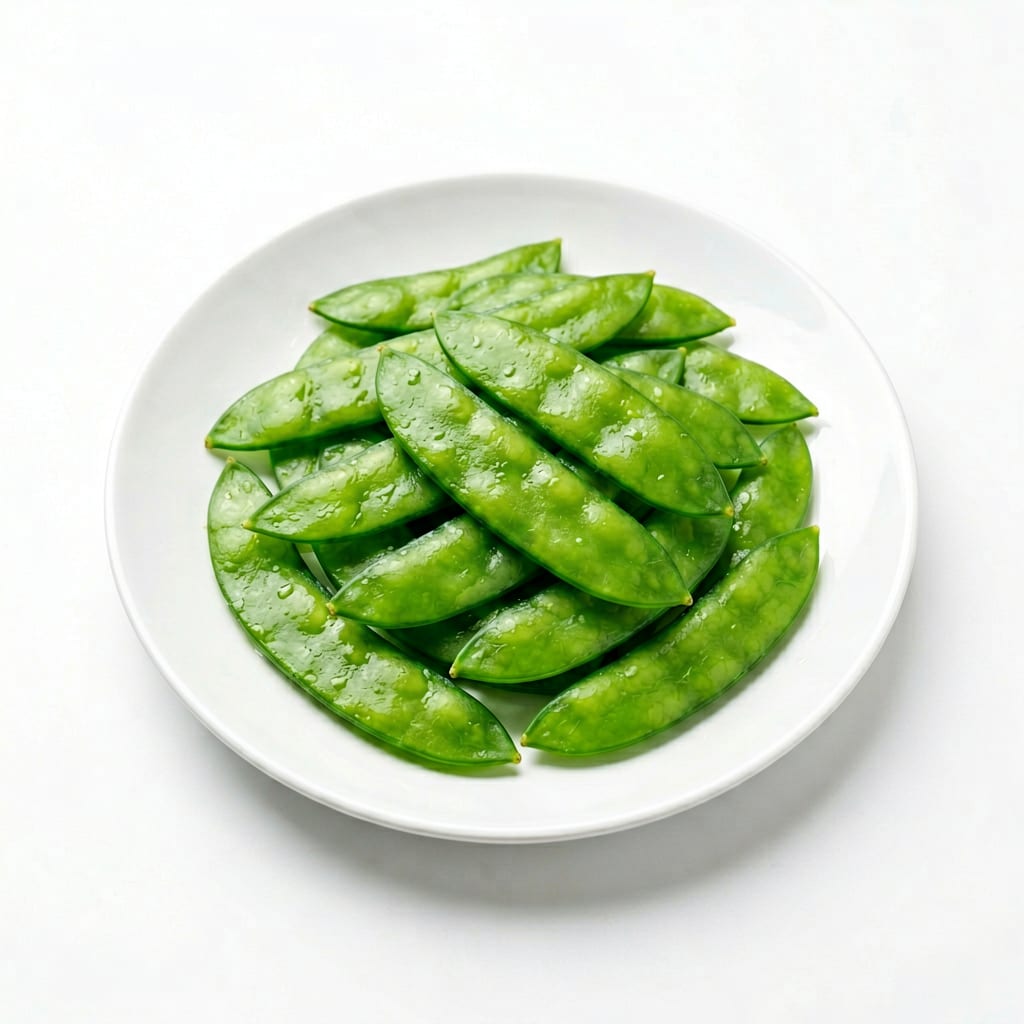
Snow Pea
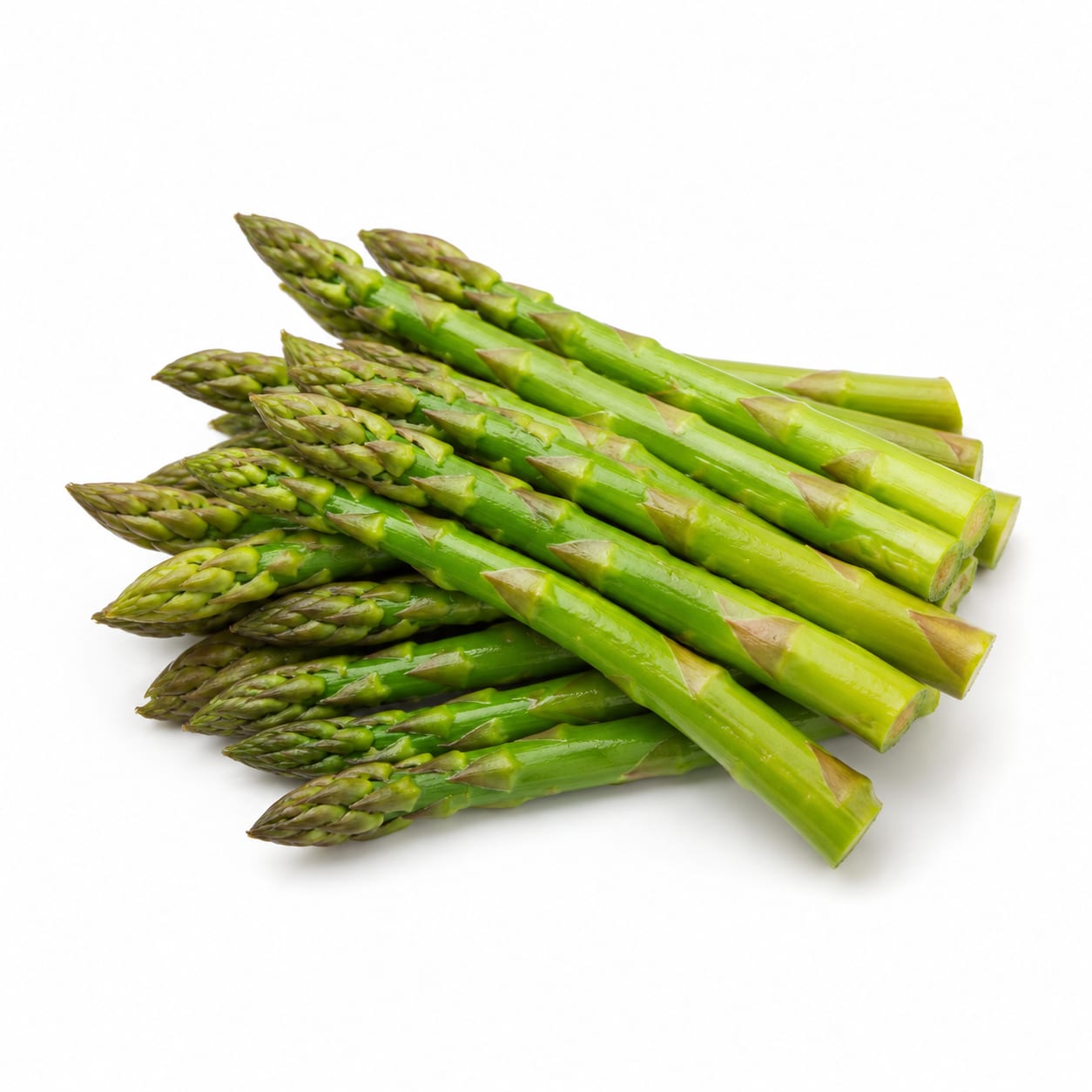
Asparagus
Snow Peas are sweeter and crunchier, perfect raw or in stir-fries; Asparagus is richer in folate and vitamin K, ideal as a roasted savory side.
Asparagus edges ahead slightly due to superior folate and vitamin K content, but Snow Peas win on raw convenience and versatility, keeping scores very close.
Crunchy sweetness and raw convenience (Snow Peas) versus deeper savory flavor and higher folate density (Asparagus).
At a glance
Executive summary
Overall
It depends
Healthier
It depends
More practical
Snow Pea
Daily use
It depends
Key comparison lenses
Low-calorie vegetable side dish selection
Both are popular light vegetables often swapped in meals
Nutrient density comparison
Users want to know which offers more vitamins per calorie
Raw vs cooked culinary use
Snow peas are great raw, asparagus usually needs cooking
Best choice for
Snow Pea
- Quick raw snacks and lunchboxes
- Stir-fries and fast cooking
- Adding crunch to salads
Asparagus
- Prenatal nutrition and folate needs
- Roasted or grilled side dishes
- Supporting bone health
Least suitable for
Snow Pea
- Those needing high folate intake
- Heavy roasted vegetable medleys
Asparagus
- Raw vegetable platters
- Quick-cooking stir-fries
Deep comparison
Dimension by dimension
Each lens scores both foods and breaks down who each option suits.
- Dimension 1 · Priority 90Asparagus
Vitamin & Mineral Density
Snow Pea · 70Asparagus · 92Asparagus is a nutritional powerhouse, delivering significantly more folate, vitamin K, and vitamin A compared to Snow Peas.
Tradeoff
You get more B-vitamins and bone-supporting nutrients with Asparagus, but Snow Peas offer slightly more vitamin C.
Why it matters
Folate is crucial for cell division and pregnancy, while vitamin K supports bone strength and blood clotting.
Real-world impact
Eating Asparagus regularly can make a noticeable dent in your daily folate needs, which is harder to achieve with Snow Peas alone.
Snow Pea
- Boosting vitamin C intake
Better for
- Pregnancy dietary needs
Worse for
Asparagus
- Meeting daily folate requirements
- Supporting bone density
- Prenatal nutrition
Better for
- Immune support via vitamin C
Worse for
- Dimension 2 · Priority 85Snow Pea
Culinary Versatility & Convenience
Snow Pea · 90Asparagus · 75Snow Peas are incredibly versatile—delicious raw, lightly steamed, or tossed in a stir-fry with zero prep time. Asparagus requires trimming and usually needs cooking to be palatable.
Tradeoff
Snow Peas offer grab-and-go snacking, while Asparagus demands cooking but rewards you with a rich, savory depth.
Why it matters
Convenience often dictates what you actually eat daily. If a vegetable is easy to prep raw, you are more likely to eat it.
Real-world impact
Snow Peas are a stress-free addition to a lunchbox or salad, whereas Asparagus is better suited for a planned dinner side.
Snow Pea
- Quick raw snacking
- Lunchbox additions
- Fast stir-fry meals
Better for
- Hearty roasted dishes
Worse for
Asparagus
- Elegant dinner sides
- Roasting and grilling
Better for
- On-the-go snacking
- No-cook meal prep
Worse for
- Dimension 3 · Priority 80It depends
Digestive Health & Fiber
Snow Pea · 85Asparagus · 85Snow Peas provide slightly more total fiber per serving, but Asparagus contains inulin, a powerful prebiotic that feeds beneficial gut bacteria.
Tradeoff
More roughage and bowel regularity from Snow Peas versus better gut microbiome support from Asparagus.
Why it matters
A healthy gut impacts everything from immunity to mood, making prebiotics highly valuable.
Real-world impact
Snow Peas keep things moving smoothly through your digestive tract, while Asparagus helps cultivate a healthier gut ecosystem over time.
Snow Pea
- Increasing daily fiber intake
- Promoting regular bowel movements
Better for
- Prebiotic diversity
Worse for
Asparagus
- Feeding beneficial gut bacteria
- Long-term microbiome health
Better for
- Total fiber bulk
Worse for
- Dimension 4 · Priority 75It depends
Blood Sugar & Satiety
Snow Pea · 80Asparagus · 82Both are extremely low in calories and have a minimal impact on blood sugar, making them excellent choices for steady energy.
Tradeoff
Snow Peas have slightly more natural sugar for a quick crunch, while Asparagus feels slightly more filling per calorie due to its dense spear structure.
Why it matters
Low-calorie, high-volume foods help you stay full without spiking blood sugar.
Real-world impact
Neither will cause an afternoon energy crash, but Asparagus might feel a bit more satisfying as a standalone side dish.
Snow Pea
- A sweet crunch without the sugar spike
Better for
- Volume eating satisfaction
Worse for
Asparagus
- Maximum fullness for minimal calories
Better for
- Satisfying a sweet craving
Worse for
Timeline
Health impact over time
Short-term
Hours to days
Snow Pea
- Provides quick hydration and a light, energizing crunch
- Satisfies the urge to snack with minimal calories
Asparagus
- Acts as a natural diuretic, reducing bloating
- Feels surprisingly filling for such a low-calorie food
Long-term
Months to years
Snow Pea
- Supports immune health and skin via consistent vitamin C intake
- Promotes healthy digestion through steady fiber consumption
Asparagus
- Protects bone density and blood health with high vitamin K
- Crucial for preventing neural tube defects during early pregnancy due to folate
Risk profile
Safety & processing
Both Snow Peas and Asparagus are whole, natural vegetables typically consumed in their unprocessed state.
Snow Pea
Pesticide residue
mediumSnow Peas are often eaten whole and raw, meaning any surface pesticides are ingested directly unless washed thoroughly.
Asparagus
Urine odor changes
lowAsparagus contains asparagusic acid, which breaks down into sulfur compounds that cause a strong urine smell. This is completely harmless.
Pesticide residue
lowAsparagus is on the Clean Fifteen list, meaning it typically has very low pesticide residues.
Who wins for whom
Audience fit
Same foods, different winners depending on your goal.
children
Snow PeaSnow Peas are sweeter, crunchier, and fun to eat raw, making them far more appealing to kids.
daily consumption
It dependsSnow Peas are easier to eat raw daily, but Asparagus offers deeper nutritional benefits if you have time to cook it.
diabetes
It dependsBoth have negligible impacts on blood sugar and are excellent choices for diabetic diets.
elderly
AsparagusAsparagus provides softer texture when cooked and delivers high folate and vitamin K, which are critical for older adults.
muscle gain
It dependsNeither is a significant protein source, though both are great low-calorie sides to accompany protein-rich meals.
weight loss
It dependsBoth are extremely low in calories and high in volume, making them perfect for weight loss diets.
Your move
Decision guide
Choose Snow Pea
- You want a crunchy, sweet snack you can eat raw
- You are making a stir-fry or Asian-inspired dish
- You need a low-prep vegetable for a lunchbox
Choose Asparagus
- You are planning a roasted or grilled dinner side
- You are pregnant or trying to conceive and need more folate
- You want to support bone health and gut bacteria
Either works if
- You simply need a low-calorie, nutrient-dense vegetable
- You are trying to add more volume to your meals without adding calories
Avoid both if
- You have severe IBS or FODMAP sensitivities, as both can trigger bloating
Final recommendation
Keep both in your rotation. Use Snow Peas for quick, raw crunch during the day, and Asparagus for savory, nutrient-packed dinners at night.
Practical
Consumer tips
- 1
Wash Snow Peas thoroughly since you eat the entire pod and they often carry surface residue.
- 2
Snap off the woody bottom ends of Asparagus before cooking—they break naturally at the right point.
- 3
Buy both vegetables fresh and use them within a few days, as they lose sweetness and crispness quickly.
- 4
If you have a FODMAP sensitivity, limit portion sizes of both to avoid bloating.