
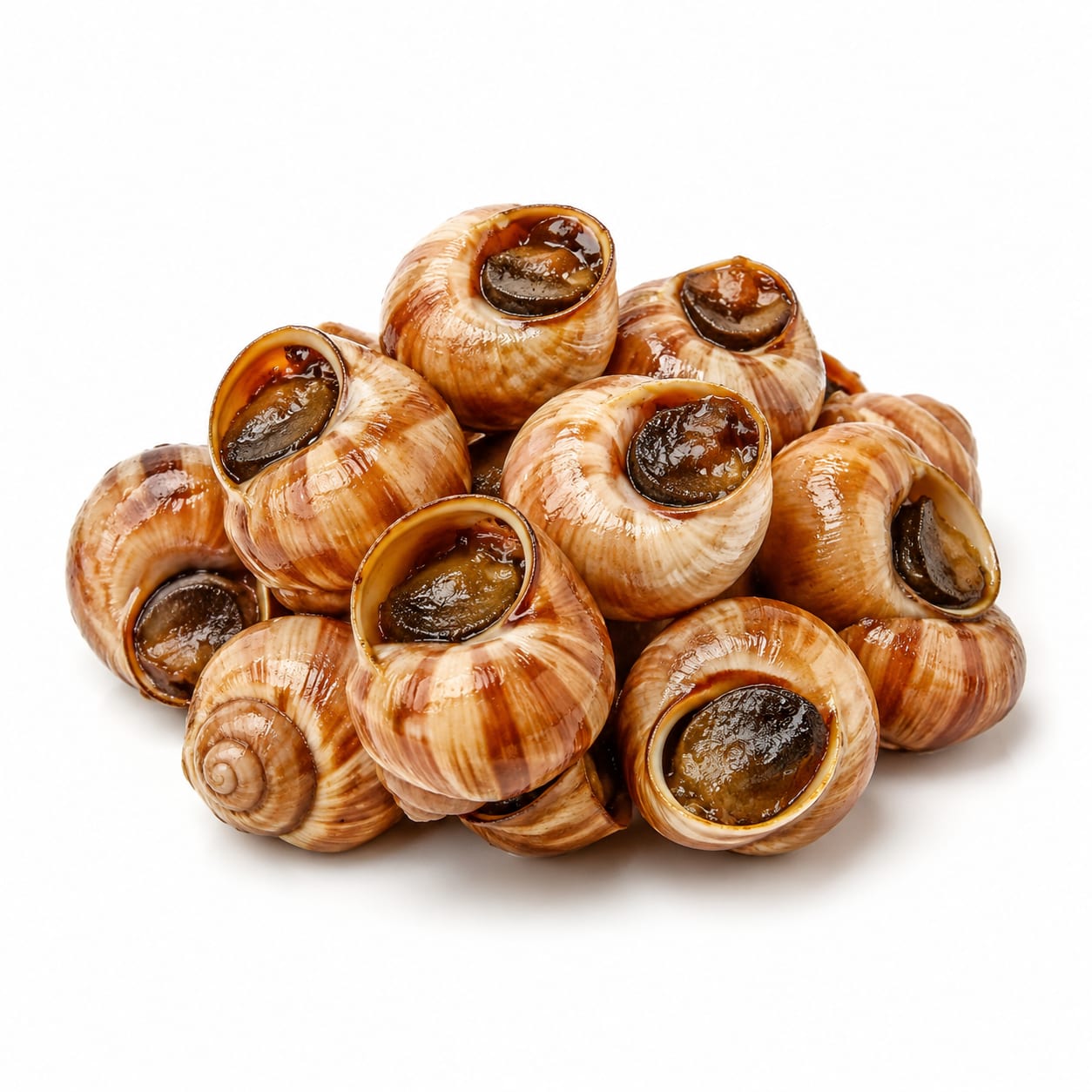
Mollusk
Snail
A high-protein, low-calorie edible mollusk often consumed in French cuisine as escargot.
Edible land or sea snails, commonly consumed as escargot or in various traditional dishes worldwide, known for their exceptionally high protein and low fat content.
protein-dense low-fat mollusk
Typical serving · 85g
Common varieties · helix pomatia, helix aspersa, giant african snail, sea snail, apple snail
Overall context score across nutrition, safety, and diet fit
At a glance
Quick facts
Simple indicators based on nutrition, processing, and diet fit.
The story
What makes it unique
Snails are a fast-digesting, high-protein, low-fat animal food source. They provide high satiety due to their dense protein content and have a negligible impact on blood sugar. As whole, minimally processed organisms, they retain a natural macronutrient profile.
Varieties: helix pomatia · helix aspersa · giant african snail · sea snail · apple snail
Per 100g
Nutrition breakdown
Macro balance and key metrics at a glance.
Energy
Density 0.90 kcal/g
Protein
Carbs
Fat
Fiber
Sugar
0 g
Sodium
70 mg
Potassium
382 mg
Glycemic index
0
Glycemic load
0
Water content
79%
Standout compounds
Nutrient highlights
Protein
highSupports muscle growth, repair, and satiety
Vitamin B12
highEssential for nerve function and red blood cell formation
Iron
moderateHelps transport oxygen in the blood
Selenium
moderateActs as an antioxidant and supports thyroid function
Magnesium
moderateSupports muscle and nerve function
Wellness map
Health scores & processing
NOVA processing scale
minimally processed · Whole food
Fresh or frozen snails are whole, unrefined foods. Canned snails may contain added salt, moving them slightly toward processed, but they remain fundamentally intact.
Diet compatibility
- Weight loss
- Muscle gain
- Diabetes
- Gut health
- Low carb
- High protein
- Heart health
Relative standing
Food rankings
Qualitative ranks compared to similar whole foods.
- Satietyexcellent
- Blood sugarexcellent
- Nutrient densitygood
- Fitness fuelgood
- Processing qualityexcellent
Eat with confidence
Food safety profile
Snails must be thoroughly cooked to eliminate parasites like the rat lungworm. Farmed snails are generally safer than wild-caught varieties, which require extensive purging to clear their digestive systems of potential toxins.
Evidence confidence 85%
- Pesticidesmoderate
- Antibioticslow
- Heavy metalsmoderate
- Contaminationhigh
Watch for
- rat lungworm
- salmonella
- e. coli
- heavy metals
Safer choices
Farmed snails from reputable suppliers
Prep tips
Purge live snails with cornmeal or flour for several days before cooking, and always cook thoroughly to an internal temperature of at least 165°F (74°C).
Farming and purging regulations vary by region; wild-caught snails carry higher risks of parasite transmission.
Deep dive
Health analysis
How this food may fit different goals and preparation choices.
Weight loss
Extremely low energy density and high protein content promote fullness and reduce overall calorie intake.
Blood sugar
Virtually zero carbohydrates mean no glycemic spike, making it ideal for glucose management.
Fitness & energy
Rich in complete protein to support muscle repair, though it lacks the fast-absorbing carbs needed for immediate glycogen replenishment.
Gut health
Lacks dietary fiber, so it does not actively support bowel regularity or feed gut microbiota.
Processing quality
Typically consumed as a whole food; however, restaurant preparations like escargot often drown them in butter, drastically altering the fat profile.
Food safety
Strict cooking and sourcing protocols are mandatory due to parasite risks; never eat raw snails.
Common mistakes
Assuming escargot is low-calorie without accounting for the garlic butter sauce it is typically served in.
Best preparation
Boiling or steaming followed by baking with minimal added fats to preserve the naturally lean macronutrient profile.
Practical guide
Best use cases
When and how this food fits real eating patterns.
Lean muscle building
Provides a dense source of complete protein with minimal fat to support muscle repair and growth.
Strict low-carb diets
Contains almost zero carbohydrates, fitting easily into keto or carnivore eating plans.
Calorie-controlled gourmet meals
Offers a rich culinary experience without the high calorie cost of traditional red meats.
Balance sheet
Pros & cons
Upsides
- Extremely high protein-to-calorie ratio
- Virtually zero carbohydrates
- Rich in vitamin B12 and iron
- Very low in fat naturally
- Sustainable and efficient protein source
Trade-offs
- High risk of parasites if eaten raw or undercooked
- Requires extensive purging and preparation if bought live
- Restaurant preparations often add large amounts of butter
- Lacks dietary fiber
- Cultural aversion limits accessibility for some
Fit check
Who is it for?
Great match
- high-protein low-calorie diets
- keto diets
- blood sugar management
- iron supplementation
Consider alternatives
- those seeking dietary fiber
- raw food diets
- people with shellfish or mollusk allergies
Side by side
How it compares
Open the full head-to-head analysis for nutrition, safety, and practical tradeoffs.
This food
Snail
VS95% alike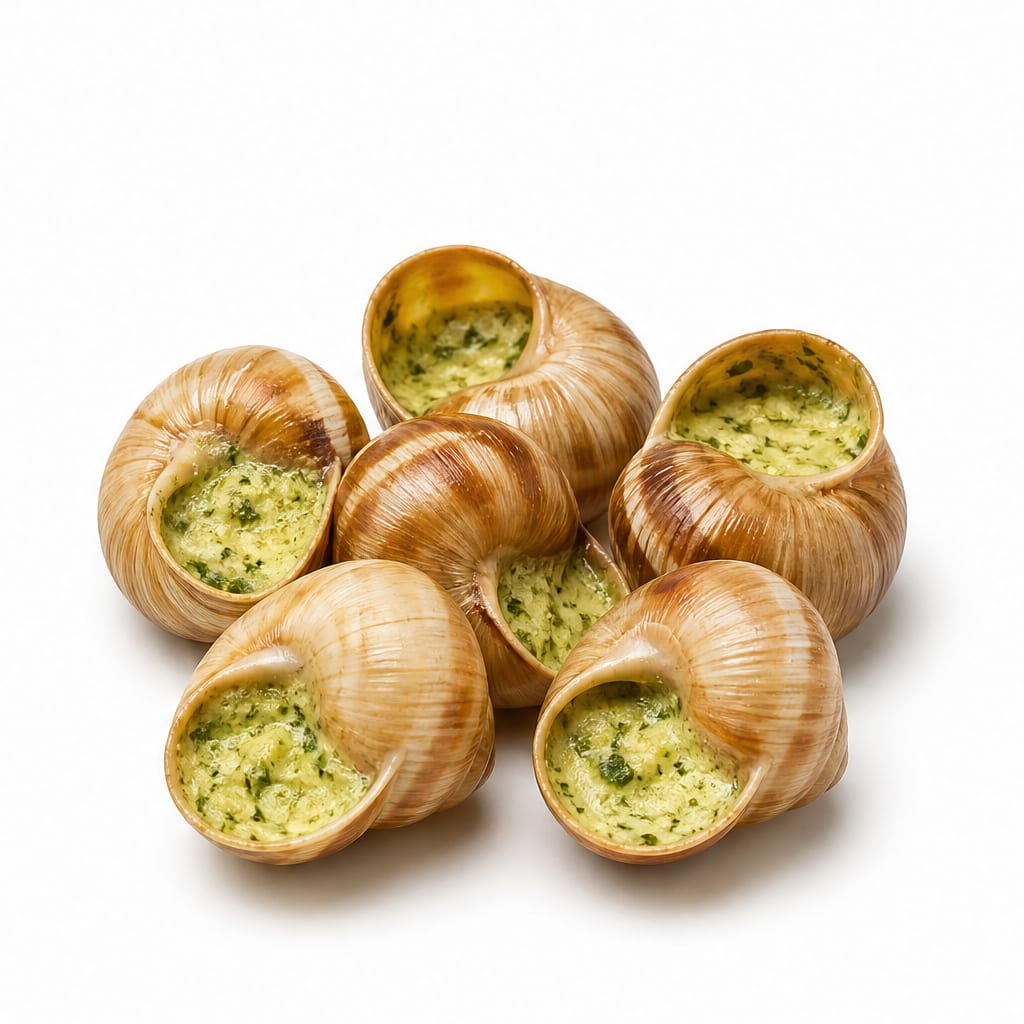
Compare with
Escargot in garlic butter
Raw snail is lean, while escargot in garlic butter is very high in fat and calories.
Plain snails are much lower in calories than escargot drenched in butter.
This food
Snail
VS85% alike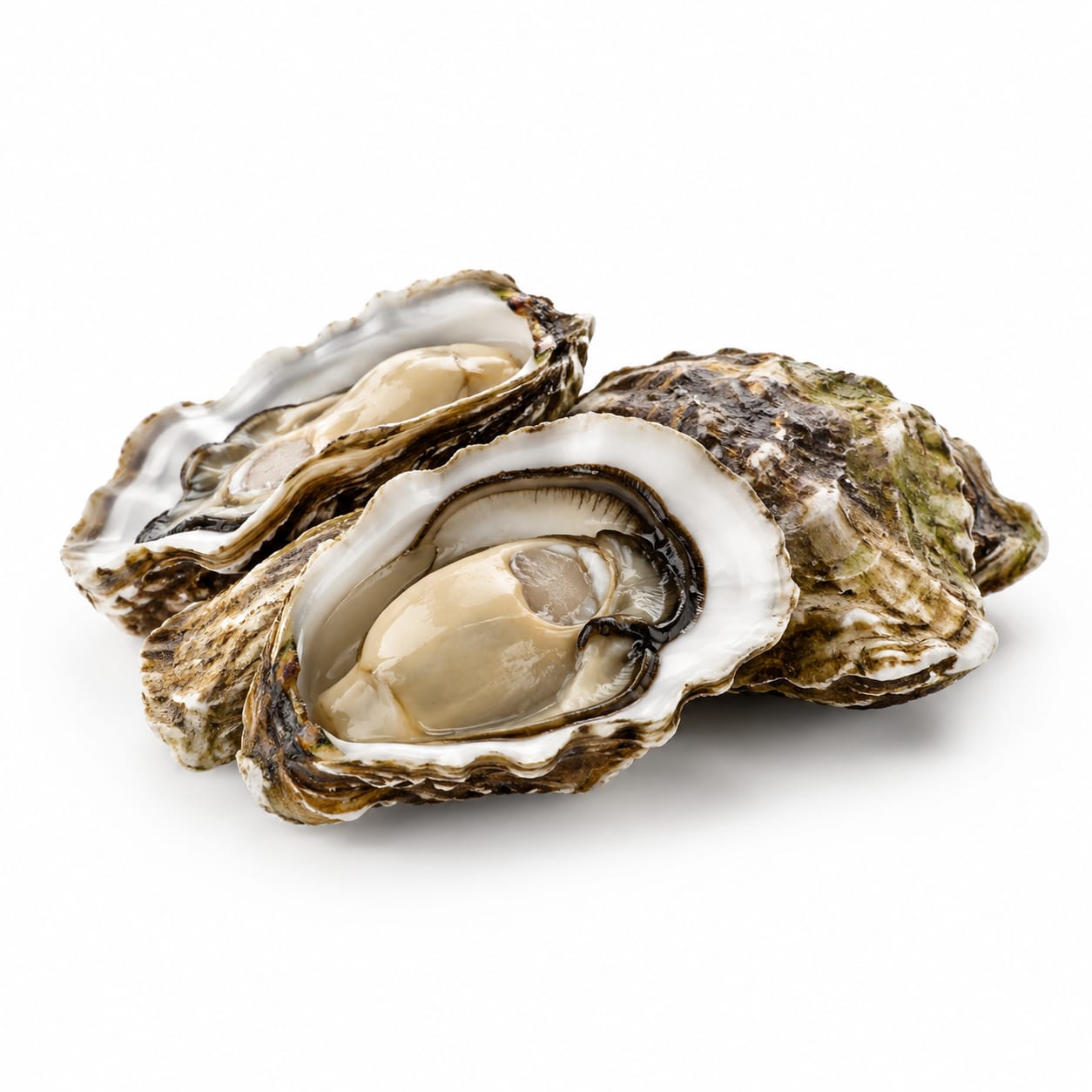
Compare with
Oyster
Snails are higher in protein and lower in calories, while oysters offer more zinc.
Snails provide more protein per calorie than oysters.
This food
Snail
VS80% alike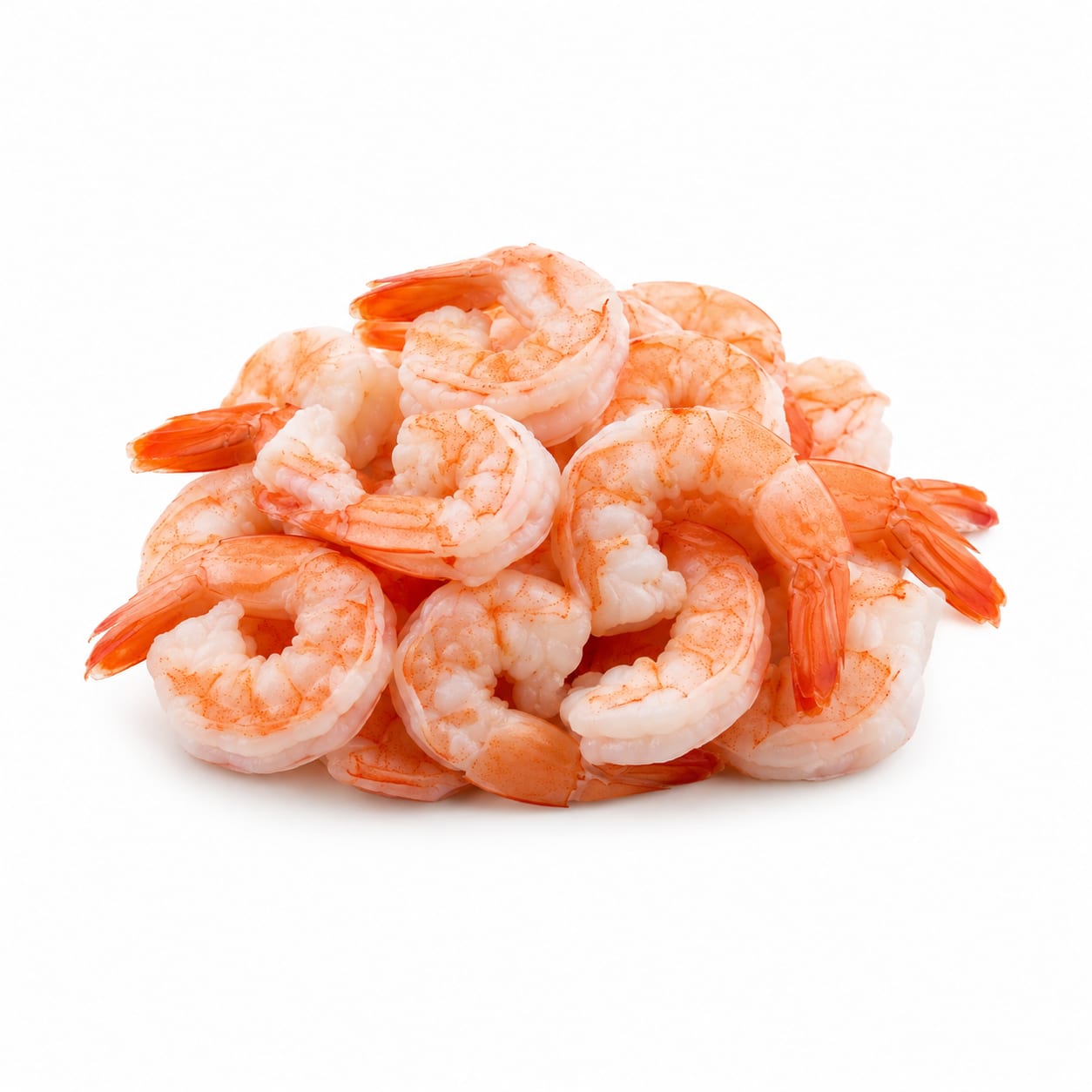
Compare with
Shrimp
Shrimp is slightly higher in cholesterol, while snails offer more iron.
Snails and shrimp are both excellent lean proteins, but snails are slightly lower in calories.
This food
Snail
VS80% alike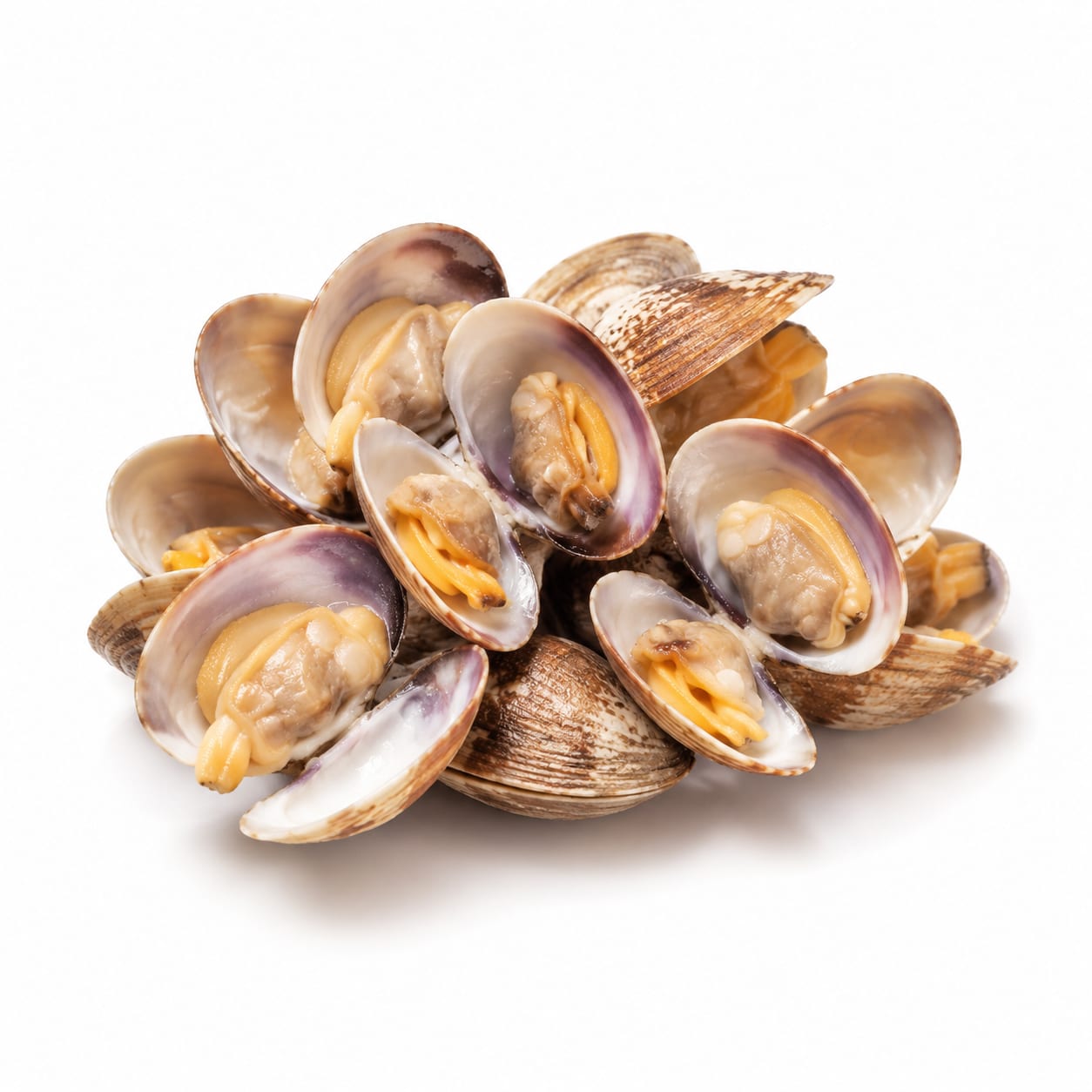
Compare with
Clam
Clams have more vitamin B12 and carbs, while snails are leaner and higher in protein.
Snails are a leaner, higher-protein choice compared to clams.
This food
Snail
VS80% alike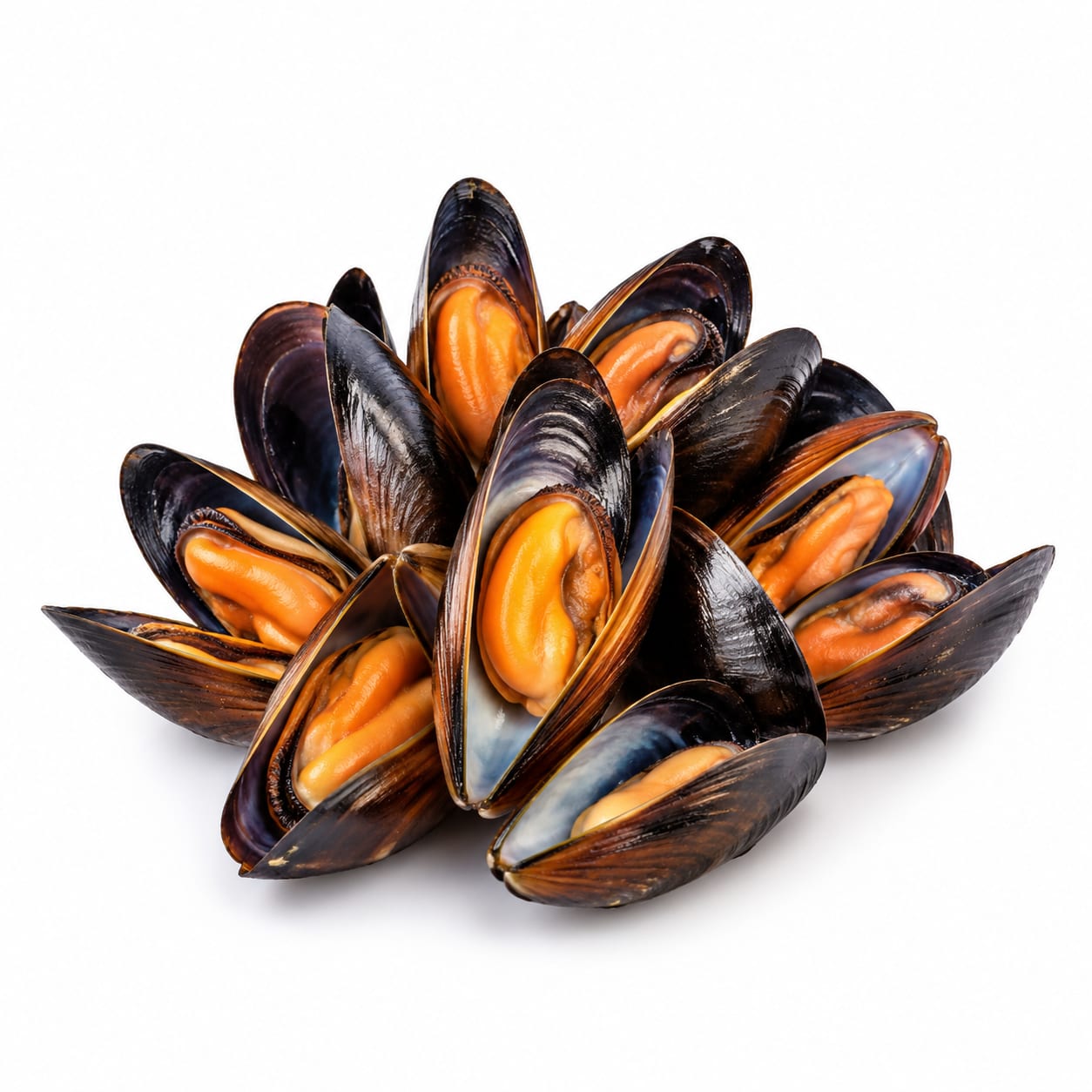
Compare with
Mussel
Mussels are higher in omega-3s, while snails are lower in fat and calories.
Snails beat mussels for weight loss due to lower calories and fat.
This food
Snail
VS70% alike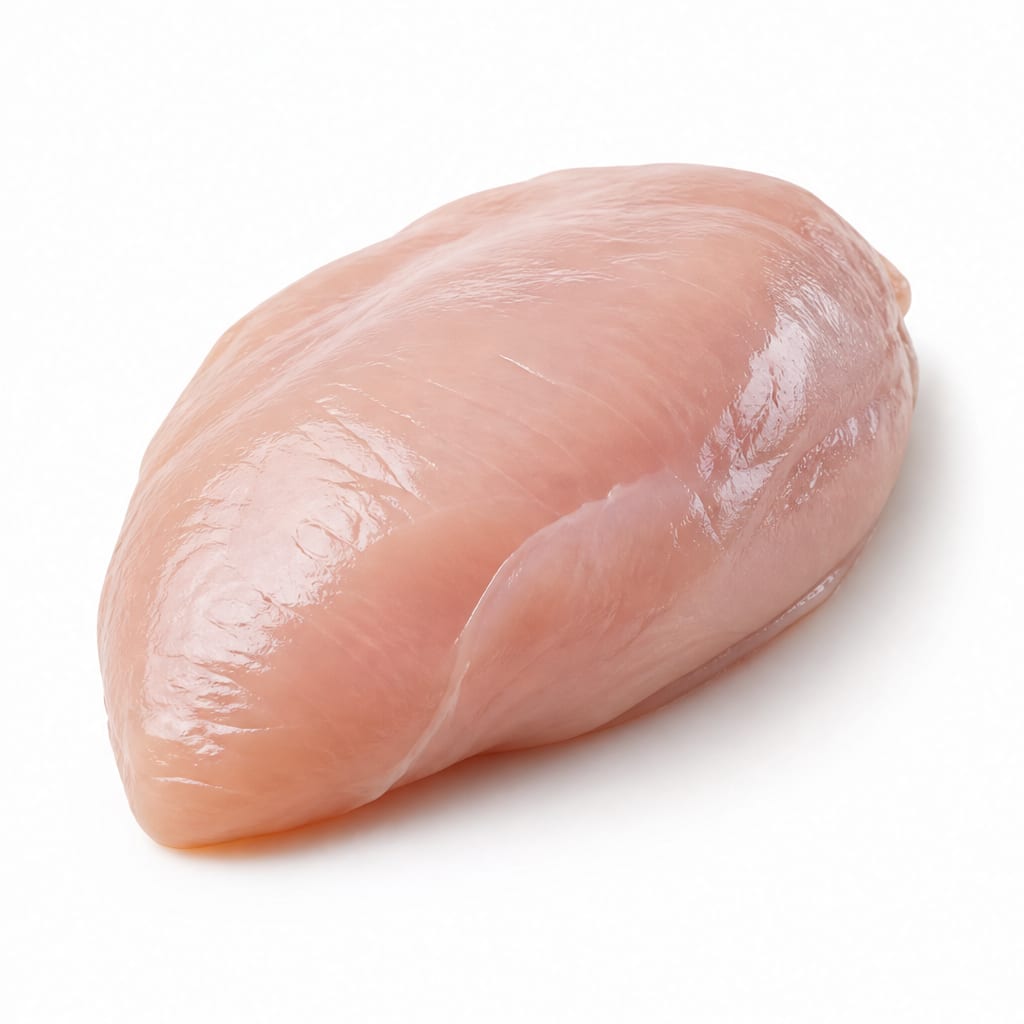
Compare with
Chicken Breast
Chicken breast is slightly higher in fat and calories but more universally accepted.
Snails are slightly leaner than chicken breast, offering more protein per calorie.
This food
Snail
VS60% alike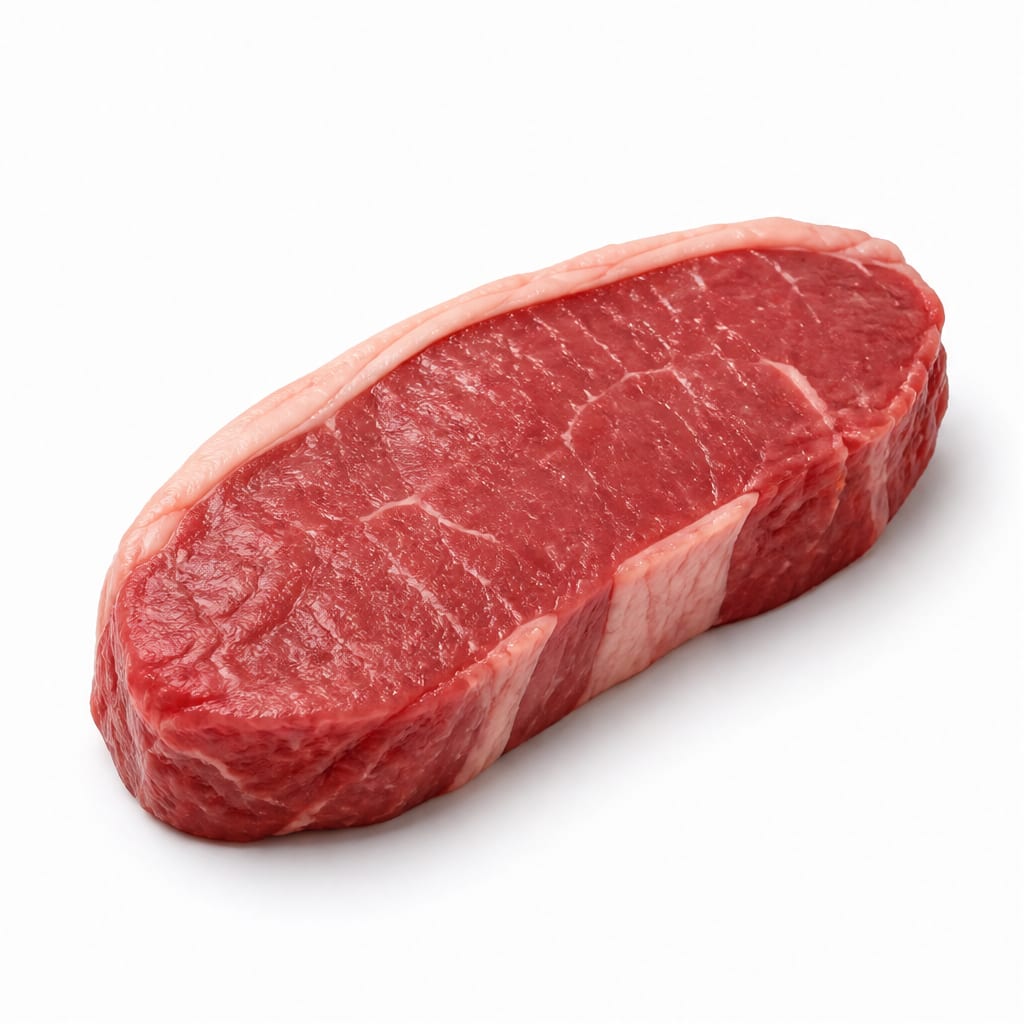
Compare with
Beef Sirloin
Snails are dramatically lower in fat and calories than beef sirloin.
Snails provide similar protein to beef sirloin with a fraction of the fat and calories.
This food
Snail
VS75% alike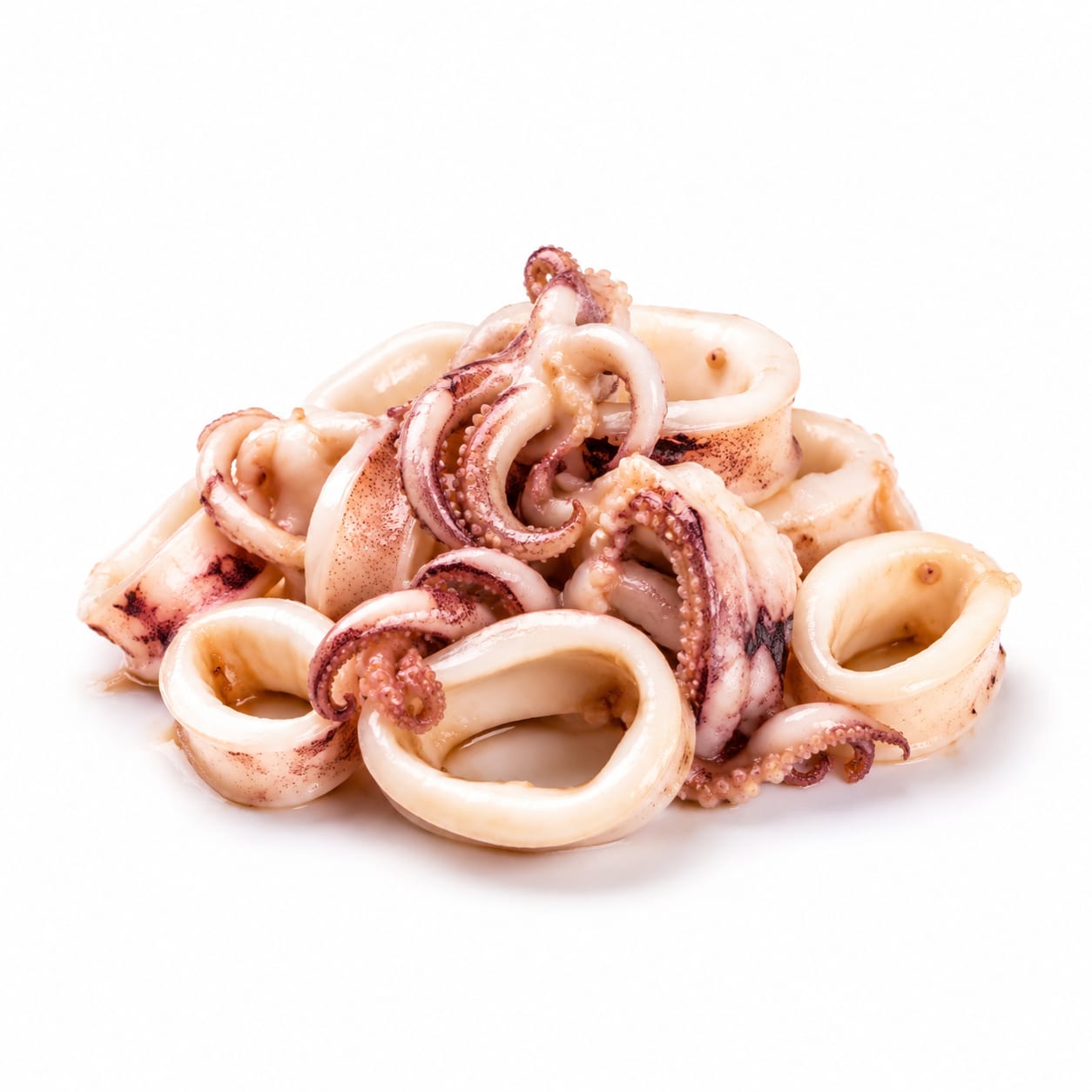
Compare with
Squid
Both are very low in fat, but squid has slightly more cholesterol.
Snails and squid are comparable lean proteins, both excellent for low-calorie diets.
This food
Snail
VS75% alike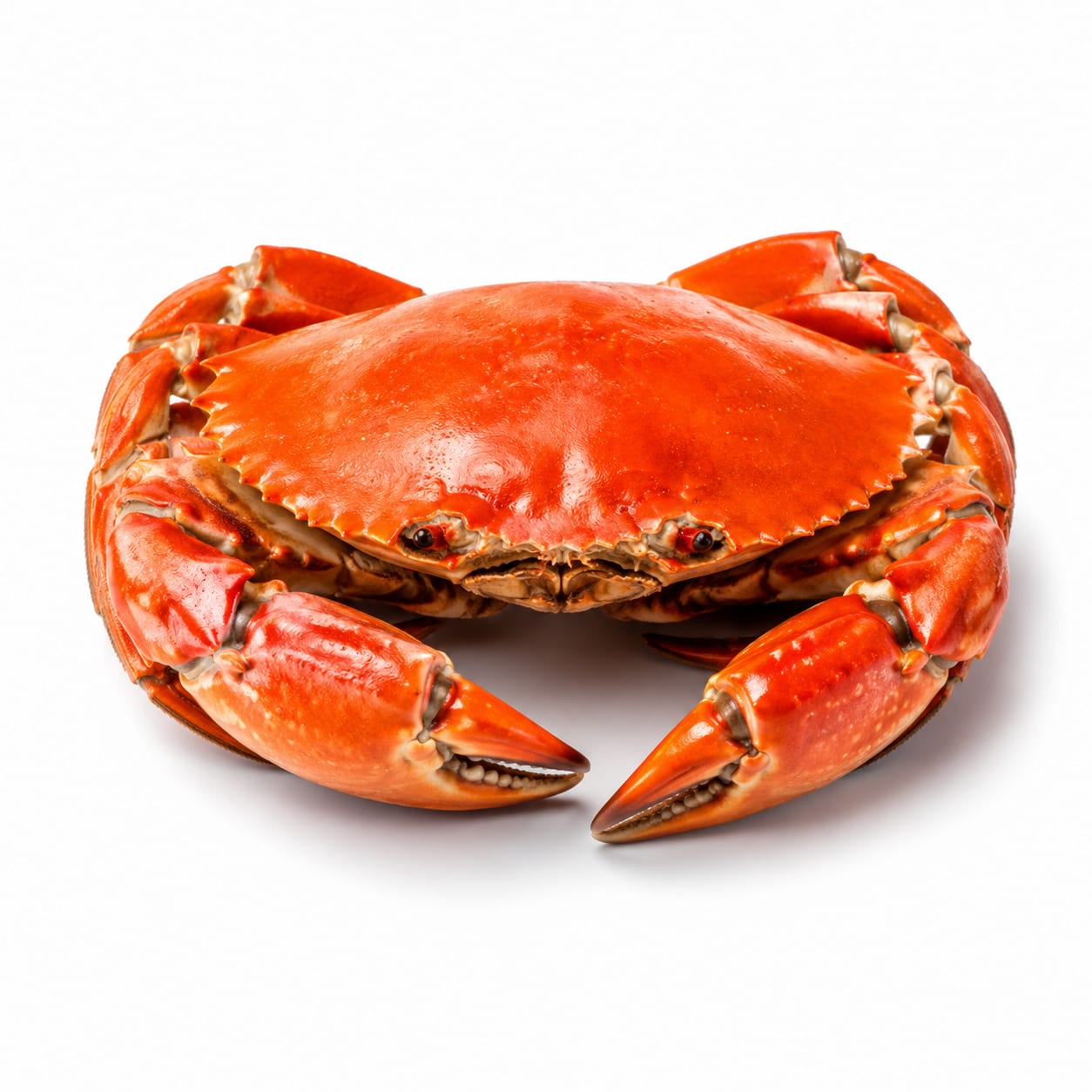
Compare with
Crab
Crab is lower in calories but also lower in protein density than snail.
Crab is slightly lower in calories, but snails offer more protein per serving.
This food
Snail
VS50% alike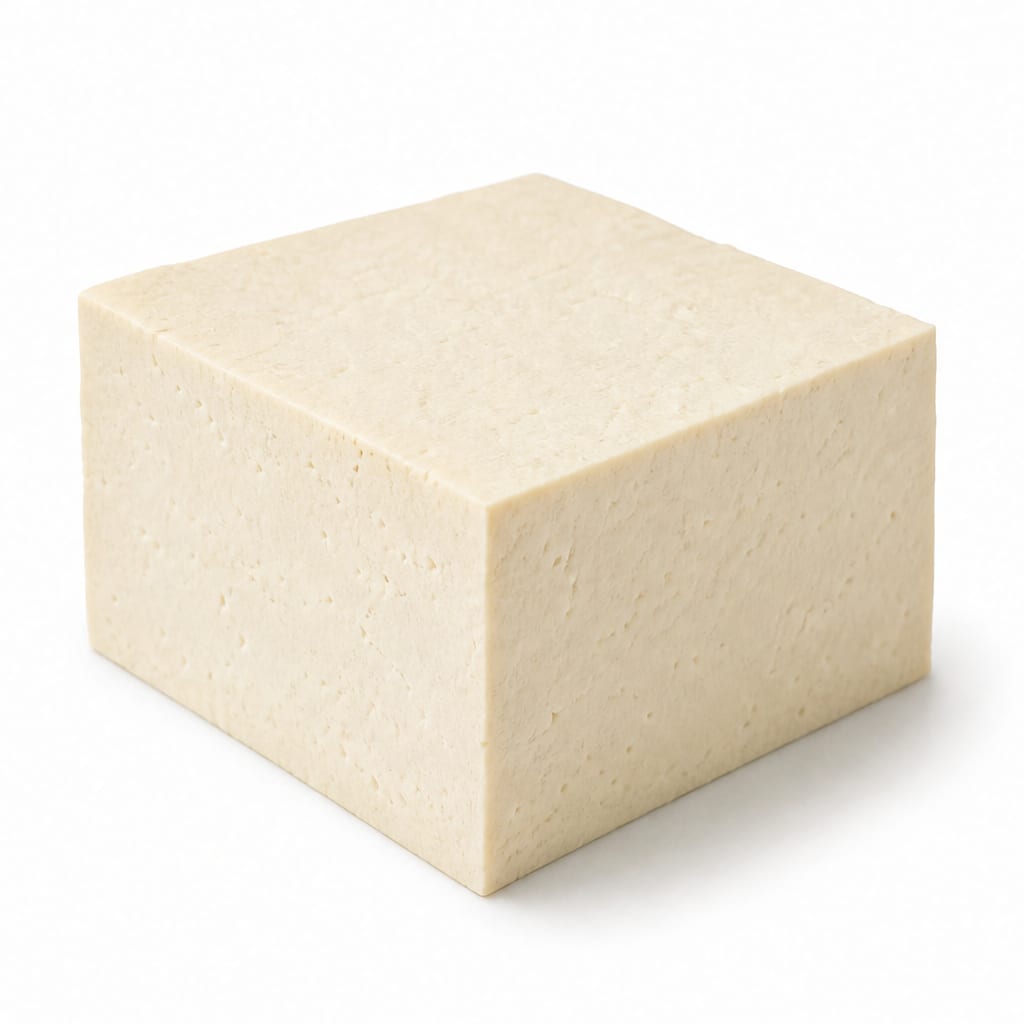
Compare with
Tofu
Tofu contains plant protein and fat, while snail is an animal protein with almost no fat.
Snails are much lower in calories and fat than tofu while providing denser protein.
Common questions
FAQ
Answers aligned with how people search for this food.
Are snails good for weight loss?
Yes, they are very low in calories and high in protein, which helps control appetite and maintain muscle mass during a calorie deficit.
How much protein is in a snail?
There are about 16 grams of protein in a 100-gram serving of raw snails, making them over 50% protein by dry weight.
Is it safe to eat snails?
Snails are safe to eat if thoroughly cooked to kill parasites like the rat lungworm. Never eat them raw or undercooked.
Are snails keto friendly?
Yes, snails are virtually carb-free, making them an excellent protein choice for ketogenic and low-carb diets.
Can diabetics eat snails?
Yes, snails have zero glycemic impact and will not raise blood sugar levels, making them a safe protein source for diabetics.
Why is escargot so high in calories?
Escargot itself is low in calories, but the traditional preparation involves heavy garlic butter, which significantly increases the fat and calorie content.
Do snails have omega-3?
Snails contain small amounts of omega-3 fatty acids, though significantly less than oily fish like salmon.
Transparency
Data confidence
Estimated confidence for nutrition data, interpretation, safety notes, and comparisons.
Nutrition data
Health analysis
Food safety
Comparisons