
Nutrition comparison
Snail vs Tofu: Protein, Iron, Safety, and Which Is Better for You
Compare snail and tofu on protein quality, iron content, food safety, and everyday practicality. Learn which is better for anemia, weight loss, muscle gain, and daily meals.
Overall winner · Tofu
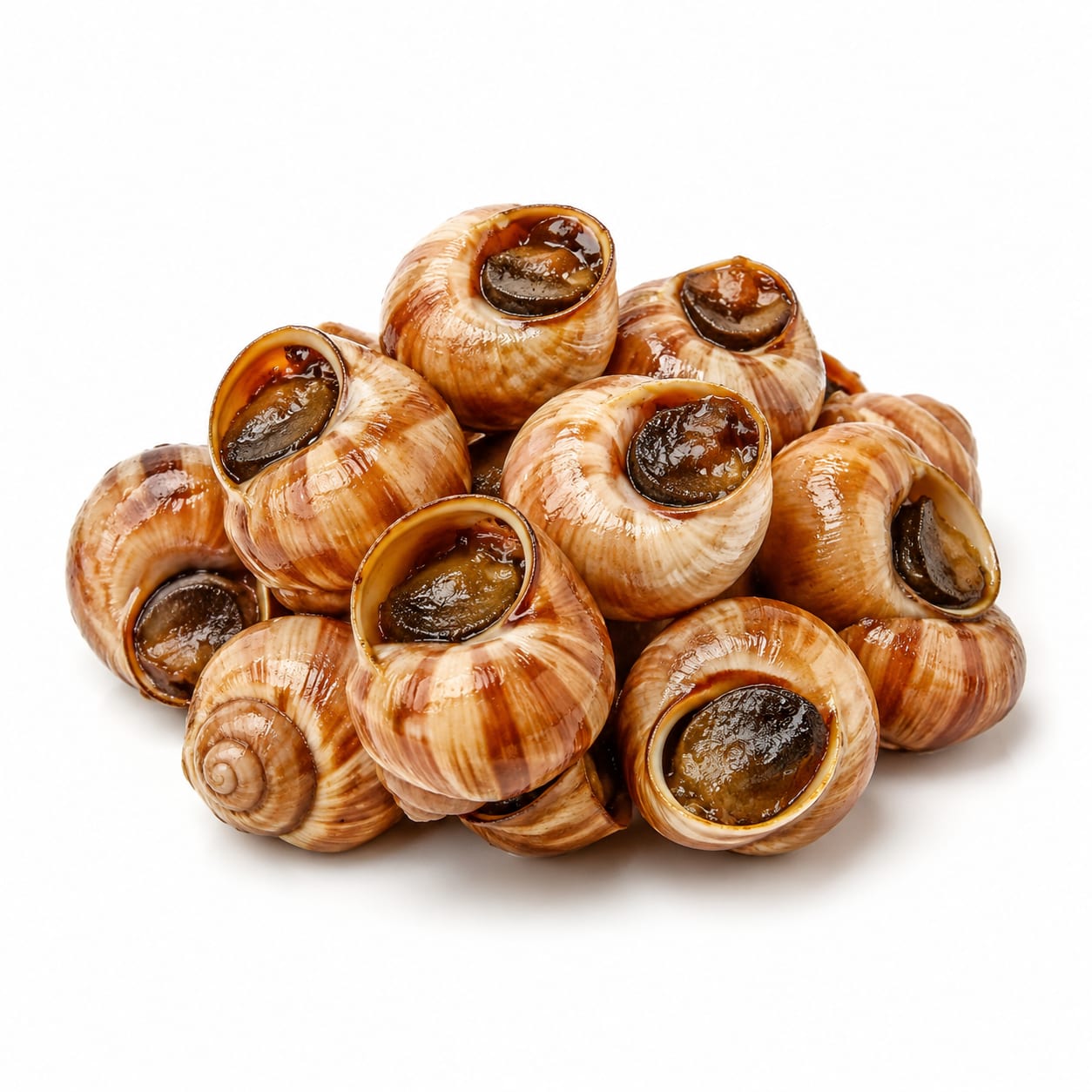
Snail
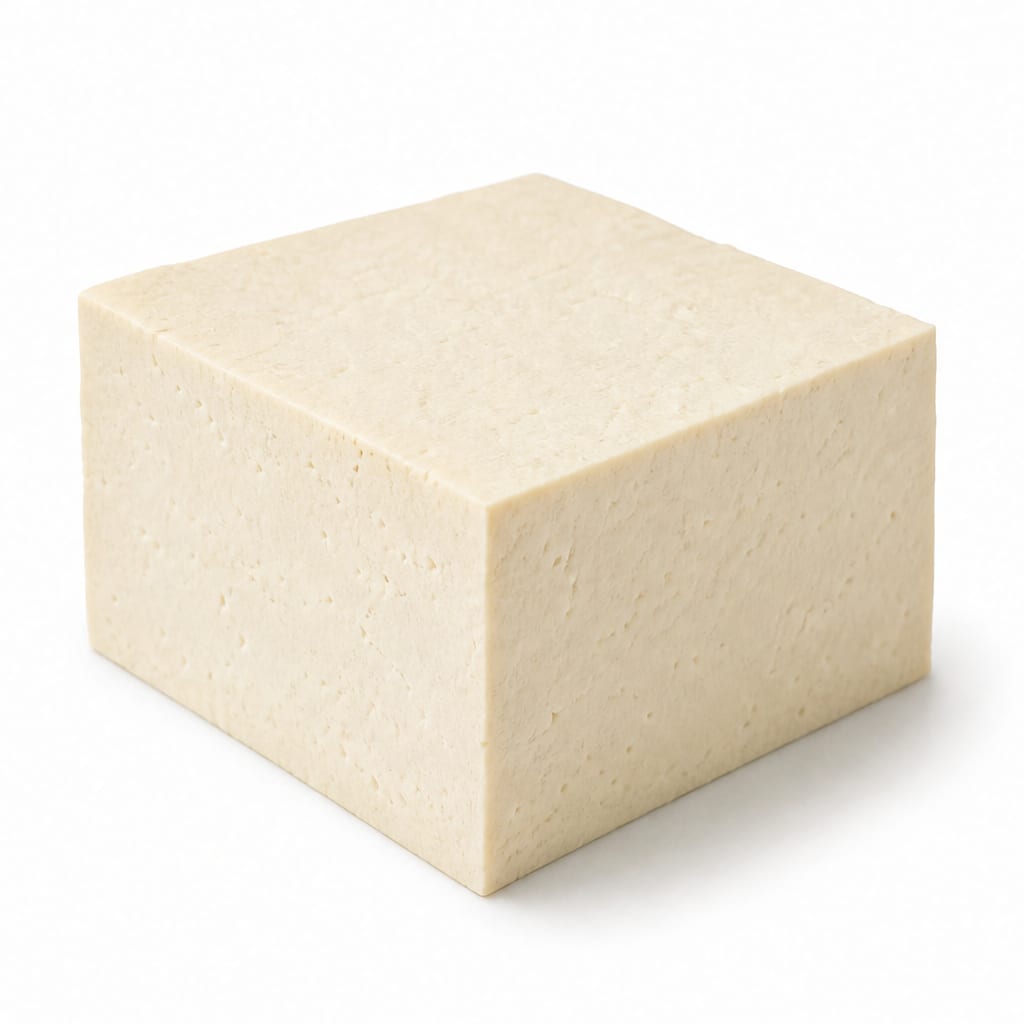
Tofu
Tofu wins for everyday practicality, safety, and versatility, but snail delivers superior iron and B12 for those who can source and prepare it properly.
Tofu scores notably higher due to safety, accessibility, and daily usability advantages. Snail earns strong micronutrient scores but loses ground on food safety risks, limited availability, and preparation complexity. The gap reflects real-world practicality as much as nutritional merit.
Snail offers unmatched heme iron and vitamin B12 but demands careful cooking and carries parasite risks; tofu provides safe, convenient, plant-based protein with added heart-health benefits but lacks B12 entirely.
At a glance
Executive summary
Overall
Tofu
Healthier
It depends
More practical
Tofu
Daily use
Tofu
Key comparison lenses
animal vs plant protein quality
Snail offers complete heme-iron-rich animal protein while tofu provides plant-based protein with different amino acid profiles and no cholesterol
food safety and contamination risk
Snails carry significant parasite and bacterial contamination risks requiring careful preparation, while tofu poses minimal acute safety concerns
accessibility and everyday practicality
Tofu is universally available and easy to prepare; snails are region-specific and require specialized sourcing and cooking knowledge
iron deficiency and anemia prevention
Snail is remarkably rich in heme iron and B12, making it relevant for anemia-prone individuals comparing it to plant iron sources
cultural acceptance and dietary fit
Snail consumption is culturally specific and may face aversion; tofu is widely accepted across vegetarian and mainstream diets globally
Best choice for
Snail
- People with iron-deficiency anemia needing heme iron
- Those seeking B12 from whole food sources besides red meat
- Adventurous eaters in regions where snail is traditional cuisine
- Anyone wanting high protein with extremely low fat content
Tofu
- Vegetarians and vegans needing reliable daily protein
- People concerned about food safety and parasite exposure
- Home cooks wanting versatile, affordable protein
- Those managing cholesterol or cardiovascular risk
Least suitable for
Snail
- Immunocompromised individuals due to parasite risk
- People unfamiliar with safe snail preparation
- Anyone with mollusk allergies
- Those seeking convenient weeknight meals
Tofu
- People with soy allergies or sensitivities
- Those avoiding soy for thyroid concerns without medical guidance
- Individuals needing B12 from food sources alone
Deep comparison
Dimension by dimension
Each lens scores both foods and breaks down who each option suits.
- Dimension 1 · Priority 90Snail
Protein Quality & Completeness
Snail · 88Tofu · 74Snail provides a complete animal protein with all essential amino acids in highly bioavailable forms, plus heme iron and B12. Tofu offers good plant protein but with slightly lower methionine content and no B12.
Tradeoff
Snail delivers superior protein bioavailability and micronutrients but requires cooking to neutralize pathogens; tofu is ready-to-eat and safe but nutritionally incomplete without pairing.
Why it matters
Protein quality affects how efficiently your body builds and repairs tissue. Complete proteins with high digestibility matter more for older adults, athletes, and recovering individuals.
Real-world impact
A snail-based meal supports muscle recovery and red blood cell production more effectively per calorie. Tofu needs complementary grains or seeds to match amino acid completeness.
Snail
- Post-surgical recovery needing highly bioavailable protein
- Anemic individuals requiring heme iron alongside protein
Better for
- Quick post-workout meals requiring immediate preparation
Worse for
Tofu
- Consistent daily protein intake without cooking complexity
- Plant-based eaters pairing tofu with grains for complete amino acids
Better for
- Anyone relying on a single food for B12 intake
Worse for
- Dimension 2 · Priority 88Snail
Iron & Micronutrient Density
Snail · 94Tofu · 55Snail is an exceptional source of heme iron, vitamin B12, magnesium, and selenium. Tofu provides calcium and manganese but contains non-heme iron with lower absorption and no B12 whatsoever.
Tradeoff
Snail is a micronutrient powerhouse especially for iron and B12, while tofu offers calcium and isoflavones but cannot address B12 deficiency or match iron bioavailability.
Why it matters
Iron deficiency is the most common nutrient deficiency globally. Heme iron from snail absorbs 2-3x better than plant iron, making it clinically relevant for anemia management.
Real-world impact
Eating snail once weekly could meaningfully improve iron status in deficient individuals. Tofu would require careful dietary pairing with vitamin C sources to achieve similar iron uptake.
Snail
- Menstruating women with heavy periods needing heme iron
- Pregnant women requiring B12 (if safely prepared)
- Anyone diagnosed with iron-deficiency anemia
Better for
- People with hemochromatosis or iron overload conditions
Worse for
Tofu
- People needing calcium without dairy
- Those seeking bone-supportive minerals long-term
Better for
- Vegans assuming tofu covers all micronutrient needs
Worse for
- Dimension 3 · Priority 92Tofu
Food Safety & Contamination Risk
Snail · 35Tofu · 88Snails are intermediate hosts for dangerous parasites including rat lungworm and can carry Salmonella and E. coli if undercooked. Tofu poses minimal acute safety risks beyond spoilage if refrigerated properly.
Tradeoff
Snail requires rigorous cleaning, purging, and thorough cooking to be safe; tofu is inherently low-risk with basic food handling.
Why it matters
Parasitic infections from improperly prepared snails can cause severe neurological symptoms, meningitis, and lasting organ damage. This is not a theoretical risk in many tropical regions.
Real-world impact
One undercooked snail can lead to hospitalization. Tofu spoiled from poor refrigeration might cause mild stomach upset at worst for most people.
Snail
- None for safety — snail always requires careful handling
Better for
- Anyone unfamiliar with proper snail purging and cooking times
- Children and elderly more vulnerable to parasitic infection
Worse for
Tofu
- Immunocompromised individuals needing safe protein
- Pregnant women avoiding foodborne illness risk
- Home cooks wanting worry-free meal preparation
Better for
- People with severe soy allergy (different from safety risk)
Worse for
- Dimension 4 · Priority 85Tofu
Convenience & Accessibility
Snail · 25Tofu · 90Tofu is available in nearly every grocery store worldwide, requires minimal prep, and works in hundreds of recipes. Snail requires specialty sourcing, extensive cleaning, and specific cooking techniques.
Tradeoff
Tofu offers instant culinary flexibility; snail demands effort, knowledge, and access that most people simply do not have.
Why it matters
The best protein source nutritionally is useless if you cannot reliably buy and prepare it. Convenience determines whether a food becomes a habit or a one-time experiment.
Real-world impact
Tofu can be stir-fried in 10 minutes on a Tuesday night. Snail requires planning, sourcing, purging for hours, and careful cooking — more of a weekend project.
Snail
- Cultural contexts where snail is a familiar market staple
Better for
- Anyone living outside regions where snail is commonly sold
- People wanting meal prep efficiency
Worse for
Tofu
- Busy professionals needing quick weeknight protein
- Rural and urban dwellers alike with standard grocery access
- Beginner cooks building foundational kitchen skills
Better for
- Areas with limited refrigeration infrastructure
Worse for
- Dimension 5 · Priority 80Tofu
Heart Health & Long-Term Disease Risk
Snail · 62Tofu · 82Tofu contains isoflavones linked to improved cholesterol levels and reduced cardiovascular risk, with decades of population research supporting regular consumption. Snail is low-fat and cholesterol-free but lacks the protective phytonutrient profile.
Tradeoff
Tofu actively supports heart health through isoflavones and unsaturated fats; snail is heart-neutral — not harmful, but not protective either.
Why it matters
Cardiovascular disease remains the leading cause of death globally. Foods that actively reduce risk factors matter more than foods that simply avoid adding risk.
Real-world impact
Regular tofu consumption is associated with lower LDL cholesterol in clinical studies. Snail will not raise cholesterol, but it will not lower it either.
Snail
- Very low-fat diet adherents needing lean protein
Better for
- Anyone seeking foods with proven cardioprotective effects
Worse for
Tofu
- People with elevated LDL cholesterol
- Those with family history of heart disease seeking protective foods
- Postmenopausal women benefiting from isoflavone intake
Better for
- People on thyroid medication without medical guidance on soy intake
Worse for
- Dimension 6 · Priority 70Tofu
Environmental Sustainability
Snail · 72Tofu · 85Both foods have relatively low environmental footprints compared to conventional livestock. Tofu from sustainably grown soy has lower greenhouse gas emissions and land use. Farmed snail is efficient but less scalable and studied.
Tradeoff
Tofu benefits from established sustainable supply chains; snail farming is efficient in theory but lacks the infrastructure and data for large-scale environmental assessment.
Why it matters
Climate-conscious eaters increasingly factor environmental impact into daily food choices, especially for protein sources.
Real-world impact
Choosing tofu over most animal proteins reduces your carbon footprint meaningfully. Snail is better than beef but harder to source through verified sustainable channels.
Snail
- Small-scale local farming contexts where snail rearing is traditional
Better for
- Wild-harvested snail with unknown ecological impact
Worse for
Tofu
- Consumers prioritizing verified low-carbon protein sources
- Large-scale dietary shifts requiring scalable sustainable options
Better for
- Soy sourced from deforested regions without sustainability certification
Worse for
Timeline
Health impact over time
Short-term
Hours to days
Snail
- Rapid iron and B12 replenishment if deficient
- Potential digestive upset if snails are undercooked or improperly purged
- High satiety from concentrated protein with minimal calories
Tofu
- Steady energy from balanced macronutrients without blood sugar spikes
- Mild digestive adjustment if unaccustomed to soy fiber
- Quick feeling of fullness from protein and fat combination
Long-term
Months to years
Snail
- Improved iron stores and reduced anemia risk with regular consumption
- Potential parasitic exposure if preparation is ever inconsistent
- Very low cardiovascular risk due to minimal fat and zero cholesterol
Tofu
- Associated with lower heart disease risk and improved cholesterol profiles
- Possible modest reduction in menopausal symptoms from isoflavones
- No B12 intake means long-term deficiency risk if tofu replaces all animal products without supplementation
Risk profile
Safety & processing
Snail is a whole food requiring only cleaning and cooking. Tofu undergoes coagulation and pressing but remains a relatively simple processed food with few additives — typically just soybeans, water, and a coagulant like calcium sulfate or nigari.
Snail
Rat lungworm (Angiostrongylus cantonensis)
highCan cause eosinophilic meningitis. Snails are primary intermediate hosts. Thorough cooking kills the parasite, but even brief undercooking is dangerous.
Bacterial contamination (Salmonella, E. coli)
mediumSnails graze on decaying matter and can harbor pathogenic bacteria on their surfaces and digestive tracts. Purging and cooking are essential.
Heavy metal accumulation
mediumWild snails bioaccumulate lead, cadmium, and other heavy metals from soil. Farmed snails from controlled environments carry lower risk.
Mollusk allergic reactions
mediumCross-reactivity with shellfish allergies can trigger reactions in sensitized individuals, including anaphylaxis in severe cases.
Tofu
Soy allergy
mediumOne of the top eight allergens. Reactions range from hives to anaphylaxis. More common in children, often outgrown by adulthood.
GMO soy exposure
lowMost conventional tofu in the US is made from GMO soybeans. Health effects remain debated, but choosing organic tofu eliminates this concern entirely.
Spoilage from improper refrigeration
lowTofu spoils quickly once opened if not kept in water and refrigerated. Spoiled tofu has a sour smell and slimy texture but rarely causes serious illness.
Who wins for whom
Audience fit
Same foods, different winners depending on your goal.
children
TofuTofu is safe, easy to prepare, and poses no parasite risk. Snail carries food safety concerns that make it inappropriate for children without expert preparation.
daily consumption
TofuTofu can be eaten safely every day with minimal risk and strong evidence for long-term health benefits. Daily snail consumption is impractical for most people and carries cumulative safety concerns.
diabetes
TofuTofu has minimal impact on blood sugar and contains isoflavones that may improve insulin sensitivity. Snail is also low-carb but lacks the additional metabolic benefits.
elderly
TofuTofu is soft, easy to chew, safe, and provides bone-supportive calcium. Snail offers excellent B12 and iron but safety risks and texture concerns make it less suitable for frail elderly individuals.
muscle gain
SnailSnail provides more bioavailable complete protein per calorie with heme iron supporting oxygen delivery to muscles. Tofu works but requires larger portions and complementary amino acids.
weight loss
SnailSnail is extremely low in calories and fat while being protein-dense, making it exceptionally filling per calorie. Tofu is also good but higher in fat and slightly more calorie-dense per serving.
Your move
Decision guide
Choose Snail
- You have iron-deficiency anemia and want a natural heme iron source
- You live in a region where snail is a traditional, familiar food
- You are confident in proper snail sourcing, purging, and cooking techniques
- You want the most protein-dense low-fat animal food available
Choose Tofu
- You want safe, convenient protein for daily meals
- You follow a vegetarian or plant-forward diet
- You are concerned about heart health and cholesterol management
- You need an affordable, accessible protein source at any grocery store
Either works if
- You are simply looking for alternatives to conventional meat protein
- You rotate protein sources weekly for dietary diversity
Avoid both if
- You have both mollusk and soy allergies
- You need a single protein source that provides B12 and calcium simultaneously
Final recommendation
Make tofu your everyday protein staple — it is safe, versatile, and well-studied for long-term health. Consider snail as an occasional nutritional boost if you have access to properly farmed specimens and are confident in preparation safety. Think of snail as a specialty food with micronutrient superpowers, not a daily staple. If iron or B12 deficiency is your primary concern, snail is worth learning to prepare correctly — but for the vast majority of people, tofu is the smarter default choice.
Practical
Consumer tips
- 1
Always buy farmed snails from reputable sources rather than foraging wild snails, which carry higher parasite and heavy metal risks
- 2
Purge live snails by feeding them clean greens like lettuce for 48 hours before cooking to clear their digestive tracts
- 3
Cook snails to an internal temperature of at least 165°F (74°C) for a minimum of 5 minutes to kill all parasites
- 4
Choose organic or non-GMO tofu if you want to avoid genetically modified soybeans
- 5
Press tofu before cooking for better texture and flavor absorption — 15 minutes with a heavy pan works well
- 6
Pair tofu with vitamin C-rich vegetables like bell peppers to improve non-heme iron absorption
- 7
Store leftover tofu in fresh water in the refrigerator and change the water daily to extend freshness
- 8
If trying snail for the first time, start with a small portion to check for any allergic reaction before eating a full serving