
Nutrition comparison
Snail vs Clam: Nutrition, Safety, and Which Lean Protein Wins
Compare snail and clam nutrition including protein, B12, iron, omega-3s, and food safety risks. Find out which shellfish fits your diet and health goals.
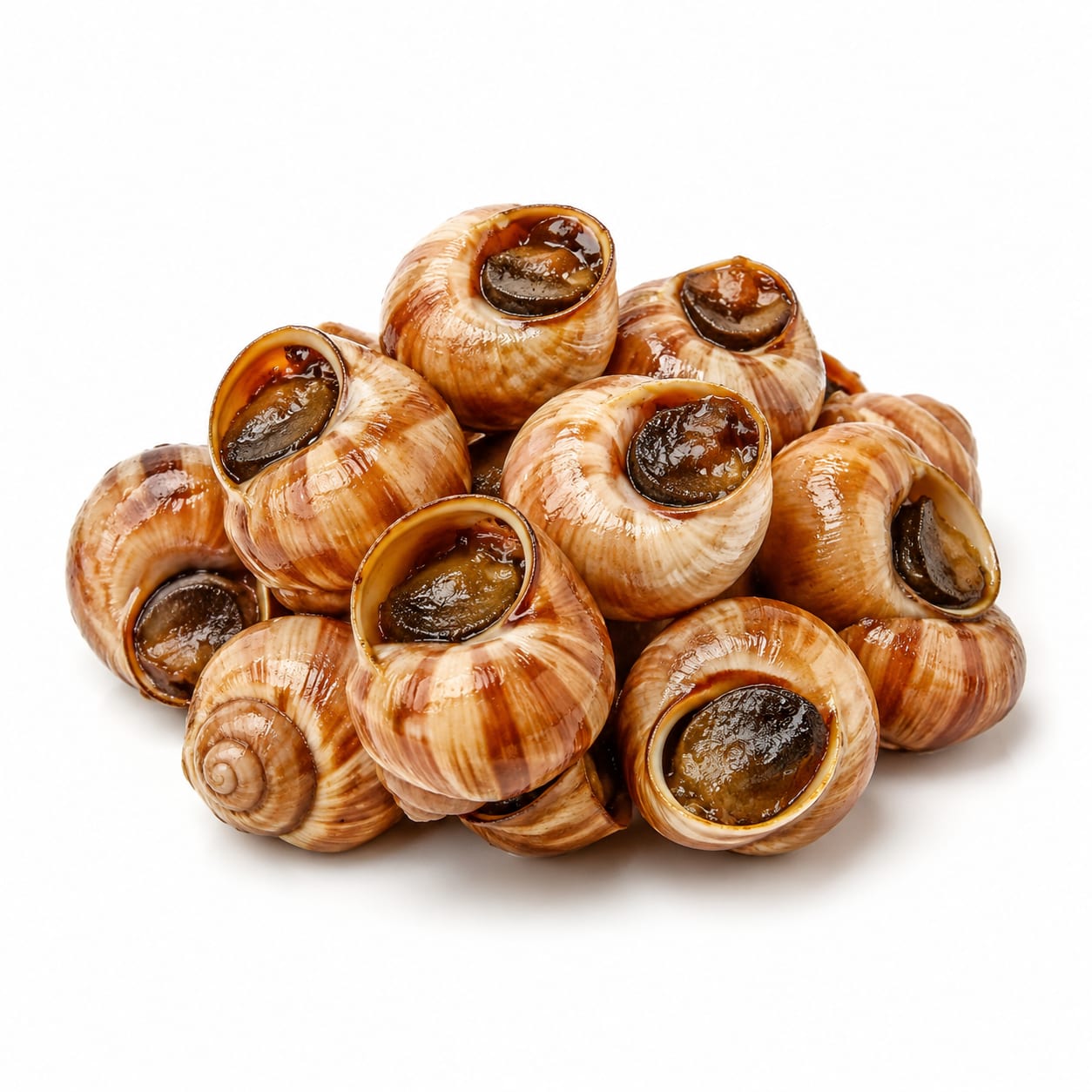
Snail
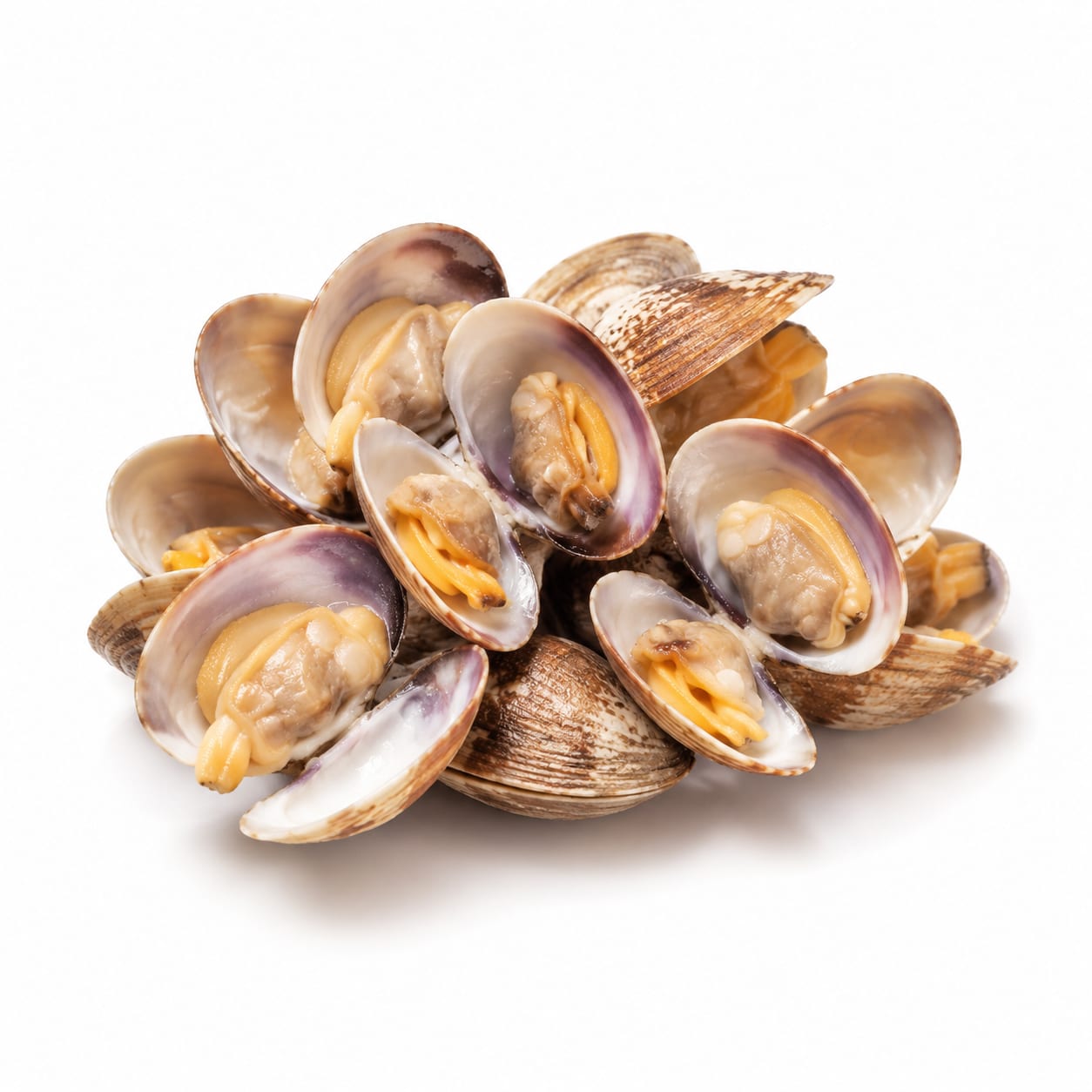
Clam
Clams win on B12, convenience, and everyday practicality. Snails edge ahead on iron and protein density per calorie. Both are exceptional lean proteins with different strengths.
Clams score higher primarily due to superior B12 content, wider availability, and culinary versatility. Snails remain nutritionally impressive but lose points on accessibility and preparation complexity. The gap is modest because both are excellent choices when available.
Clams offer unmatched B12 and easier access, while snails deliver more iron and slightly more protein per bite but require specialty sourcing and careful preparation.
At a glance
Executive summary
Overall
It depends
Healthier
It depends
More practical
Clam
Daily use
Clam
Key comparison lenses
micronutrient density comparison
Both foods are nutritional powerhouses but excel in different vitamins and minerals, making this the core decision driver
food safety and contamination risk
Shellfish carry distinct contamination profiles that significantly impact real-world consumption safety
protein quality for lean diets
Both are lean protein sources popular in weight-conscious and fitness-oriented diets
practical availability and culinary ease
Snail is a specialty item while clam is widely accessible, affecting how often people can realistically eat either
sustainability and environmental impact
Both are lower-impact protein sources compared to land animals, but sourcing matters greatly
Best choice for
Snail
- People with iron deficiency or anemia risk
- High-protein dieters seeking variety beyond chicken and fish
- Adventurous eaters exploring nutrient-dense delicacies
- Those following Mediterranean or French-inspired diets
Clam
- Anyone needing a B12 boost, especially vegetarians transitioning back to animal proteins
- Home cooks wanting versatile weeknight seafood options
- People who want lean protein available at any grocery store
- Budget-conscious shoppers choosing canned or frozen options
Least suitable for
Snail
- People squeamish about preparation or appearance
- Anyone without access to reliable specialty suppliers
- Those concerned about parasite risk from undercooking
- Children unfamiliar with the texture and flavor
Clam
- People with shellfish allergies
- Those in areas with frequent harmful algal bloom advisories
- Individuals watching sodium intake who rely on canned clams
- People sensitive to texture of bivalves
Deep comparison
Dimension by dimension
Each lens scores both foods and breaks down who each option suits.
- Dimension 1 · Priority 95Clam
vitamin and mineral density
Snail · 78Clam · 90Clams are one of the most B12-dense foods on the planet, delivering over 4000% of daily value per serving. Snails are no slouch but cannot compete with that.
Tradeoff
Snails provide more iron and magnesium, making them better for anemia concerns. Clams dominate B12 and also offer more selenium and zinc.
Why it matters
B12 deficiency is common, especially in older adults and plant-based eaters transitioning back. A single clam serving can cover weeks of B12 needs.
Real-world impact
Eating clams once a week practically eliminates B12 deficiency risk. Snails help more if your specific gap is iron rather than B12.
Snail
- Iron-deficient individuals
- Women with heavy menstrual cycles needing extra iron
- Endurance athletes at risk of iron depletion
Better for
- People primarily seeking B12 supplementation through food
Worse for
Clam
- B12-deficient or borderline individuals
- Older adults with absorption issues
- Pregnant women needing B12 and folate support
Better for
- Those specifically targeting iron deficiency who want maximum iron per serving
Worse for
- Dimension 2 · Priority 88Snail
protein quality and content
Snail · 86Clam · 80Snails pack slightly more protein per calorie and per gram, making them marginally more protein-efficient for lean diets.
Tradeoff
The protein difference is real but modest. Clams still provide solid protein alongside their unmatched micronutrient profile.
Why it matters
For anyone tracking macros or eating high-protein on limited calories, every gram of protein per calorie counts.
Real-world impact
A 100g serving of snail delivers roughly 16-17g protein versus 12-14g for clams. Over a week, that difference adds up for strict dieters.
Snail
- Bodybuilders in caloric deficit
- Anyone meal-prepping lean protein with maximum efficiency
Better for
- Those who find the texture unappealing and struggle to eat enough
Worse for
Clam
- Balanced eaters who value overall nutrition over pure protein numbers
Better for
- Strict calorie-counters optimizing protein per calorie ratio
Worse for
- Dimension 3 · Priority 88It depends
food safety and contamination
Snail · 72Clam · 70Both carry real but manageable risks. Snails can harbor rat lungworm parasites. Clams can accumulate red tide toxins and heavy metals from filter feeding.
Tradeoff
Snail risks are eliminated with thorough cooking. Clam toxin risks cannot be cooked out and depend entirely on water quality at harvest.
Why it matters
Parasites from snails sound scary but are easily neutralized. Clam toxins are invisible, tasteless, and unaffected by cooking, making sourcing critical.
Real-world impact
Properly cooked snails are safe. Clams from reputable, tested waters are safe. The danger is eating either from unverified sources.
Snail
- Home cooks who control preparation and always cook thoroughly
- People buying from regulated commercial suppliers
Better for
- Anyone eating raw or undercooked snails, especially while traveling
- Foragers harvesting wild snails without expertise
Worse for
Clam
- Those who source from trusted fisheries with regular water testing
- Canned clam buyers since commercial canning uses tested harvests
Better for
- Recreational harvesters in unmonitored coastal areas
- People eating raw clams from unknown water quality zones
Worse for
- Dimension 4 · Priority 80Clam
practicality and availability
Snail · 45Clam · 82Clams are available at virtually any grocery store, fresh or canned. Snails require specialty shops, online orders, or ethnic markets.
Tradeoff
Snails offer a unique eating experience but demand effort to source. Clams can be a spontaneous weeknight dinner choice.
Why it matters
The healthiest food only works if you can actually buy and eat it regularly. Accessibility determines real-world nutritional impact.
Real-world impact
You can grab canned clams at any supermarket tonight. Finding quality snails might require a specialty order and advance planning.
Snail
- Urban dwellers near specialty markets
- Home cooks who enjoy sourcing unique ingredients
Better for
- Rural residents without specialty market access
- Last-minute meal planners
Worse for
Clam
- Busy families needing quick protein options
- Anyone living far from specialty food shops
- Meal preppers who want reliable weekly availability
Better for
- People in inland areas far from fresh seafood supply
Worse for
- Dimension 5 · Priority 72Clam
omega-3 fatty acids
Snail · 55Clam · 75Clams provide meaningful omega-3s, especially EPA and DHA, though less than fatty fish. Snails contain minimal omega-3s.
Tradeoff
Neither rivals salmon or sardines for omega-3s, but clams contribute noticeably more to your daily anti-inflammatory fat intake.
Why it matters
Omega-3s support heart and brain health. Getting them from diverse sources beyond just fish oil is valuable.
Real-world impact
A clam dinner contributes a small but real omega-3 boost. Snails barely move the needle on this front.
Snail
- Not applicable for omega-3 purposes
Better for
- Anyone specifically seeking omega-3 intake from shellfish
Worse for
Clam
- Heart-health conscious eaters wanting omega-3s from varied sources
- People who dislike fatty fish but still want marine omega-3s
Better for
- Those who already eat fatty fish regularly and do not need additional omega-3s from clams
Worse for
- Dimension 6 · Priority 75Clam
culinary versatility
Snail · 50Clam · 80Clams integrate into pasta, chowder, stews, stir-fries, and steamed dishes across many cuisines. Snails are largely confined to French and West African preparations.
Tradeoff
Snails have a distinct earthy flavor that shines in specific dishes. Clams are a flexible team player in countless recipes.
Why it matters
Variety prevents diet fatigue. A versatile protein keeps healthy eating interesting long-term.
Real-world impact
You can prepare clams a different way every week for months. Snails are more of an occasional dish that fits a narrower recipe range.
Snail
- Fans of French cuisine and escargot preparations
- West African food enthusiasts exploring traditional snail dishes
Better for
- Cooks looking for everyday versatility
- People who get bored eating the same preparation repeatedly
Worse for
Clam
- Home cooks who want one ingredient that works across Italian, Asian, and American recipes
- Anyone meal-prepping diverse weekly menus
Better for
- Those seeking a unique dining experience or dinner party showpiece
Worse for
Timeline
Health impact over time
Short-term
Hours to days
Snail
- High protein content promotes strong satiety after meals
- Iron intake provides noticeable energy if you were previously deficient
- Risk of digestive upset if undercooked due to parasite contamination
Clam
- B12 intake can improve energy and mental clarity within days if you were deficient
- Moderate omega-3s may reduce post-meal inflammation
- Sodium from canned varieties can cause bloating or thirst
Long-term
Months to years
Snail
- Consistent iron intake supports healthy blood and prevents anemia over time
- Lean protein helps maintain muscle mass during aging
- Low omega-3 intake means snails should not be your only seafood for heart health
Clam
- Exceptional B12 intake protects nerve health and cognitive function long-term
- Regular omega-3 consumption supports cardiovascular health
- Zinc and selenium contribute to immune resilience over the years
Risk profile
Safety & processing
Both snails and clams are whole, minimally processed foods when purchased fresh. Canned clams may contain added sodium, which is the main processing concern. Fresh snails sold for cooking are typically purged and cleaned but not chemically treated.
Snail
Rat lungworm parasite
highAngiostrongylus cantonensis can cause meningitis-like symptoms. Thorough cooking eliminates this risk entirely. Never eat raw or undercooked snails.
Environmental contamination from foraging
mediumWild snails may accumulate pesticides or heavy metals from soil. Commercially farmed snails are raised in controlled environments and are safer.
Clam
Harmful algal bloom toxins
highRed tide toxins like saxitoxin cannot be cooked out and cause paralytic shellfish poisoning. Only eat clams from monitored and approved harvest waters.
Heavy metal and microplastic accumulation
mediumClams are filter feeders and can concentrate contaminants from water. Sourcing from clean waters and varying your seafood intake reduces risk.
Vibrio bacterial infection
mediumRaw clams can carry Vibrio species causing serious illness. Cooking eliminates this. People with liver disease or weakened immunity should avoid raw clams entirely.
Who wins for whom
Audience fit
Same foods, different winners depending on your goal.
children
ClamClams are easier to source, prepare safely, and incorporate into familiar dishes like pasta. B12 and zinc support growing bodies. Snails are harder to find and harder to ensure safe preparation for kids.
daily consumption
ClamClams are more accessible, easier to vary in recipes, and provide a broader micronutrient spread for daily use. Snails work better as an occasional protein rotation.
diabetes
ClamClams provide more omega-3s which improve insulin sensitivity, and their B12 content helps counteract metformin-related B12 depletion common in diabetic patients.
elderly
ClamB12 absorption declines with age, making clams extremely valuable. The omega-3s also support joint and cognitive health in older adults.
muscle gain
SnailHigher protein density per serving gives snails a slight edge for muscle-building diets, though both should be paired with other protein sources for optimal results.
weight loss
SnailSnails offer slightly more protein per calorie, which helps preserve lean mass and maintain satiety during caloric deficit. Both are excellent low-calorie options though.
Your move
Decision guide
Choose Snail
- You have access to quality farmed snails and enjoy preparing them
- Iron deficiency is your primary nutritional concern
- You want maximum protein per calorie from a lean source
- You are exploring West African or French cuisine and want authentic ingredients
Choose Clam
- You want the most B12-dense food readily available at any grocery store
- Heart health and omega-3 intake matter to you alongside lean protein
- You need a versatile seafood that works in pasta, soup, or stir-fry
- You prefer having canned or frozen backup protein in your pantry
Either works if
- You are rotating lean proteins and want variety beyond chicken and fish
- You eat a balanced diet and neither food will be your sole protein source
- You live near both specialty and regular markets and can access both easily
Avoid both if
- You have a shellfish or mollusk allergy
- You are immunocompromised and cannot guarantee safe sourcing and cooking
- You live far from reliable seafood supply and cannot verify freshness
Final recommendation
Keep clams as your regular shellfish protein for their B12, omega-3s, and kitchen versatility. Add snails as an occasional iron-rich treat when you can source them from reputable suppliers. Both deserve a place in a diverse, nutrient-dense diet, but clams earn the everyday spot.
Practical
Consumer tips
- 1
If buying canned clams, check sodium content and rinse before use to reduce salt by roughly 30%
- 2
Always cook snails thoroughly to at least 165°F internal temperature to eliminate parasite risk
- 3
Never harvest wild clams or snails unless you are certain the water or soil is tested and safe
- 4
Farmed snails are significantly safer than wild-caught due to controlled feeding and purging practices
- 5
Freeze fresh clams for 24 hours before raw preparation to reduce parasite risk, though cooking is still safer
- 6
Pair snails with vitamin C-rich vegetables like bell peppers to boost iron absorption from the meal
- 7
If new to cooking either, start with canned clams in pasta or frozen pre-cooked snails in garlic butter to build confidence