
Nutrition comparison
Snail vs Crab: Protein, Iron, Omega-3, and Safety Compared
Snail delivers more protein and iron per calorie with near-zero fat, while crab offers omega-3s, B12, and easier accessibility. Learn which seafood fits your health goals and how to prepare both safely.
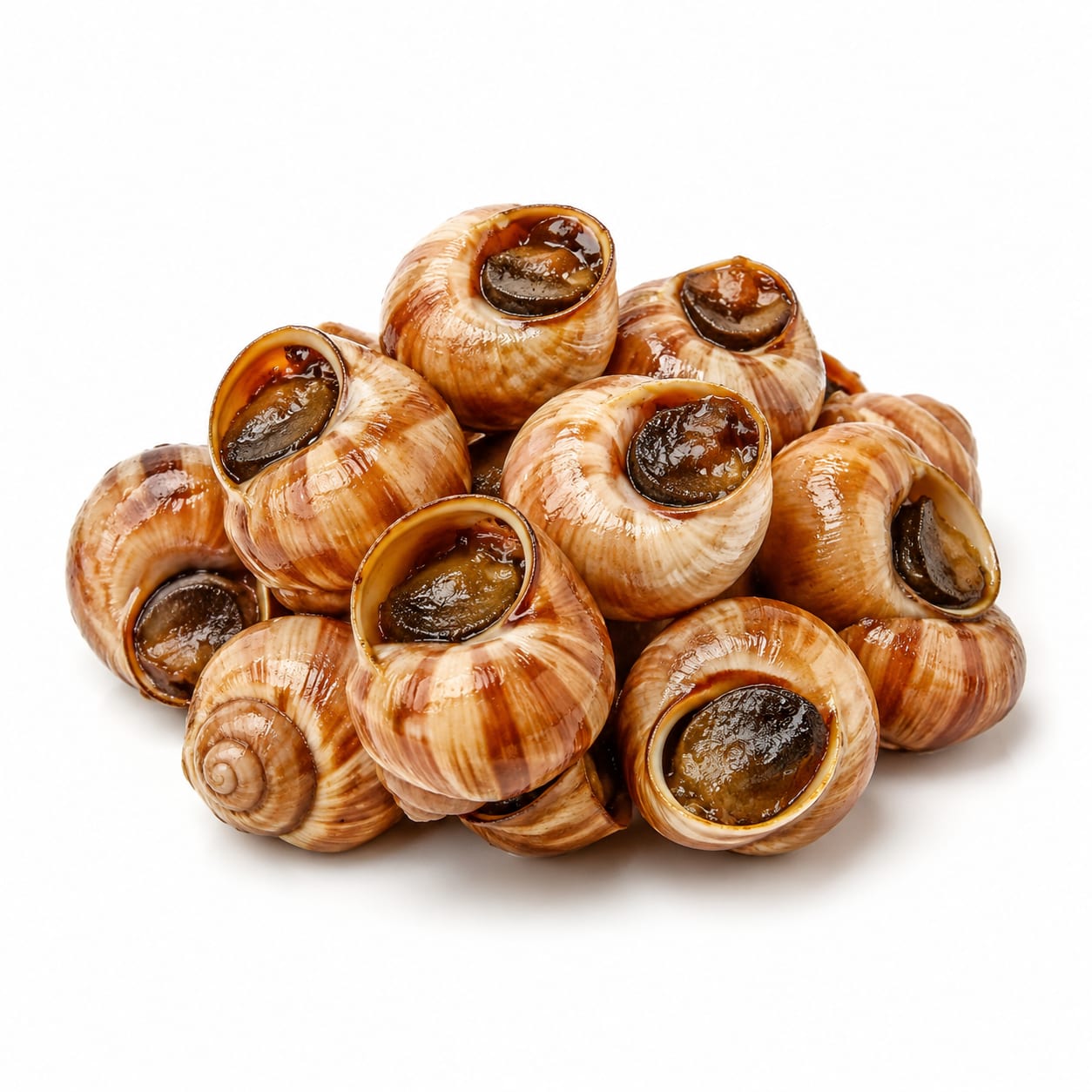
Snail
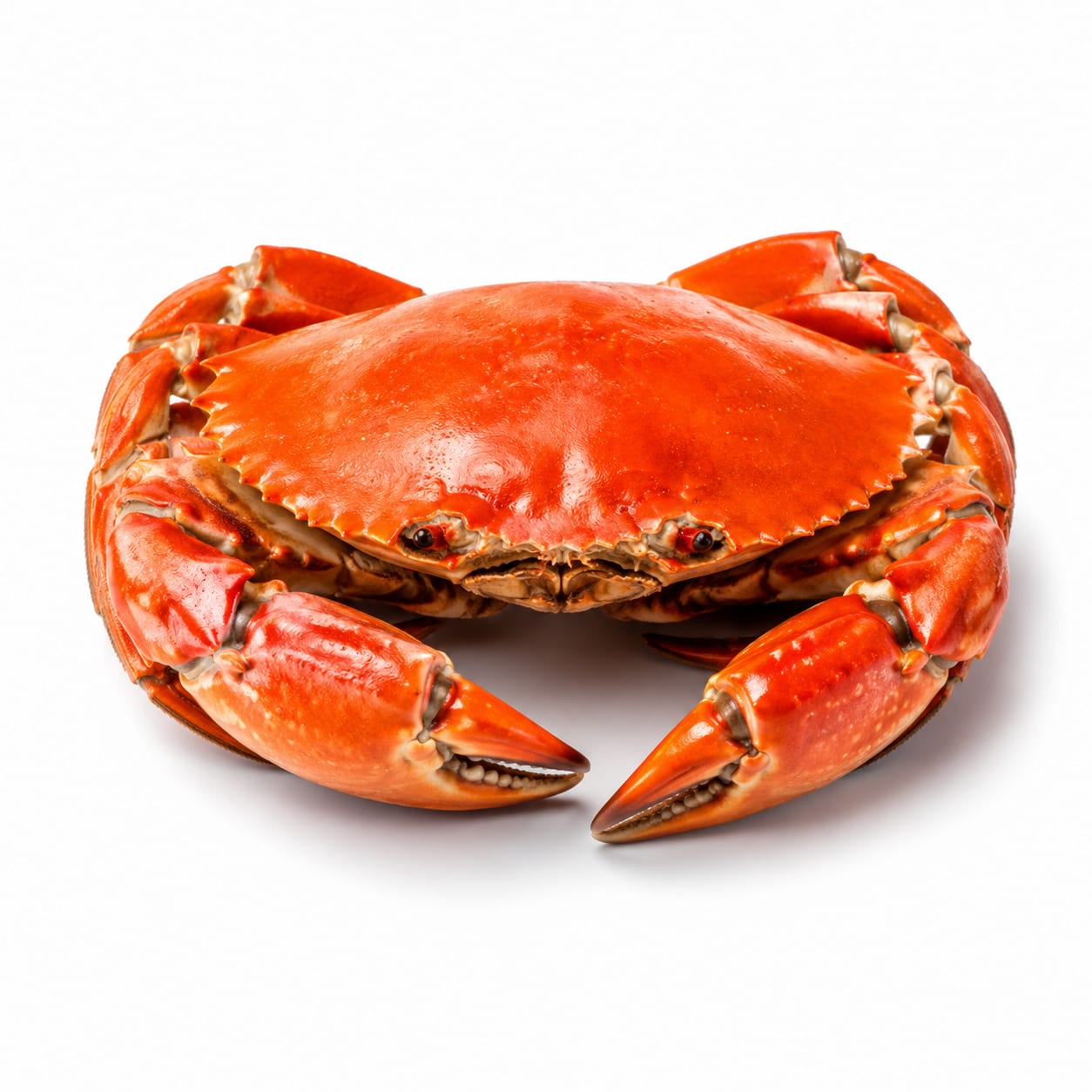
Crab
Snail delivers more protein and iron per calorie with virtually no fat, while crab offers superior omega-3s, B12, and broader culinary appeal. Your pick depends on what nutrient gap you are filling.
Crab edges ahead slightly due to omega-3 content, broader micronutrient coverage, and easier accessibility. Snail wins on protein density and iron but loses ground on safety complexity and limited healthy fat content.
Maximum lean protein and iron (snail) versus better healthy fats and broader micronutrient coverage (crab)
At a glance
Executive summary
Overall
It depends
Healthier
It depends
More practical
Crab
Daily use
Crab
Key comparison lenses
Protein quality and lean muscle support
Both are high-protein seafood options often chosen for lean diets, making protein density and amino acid profile the primary decision driver
Safety and contamination risk
Snails carry parasite risks while crabs face heavy metal and allergen concerns, making safety a critical differentiator
Micronutrient advantage for specific deficiencies
Snails excel in iron while crabs dominate in B12 and zinc, so the choice often hinges on what nutrients you actually need
Heart health and cholesterol management
Both contain cholesterol but differ significantly in omega-3 content, affecting cardiovascular risk profiles differently
Practical accessibility and preparation ease
Crab is widely available but expensive; snail is niche and requires careful cooking, creating real-world usability tradeoffs
Best choice for
Snail
- People with iron deficiency or anemia
- Anyone chasing maximum protein with minimal calories
- Low-fat diet followers needing nutrient density
- Budget-conscious eaters in regions where snails are affordable
Crab
- People needing omega-3s without eating fish
- Anyone low in vitamin B12 or zinc
- Those wanting heart-healthy fats alongside protein
- Diners who value culinary versatility and wider availability
Least suitable for
Snail
- Anyone unfamiliar with safe snail preparation and sourcing
- People squeamish about texture or cultural unfamiliarity
- Those needing omega-3 fatty acids from food
- Diners at restaurants with questionable food safety standards
Crab
- Anyone with shellfish allergies
- People monitoring sodium closely, especially with processed crab
- Budget-limited households since quality crab is expensive
- Those concerned about heavy metal exposure from frequent seafood consumption
Deep comparison
Dimension by dimension
Each lens scores both foods and breaks down who each option suits.
- Dimension 1 · Priority 92Snail
Protein Density and Quality
Snail · 91Crab · 79Snail provides more protein per calorie than almost any other animal food, making it a lean protein powerhouse. Crab is solid but less protein-dense.
Tradeoff
Snail gives you more protein per bite but lacks the complete anti-inflammatory fat profile that crab provides alongside its protein
Why it matters
If you are tracking calories while building muscle, snail lets you hit protein targets with fewer total calories consumed
Real-world impact
A 100g serving of snail delivers roughly 16-17g protein at only 90 calories, while the same crab portion gives about 14-15g protein at roughly 97 calories
Snail
- Lean bulk phases where every calorie matters
- Cutting diets needing high satiety per calorie
- Athletes managing weight classes
Better for
- Recovery meals where omega-3s would reduce inflammation
Worse for
Crab
- Post-workout meals where anti-inflammatory fats aid recovery
- Balanced nutrition beyond just protein numbers
Better for
- Strict calorie-controlled diets needing maximum protein efficiency
Worse for
- Dimension 2 · Priority 85It depends
Micronutrient Profile
Snail · 82Crab · 85Snail dominates in iron and magnesium, while crab wins decisively in vitamin B12, zinc, and selenium. They serve different deficiency patterns.
Tradeoff
Choosing snail means excellent iron but missing B12; choosing crab covers B12 and zinc but provides less iron for blood health
Why it matters
Women of reproductive age often need iron (favoring snail), while older adults and vegetarians transitioning to seafood often need B12 (favoring crab)
Real-world impact
Snail provides about 3.5mg iron per 100g versus crab's 0.4mg, but crab delivers over 300% daily B12 versus snail's modest contribution
Snail
- Women with heavy menstrual cycles needing iron
- Anyone diagnosed with iron-deficiency anemia
- Endurance athletes at risk of exercise-induced anemia
Better for
- Those specifically needing B12 from food sources
- People with hemochromatosis who must limit iron
Worse for
Crab
- Older adults with B12 absorption decline
- People recovering from zinc deficiency
- Anyone needing selenium for thyroid support
Better for
- Anyone counting on seafood to fix an iron shortfall
Worse for
- Dimension 3 · Priority 78Crab
Heart Health and Lipid Profile
Snail · 62Crab · 84Crab provides meaningful omega-3 fatty acids that support heart and brain health. Snail is nearly fat-free, which sounds healthy but means you miss those protective fats entirely.
Tradeoff
Snail's near-zero fat content helps with calorie control but deprives you of cardioprotective omega-3s that crab delivers naturally
Why it matters
Long-term heart health depends on adequate omega-3 intake, and crab is one of the more accessible non-fish sources
Real-world impact
Crab supplies roughly 300-400mg omega-3s per serving, while snail provides essentially zero meaningful omega-3 content
Snail
- Very low-fat diet protocols prescribed by doctors
- Metabolic conditions requiring minimal dietary fat temporarily
Better for
- Long-term heart health strategies needing omega-3 intake
- Brain health optimization in older adults
Worse for
Crab
- Cardiovascular risk reduction through dietary omega-3s
- Cognitive health maintenance in aging populations
- Anti-inflammatory eating patterns
Better for
- Acute low-fat diet phases post-surgery or for gallbladder issues
Worse for
- Dimension 4 · Priority 88Crab
Safety and Contamination Risk
Snail · 58Crab · 72Snails carry significant parasite risk if undercooked or improperly sourced, while crab's main risks are shellfish allergy and moderate heavy metal exposure.
Tradeoff
Crab poses a well-understood allergen risk that is easy to screen for, whereas snail's parasite risk is harder to detect and requires meticulous cooking
Why it matters
Parasitic infections from snails can cause serious illness and are more unpredictable than the known, testable shellfish allergy risk
Real-world impact
Undercooked snails can transmit rat lungworm and other parasites; crab allergies can cause anaphylaxis but are identifiable before consumption
Snail
- People with confirmed shellfish allergies who need alternative protein
- Regions with established safe snail farming and regulation
Better for
- Immunocompromised individuals at higher risk from parasites
- Home cooks unsure about proper snail sourcing and preparation
Worse for
Crab
- Anyone without shellfish allergy wanting predictable safety
- Home cooks wanting simpler preparation without parasite concerns
Better for
- Anyone with known shellfish allergy
- Frequent consumers accumulating heavy metals over time
Worse for
- Dimension 5 · Priority 72Crab
Practicality and Accessibility
Snail · 45Crab · 74Crab is available in most grocery stores and restaurants worldwide. Snail is niche, seasonal, and requires specialty sourcing in most Western markets.
Tradeoff
Crab costs more per pound but is easy to find; snail can be cheaper where available but requires effort to source and prepare safely
Why it matters
The healthiest food only works if you can actually buy and prepare it consistently
Real-world impact
Most people can find crab at a local supermarket or restaurant tonight, while snail requires specialty shops, online ordering, or foraging knowledge
Snail
- Residents of West Africa, France, or Southeast Asia where snail is common and affordable
- Adventurous home cooks wanting to expand their repertoire
Better for
- Suburban and rural Western cooks with no specialty markets nearby
- People wanting quick meal solutions
Worse for
Crab
- Weeknight dinners needing reliable protein
- Anyone shopping at standard grocery stores
- Restaurant diners wanting widely available options
Better for
- Budget-limited families finding crab prohibitively expensive
Worse for
Timeline
Health impact over time
Short-term
Hours to days
Snail
- High satiety from concentrated protein with minimal calories
- Risk of digestive upset if snails are undercooked or improperly cleaned
- Quick iron boost that may help energy levels in deficient individuals
Crab
- Satisfying protein with healthy fats that stabilize blood sugar longer
- Possible allergic reaction in shellfish-sensitive individuals, ranging from mild to severe
- Natural sodium content may cause bloating in sodium-sensitive people
Long-term
Months to years
Snail
- Consistent iron intake supports healthy blood and prevents anemia over time
- Very low fat intake may require supplementing omega-3s from other sources
- Parasite risk diminishes to near-zero with consistently proper cooking and trusted sourcing
Crab
- Regular omega-3 intake supports cardiovascular and cognitive health long-term
- B12 and zinc from consistent crab consumption benefits nerve function and immunity
- Accumulating heavy metals is a concern if crab is eaten multiple times per week over years
Risk profile
Safety & processing
Both snail and crab are whole, minimally processed animal foods when purchased fresh. The main concern is that canned or imitation crab products are heavily processed with additives, while frozen snail products may contain preservatives. Fresh versions of both are clean choices.
Snail
Parasitic infection
highSnails can carry rat lungworm and other parasites. Thorough cooking to at least 165°F/74°C is essential. Never eat raw or undercooked snails.
Contaminant accumulation from habitat
mediumWild-caught snails absorb toxins from their environment, including pesticides and heavy metals. Farmed snails from regulated sources are significantly safer.
Improper cleaning and purging
mediumSnails must be purged of their digestive contents before cooking. Inadequate purging can cause foodborne illness from bacteria and waste residues.
Crab
Shellfish allergy
highCrab is a top allergen that can trigger anaphylaxis in sensitive individuals. Allergy testing is recommended before first consumption.
Heavy metal exposure
mediumCrab can contain mercury, cadmium, and arsenic, particularly from polluted waters. Limit consumption to 1-2 servings per week and vary seafood types.
High sodium in processed forms
mediumCanned, frozen, or restaurant crab often contains added sodium. Fresh crab meat is naturally moderate in sodium but preparation methods can double or triple the load.
Who wins for whom
Audience fit
Same foods, different winners depending on your goal.
children
CrabCrab is more familiar, easier to source safely, and provides B12 and zinc critical for growth. Snail's parasite risk and unfamiliarity make it less suitable for kids.
daily consumption
CrabCrab is easier to source consistently, has simpler safety protocols, and provides a more balanced nutrient profile for regular intake. Snail is better as an occasional protein variety.
diabetes
CrabBoth are low-carb, but crab's healthy fats slow digestion and stabilize blood sugar more effectively than snail's near-zero fat content
elderly
CrabCrab's B12 supports nerve health and cognition in aging, while omega-3s help with joint and cardiovascular health. Snail's iron is less critical for most older adults.
muscle gain
It dependsSnail offers slightly more protein density per calorie, but crab provides anti-inflammatory omega-3s that support recovery. For pure protein numbers choose snail; for overall recovery nutrition choose crab.
weight loss
SnailSnail provides more protein per calorie with virtually zero fat, making it easier to maintain a calorie deficit while staying full and preserving muscle
Your move
Decision guide
Choose Snail
- You have confirmed iron deficiency and need a dense dietary iron source
- You are on a strict low-fat, high-protein diet and every calorie counts
- You live in a region where snails are affordable, farmed safely, and culturally normal
- You have a shellfish allergy and need an alternative lean protein
- You enjoy adventurous eating and are confident in proper preparation techniques
Choose Crab
- You want heart-healthy omega-3s without eating fish
- You need B12 and zinc from a whole food source
- You value convenience and can find crab easily at local stores
- You are cooking for family members who expect familiar seafood
- You want anti-inflammatory benefits alongside quality protein
Either works if
- You simply need a high-quality lean protein and both are available
- You are rotating protein sources to diversify your micronutrient intake
- You are building a seafood-based diet and want variety beyond fish
Avoid both if
- You have gout and are sensitive to purine-rich foods
- You are on a strict sodium-restricted diet and cannot control preparation methods
- You are pregnant and unsure about sourcing safety for either food
- You lack confidence in cooking either food to safe internal temperatures
Final recommendation
Choose crab for a balanced, accessible protein with heart-healthy fats and broader nutrient coverage. Choose snail when you specifically need iron, want maximum protein per calorie, or cannot eat shellfish. Both are excellent lean proteins, but crab fits more lifestyles more easily, while snail is a targeted tool for specific nutritional gaps.
Practical
Consumer tips
- 1
If cooking snail at home, always purge them for 24-48 hours with clean water and cornmeal, then cook to at least 165°F/74°C internal temperature
- 2
Buy farmed snails from reputable suppliers rather than foraging wild snails, which carry higher parasite and toxin risk
- 3
For crab, choose fresh or flash-frozen over canned to avoid excess sodium and preservatives
- 4
Limit crab to 1-2 servings per week to minimize heavy metal accumulation, especially if you eat other seafood regularly
- 5
If you have shellfish allergy, snail is generally safe as it is a gastropod, not a crustacean, but consult your allergist first
- 6
Pair snail with a vitamin C source like tomatoes or bell peppers to dramatically boost iron absorption
- 7
Avoid imitation crab entirely, as it is ultra-processed surimi with additives, fillers, and far less nutritional value than real crab