
Nutrition comparison
Snail vs Shrimp: Nutrition, Cholesterol, and Health Benefits Compared
Discover the nutritional differences between Snail and Shrimp. Compare protein, cholesterol, iron, and safety to find which shellfish is better for your diet.
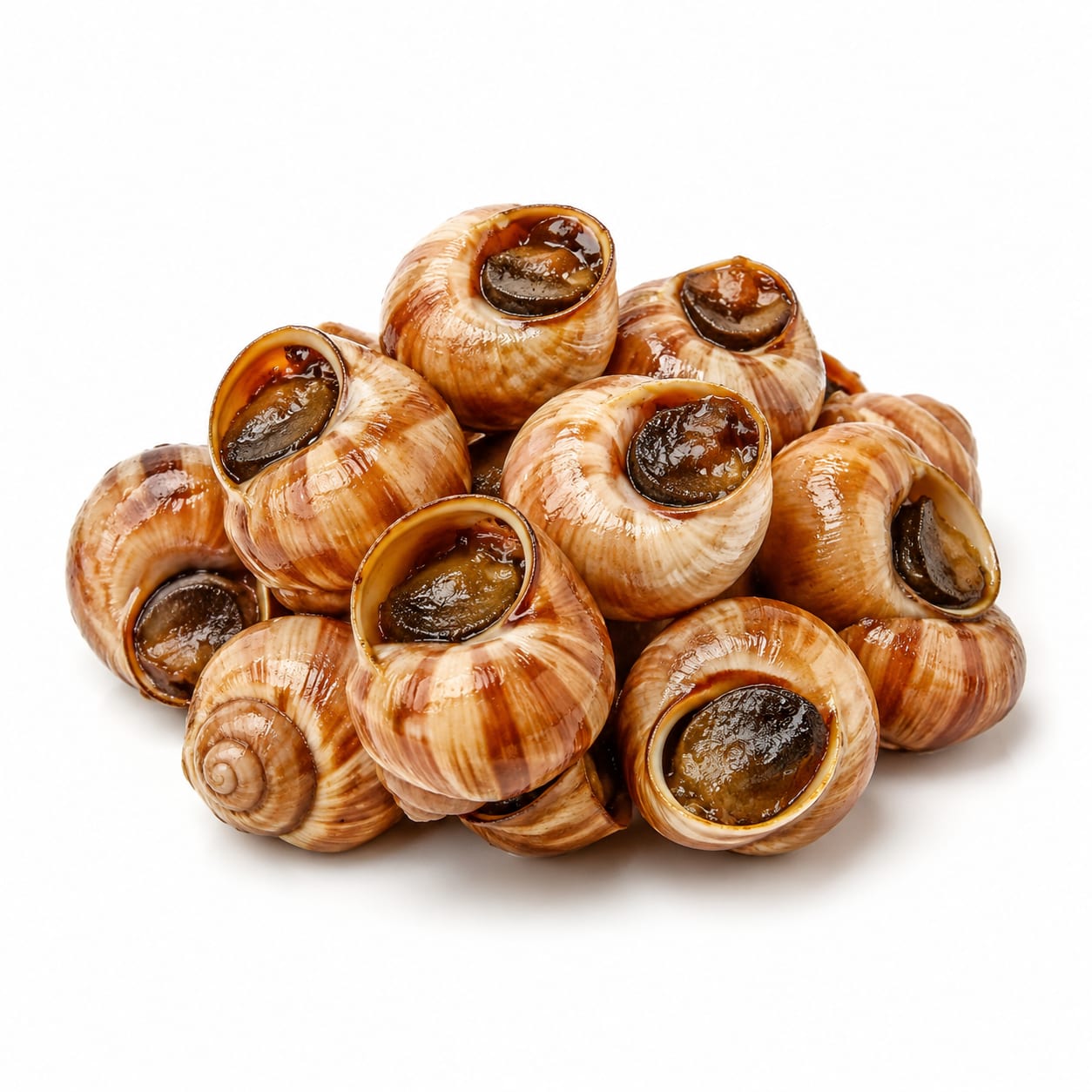
Snail
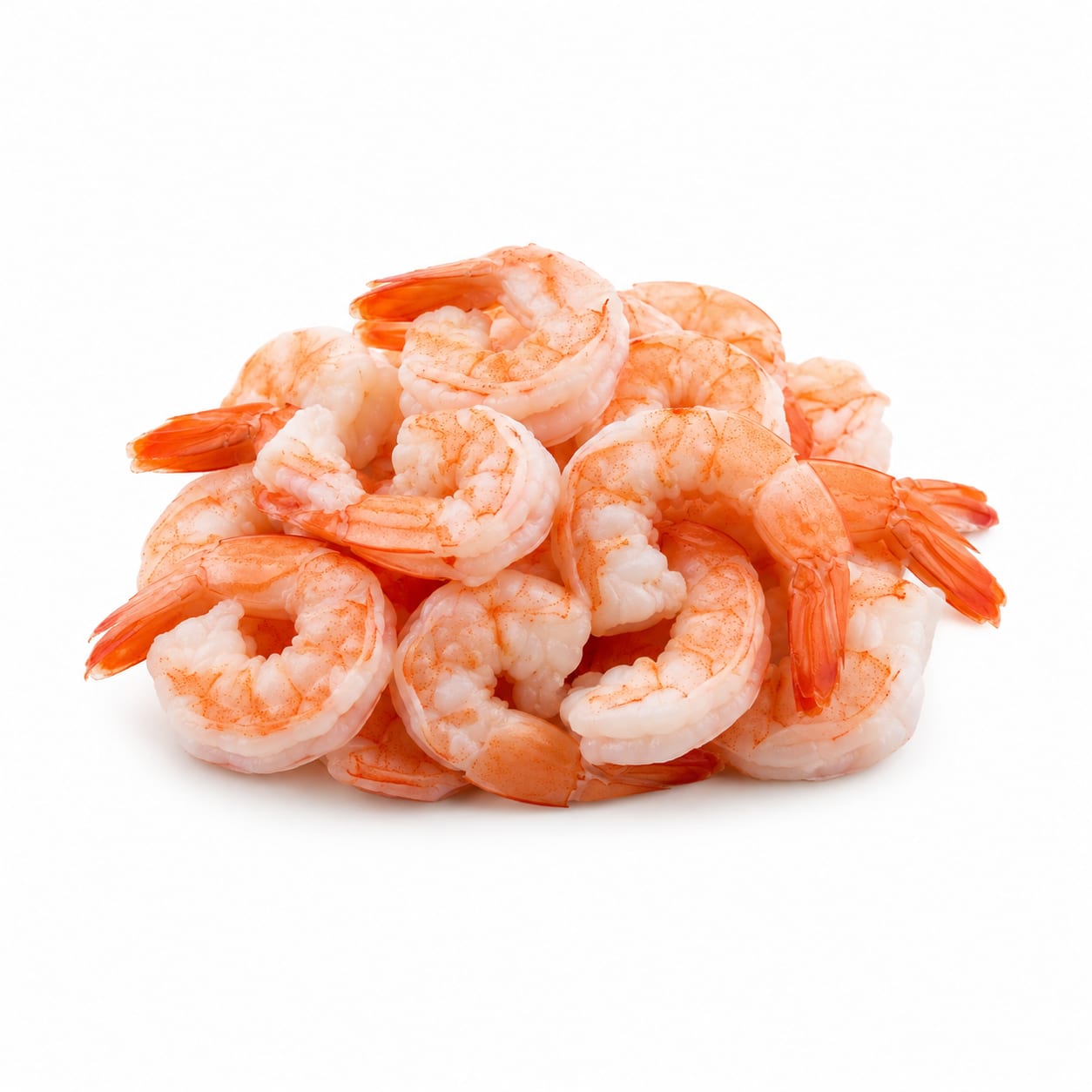
Shrimp
Snail offers superior iron and lower cholesterol, while Shrimp provides easier access, more B12, and higher protein per calorie.
Snail edges out slightly on micronutrient density and heart-friendly cholesterol levels, but Shrimp's unmatched convenience and protein efficiency keep it highly competitive.
Snail's iron and cholesterol benefits versus Shrimp's convenience and iodine content.
At a glance
Executive summary
Overall
It depends
Healthier
Snail
More practical
Shrimp
Daily use
Shrimp
Key comparison lenses
Cholesterol and heart health impact
Shrimp is notoriously high in dietary cholesterol, while Snail offers a much leaner lipid profile, making this a critical differentiator for heart-conscious eaters.
Micronutrient density comparison
Snail is uniquely rich in iron and magnesium, whereas Shrimp excels in iodine and B12, leading to distinct health benefits depending on nutritional needs.
Protein efficiency and weight management
Both are high-protein, low-fat options, but Shrimp provides more protein per calorie, making it a staple for lean diets.
Food safety and contamination risks
Snails carry specific parasite risks requiring thorough cooking, while Shrimp carries concerns about heavy metals, microplastics, and farm antibiotics.
Best choice for
Snail
- managing iron-deficiency anemia
- watching dietary cholesterol
- seeking magnesium for muscle recovery and sleep
Shrimp
- quick weeknight dinners
- boosting iodine and vitamin B12
- high-protein low-calorie diets
Least suitable for
Snail
- people squeamish about preparation
- those wanting quick accessible meals
Shrimp
- people with severe shellfish allergies
- those strictly limiting dietary cholesterol
Deep comparison
Dimension by dimension
Each lens scores both foods and breaks down who each option suits.
- Dimension 1 · Priority 90Shrimp
Protein & Caloric Efficiency
Snail · 82Shrimp · 92Shrimp delivers more protein per calorie, making it highly efficient for lean muscle building and weight management.
Tradeoff
Snail provides slightly less protein density but compensates with significantly more iron and magnesium per serving.
Why it matters
If you are tracking calories strictly while hitting protein goals, Shrimp gets you there faster with fewer bites.
Real-world impact
A 3-ounce serving of Shrimp feels lighter post-meal while still keeping you full, whereas Snail offers a denser mineral boost alongside its protein.
Snail
- those also needing an iron supplement through food from Snail
Better for
- strict calorie counters wanting pure protein might skip Snail
Worse for
Shrimp
- lean bulkers counting every calorie for Shrimp
- low-carb dieters wanting maximum protein from Shrimp
Better for
- those who need heme iron from their protein sources should choose Snail over Shrimp
Worse for
- Dimension 2 · Priority 88It depends
Micronutrient Powerhouse
Snail · 89Shrimp · 85Snail dominates in iron and magnesium, while Shrimp is a top-tier source of iodine, selenium, and vitamin B12.
Tradeoff
Choosing Snail supports blood health and muscle function, while Shrimp supports thyroid function and energy metabolism.
Why it matters
Your choice directly impacts which physiological systems you are nourishing most.
Real-world impact
Eating Snail can help fix fatigue linked to low iron, whereas Shrimp helps keep your metabolism and energy levels steady via B12 and iodine.
Snail
- women with heavy menstrual cycles needing iron from Snail
- athletes needing magnesium for cramp prevention from Snail
Better for
- those needing iodine for thyroid health should look to Shrimp instead of Snail
Worse for
Shrimp
- those needing thyroid support from iodine in Shrimp
- people avoiding meat but needing B12 from Shrimp
Better for
- people with anemia needing iron will find Shrimp lacking compared to Snail
Worse for
- Dimension 3 · Priority 95Snail
Cholesterol & Heart Health
Snail · 90Shrimp · 60Snail is remarkably low in cholesterol, making it a much safer choice for cardiovascular health compared to Shrimp.
Tradeoff
You get the shellfish experience from Snail without the massive cholesterol spike that comes with a Shrimp cocktail.
Why it matters
For hyper-responders, the high cholesterol in Shrimp can directly impact blood lipid levels and heart disease risk.
Real-world impact
You can eat Snail more frequently without worrying about your annual bloodwork showing elevated cholesterol, unlike with Shrimp.
Snail
- people with a family history of high cholesterol choosing Snail
- heart patients looking for lean protein in Snail
Better for
Shrimp
- healthy individuals without cholesterol concerns enjoying Shrimp
Better for
- those on strict heart-healthy diets should limit Shrimp
Worse for
- Dimension 4 · Priority 80It depends
Contamination & Safety Risks
Snail · 70Shrimp · 70Snails carry a high parasite risk if undercooked, while Shrimp carries environmental toxins and allergen risks.
Tradeoff
Snail requires rigorous cooking to be safe, whereas Shrimp requires careful sourcing to avoid antibiotics and heavy metals.
Why it matters
Both foods demand respect in the kitchen, but for entirely different safety reasons.
Real-world impact
Eating raw or lightly cooked Snail can lead to serious parasitic infection, while eating poorly sourced Shrimp can expose you to microplastics and antibiotic residues.
Snail
- those who cook thoroughly at home and trust their Snail sourcing
Better for
- anyone tempted to eat Snail rare or raw faces severe parasite risks
Worse for
Shrimp
- those who buy wild-caught Shrimp to avoid farm antibiotics
Better for
- those with shellfish allergies face life-threatening risks with Shrimp
Worse for
- Dimension 5 · Priority 75Shrimp
Culinary Practicality & Availability
Snail · 40Shrimp · 95Shrimp is a ubiquitous, quick-cooking staple, while Snail is a niche ingredient requiring specialized prep.
Tradeoff
Shrimp offers weeknight dinner convenience, whereas Snail requires effort to source, purge, and cook properly.
Why it matters
The best nutritional food is the one you can actually prepare and eat consistently.
Real-world impact
You can throw Shrimp in a stir-fry in 5 minutes after work, but Snail is usually a weekend project or a restaurant order.
Snail
- adventurous home cooks wanting a slow-cooking project with Snail
Better for
- people with limited time will find Snail preparation impractical
Worse for
Shrimp
- busy professionals needing fast protein from Shrimp
- anyone meal-prepping for the week with Shrimp
Better for
Timeline
Health impact over time
Short-term
Hours to days
Snail
- High iron from Snail might cause constipation if eaten in large quantities
- Undercooked Snail can cause acute food poisoning or parasitic infection
Shrimp
- Shrimp digests rapidly, providing quick amino acids for muscle recovery
- Can trigger immediate allergic reactions in sensitive individuals
Long-term
Months to years
Snail
- Snail supports sustained blood health and prevents anemia due to high iron
- Low cholesterol intake from Snail protects long-term cardiovascular health
Shrimp
- Shrimp promotes sustained thyroid function and metabolic health via iodine
- Frequent consumption of Shrimp may elevate cholesterol in hyper-responders
Risk profile
Safety & processing
Both Snail and Shrimp are whole foods in their natural state, though farmed Shrimp often faces higher exposure to antibiotics and chemical washes compared to wild Snail.
Snail
Parasitic infection
highSnails can carry rat lungworm and other dangerous parasites; they must never be eaten raw or undercooked.
Heavy metal accumulation
mediumSnails foraged from polluted areas can accumulate heavy metals in their tissues, making sourcing critical.
Shrimp
Shellfish allergy
highShrimp is a top allergen that can cause severe anaphylactic reactions in sensitive individuals.
Antibiotics and chemicals
mediumFarmed Shrimp are often treated with antibiotics and chemical preservatives that can disrupt gut health.
Microplastics
mediumShrimp frequently contain microplastics due to ocean contamination, which are ingested by the consumer.
Who wins for whom
Audience fit
Same foods, different winners depending on your goal.
children
ShrimpShrimp is easier to prepare, widely available, and provides essential B12 and iodine for growing brains, though allergy caution is needed.
daily consumption
ShrimpShrimp is far more convenient and accessible for regular meals, though daily cholesterol intake should be monitored.
diabetes
SnailBoth are zero-carb, but Snail's lower cholesterol content makes it slightly more heart-friendly for diabetics managing cardiovascular risk.
elderly
SnailSnail's impressive iron and magnesium content supports blood health and bone density, with lower cholesterol to protect aging hearts.
muscle gain
ShrimpShrimp offers a higher concentration of pure protein, which is critical for muscle repair and growth.
weight loss
ShrimpShrimp provides more protein per calorie, helping you stay full on fewer calories compared to Snail.
Your move
Decision guide
Choose Snail
- You need a dietary boost in iron or magnesium
- You are strictly monitoring your cholesterol intake
- You enjoy unique culinary experiences and have time to prepare them safely
Choose Shrimp
- You want quick, high-quality protein after a workout
- You need more iodine for thyroid support
- You want a convenient, everyday seafood option
Either works if
- You are looking for a low-carb, high-protein alternative to red meat
- You want to increase your selenium intake
Avoid both if
- You have a severe shellfish or mollusk allergy
- You are on a strict low-purine diet for gout management
Final recommendation
Choose Snail when your focus is on boosting iron and keeping cholesterol low, but opt for Shrimp when you need convenient, high-quality protein and everyday practicality.
Practical
Consumer tips
- 1
Always boil Snails for at least 5 minutes before frying or sautéing to eliminate parasite risks.
- 2
Look for wild-caught Shrimp to reduce your exposure to antibiotics and chemical preservatives.
- 3
If you have high cholesterol, Snail is a heart-healthier shellfish choice than Shrimp.
- 4
Pair Snail with vitamin C-rich foods like tomatoes or bell peppers to absorb its iron more effectively.