
Nutrition comparison
Snail vs Escargot in Garlic Butter: Nutrition, Health Impact, and Which to Choose
Plain snail is a lean protein powerhouse, but escargot in garlic butter triples the calories with saturated fat and sodium. Compare the nutritional tradeoffs and learn which preparation fits your health goals.
Overall winner · Snail
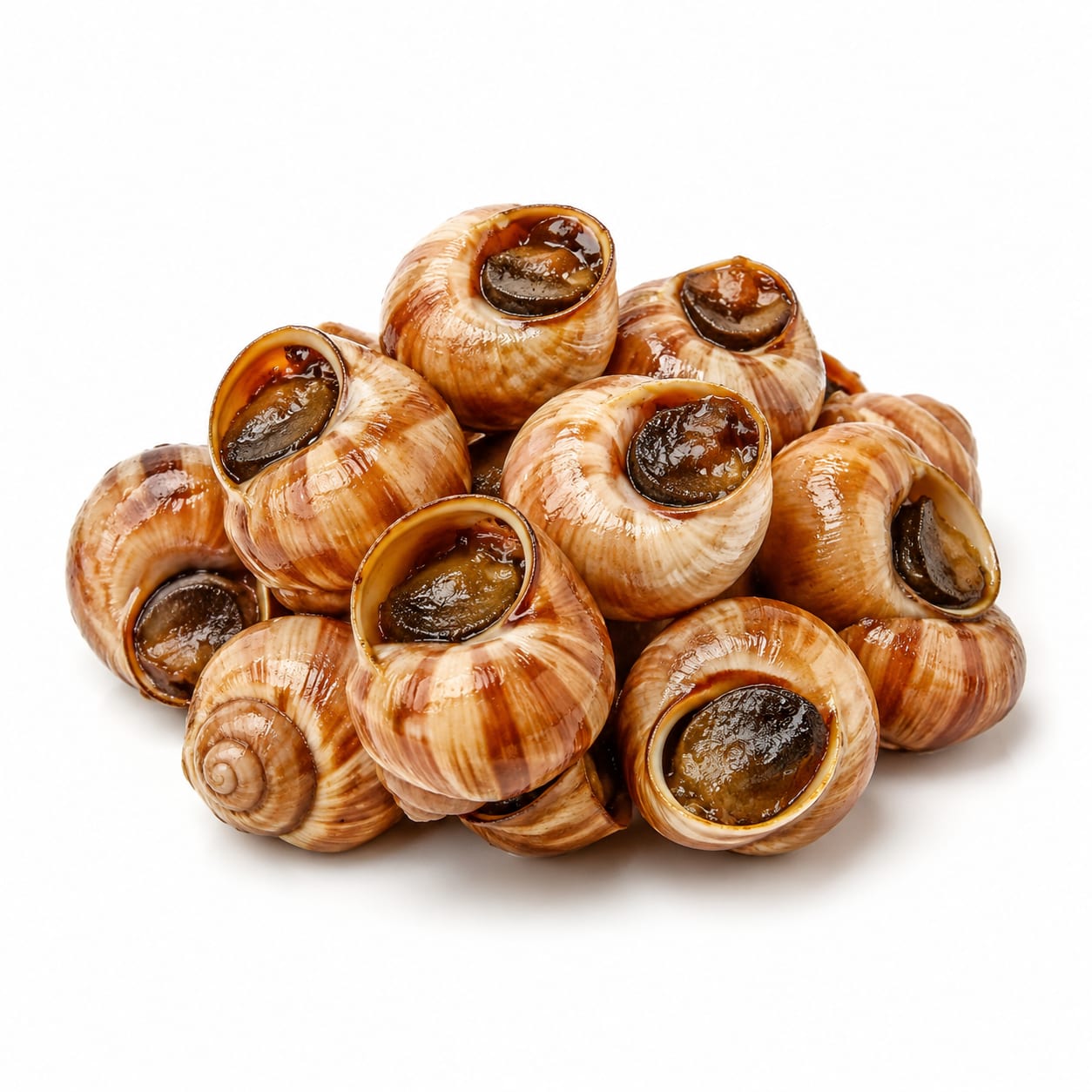
Snail
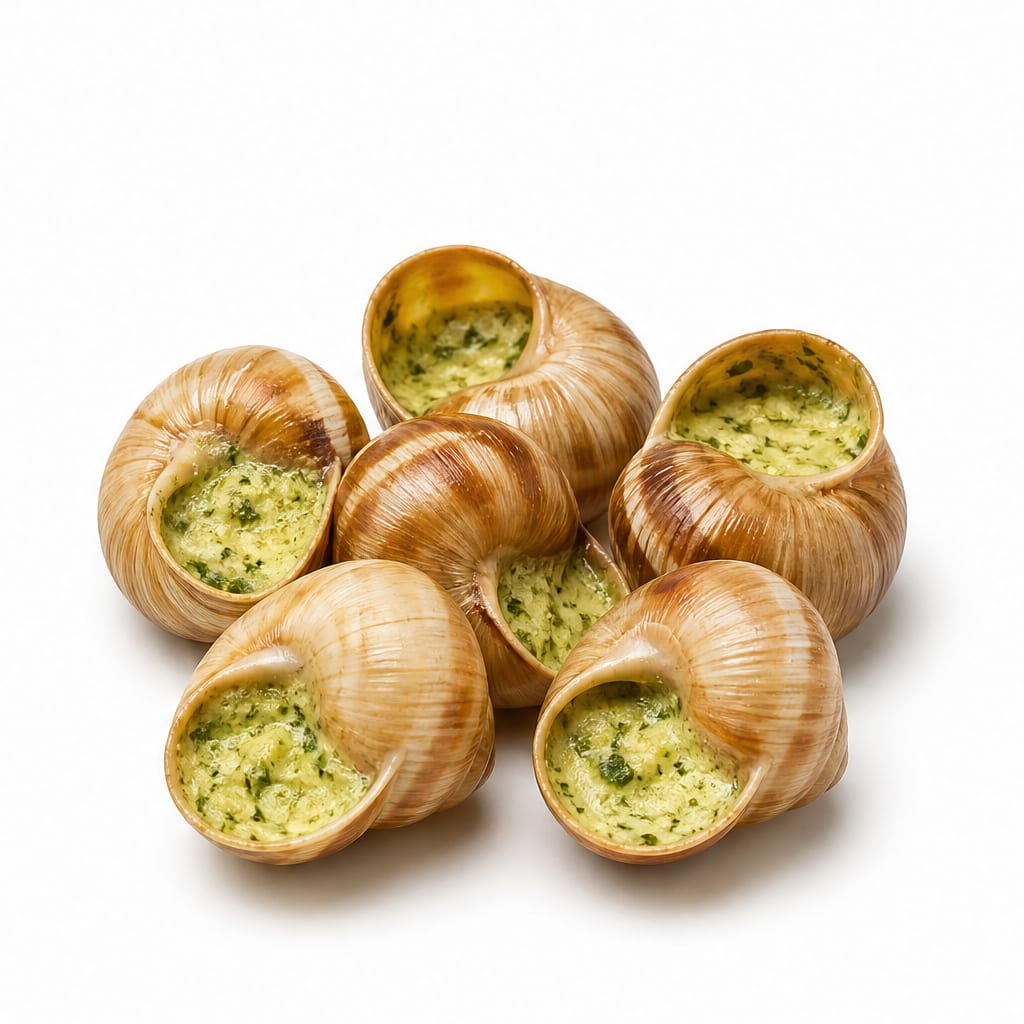
Escargot in garlic butter
Plain snail is a nutritional powerhouse—extremely lean, high in protein, and rich in minerals. Escargot in garlic butter transforms it into a delicious but far heavier dish loaded with saturated fat and sodium.
Plain snail scores significantly higher because it retains all the nutritional benefits—high protein, low fat, rich minerals—without the drawbacks of added butter and salt. Escargot in garlic butter remains delicious but the preparation introduces enough saturated fat and sodium to meaningfully reduce its health profile.
You trade clean nutrition for culinary pleasure. The garlic butter version tastes incredible but triples the calories and adds saturated fat that plain snail simply does not have.
At a glance
Executive summary
Overall
Snail
Healthier
Snail
More practical
Escargot in garlic butter
Daily use
Snail
Key comparison lenses
understanding how preparation method transforms nutritional profile
The core difference is that garlic butter preparation dramatically changes the fat, calorie, and sodium content of an otherwise lean protein
heart health and cardiovascular tradeoffs
Plain snail is remarkably lean, while the butter-loaded version adds significant saturated fat that impacts heart health
weight management and calorie density
The calorie difference between these two preparations is substantial and directly affects weight-related decisions
sodium and blood pressure concerns
Escargot in garlic butter is typically seasoned heavily with salt, making sodium a key differentiator
culinary satisfaction versus nutritional purity
Users often struggle between choosing the more enjoyable traditional preparation and the cleaner nutritional option
Best choice for
Snail
- People tracking calories or managing weight
- Anyone watching saturated fat for heart health
- Those on low-sodium diets
- Lean protein seekers after workout recovery
- Anyone eating snails regularly as a protein staple
Escargot in garlic butter
- Special occasion diners wanting the classic experience
- People who rarely eat snails and want the full traditional preparation
- Those not concerned about saturated fat intake
- Diners at French restaurants wanting authentic cuisine
- Anyone needing a richer, more satisfying appetizer
Least suitable for
Snail
- People who find plain snail unpalatable and will not eat it
- Diners seeking the traditional French culinary experience
- Those wanting a rich, indulgent appetizer for a celebration
Escargot in garlic butter
- People with high cholesterol or heart disease risk
- Anyone on a calorie-restricted diet
- Those managing hypertension or sodium sensitivity
- People who need to limit saturated fat
Deep comparison
Dimension by dimension
Each lens scores both foods and breaks down who each option suits.
- Dimension 1 · Priority 92Snail
Calorie Density and Weight Impact
Snail · 90Escargot in garlic butter · 35Plain snail is remarkably low in calories—roughly 90 calories per 100 grams. Escargot in garlic butter can easily exceed 250 calories per serving due to the generous butter pooling in each shell.
Tradeoff
You get a richer, more indulgent eating experience with garlic butter, but at nearly triple the calorie cost for the same amount of snail meat.
Why it matters
If you are watching your weight, the preparation method alone can turn a diet-friendly protein into a calorie bomb that does not fill you proportionally more.
Real-world impact
A half-dozen escargot in garlic butter can cost you 400-500 calories before your main course arrives. The same snails plain would be under 200.
Snail
- Calorie counters
- Weight loss diets
- Lean meal planning
Better for
- Those wanting a rich, satisfying appetizer experience
Worse for
Escargot in garlic butter
- Intentional indulgence meals
- High-calorie needs
- Celebratory dining
Better for
- Anyone tracking daily calorie intake
- People prone to overeating rich foods
Worse for
- Dimension 2 · Priority 90Snail
Heart Health and Fat Profile
Snail · 88Escargot in garlic butter · 30Plain snail is virtually fat-free with almost no saturated fat. Escargot in garlic butter draws most of its calories from butter, which is roughly 60% saturated fat.
Tradeoff
The butter makes everything taste better but introduces a significant saturated fat load that raises LDL cholesterol over time.
Why it matters
Saturated fat from butter is one of the most direct dietary drivers of elevated cholesterol. Eating this preparation regularly could meaningfully impact cardiovascular risk.
Real-world impact
One serving of escargot in garlic butter can contain 15-25 grams of saturated fat—approaching or exceeding your daily limit in a single appetizer.
Snail
- Heart health conscious eaters
- People with high cholesterol
- Cardiovascular risk reduction
Better for
- People who will not enjoy snails without flavorful preparation
Worse for
Escargot in garlic butter
- Those with no heart health concerns
- Occasional indulgers
Better for
- Anyone with family history of heart disease
- People already over their saturated fat budget
Worse for
- Dimension 3 · Priority 85Snail
Protein Quality and Lean Nutrition
Snail · 92Escargot in garlic butter · 55Snail meat itself is an excellent lean protein—about 16-18 grams per 100 grams with minimal fat. The garlic butter preparation dilutes this protein-to-calorie ratio significantly.
Tradeoff
You still get the same protein either way, but with garlic butter you pay a much higher caloric price per gram of protein.
Why it matters
When protein per calorie matters—like after workouts or during weight loss—plain snail delivers far more efficiently.
Real-world impact
Plain snail gives you protein at roughly 5 calories per gram. With garlic butter, that jumps to 15+ calories per gram of protein, similar to eating fatty cuts of meat.
Snail
- Athletes seeking lean recovery protein
- Body recomposition diets
- High-protein low-calorie meal plans
Better for
- Anyone who finds plain snail too bland to eat consistently
Worse for
Escargot in garlic butter
- Those prioritizing flavor over macro efficiency
Better for
- People counting macros carefully
- Anyone needing efficient protein sources
Worse for
- Dimension 4 · Priority 78Snail
Sodium and Blood Pressure
Snail · 85Escargot in garlic butter · 25Plain snail is naturally low in sodium. Escargot in garlic butter is heavily salted—both in the butter mixture and often with added seasoning—easily delivering 500-800mg sodium per serving.
Tradeoff
The salt is a big part of what makes the garlic butter version so irresistible, but it makes the dish problematic for blood pressure management.
Why it matters
Most people already consume too much sodium. A single serving of escargot in garlic butter can deliver a third of your daily sodium allowance before the main course.
Real-world impact
If you have hypertension or sodium sensitivity, this appetizer alone could spike your blood pressure noticeably within hours.
Snail
- Hypertension patients
- Sodium-sensitive individuals
- Kidney disease management
Better for
- People who need extra sodium after heavy sweating
Worse for
Escargot in garlic butter
- Those without blood pressure concerns
- Endurance athletes needing sodium
Better for
- Anyone on a low-sodium diet
- People taking blood pressure medication
Worse for
- Dimension 5 · Priority 72Snail
Mineral Density and Micronutrients
Snail · 88Escargot in garlic butter · 60Snail is surprisingly rich in iron, magnesium, selenium, and copper. The garlic butter preparation preserves these minerals but the added fat and calories reduce the nutrient density per calorie.
Tradeoff
Both versions deliver the same minerals per snail, but plain snail gives you those nutrients with far fewer metabolic costs.
Why it matters
Snail is one of the best non-meat sources of bioavailable iron and an excellent selenium source. These benefits are most impactful when not accompanied by excessive fat.
Real-world impact
For someone with mild iron deficiency, plain snail could be a functional food. The garlic butter version still helps but comes with nutritional baggage.
Snail
- Iron deficiency concerns
- Mineral supplementation through food
- Nutrient-dense eating patterns
Better for
- People who will not eat snails without appealing preparation
Worse for
Escargot in garlic butter
- Those already meeting mineral needs through other foods
Better for
- Those seeking maximum nutrient-to-calorie ratio
Worse for
- Dimension 6 · Priority 70Escargot in garlic butter
Culinary Satisfaction and Enjoyment
Snail · 30Escargot in garlic butter · 92Let's be honest—escargot in garlic butter is one of the most beloved appetizers in French cuisine for a reason. The sizzling herb butter transforms snail from a functional protein into an unforgettable dish.
Tradeoff
You sacrifice nutritional purity for an eating experience that is genuinely special. Sometimes that trade is worth it.
Why it matters
Food is not just fuel. The pleasure of eating matters for sustainability, mental health, and social connection. A dish you love occasionally beats a dish you tolerate daily.
Real-world impact
Most people will never order or prepare plain snails. The garlic butter version is the reason snails exist on restaurant menus worldwide.
Snail
- Strict nutritional adherence
- Those who enjoy simple flavors
Better for
- Anyone seeking a memorable culinary experience
- Dinner parties and celebrations
Worse for
Escargot in garlic butter
- Special occasion dining
- Romantic dinners
- French cuisine enthusiasts
- Social dining experiences
Better for
- Routine daily meals where indulgence adds up
Worse for
- Dimension 7 · Priority 60Snail
Digestive Tolerance
Snail · 75Escargot in garlic butter · 45Plain snail is easy on the digestive system—lean and simple. The high fat content in garlic butter escargot can cause bloating, sluggishness, or discomfort, especially if eaten before a heavy main course.
Tradeoff
Rich food feels luxurious going down but can leave you heavy and uncomfortable 30 minutes later, particularly before a full meal.
Why it matters
Starting a meal with a heavy, fatty appetizer can slow digestion of everything that follows and leave you uncomfortably full.
Real-world impact
Many diners report feeling overly stuffed after escargot in garlic butter followed by a main course, while plain snail would have been a light starter.
Snail
- People with sensitive digestion
- Light appetizer preferences
- Multi-course meal planning
Better for
- People wanting a substantial appetizer
Worse for
Escargot in garlic butter
- Those with robust digestion
- One-course meals where richness is welcome
Better for
- Anyone prone to bloating after fatty foods
- People with gallbladder issues
Worse for
Timeline
Health impact over time
Short-term
Hours to days
Snail
- Clean, sustained energy without a heavy feeling
- Light satiety that leaves room for the rest of your meal
- Stable blood sugar with no crash risk
Escargot in garlic butter
- Immediate satisfaction from fat and salt hitting taste receptors
- Possible sluggishness within 30-60 minutes due to high fat load
- Blood sugar remains stable but the heavy feeling may reduce appetite for nutritious main courses
Long-term
Months to years
Snail
- Improved iron status, especially valuable for women and vegetarians
- Lean protein support for muscle maintenance without cardiovascular strain
- Mineral intake that supports immune function and thyroid health
Escargot in garlic butter
- Elevated LDL cholesterol if consumed frequently due to saturated fat load
- Increased cardiovascular risk with regular consumption
- Higher sodium intake contributing to blood pressure concerns over time
- Potential weight gain if the calorie density is not accounted for in overall diet
Risk profile
Safety & processing
Plain snail is about as minimally processed as animal protein gets—cleaned and cooked. Escargot in garlic butter adds butter, garlic, parsley, salt, and sometimes wine or shallots. The additives are all real whole foods, not artificial, but the preparation transforms the dish from simple to rich.
Snail
Parasitic contamination
mediumWild-caught snails can carry rat lungworm and other parasites. Thorough cooking eliminates this risk, but undercooked snail is genuinely dangerous.
Heavy metal accumulation
lowSnails can accumulate heavy metals from their environment. Farmed snails from reputable sources minimize this concern significantly.
Bacterial contamination
mediumLike any animal product, improper handling or storage can lead to bacterial growth. Clean preparation and adequate cooking are essential.
Escargot in garlic butter
Same parasitic and bacterial risks as plain snail
mediumThe garlic butter preparation does not change the underlying snail safety concerns. Proper cooking remains critical.
Butter quality and oxidation
lowRestaurant garlic butter is sometimes pre-made and may contain butter that has been heated and cooled multiple times, slightly increasing oxidation concerns.
Cross-contamination in restaurant preparation
lowEscargot dishes are typically prepared in bulk in restaurant kitchens, slightly increasing the chance of cross-contamination compared to home preparation.
Who wins for whom
Audience fit
Same foods, different winners depending on your goal.
children
Escargot in garlic butterChildren are more likely to accept snails in the flavorful garlic butter preparation. The plain version's unfamiliar texture and mild taste makes it a hard sell for most kids.
daily consumption
SnailThe saturated fat and sodium in garlic butter escargot make it unsuitable as a regular food. Plain snail could theoretically be eaten daily without nutritional concern.
diabetes
SnailBoth versions have minimal carbohydrate impact, but plain snail's lower calorie density makes it easier to manage overall intake, which matters for diabetes weight management.
elderly
SnailOlder adults often need lean protein without excess saturated fat or sodium. Plain snail supports heart health and provides easily digestible protein.
muscle gain
SnailMore protein per calorie means better muscle-building efficiency. The extra fat in garlic butter does not help muscle synthesis and just adds caloric overhead.
weight loss
SnailPlain snail delivers high protein with minimal calories, making it one of the leanest protein sources available. The garlic butter version triples the calorie load.
Your move
Decision guide
Choose Snail
- You are tracking calories, fat, or sodium for health reasons
- You want the maximum nutritional benefit from snail with minimal drawbacks
- You eat snails regularly as a protein source rather than a treat
- You have high cholesterol, hypertension, or cardiovascular risk factors
- You are preparing snails at home and want a clean base for lighter seasonings
Choose Escargot in garlic butter
- You are dining at a French restaurant and want the authentic experience
- This is an occasional indulgence, not a regular meal
- You have no heart health concerns and your diet is otherwise balanced
- The pleasure of eating matters more to you than optimizing every meal nutritionally
- You are sharing a special meal where enjoyment is the priority
Either works if
- You are curious about snail as a food and want to try it in some form
- You have access to both preparations and can alternate based on context
- Your overall diet is strong enough to absorb either choice occasionally
Avoid both if
- You have a known allergy to mollusks or shellfish
- You cannot verify the source and cooking safety of the snails
- You are immunocompromised and concerned about foodborne illness from undercooked preparations
Final recommendation
Eat plain snail when nutrition matters most—weight management, heart health, or regular protein intake. Choose escargot in garlic butter when the occasion calls for pleasure and tradition. The best approach for most people: enjoy the garlic butter version as an occasional restaurant treat, and if you prepare snails at home, try lighter preparations with olive oil, herbs, and moderate salt instead of heavy butter.
Practical
Consumer tips
- 1
If making escargot at home, substitute half the butter with olive oil to reduce saturated fat while keeping good flavor
- 2
Ask restaurants to go light on the butter—many will accommodate, and you still get the essence of the dish
- 3
If trying plain snail, season with lemon, herbs, and a drizzle of olive oil for flavor without the saturated fat load
- 4
Source farmed snails from reputable suppliers to minimize heavy metal and parasite risks
- 5
Never eat snails that have not been thoroughly cooked—parasitic risks are real and serious
- 6
If you love the garlic butter experience, try sopping up the butter with bread in moderation rather than drinking it from the shell
- 7
Consider escargot as a sometimes food rather than a staple, and you can enjoy it guilt-free