
Nutrition comparison
Snail vs Oyster: Protein, Iron, Zinc, and Omega-3 Compared
Snails deliver more protein and iron per serving; oysters win on zinc and omega-3s. Compare safety, nutrition, and best use cases for both mollusks.
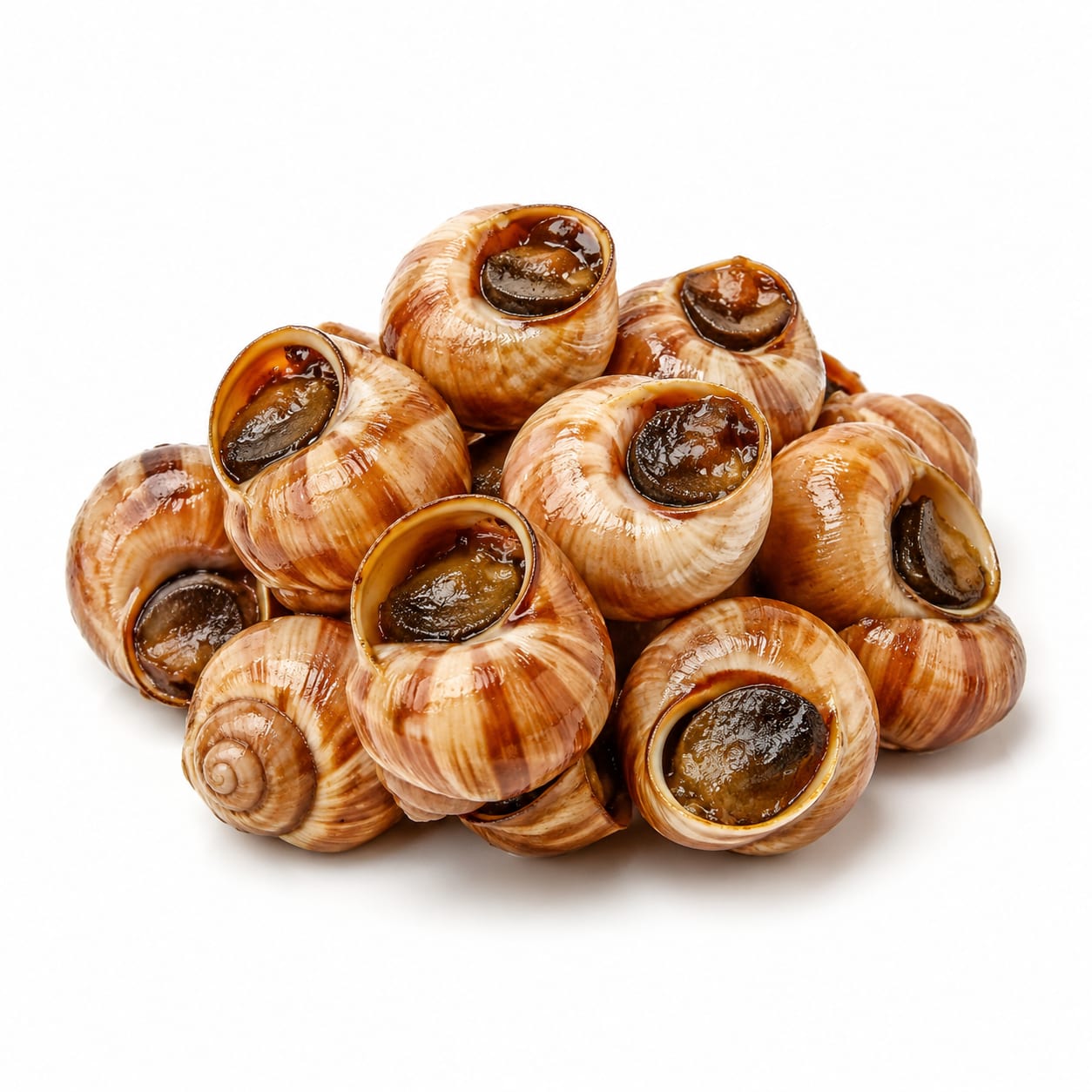
Snail
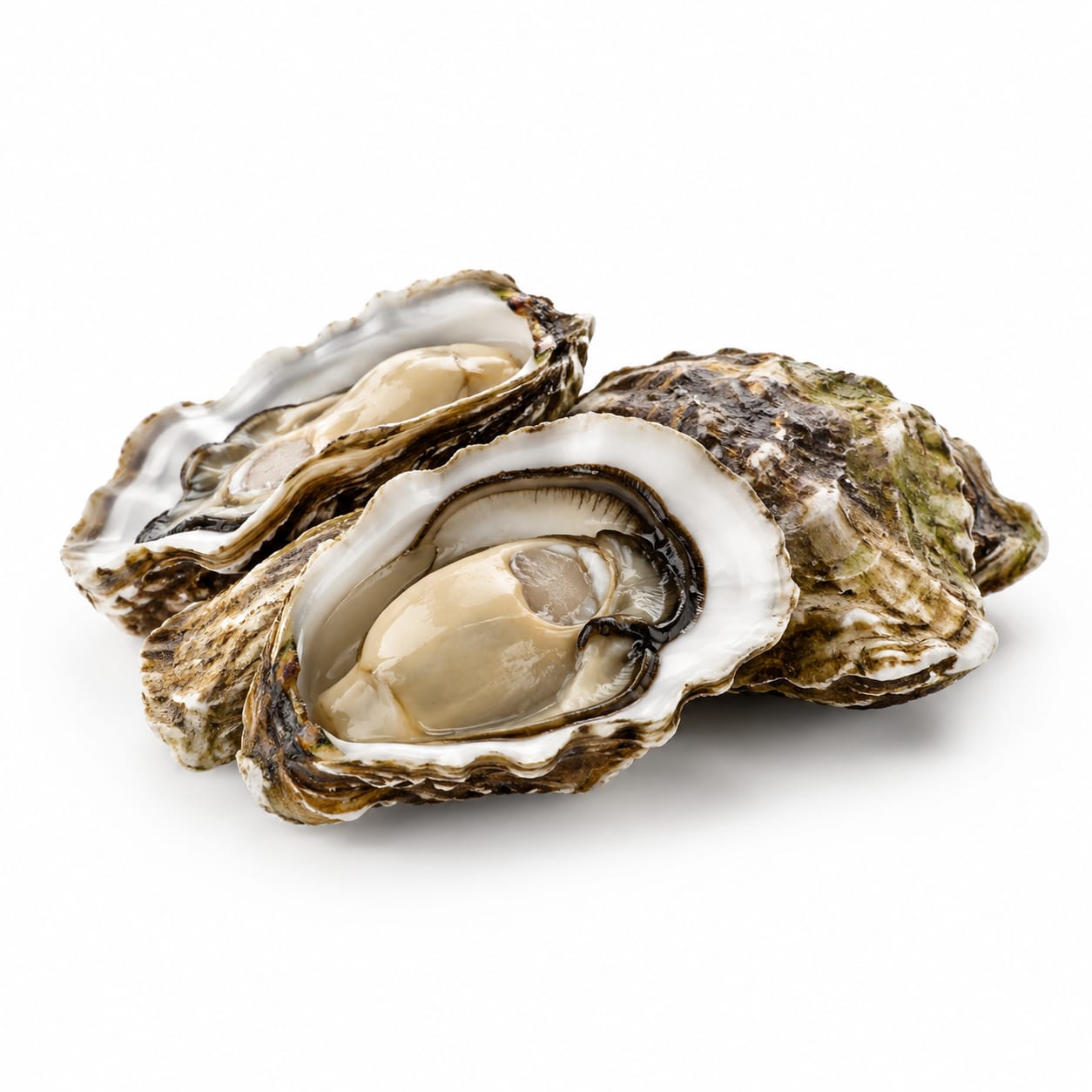
Oyster
Snails deliver more protein and iron per bite; oysters win on zinc, omega-3s, and ease of finding them raw at a bar.
Snails edge ahead on protein and iron density with lower raw-consumption risk, but oysters close the gap with zinc, omega-3s, and broader availability. The narrow margin reflects how context-dependent this choice truly is.
Iron and protein density versus zinc and omega-3 content — plus a raw-eating safety gap that favors snails.
At a glance
Executive summary
Overall
It depends
Healthier
It depends
More practical
Oyster
Daily use
Snail
Key comparison lenses
protein density for lean eating
Both foods are exceptionally high in protein relative to calories, making them top-tier for lean muscle diets
mineral and micronutrient supremacy
Snails dominate in iron while oysters are the undisputed zinc king — this is the core tradeoff
raw consumption safety
Oysters are frequently eaten raw, raising unique contamination risks that snails rarely face
omega3 and brain health
Oysters provide meaningful omega-3s while snails offer almost none
culinary accessibility and cultural familiarity
Oysters are widely available and culturally mainstream; snails remain niche in most cuisines
Best choice for
Snail
- Athletes needing iron and protein without excess calories
- People with iron-deficiency anemia
- Anyone avoiding raw seafood risks
- Budget-conscious cooks in regions where snails are farmed cheaply
Oyster
- Men and pregnant women needing zinc support
- People wanting omega-3s without fish
- Those who enjoy raw bar experiences
- Anyone seeking B12 from a whole-food source
Least suitable for
Snail
- People squeamish about unfamiliar proteins
- Diners at restaurants without reliable snail sourcing
- Anyone needing quick omega-3 intake
- Children unaccustomed to the texture
Oyster
- Immunocompromised individuals avoiding raw animal foods
- People with shellfish allergies
- Those concerned about coastal water pollution
- Anyone on a low-sodium diet eating canned varieties
Deep comparison
Dimension by dimension
Each lens scores both foods and breaks down who each option suits.
- Dimension 1 · Priority 92Snail
protein_density
Snail · 88Oyster · 62Snails pack roughly 16g protein per 100g versus oysters at around 9g — a significant lean-eating advantage.
Tradeoff
You gain more muscle-fueling protein from snails but lose the omega-3 payload that oysters provide alongside their lighter protein content.
Why it matters
Higher protein per calorie means better satiety and muscle maintenance without overeating.
Real-world impact
A snail-based meal keeps you fuller longer after dinner; an oyster portion may leave you reaching for a second course.
Snail
- Post-workout recovery meals
- High-protein low-calorie diet phases
- Anyone tracking macros closely
Better for
- Meals where you want a light starter, not a protein anchor
Worse for
Oyster
- Light appetizer before a main course
- Social dining where heavy protein feels excessive
Better for
- Days when protein targets are hard to hit
Worse for
- Dimension 2 · Priority 90It depends
mineral_profile
Snail · 82Oyster · 85Snails dominate iron; oysters dominate zinc. Your personal deficiency risk determines the winner.
Tradeoff
Choosing snails means excellent iron but modest zinc; choosing oysters flips that equation entirely.
Why it matters
Iron supports energy and oxygen transport; zinc supports immunity, testosterone, and wound healing.
Real-world impact
Fat andigued women may benefit more from snails; men focused on hormonal health may lean toward oysters.
Snail
- Menstruating women with low iron
- Vegetarians transitioning who need iron boosts
- Endurance athletes prone to anemia
Better for
- Anyone with hemochromatosis or iron overload
Worse for
Oyster
- Men optimizing testosterone naturally
- People recovering from illness needing immune support
- Pregnant women needing zinc for fetal development
Better for
- Those already supplementing high-dose zinc
Worse for
- Dimension 3 · Priority 78Oyster
omega3_fatty_acids
Snail · 15Oyster · 72Oysters deliver meaningful EPA and DHA; snails are essentially devoid of omega-3 fats.
Tradeoff
You sacrifice anti-inflammatory brain-healthy fats when you pick snails over oysters.
Why it matters
Omega-3s reduce inflammation, support heart health, and improve cognitive function over time.
Real-world impact
Eating oysters weekly contributes to your omega-3 quota; snails contribute almost nothing toward that goal.
Snail
- Not applicable — snails are not an omega-3 source
Better for
- People relying on this food as a sole protein source need omega-3s elsewhere
Worse for
Oyster
- Heart-conscious eaters lacking fatty fish in their diet
- Older adults wanting neuroprotective nutrition
- Anyone with inflammatory conditions
Better for
- Not a concern — oysters win this dimension cleanly
Worse for
- Dimension 4 · Priority 88Snail
food_safety_and_contamination
Snail · 75Oyster · 55Snails are almost always cooked, killing parasites. Raw oysters carry real vibrio and norovirus risk.
Tradeoff
Oysters offer a raw-eating experience that snails cannot match, but that experience carries measurable health risk.
Why it matters
Raw shellfish is a leading cause of seafood-borne illness, especially in warm months.
Real-world impact
A summer raw-oyster plate carries vibrio risk; properly cooked snails virtually eliminate that concern.
Snail
- Immunocompromised diners
- Pregnant women avoiding raw animal foods
- Anyone eating in warm coastal regions during summer
Better for
- Improperly farmed snails can carry rat lungworm — cooking is non-negotiable
Worse for
Oyster
- Healthy adults in cold-season harvest areas with trusted sourcing
Better for
- Raw consumption during warm months in the Gulf or similar regions
- Immunocompromised individuals should never eat raw oysters
Worse for
- Dimension 5 · Priority 70Oyster
culinary_accessibility
Snail · 35Oyster · 78Oysters are available at most coastal restaurants and raw bars; snails require specialty sourcing.
Tradeoff
You gain convenience and social dining appeal with oysters but may miss the superior protein density of snails.
Why it matters
A food you can actually find and enjoy regularly beats a nutritionally superior one you never eat.
Real-world impact
Date night at an oyster bar is easy; finding well-prepared snails requires planning and often a French restaurant.
Snail
- Home cooks in West Africa, France, or Southeast Asia where snails are everyday food
- Adventurous eaters who enjoy preparing unfamiliar ingredients
Better for
- Suburban cooks with no specialty markets nearby
- Last-minute meal planning
Worse for
Oyster
- Urban diners wanting easy access
- Social dining and date nights
- Travelers exploring coastal cuisine
Better for
- Inland areas far from fresh oyster supply
- People avoiding raw bars for safety reasons
Worse for
- Dimension 6 · Priority 72Oyster
vitamin_b12_content
Snail · 68Oyster · 82Both deliver solid B12, but oysters provide roughly double the amount per serving.
Tradeoff
Snails still cover your B12 needs adequately, just not as generously as oysters.
Why it matters
B12 is critical for nerve function and energy; deficiency is common in older adults and plant-based eaters.
Real-world impact
A dozen oysters can cover weekly B12 needs; you would need more snail servings to match that.
Snail
- Anyone already getting B12 from other sources who wants a supporting contribution
Better for
- People using this as a primary B12 strategy
Worse for
Oyster
- Older adults with absorption concerns
- Former vegetarians rebuilding B12 stores
- Anyone relying on few animal foods for B12
Better for
- Not a concern here — oysters excel at B12
Worse for
Timeline
Health impact over time
Short-term
Hours to days
Snail
- High protein content promotes strong satiety after meals
- Iron intake can boost energy perception in deficient individuals
- Requires thorough cooking — undercooked snails risk parasitic infection
Oyster
- Zinc intake may reduce duration of colds when consumed regularly
- Raw oysters can cause acute gastrointestinal illness if contaminated
- Light calorie load makes them easy to overeat without realizing
Long-term
Months to years
Snail
- Consistent iron intake supports prevention of anemia over decades
- Low omega-3 intake means snails should not be your only animal protein
- Regular consumption from clean farms poses minimal long-term risk
Oyster
- Omega-3 accumulation supports cardiovascular and cognitive health long-term
- Zinc sufficiency supports immune resilience and hormonal balance
- Chronic raw consumption from polluted waters raises heavy metal accumulation concerns
Risk profile
Safety & processing
Both snails and oysters are whole, minimally processed foods when purchased fresh. Canned or preserved versions may add sodium and preservatives, so fresh is preferred for both.
Snail
Rat lungworm parasite
highSnails can carry Angiostrongylus cantonensis if wild-harvested. Thorough cooking eliminates this risk entirely.
Heavy metal accumulation from soil
mediumTerrestrial snails absorb metals from polluted soil. Farmed snails from clean environments avoid this.
Bacterial contamination from improper handling
lowLike any animal product, poor storage can cause spoilage. Refrigeration and cooking resolve this.
Oyster
Vibrio vulnificus infection from raw consumption
highRaw oysters in warm coastal waters can harbor this deadly bacterium. Cooking eliminates the risk but removes the raw experience.
Norovirus from contaminated waters
mediumFilter-feeding oysters concentrate viruses from their environment. Even reputable harvest areas occasionally test positive.
Heavy metals and microplastics from filter feeding
mediumOysters filter large volumes of water, accumulating cadmium, lead, and microplastics over time. Sourcing from clean waters is essential.
Who wins for whom
Audience fit
Same foods, different winners depending on your goal.
children
OysterOysters are easier to find, milder in flavor when cooked, and provide zinc critical for growth — though neither is a typical kid food.
daily consumption
SnailCooked snails carry lower daily food-safety risk than oysters, which require careful sourcing if eaten regularly.
diabetes
SnailBoth are low-carb, but snails provide steadier satiety from higher protein, reducing blood sugar swings from snacking.
elderly
OysterB12 absorption, omega-3s for cognitive health, and zinc for immune resilience make oysters more relevant for aging concerns.
muscle gain
SnailNearly double the protein content per 100g gives snails a clear advantage for muscle repair and growth.
weight loss
SnailHigher protein and comparable calories make snails more satiating per bite, reducing the urge to overeat later.
Your move
Decision guide
Choose Snail
- You prioritize protein and iron in your diet
- You want a lean animal protein with minimal food-safety anxiety
- You have access to well-farmed or reliably sourced snails
- You are anemic or borderline iron-deficient
Choose Oyster
- You want omega-3s without eating fish
- Zinc deficiency or immune support is your priority
- You enjoy raw bar dining and trust your source
- You want a socially familiar, widely available delicacy
Either works if
- You rotate animal proteins and want B12 from diverse sources
- You enjoy both and eat them on different occasions
- You are generally healthy and simply want low-calorie mineral-rich food
Avoid both if
- You have a shellfish or mollusk allergy
- You cannot verify the water quality or farm source
- You are immunocompromised and considering raw oysters specifically
Final recommendation
Eat both on rotation. Snails give you unmatched protein and iron for active days; oysters deliver zinc and omega-3s for recovery and immune support. Always cook snails thoroughly and source oysters from trusted cold-water harvests. Together they cover nearly every micronutrient gap that lean animal proteins can address.
Practical
Consumer tips
- 1
Always cook snails to an internal temperature of 165°F to eliminate parasite risk — never eat them raw or undercooked
- 2
Choose farmed snails over wild-caught to avoid heavy metal and parasite exposure
- 3
For raw oysters, only eat them from certified waters in cold months — avoid Gulf oysters raw between May and October
- 4
Canned oysters are a safe, affordable alternative but check sodium content — some brands exceed 400mg per serving
- 5
If you are new to snails, start with escargot in garlic butter at a French restaurant to experience them prepared expertly
- 6
Freeze raw oysters for at least 24 hours before consuming to reduce — but not eliminate — parasite risk
- 7
Pregnant women should avoid raw oysters entirely but can safely enjoy both foods when fully cooked